RFK Jr. Says He’s Ending the ‘War on Protein.’ Experts Say Americans Already Eat Too Much
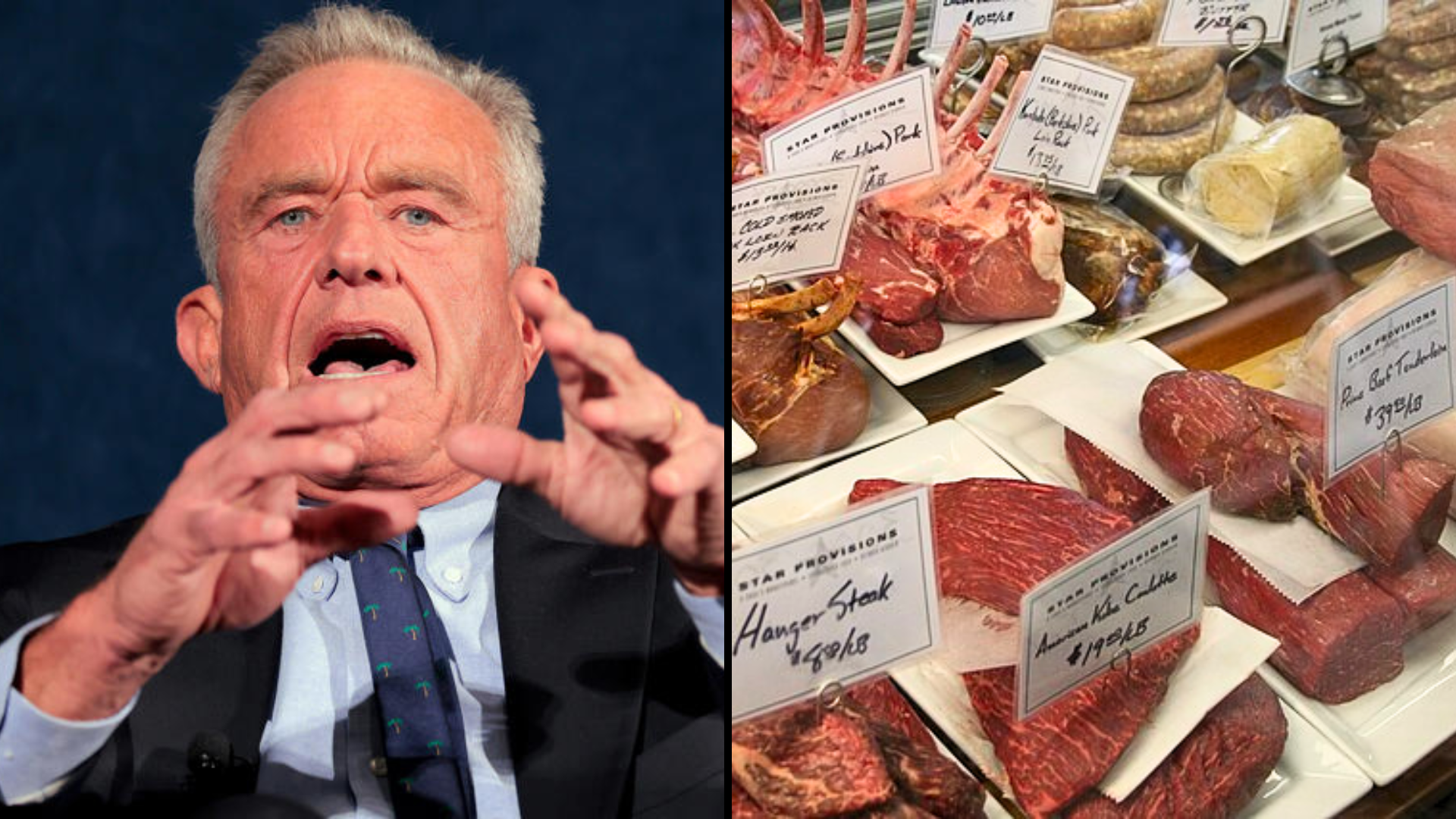

A dramatic announcement from Robert F. Kennedy Jr. set social media buzzing this month after he declared an end to what he called the “war on protein.” Framed as a major course correction in American health policy, the statement suggested that essential nutrients had been unfairly vilified for years. Supporters cheered the move as long overdue. Critics, however, immediately asked a simpler question: what war?
The declaration appeared alongside newly released federal dietary guidelines that emphasize protein, dairy, and healthy fats. Kennedy’s language was confrontational and emotional, implying past guidance had deliberately misled the public. The message resonated with people who feel confused, frustrated, and increasingly distrustful of nutrition advice that seems to change every decade.
But many nutrition scientists say the framing itself is the problem. They argue protein has never been discouraged in U.S. dietary guidelines, and Americans already consume more than enough. The disconnect between the rhetoric and the data has turned a technical update into a cultural flashpoint about health, politics, and who gets to define “good nutrition.”
What the Data Actually Shows About Protein
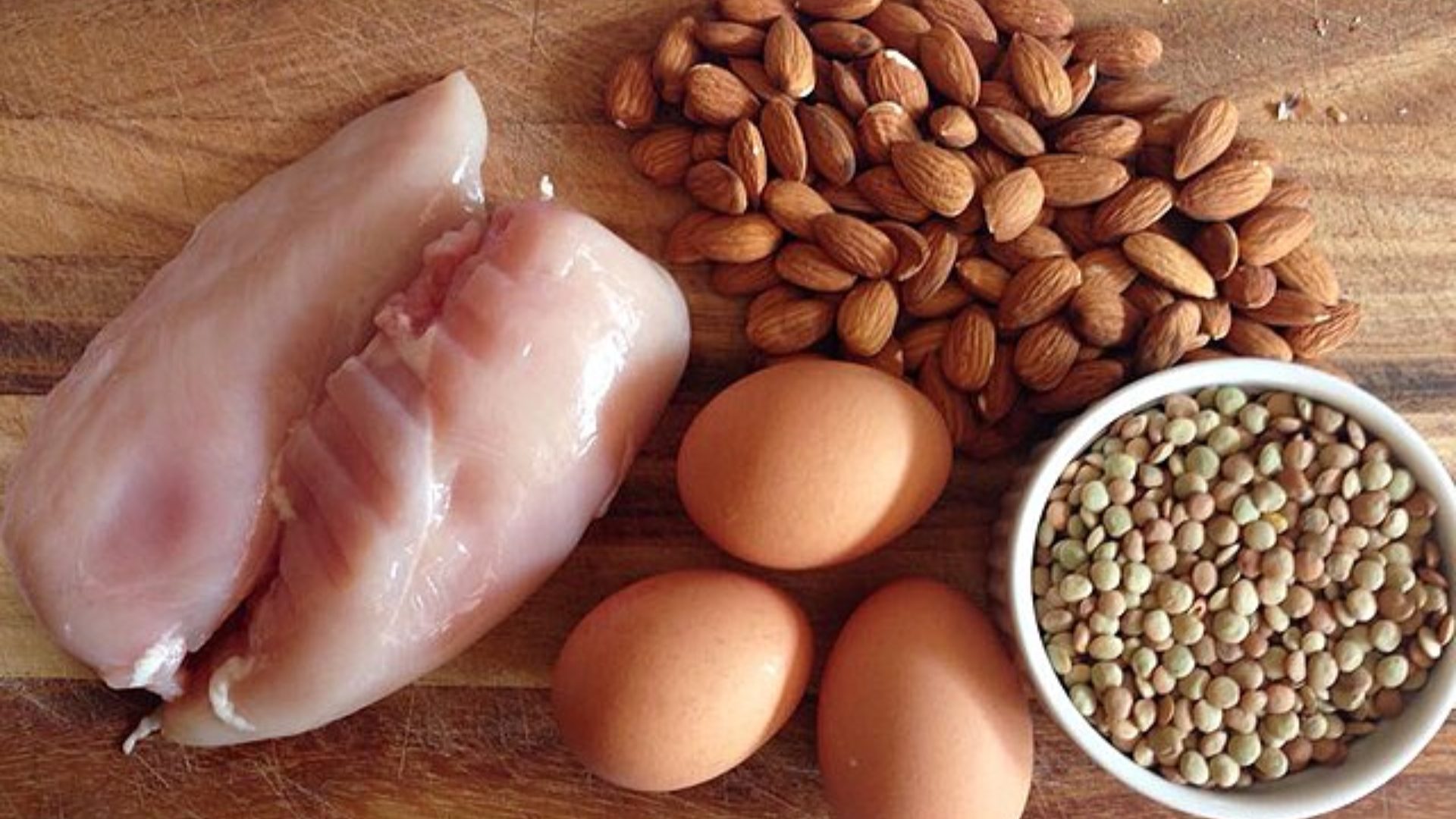
According to nutrition experts, protein has consistently been part of recommended diets for decades. Previous guidelines encouraged lean meats and low-fat dairy, not avoidance. In fact, U.S. protein consumption is at record highs. Most Americans already exceed daily protein needs, especially through meat, dairy, and processed foods that quietly pack in extra grams.
Marion Nestle, a longtime nutrition policy adviser, says protein was “never the villain.” The real shift in the new guidelines is not protein itself, but the endorsement of full-fat dairy and higher saturated fat intake. That change raises concerns, as excess saturated fat is linked to higher risks of heart disease and certain cancers.
Doctors also warn that more protein is not automatically better. Excessive intake can strain kidneys in people with underlying conditions and crowd out other important nutrients. While protein is essential, experts stress balance matters far more than turning one macronutrient into a cure-all for complex health problems.
Why the Message Still Resonates With So Many Americans

Despite expert pushback, Kennedy’s message taps into real anxiety. Chronic disease rates are rising, and many Americans feel they followed official advice only to end up sicker. That frustration creates fertile ground for bold claims that promise clarity and strength in a landscape of confusing health rules and contradictory headlines.
Protein has also become a cultural obsession. From coffee additives to fast-food menus and celebrity endorsements, high-protein products are everywhere. Nutrition historians describe this as a familiar cycle, where one nutrient becomes the star solution. The danger, they say, is mistaking marketing trends for medical breakthroughs.
There’s also a deeper cultural layer. Meat and protein are closely tied to ideas of masculinity, toughness, and traditional American identity. Questioning meat consumption can feel like an attack on values, not just diet. Kennedy’s rhetoric plays into that symbolism, transforming nutrition guidance into a statement about strength, freedom, and national identity.
What This Debate Means Going Forward

The protein debate comes as eating habits are already shifting. Weight loss drugs, changing appetites, and evolving food markets are forcing companies to rethink products. In response, manufacturers are racing to add protein to everything, hoping to stay relevant in a shrinking consumption landscape.
Experts caution that scaling up protein demand has global consequences. Increased meat production strains supply chains and accelerates deforestation in countries like Brazil, where U.S. beef imports have surged. What starts as a domestic health message can ripple outward into environmental and economic pressure points.
For most Americans, dietitians say little will change on the ground. Balanced eating, flexibility, and individual health needs still matter more than slogans. The real risk is not protein itself, but turning nutrition into a political battlefield where nuance gets lost and confidence replaces evidence.