Customers Push Boycott of Taco Chain With 80+ Locations Over CEO’s Alleged Trump Support
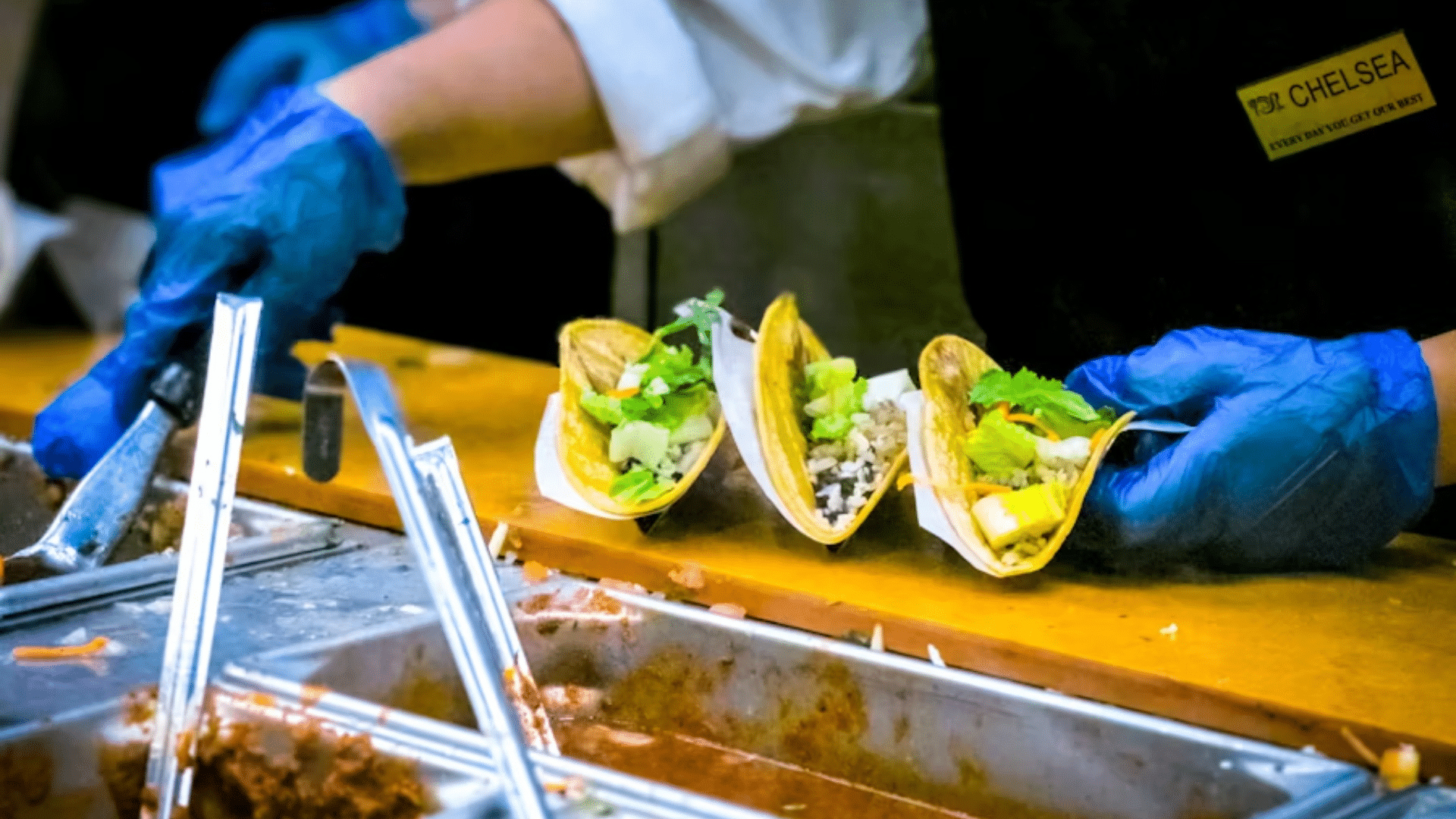

A 60-year-old Latino-owned taco chain built on Mexican food and immigrant heritage is now at the center of a politically charged boycott that began with a single TikTok video and spread across Reddit, Facebook, and local community groups within days. Roberto’s Taco Shop, founded in San Diego in 1964 by Roberto and Dolores Robledo and now operating more than 80 locations across California, Nevada, and Texas, is facing calls to cut off its customer base after a social media user alleged that the chain’s current CEO holds pro-Trump views. The accusation touched a nerve that ran far deeper than one person’s Facebook account.
The controversy began on April 8, when a TikTok user who describes herself as someone who exposes “Latino MAGA businesses that profit off La Raza” posted a video targeting CEO Reynaldo Robledo, the founders’ son. She shared screenshots from a personal Facebook account bearing his name and photo that appeared to show posts supporting President Donald Trump. The account has since been made private. The TikToker’s core challenge was direct: “Did this CEO really forget that all of his restaurants are based on Mexican dishes, who wouldn’t have made it here without the immigrants that are currently being affected by the current administration that you are supporting?”
The video gained traction fast. A public Facebook group called “A Strong Nevada” called for a boycott within days. A post on a San Diego Reddit thread drew hundreds of comments from users pledging to avoid the chain. And a separate piece of documented history; Robledo’s appearance at a Latinos for Trump roundtable with the president in 2020, where he reportedly thanked Trump for helping Latino businesses, surfaced and amplified the story further. What started as a TikTok allegation had become a documented and multi-platform campaign against one of the Southwest’s most recognizable regional fast food brands.
The 2020 Roundtable, the Private Facebook Account, and What the Record Actually Shows
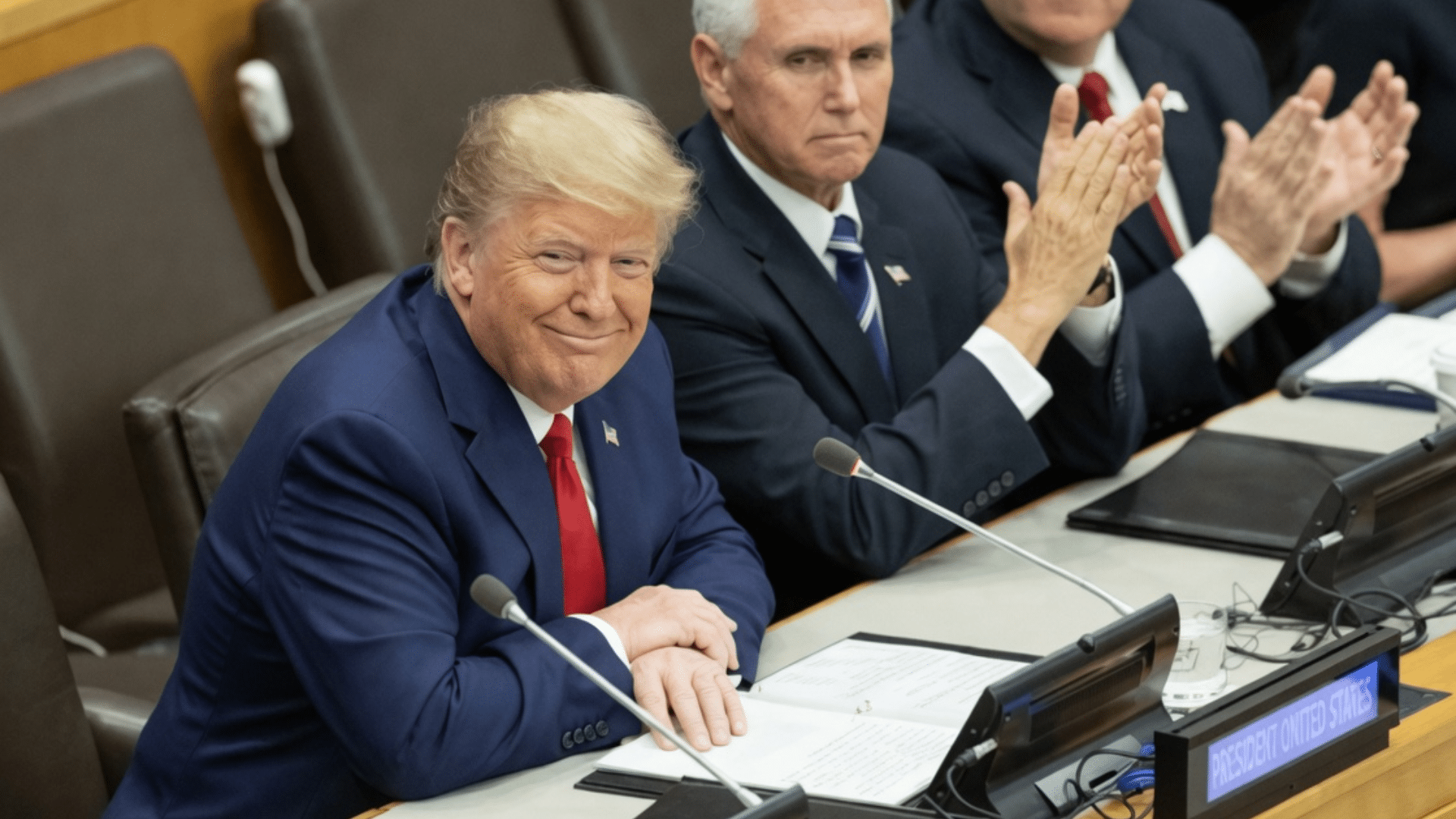
The most concrete piece of evidence cited by boycott supporters is not a screenshot from a personal social media account. It is a transcript from the American Presidency Project, which documented a Latinos for Trump roundtable meeting held in September 2020. According to that record, Reynaldo Robledo attended the event and thanked President Trump for his support of Latino businesses. That appearance is a matter of public record, not an allegation sourced from a Facebook post that has since been made private. It is also the detail that shifted the conversation from social media speculation toward documented political affiliation.
Robledo has not issued a public statement responding to the boycott, and Roberto’s corporate office did not return media requests for comment. The absence of a direct response has left a vacuum that supporters and critics of the boycott have filled with their own interpretations. Those who support the boycott point to the 2020 roundtable as confirmation. Those skeptical of the campaign note that attending a business roundtable with a sitting president is a long distance from the more inflammatory characterizations circulating on social media. The Facebook account at the center of the original TikTok is now private, making independent verification of those specific posts impossible.
What is not in dispute is that the controversy has real momentum. Hundreds of Reddit comments, a coordinated Facebook group campaign, and a TikTok video that reached a significant audience represent a level of organized consumer pressure that regional chains rarely face. Roberto’s has operated for six decades across three states without this kind of national attention. The fact that it arrived through a single TikTok video posted on a Tuesday in April illustrates how quickly political consumer activism can move in 2025, and how little runway a business has between the moment a post goes up and the moment it becomes a brand crisis.
A Franchise Fight: When the CEO’s Politics Become the Employees’ Problem
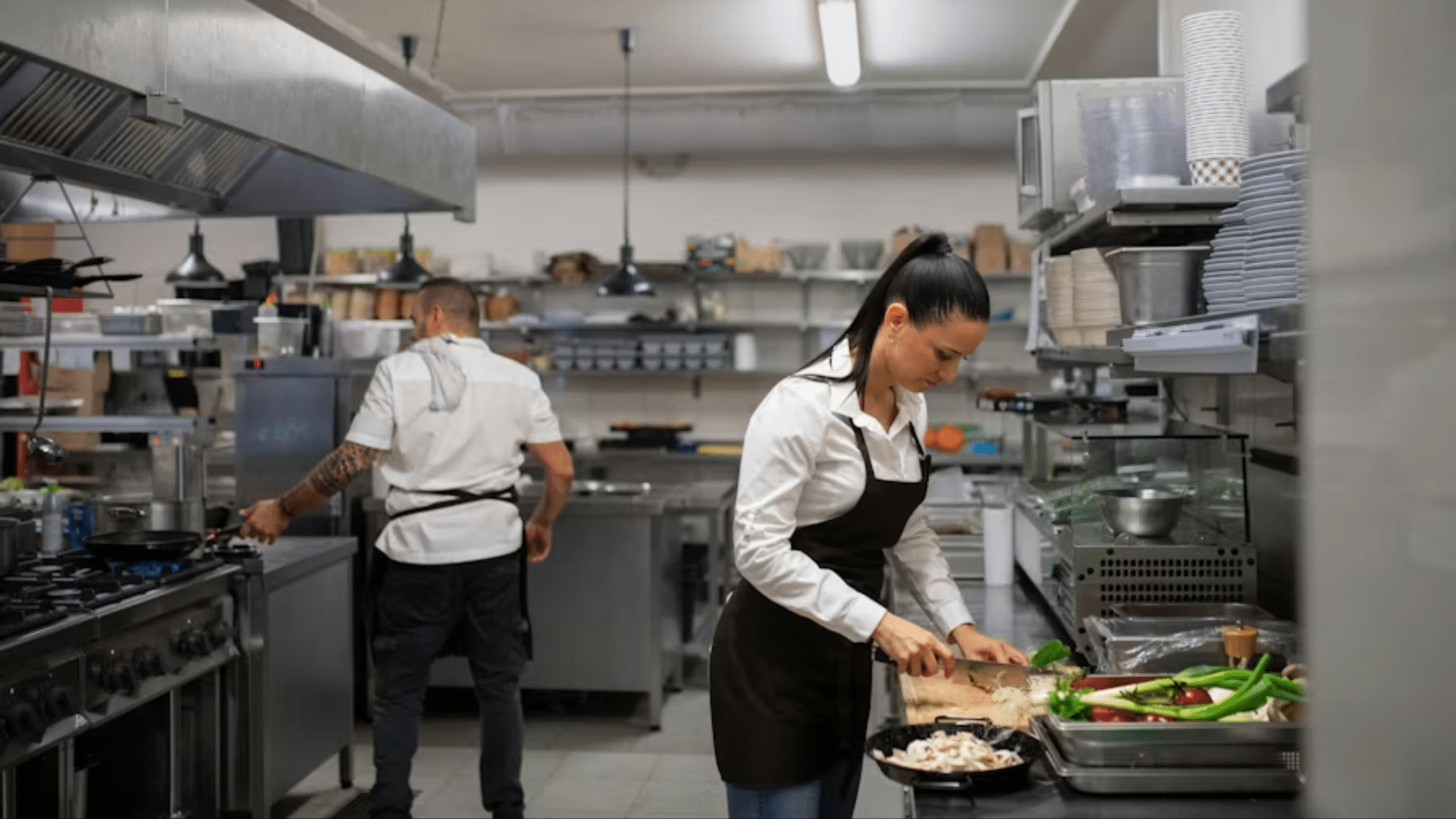
The most complicated dimension of this story is not the CEO’s alleged beliefs. It is the 600 workers whose livelihoods are directly tied to the locations customers are being asked to avoid. Roberto’s Las Vegas franchise operation addressed this tension head-on in an Instagram statement, noting that each of its 49 franchisees operates independently of corporate leadership. “The day-to-day operations and livelihoods of our 600 team members reflect the hard work, values, and cultural heritage of families, many of whom are Latino immigrants, who are dedicated to serving their local communities,” the statement read.
That framing puts boycott supporters in an uncomfortable position that is common to politically motivated consumer campaigns: the people most immediately harmed by reduced foot traffic are often not the decision-makers being targeted. A franchise employee working a morning shift at a Roberto’s in Las Vegas did not attend a Latinos for Trump roundtable. They are, in the TikToker’s own framing, exactly the kind of worker the boycott is meant to defend. Consumer activism aimed at corporate leadership routinely lands first and hardest on hourly workers who have no influence over the politics of the people above them.
This dynamic has played out repeatedly in recent years across boycotts targeting Bud Light, Target, Disney, and most recently Starbucks, where politically motivated customer pullback demonstrably affected store-level sales and staffing before any corporate response materialized. The Roberto’s situation has a particular sharpness because the workforce is largely Latino and the political grievance centers on immigration policy. Asking Latino customers to stop patronizing a Latino-owned business that employs Latino workers, as a protest against a CEO’s alleged support for immigration enforcement is a tension the boycott’s organizers have not fully resolved publicly.
Boycotts, Brand Identity, and the Impossible Position of a Regional Chain in a National Political War
Roberto’s Taco Shop was not built as a political brand. It was built as a family business rooted in Mexican culinary tradition, founded by immigrants in San Diego six decades ago, and expanded across the Southwest over generations. Its identity as a Latino-owned, community-serving institution is precisely what made the CEO’s alleged political alignment feel like a betrayal to the people leading the boycott. “You also forget that the majority of your clients are Latinos,” the TikToker said. That line is the heart of the campaign, the argument that the chain’s success depends on the very community its leadership is allegedly working against.
The political consumer landscape in America has become one in which nearly any business can find itself caught between two organized groups pulling in opposite directions. Companies that take visible political stances risk alienating half their customer base. Companies that say nothing get accused of complicity. Regional chains like Roberto’s, which built loyal followings through food and community presence rather than political identity, are particularly exposed. They lack the communications infrastructure of a national brand, the legal resources to respond quickly to viral claims, and the financial cushion to absorb a sustained drop in traffic without consequences at the store level.
Whether the Roberto’s boycott sustains itself or fades into the news cycle depends on factors that no TikTok video controls. Consumer boycotts in the social media era tend to peak within weeks and then dissipate unless a new development gives them fresh oxygen. What this story has already done, regardless of what comes next, is force a question that Latino communities and immigrant-serving businesses across the country are quietly navigating every day: what do the politics of ownership mean for the workers and customers who make a business possible? Roberto’s has not answered that question. Somebody will have to.