Salad and Go Shuts All Locations as Bankruptcy Ends 70-Store Chain
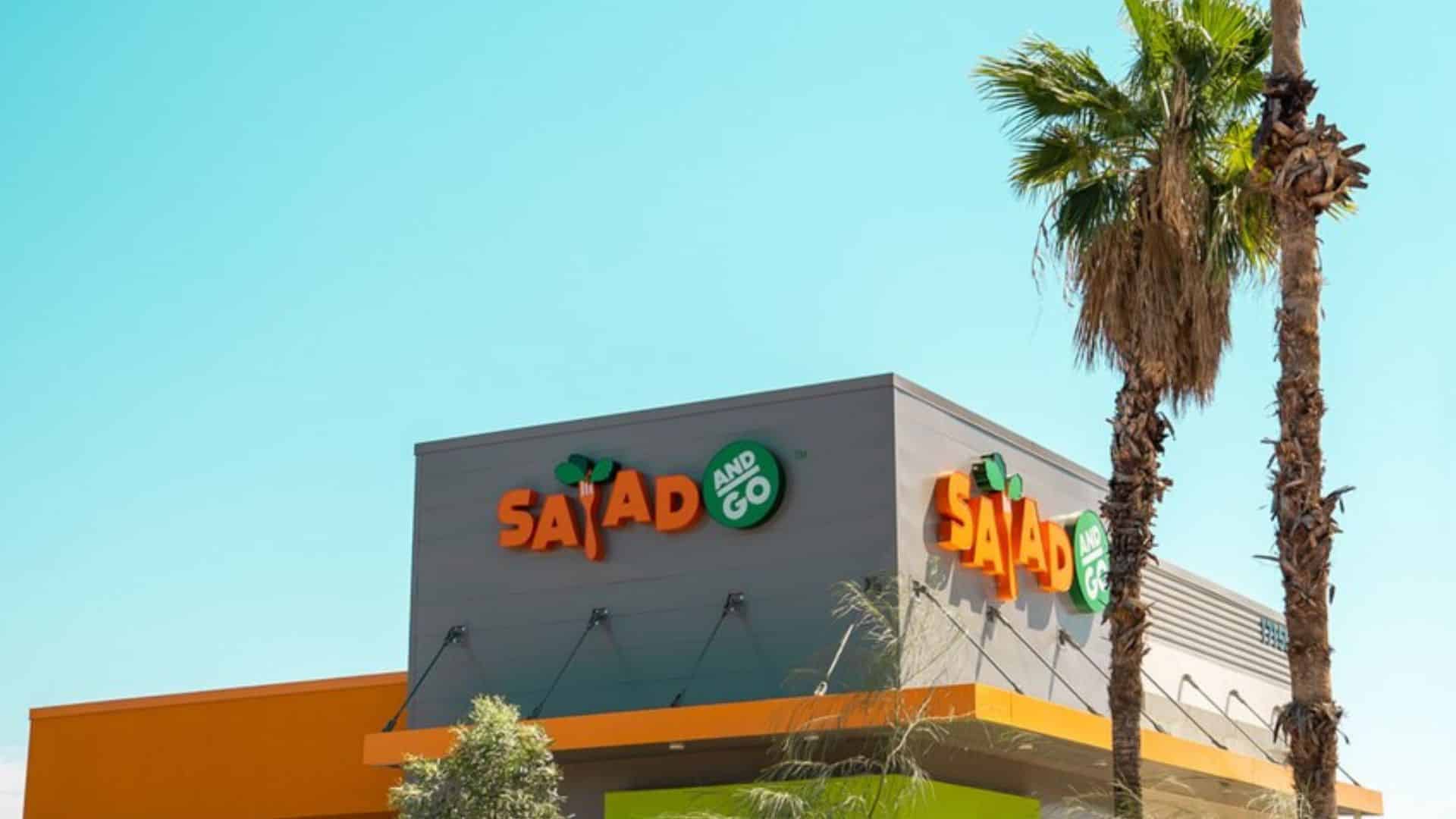

Salad and Go spent 13 years betting that Americans wanted something unusual from a drive-thru: a genuinely fast meal built around salads instead of burgers and fries. On August 5, that experiment came to a sudden end. The Arizona-born company permanently closed its remaining roughly 70 restaurants after filing for Chapter 11 bankruptcy protection, ending operations in Arizona and Nevada. Salad and Go blamed sustained pressure on consumer demand, rising costs and earlier expansion problems, while saying a July Cyclospora outbreak that was not linked to its restaurants further weakened confidence in the category.
The Chain Once Looked Like a Breakout Success
The collapse is striking because Salad and Go was not always a struggling regional operator. Tony and Roushan Christofellis founded the company in Gilbert, Arizona, in 2013 around a simple proposition: nutritious food could be inexpensive, convenient and served through a drive-thru. The compact-store model helped it grow rapidly, and the company eventually reached about 146 locations and a valuation exceeding $1.1 billion, according to The Wall Street Journal. But the scale that made Salad and Go look like a national contender would eventually become part of its problem.
Expansion Took the Brand Far Beyond Arizona
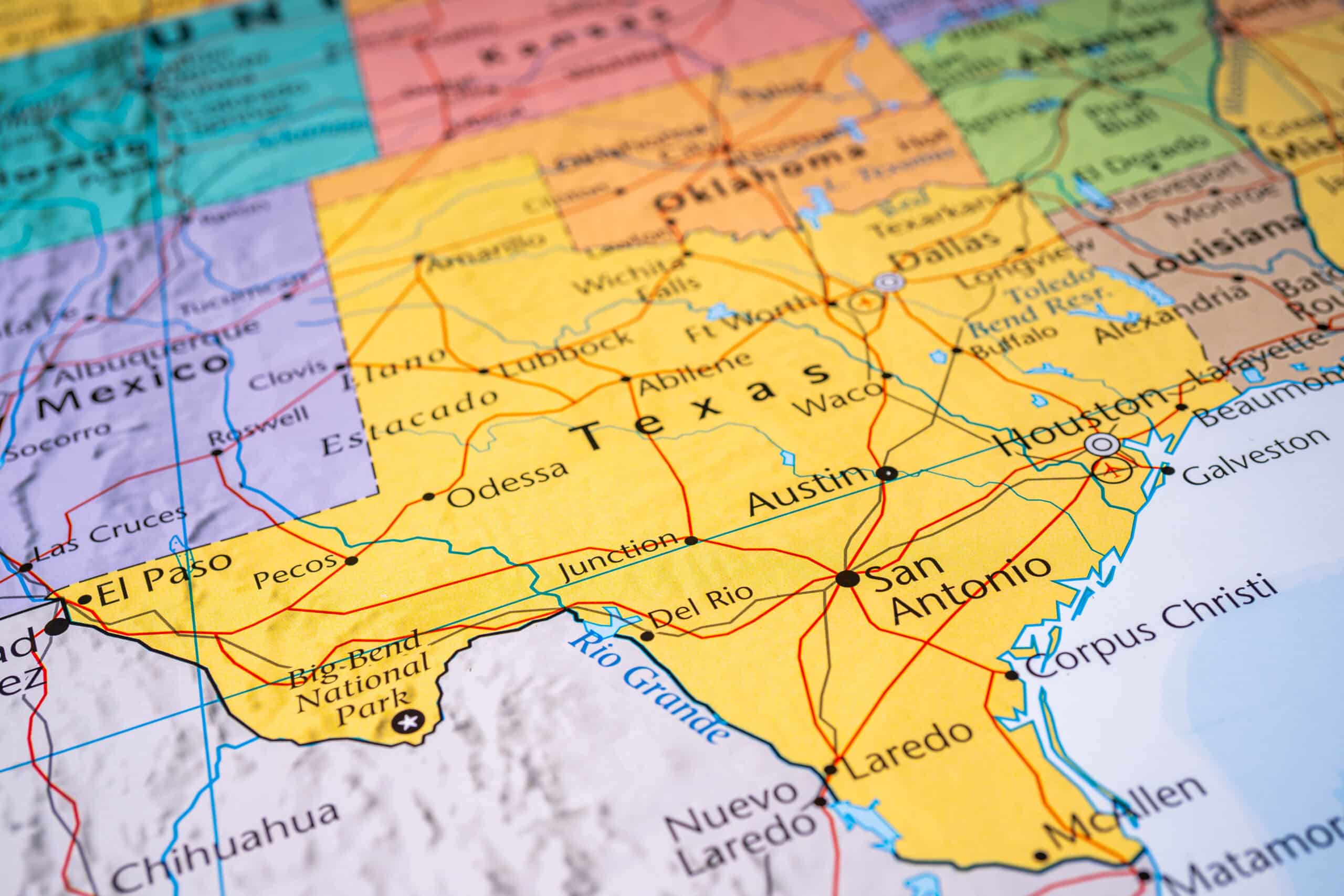
Beginning in 2021, Salad and Go pushed beyond its Arizona base and built aggressively in Texas, Oklahoma and Nevada. Expansion gave the company considerably more territory to cover, but some newer restaurants struggled with visibility and brand recognition. By May 2025, the chain reportedly had about 140 restaurants, and its Garland, Texas, central kitchen had been designed with enough capacity to support as many as 500 locations within a 12-hour drive. That infrastructure reflected enormous ambitions. It also meant the business needed enough restaurant traffic to justify a network built for much greater scale.
The Retreat Started Long Before Bankruptcy
The final 70-store shutdown was actually the last stage of a retreat already underway. In September 2025, Salad and Go announced 41 closures, including complete exits from Houston, Austin and San Antonio. Then in January 2026, CEO Mike Tattersfield announced that the company would leave Texas and Oklahoma altogether and concentrate on Arizona and Nevada. At the time, Tattersfield described that retrenchment as a way to strengthen core operations for long-term success. Seven months later, even the core markets could not save the business.
Rising Costs Met Consumers Who Were Pulling Back
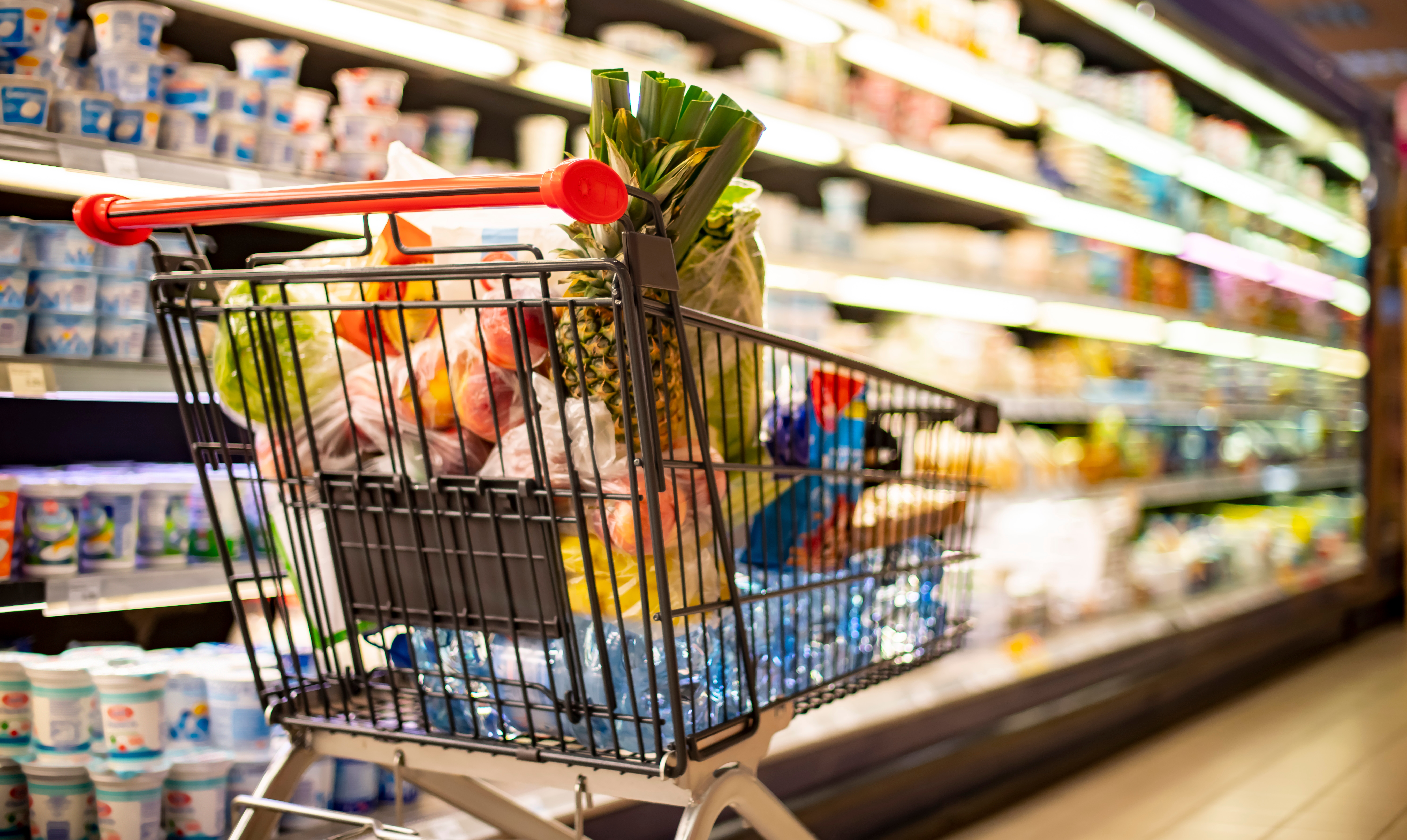
Closing weak restaurants could reduce expenses, but it could not solve everything happening around them. Bankruptcy reporting points to higher food costs, weaker consumer spending and increased gasoline prices as pressures on the chain. Those forces are particularly uncomfortable for a company whose identity depended on making fresh food affordable. Raise prices too much and the value proposition weakens. Absorb the increases and already-thin restaurant margins become harder to protect. Salad and Go ultimately said it could not overcome rising costs alongside sustained pressure on demand and its earlier strategic growth difficulties.
Then a Foodborne-Illness Scare Hit the Entire Category

Salad and Go’s final months brought a problem it did not create. A nationwide Cyclospora outbreak emerged during the summer, damaging consumer confidence in fresh produce and salads. Salad and Go emphasized that it was not implicated in the outbreak, an important distinction because there is no basis for saying its restaurants caused the illnesses. Nevertheless, bankruptcy reporting says industry traffic had fallen by as much as 11.5% by mid-July, and the company said the outbreak compounded its existing difficulties. For a financially strained chain whose name literally advertised salad, an industry-wide fear of contaminated produce arrived at an exceptionally bad moment.
A Turnaround Could Not Move Fast Enough
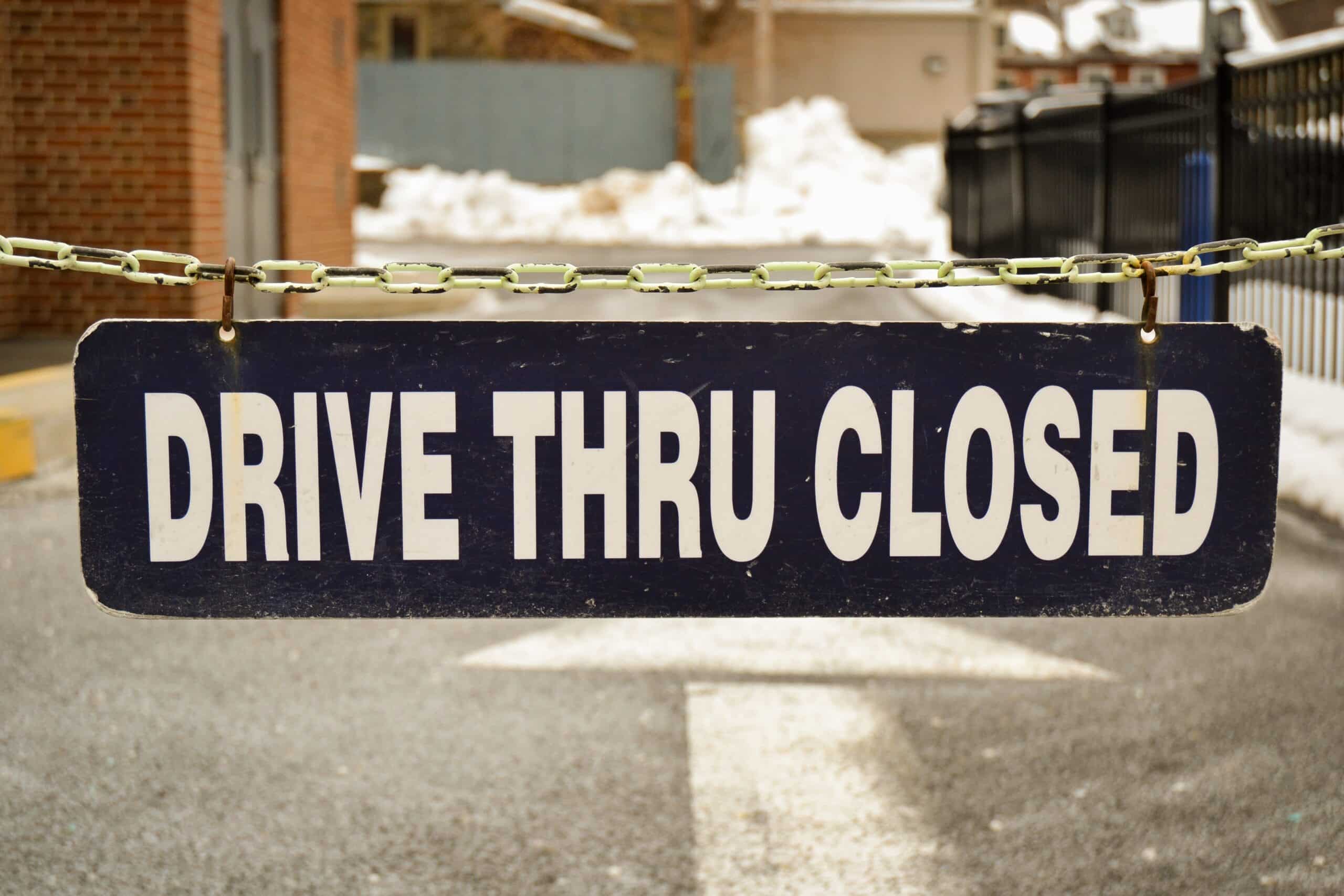
Management did try to stop the slide. Salad and Go closed restaurants, changed leadership, laid off employees, renegotiated vendor arrangements and explored a sale. Mike Tattersfield, previously CEO of Krispy Kreme, had taken over in April 2025, following the departure of former Wingstop chief Charlie Morrison. Yet restructuring a restaurant company while simultaneously shrinking its footprint can create its own vicious cycle. Fewer locations reduce operating costs, but they also mean less revenue and a smaller geographic presence. By this summer, the remaining business had run out of room for another conventional turnaround.
Bankruptcy Does Not Mean Everything Is Worthless
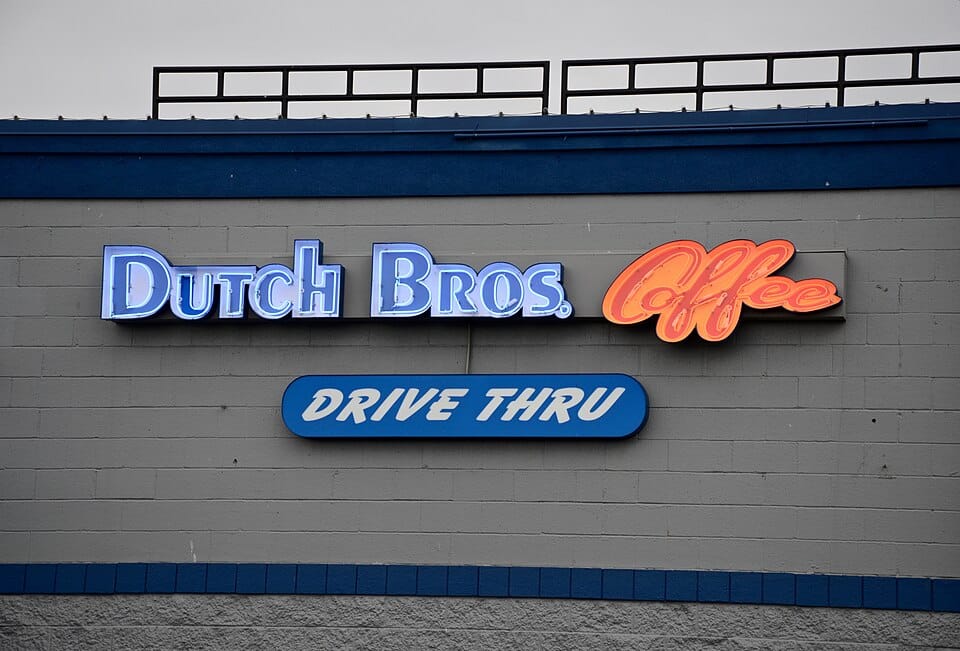
The restaurants may be closed, but their physical footprints still have value. Bankruptcy filings reveal that Boersma Bros., the parent company of Dutch Bros Coffee, has agreed to pay $105 million for 51 former Salad and Go locations, including leases and associated furniture, fixtures and equipment. The proposed transaction does not include Salad and Go’s brand or recipes and still requires approval from the federal bankruptcy court. If completed, it would turn part of the failed salad chain’s real-estate network into potential expansion sites for another drive-thru company.
The Failure Raises an Uncomfortable Question About Growth

Salad and Go’s story complicates the familiar idea that adding locations automatically signals a healthier company. Its concept attracted loyal customers, but the business expanded into markets where recognition was weaker while building infrastructure for still greater growth. When conditions deteriorated, management went from expansion to repeated closures remarkably quickly. Online reaction also shows how customers interpreted the collapse differently, with some blaming post-sale management or declining quality and others mourning one of the few inexpensive healthy drive-thru options. Those reactions are anecdotal, but the bankruptcy itself leaves a harder business question: how quickly can a promising regional concept expand before growth begins working against it?
What Happens to the Salad and Go Idea Now?
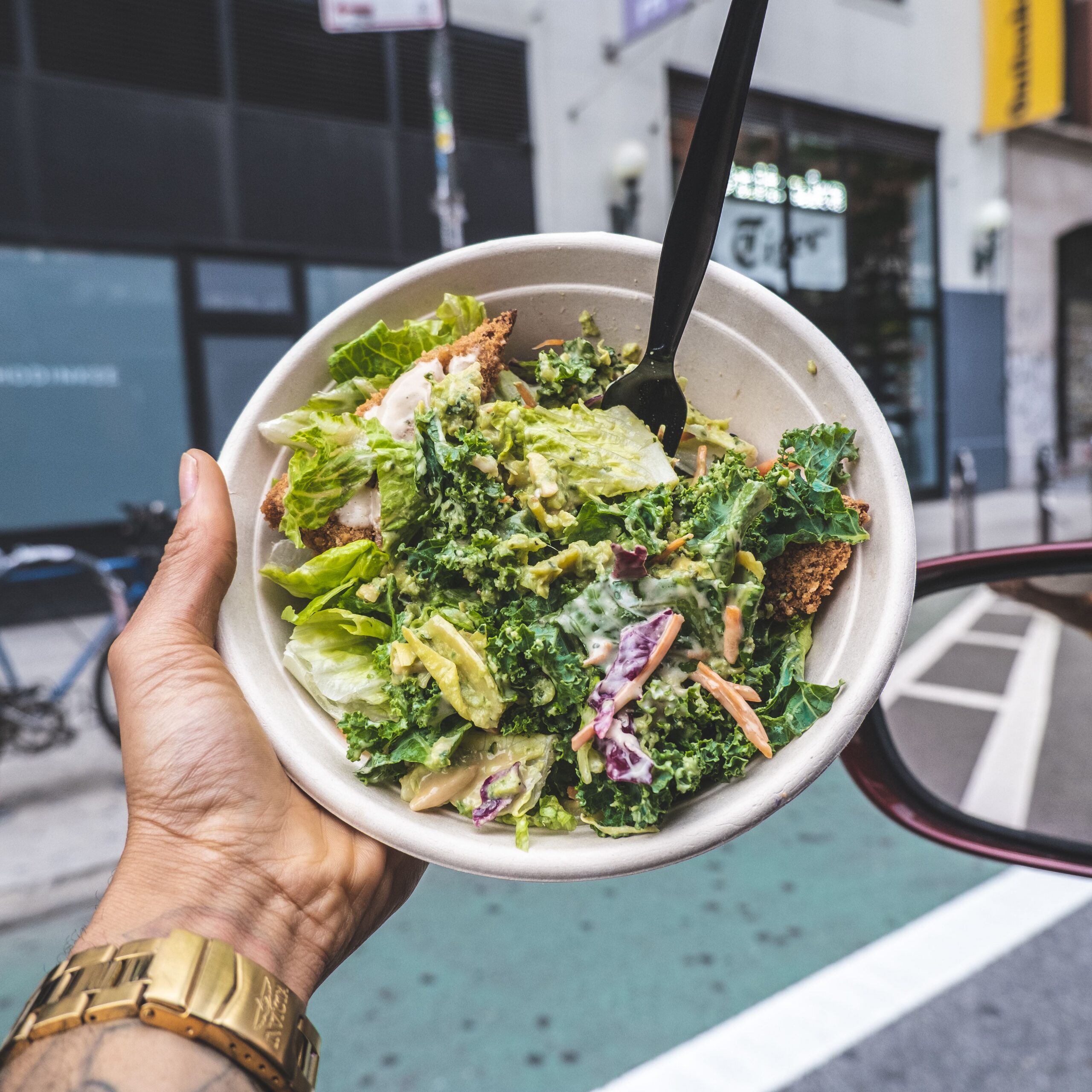
The last orders have been served, but the idea behind Salad and Go may prove harder to kill than the company itself. Its original founders now operate Angie’s, another Arizona-based fast-food venture, while Dutch Bros could eventually occupy dozens of the locations Salad and Go leaves behind. More broadly, the chain demonstrated that customers would pull into a drive-thru for salads, wraps and breakfast rather than conventional fast food. The unresolved question is whether another operator can make that proposition work without repeating the expansion, cost and demand problems that turned a 146-location growth story into a bankruptcy case.

