Sam’s Club Reveals a Major Store Makeover That Could Change How Members Shop
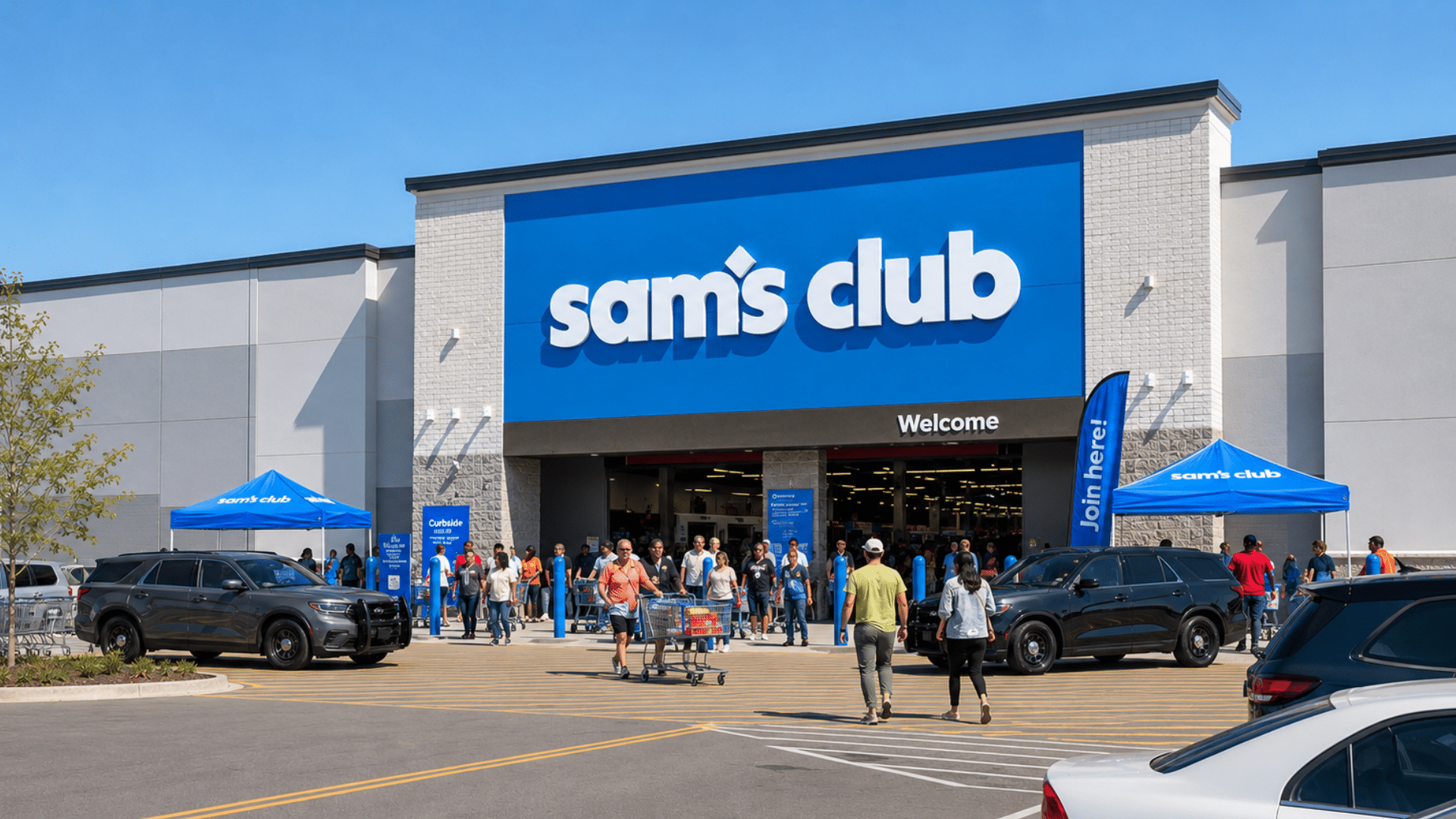

Sam’s Club has spent decades known mostly for bulk toilet paper, cheap gas, and a beloved food court hot dog. That reputation is now getting a significant update. The Walmart-owned chain has been rolling out a company-wide rebrand, complete with a new logo, a new slogan, and a noticeably different shopping experience inside its newest locations. The changes started quietly in late 2025 and have been expanding into new stores throughout 2026. For anyone who has not stepped inside a Sam’s Club in a while, walking into one of these updated locations might feel surprisingly unfamiliar. Here is exactly what is changing and why the company is betting so heavily on this transformation.
This article was created with the assistance of AI and reviewed by our editorial team for accuracy and clarity.
A New Look Built Around a Diamond
The most visible change is the logo itself. Sam’s Club replaced the apostrophe in its name with a diamond shape and shifted to a brighter, lowercase wordmark, a redesign developed with the branding firm Turner Duckworth. Alongside the new look comes a new company slogan, “Come Join Us.” The goal behind the shift is to modernize a 43-year-old brand and make it feel more relevant to younger shoppers, particularly Gen Z and millennial members who may associate warehouse clubs with an older, more transactional shopping experience. This rebrand is not limited to signage. It extends into how stores are physically laid out and staffed.
Inside the New Flagship Store in Tennessee
The clearest look at this new direction opened on July 30, 2026, in Lebanon, Tennessee. The 168,000-square-foot store includes a fuel station and several expanded shopping sections designed around the new branding. It features the new logo and slogan throughout, along with what the company describes as a modern visual look meant to feel less like a traditional warehouse and more like a curated shopping destination. This location also includes an outdoor cafe and space set aside for products from local businesses, a notable departure from the standardized, nationwide inventory warehouse clubs are typically known for.
Health Services Get Consolidated Into One Suite
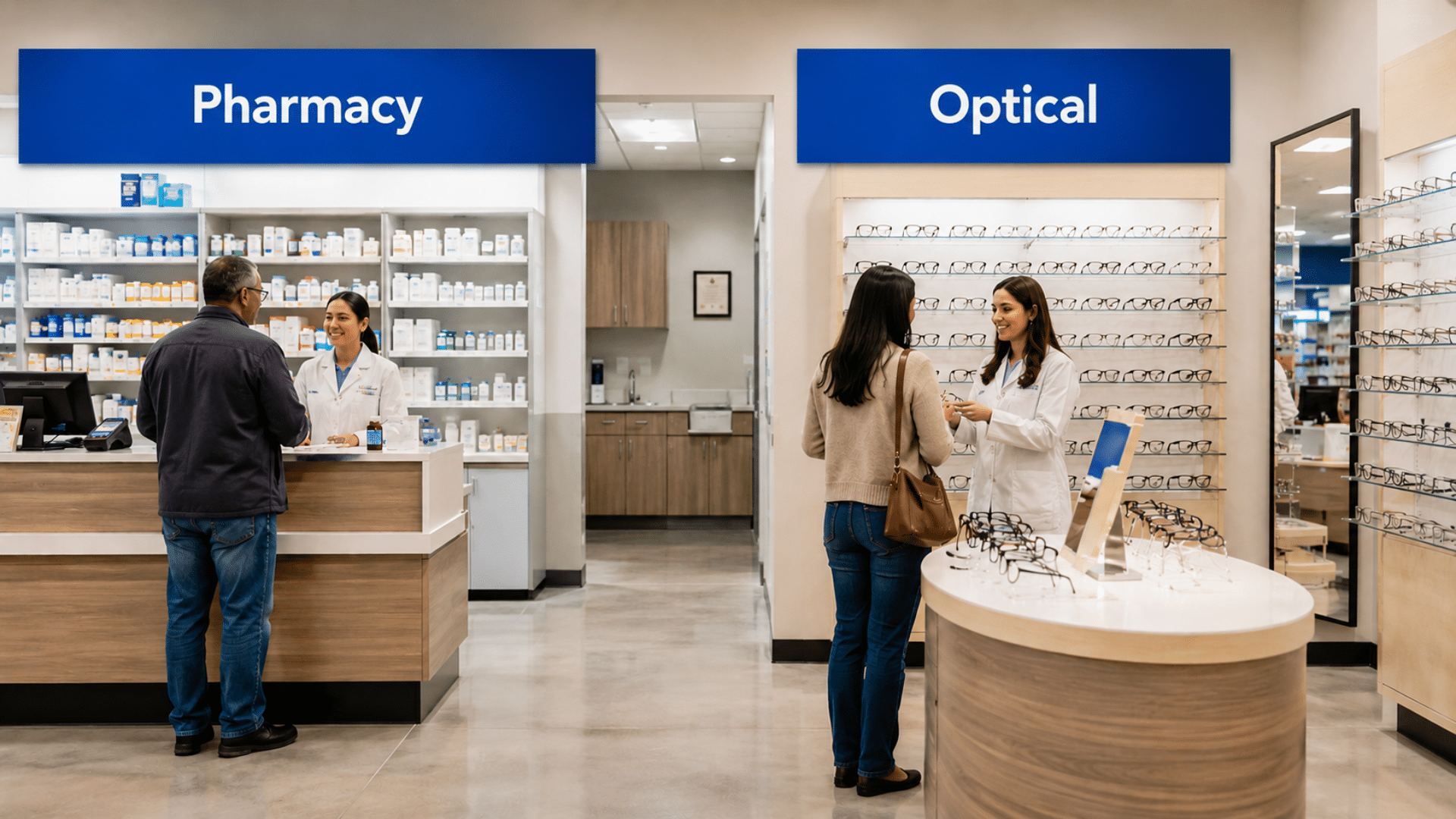
One practical change inside the Lebanon store is a redesigned health care area that merges the pharmacy, optical center, and hearing center into a single connected suite rather than scattering them across separate parts of the store. The optical center received a particularly notable upgrade, now carrying more than 240 designer and luxury eyewear frames from brands including Ray-Ban, Gucci, Oakley, Tom Ford, and Kate Spade. That is a meaningful shift for a store previously associated mostly with basic, budget-friendly frame options, signaling that Sam’s Club wants to compete on quality and selection, not just price, in categories like vision care.
Fresh Food Gets More Room and More Theater
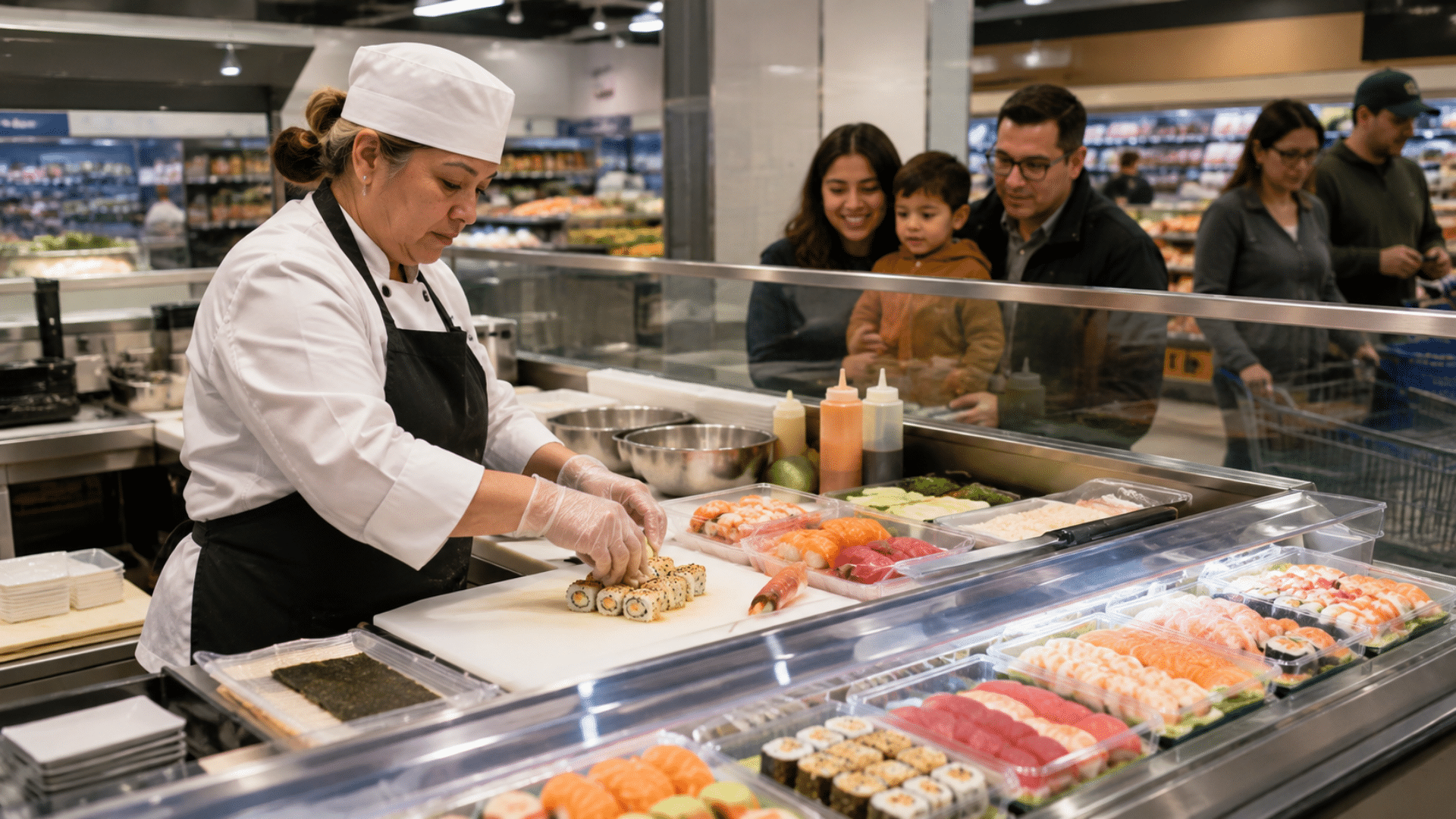
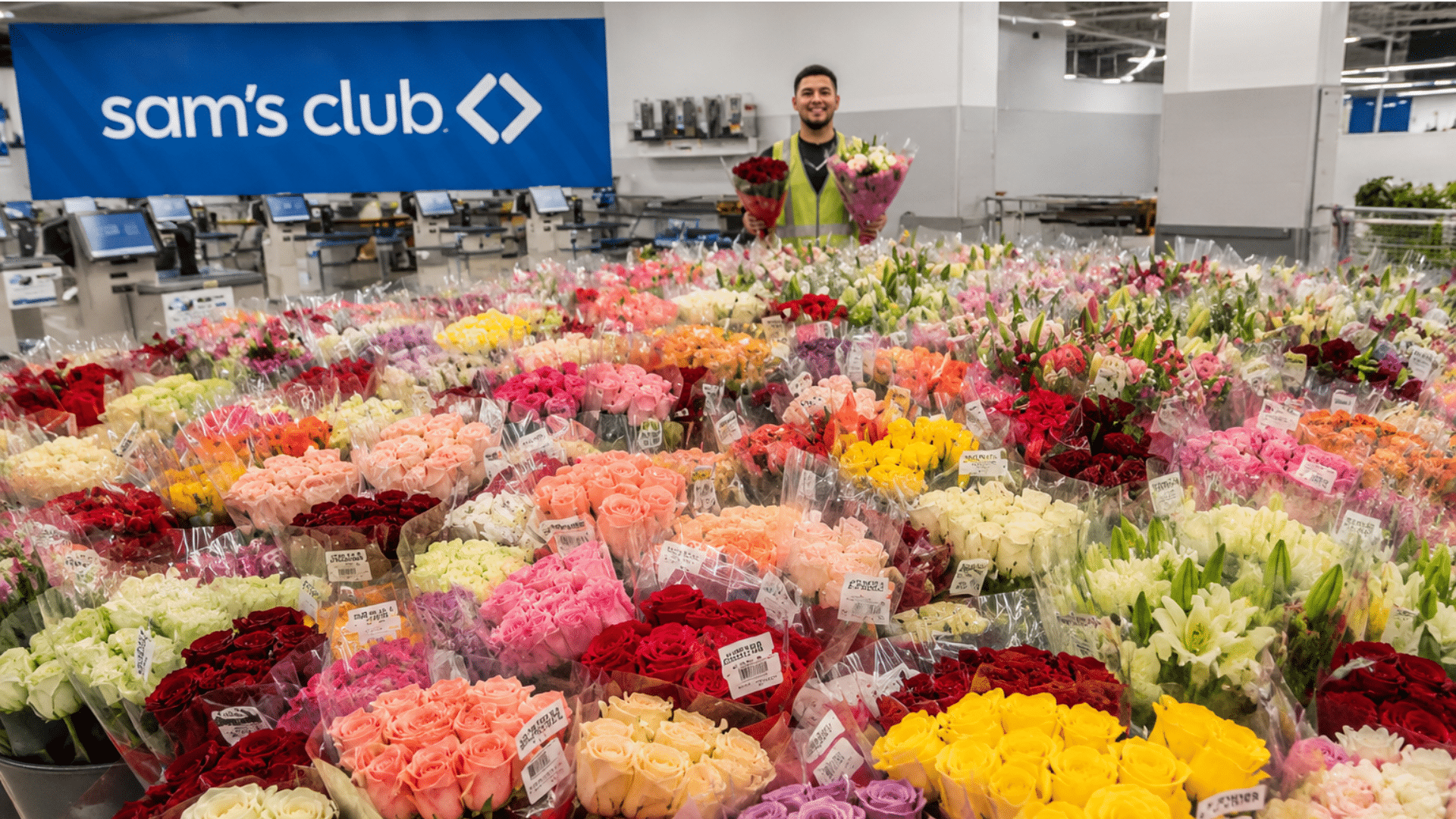
Grocery shopping at the new format stores looks noticeably different too. The fresh food section includes product islands that are about one third larger than those found in standard Sam’s Club locations, with expanded space for meat, seafood, deli items, and prepared foods. One island is dedicated entirely to sushi, where trained chefs prepare rolls in view of shoppers. There is also a full-service floral department designed so members can watch associates assemble custom arrangements in person. According to the company, this setup is intended to add a sense of theater to grocery shopping while giving staff more time for hands-on, personalized service.
Checkout Lines Are Quietly Disappearing
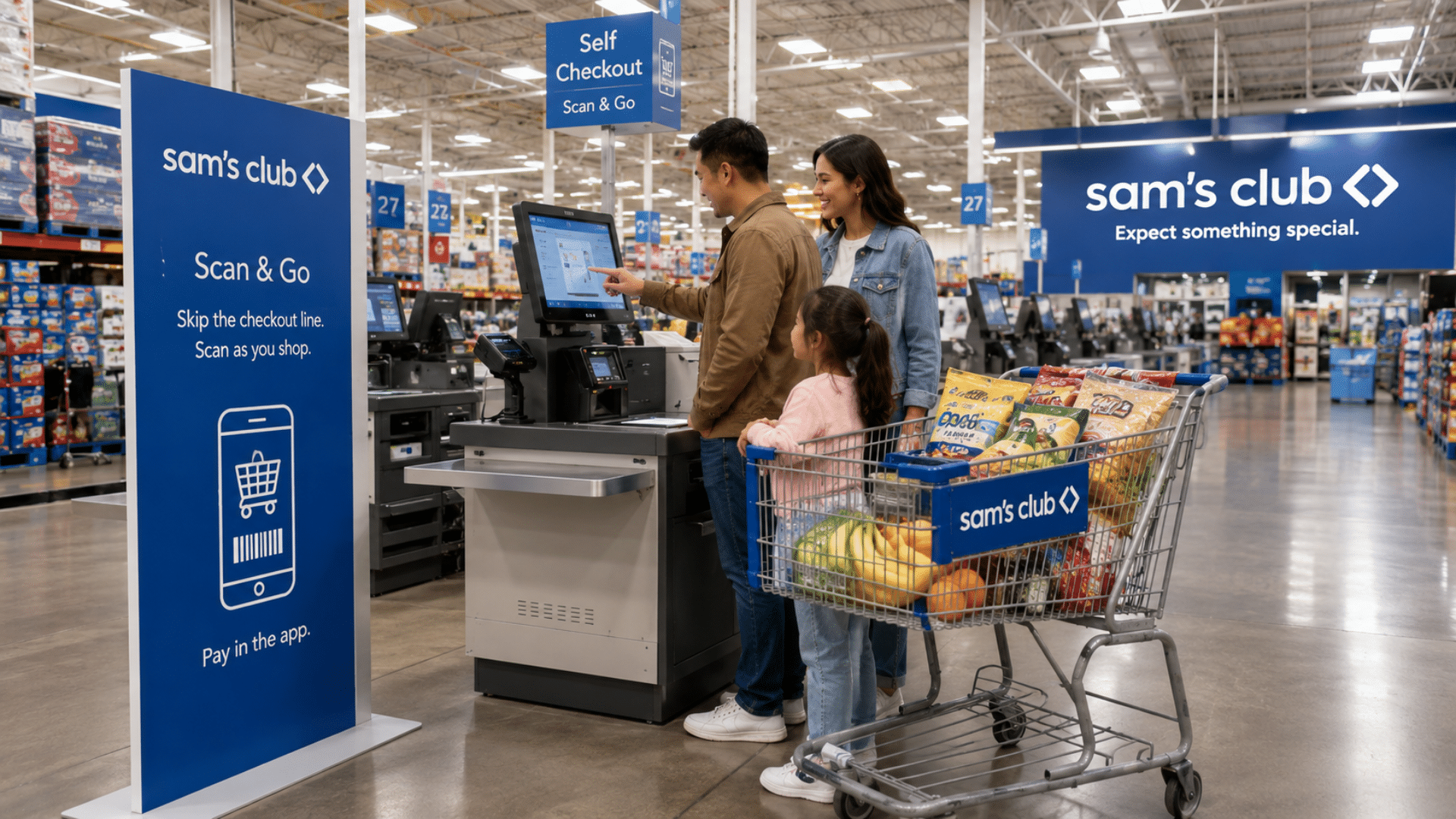
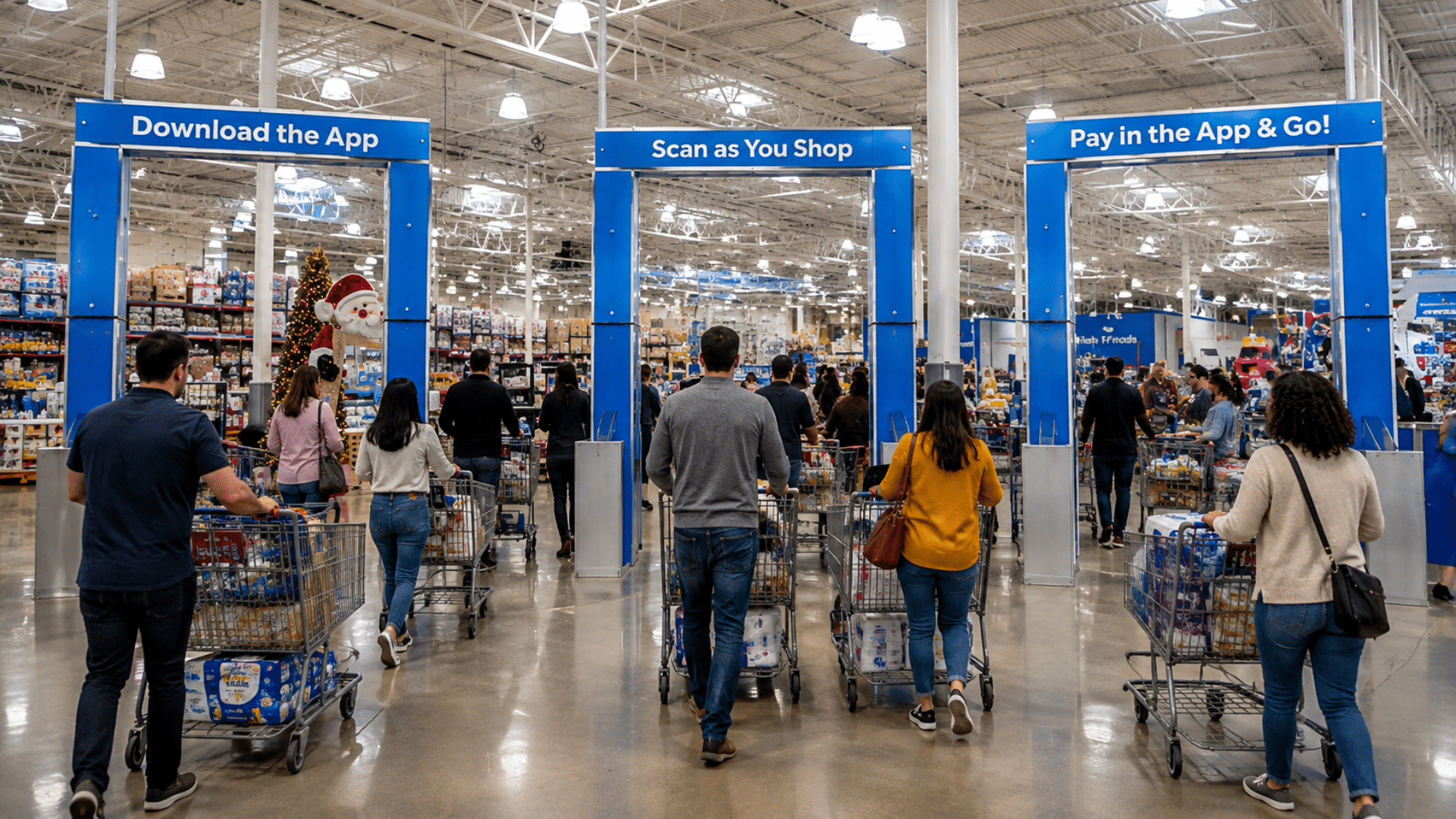
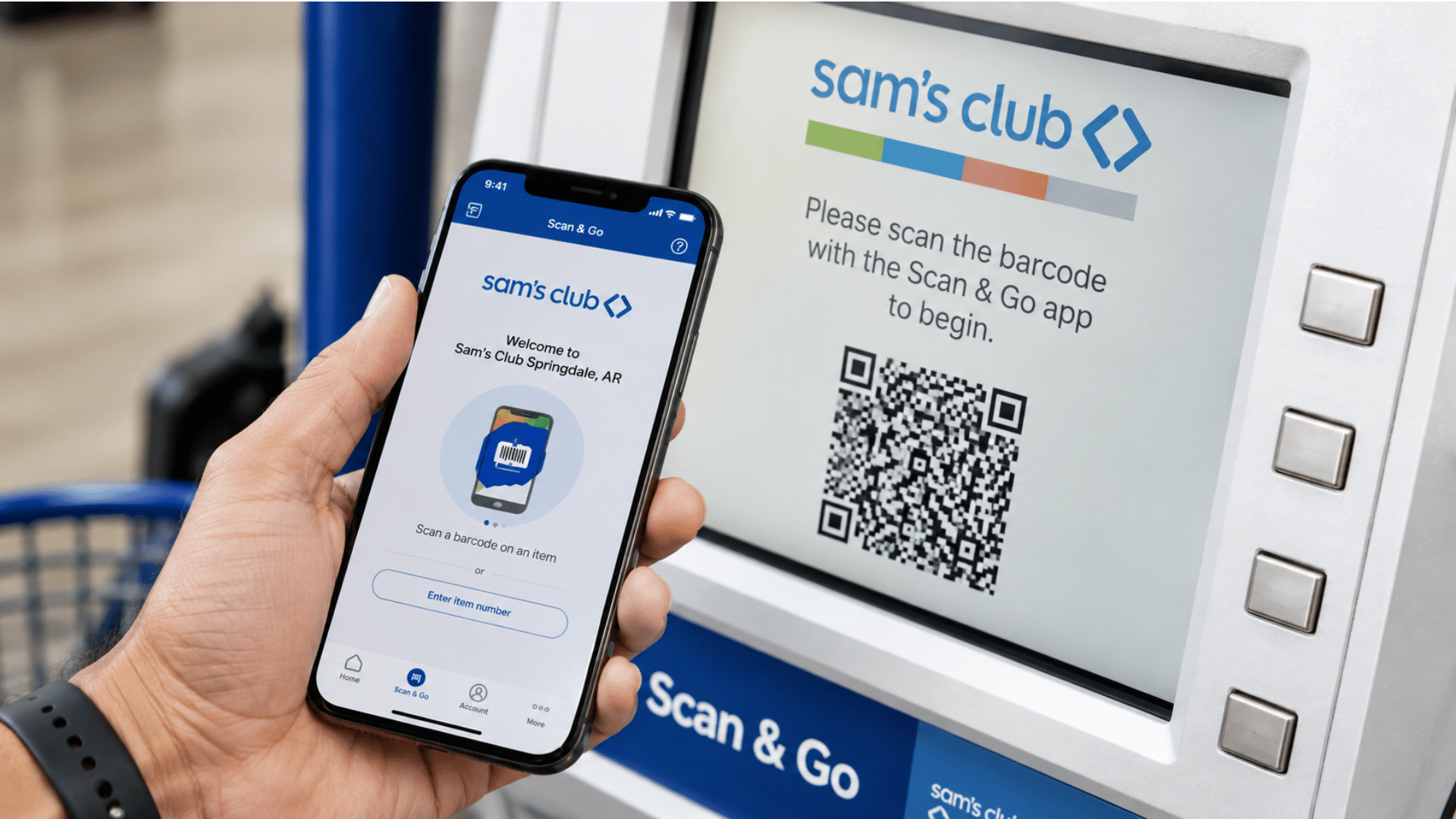
Perhaps the biggest functional shift is happening at checkout. Newer and remodeled Sam’s Club locations are reducing the number of traditional self-checkout stations in favor of pushing members toward Scan and Go, a feature within the Sam’s Club app that lets shoppers scan items as they shop and pay directly on their phone, skipping the checkout line entirely. The company has described its broader ambition as building toward a register-free shopping experience across its footprint. AI powered exit monitoring, introduced in 2024, works alongside this system as a way to verify purchases without requiring a traditional cashier interaction on the way out.
The Scale Behind This Transformation
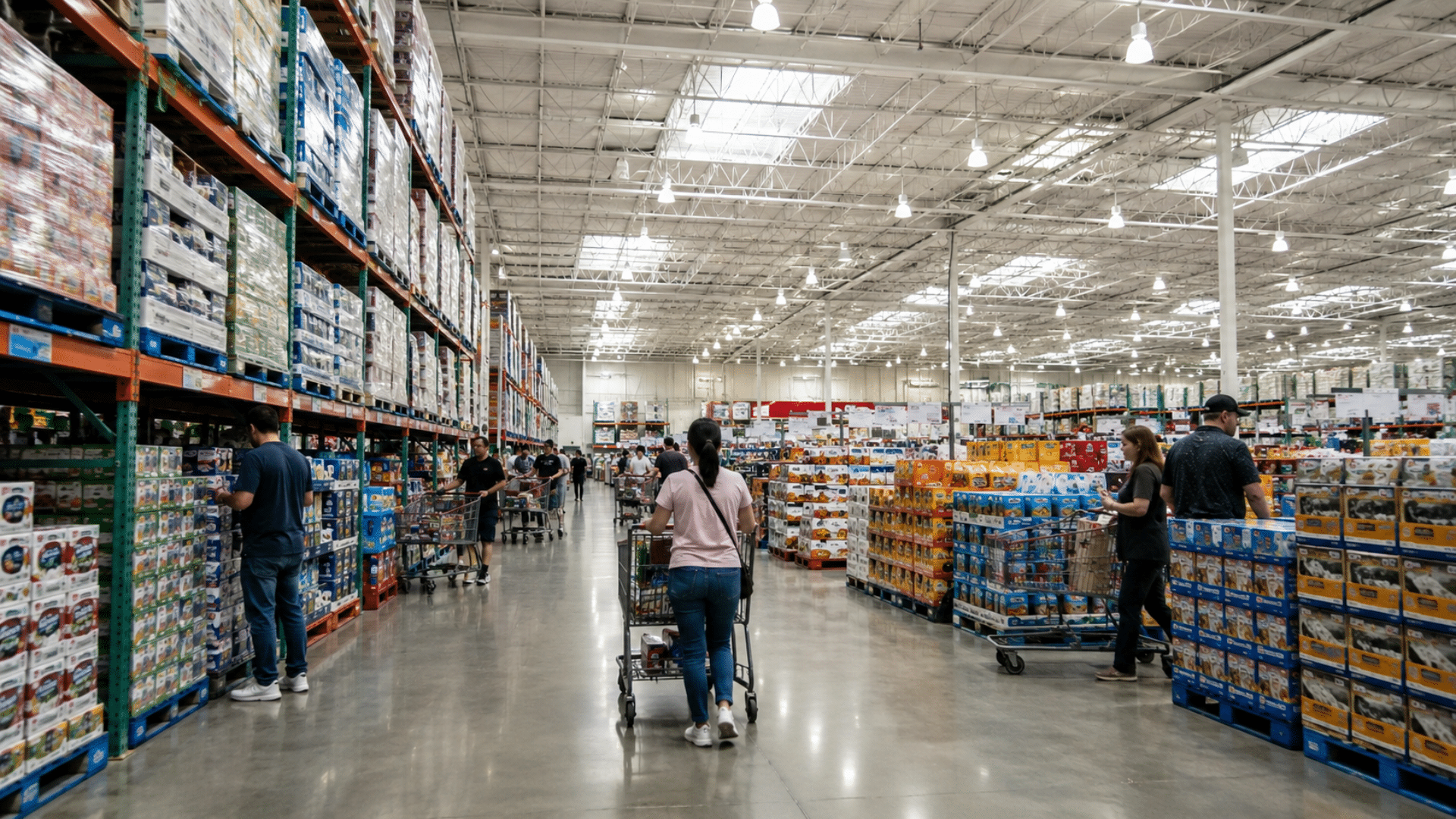
This rebrand is not coming from a company in financial trouble. Sam’s Club is a division of Walmart, and its most recent annual report put United States net sales at 90.2 billion dollars for fiscal year 2025. The chain currently operates more than 600 clubs across the United States and Puerto Rico. For context, rival Costco reported fiscal 2025 net sales of 269.9 billion dollars, a gap that reflects a real difference in scale and customer loyalty between the two chains. That competitive distance is widely seen as part of the motivation behind Sam’s Club’s aggressive push to modernize and differentiate itself.
More New Stores Are on the Way
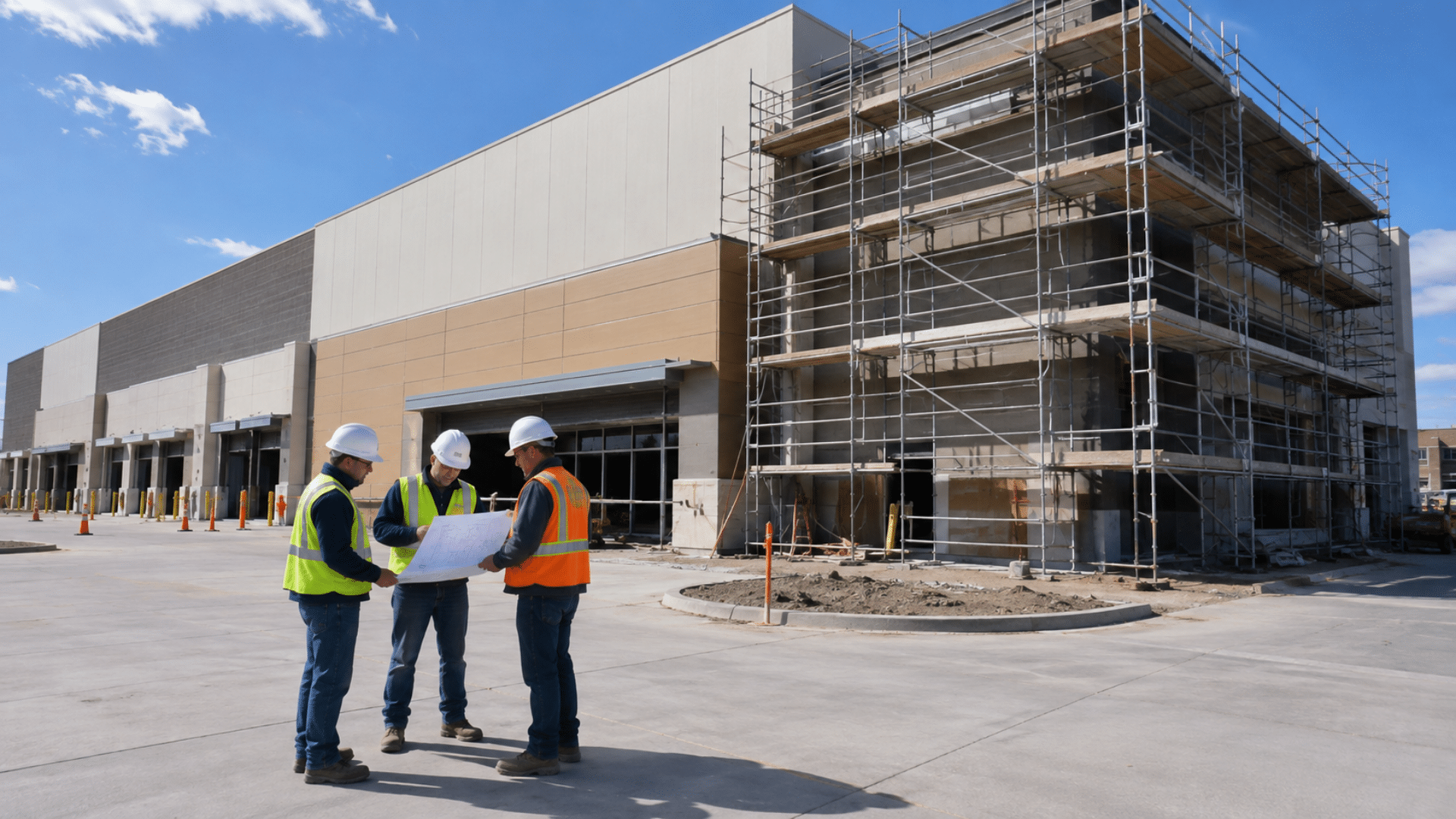
Beyond the Lebanon location, Sam’s Club has committed to an active multi year expansion plan. The company aims to open approximately 15 new clubs each year going forward, alongside remodeling all 600 of its existing locations to match the new branding and format over time. Additional stores featuring the updated design opened or are set to open in 2026 in cities including Visalia, California, and Tomball, Texas. Company leadership has described this rollout as one of the fastest and most scalable transformations happening in retail right now, with an eight to ten year goal of roughly doubling membership numbers and more than doubling sales and profit.
A Membership Price Increase Came With the Changes
Shoppers footing the bill for these upgrades will notice it on their membership card too. Starting May 1, 2026, Sam’s Club raised its basic annual membership fee by 10 dollars, bringing it to 60 dollars per year, while the higher tier Plus membership rose to 120 dollars annually. The timing lines up closely with the broader rollout of new stores and renovated locations, suggesting the fee increase is at least partly tied to funding the physical and digital investments underway. It is a familiar pattern in retail, where major infrastructure upgrades tend to eventually show up in what members pay to walk through the door.
What This Means the Next Time You Shop
Not every Sam’s Club will look like the Lebanon store anytime soon, since the rebrand is rolling out gradually through new builds and scheduled remodels rather than all at once. But the direction is clear. Sam’s Club is betting that modern design, expanded fresh food options, upgraded health services, and near-total register-free checkout will help it close the gap with larger rivals and appeal to a younger generation of shoppers. Members who have not visited a newly built or remodeled location yet may be surprised by how different the experience feels compared to the warehouse clubs many grew up shopping in.