San Francisco Slams Major Food Brands in Landmark Lawsuit Over Ultra-Processed Products
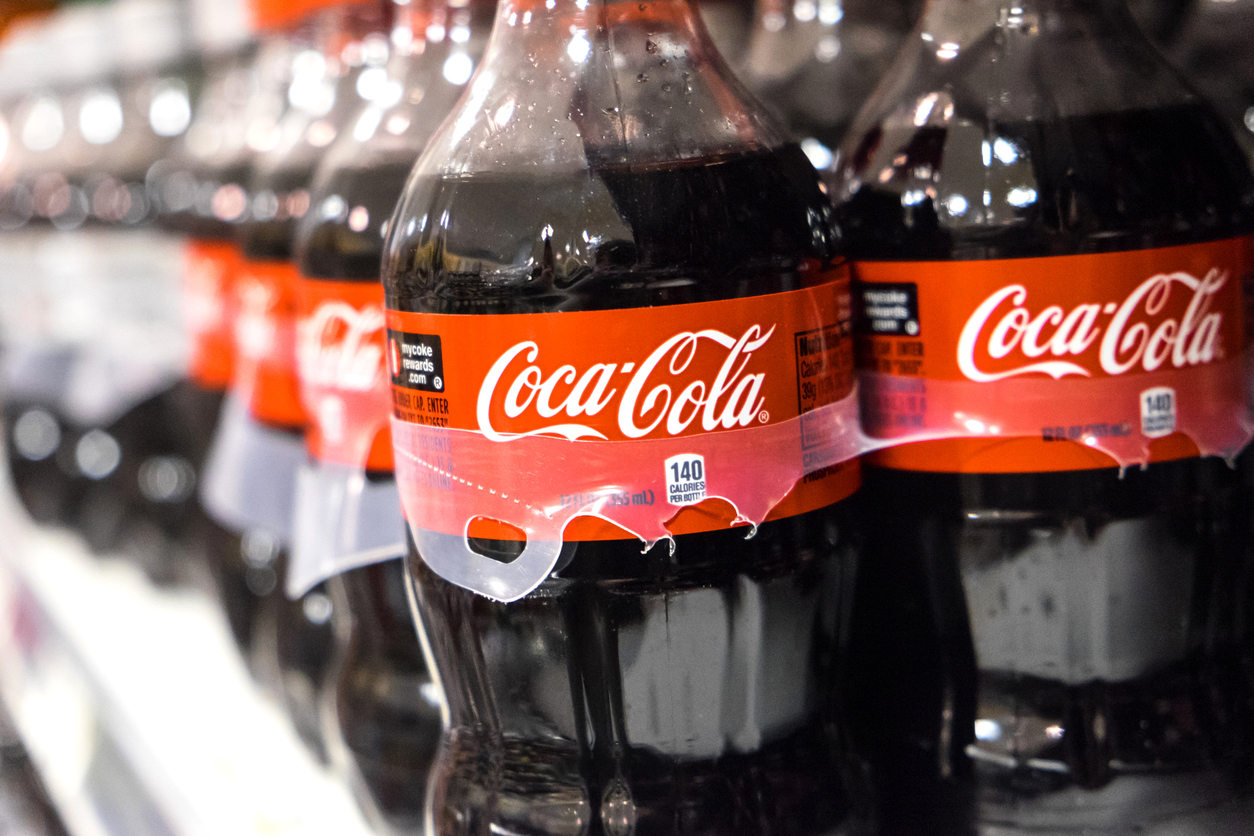

San Francisco has launched a sweeping lawsuit against some of the country’s biggest food manufacturers, accusing them of engineering ultra-processed products in ways that harm public health. The case marks the first time a U.S. city has directly challenged the industry’s role in shaping diets and contributing to chronic disease. Officials say the goal is simple: accountability, transparency, and a food system that doesn’t put profit ahead of people.
A First-of-Its-Kind Legal Battle
Filed in San Francisco Superior Court, the lawsuit names 10 major food manufacturers, including PepsiCo, Coca-Cola, Kraft Heinz, Nestlé, and General Mills. City Attorney David Chiu argues that companies designed products to be hyper-palatable and addictive, despite evidence of growing health consequences. The suit calls the issue a manufactured public-health crisis, pointing to rising chronic illness and ballooning healthcare costs across the country.
What Counts as Ultra-Processed Food?

The complaint defines ultra-processed foods as products built from fragmented ingredients, artificial additives, and industrial techniques like extrusion and molding. These items, ranging from sweetened drinks and processed meats to boxed meals and breakfast cereals, bear little resemblance to their original whole-food sources. Experts note that these foods don’t just contain added sugar or fat; the processing itself creates distinct health risks.
A Century-Long Shift in America’s Food Supply
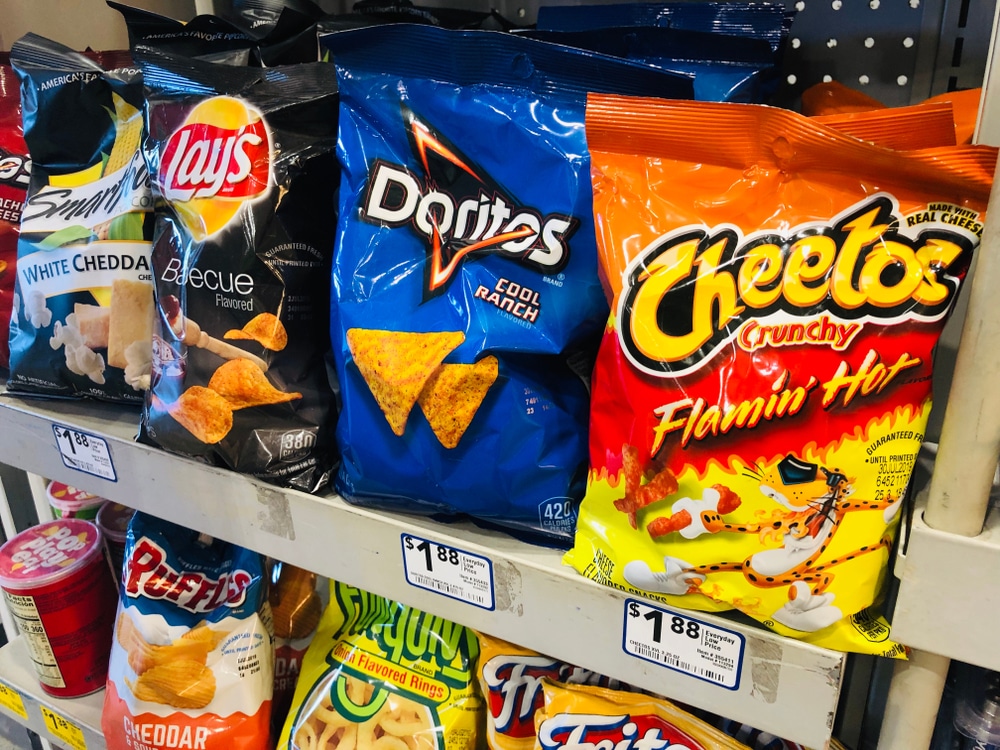
Ultra-processed foods have existed in some form since the early 20th century, but their mass adoption accelerated in the 1970s and 80s as food companies consolidated. Today, an estimated 70% of the U.S. food supply falls into the ultra-processed category. Despite the appearance of variety on grocery shelves, the city argues that consumers are often choosing between similar engineered products made by a handful of corporate giants.
Mounting Research on Health Risks

According to the lawsuit, ultra-processed foods are linked to obesity, type 2 diabetes, fatty liver disease, cardiovascular disease, colorectal cancer, and depression. Doctors and public health experts note that these conditions have risen in parallel with the growing dominance of these products in the American diet. The city argues that such alarming health impacts have led to soaring healthcare expenses at both the state and local levels.
Communities Disproportionately Affected

City officials highlight data showing that low-income communities and communities of color face higher exposure to ultra-processed foods due to targeted marketing. Studies cited in the lawsuit show Black and Latino children receive 70% more food ads for these products than white children. San Francisco reports significantly higher hospitalization and mortality rates from diabetes among its Black residents, linking these trends in part to food access and marketing practices.
Borrowing Big Tobacco’s Playbook
The lawsuit draws direct comparisons between the processed food industry and tobacco companies. In the 1960s, tobacco giants purchased major food brands, transferring knowledge of addiction and marketing into the food sector. Internal industry meetings, described in the complaint, revealed early warnings from company leaders that these products were contributing to nationwide health problems—warnings that went unheeded as profits continued to climb.
What the City Wants to Change

San Francisco is seeking financial penalties, restitution, and a court order requiring companies to change how they market and formulate their products. The city also hopes the lawsuit will help fund public health initiatives and ease the growing financial strain on state and local healthcare systems. City leaders frame the case as part of a larger shift toward long-term food policy reform.
Pushback from the Food Industry
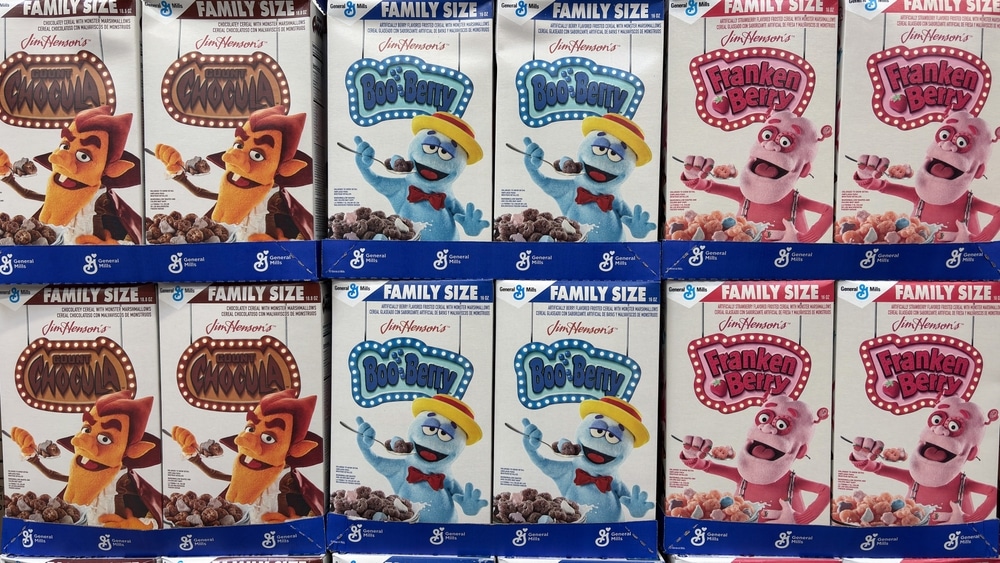
Representatives for major brands say the lawsuit misrepresents their practices and argue there is no universally accepted definition of “ultra-processed.” Industry groups insist their products meet FDA standards and point to ongoing reformulation efforts that lower sodium, sugar, and other additives. They claim the city’s complaint oversimplifies a complex dietary landscape and fails to acknowledge consumer choice.
A Public Health Debate With National Implications

International studies continue to examine how ultra-processed foods may affect health across multiple organ systems, including risks for chronic disease and early mortality. Researchers say these foods now make up more than half of the average diet in the U.S. and U.K., reshaping global eating habits and prompting calls for stronger regulation. While some scientists caution against assuming direct causation, the growing body of evidence has intensified calls for action.
Conclusion
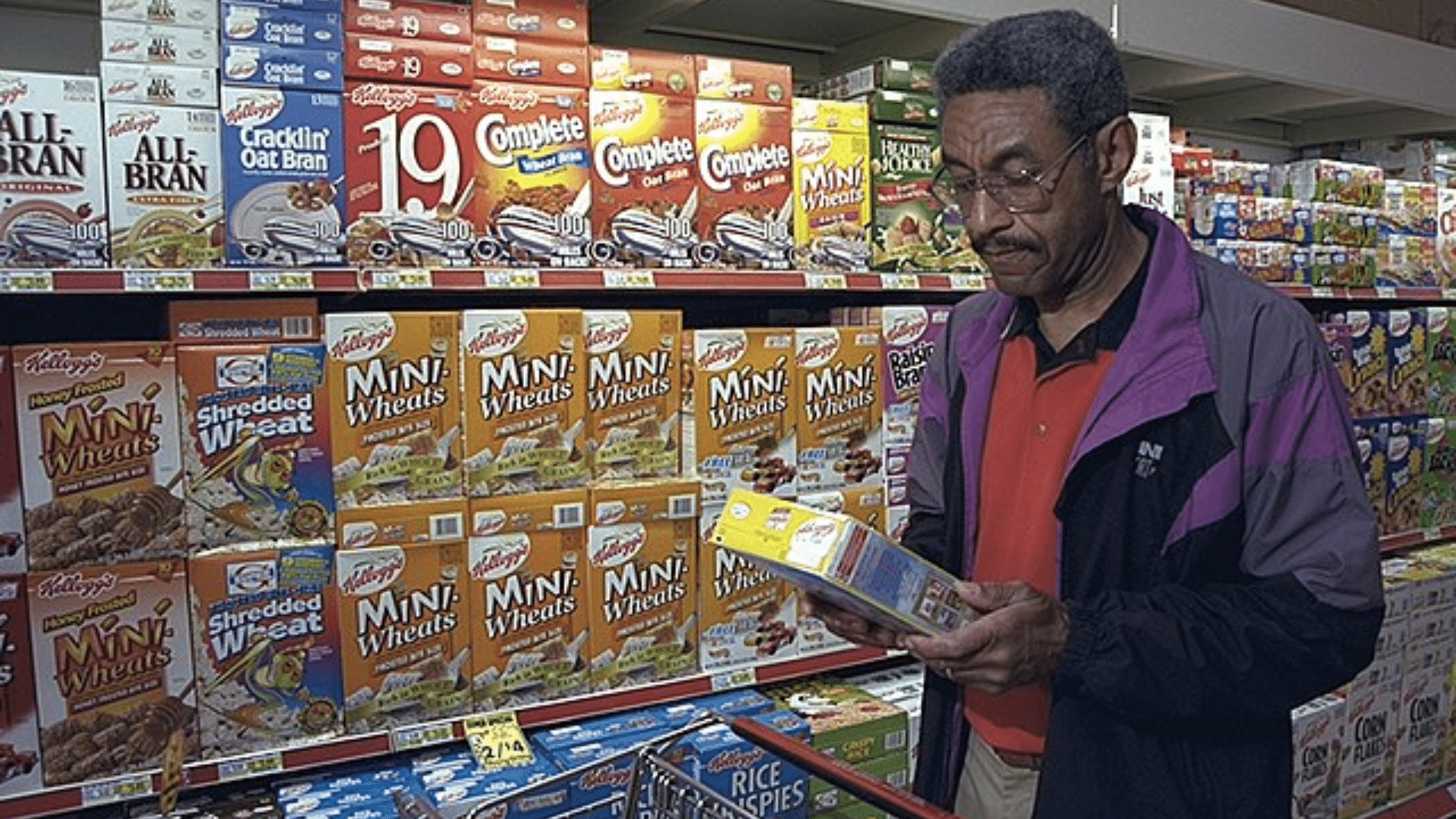
San Francisco’s lawsuit signals a turning point in how cities confront the health impacts of modern food systems. While the courts will ultimately decide the case, the conversation it sparks about transparency, marketing, and the true cost of convenience may prove even more influential. For many, the lawsuit marks the beginning of a larger reckoning with what Americans eat and how those choices are shaped long before reaching a grocery shelf.