This Sandwich Chain Costs Way Too Much Now According to Former Customers
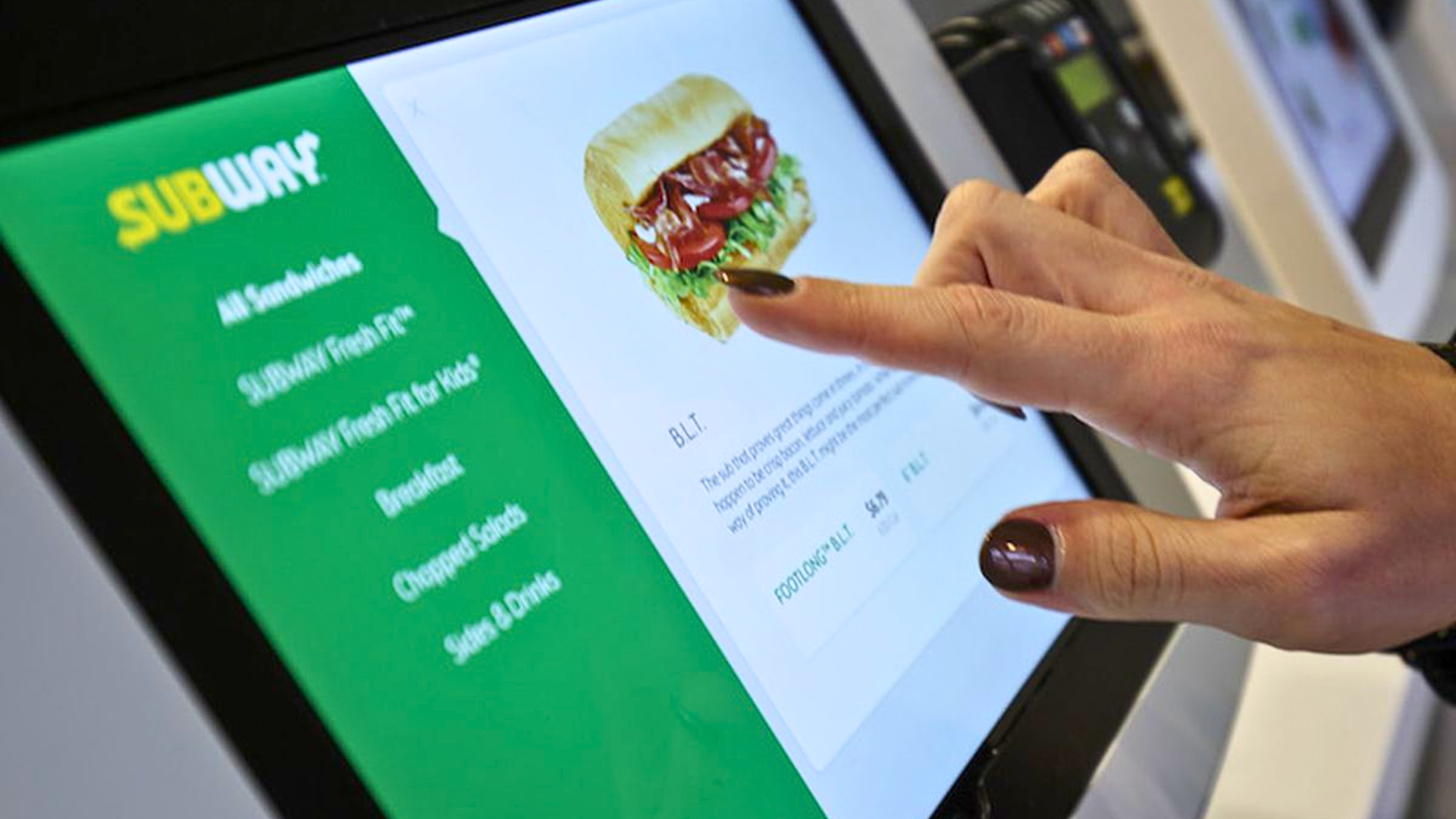

The cost of a quick lunch has reached a breaking point, and for many Americans, the era of the affordable sub is officially over. While most diners expect to pay a premium for a sit-down steak or a gourmet pizza, the sandwich has always been the reliable mainstay for the working person. It is the simple, functional meal meant to fill a stomach without emptying a wallet. However, a wave of social media ire has recently targeted Subway as former fans discover that their favorite value meal has transformed into a luxury expense. What started as a viral complaint on Reddit has snowballed into a national debate over the death of the affordable fast-food lunch.
The sticker shock is palpable. In a world where $5 footlongs were once a cultural staple, customers are now reporting bills that defy logic. One frustrated father recently shared that two meals for him and his daughter totaled an eye-watering $31. “Seriously… for tuna?” he asked in a viral thread that captured the national mood. While the chain once thrived on the image of being the cheapest healthy option, the $14 footlong has become a symbol of how far the brand has drifted from its roots. What happened next in the company’s pricing strategy would change the way fans view the green-and-yellow logo forever.
The transition from a recession-era bargain to a premium-priced sub has left a massive hole in the brand’s value proposition. Although a $14 price tag isn’t the standard everywhere, the middle-of-the-road Italian B.M.T. has seen its average price climb from $7 to nearly $11 in just a few short years. These hikes are being driven by a perfect storm of food inflation, rising labor costs, and a legacy of overexpansion that has left the chain vulnerable. The shivering skeleton of the value brand that arrived in the 2000s is now a bloated corporate entity struggling to keep its franchisees afloat.
The $5 Footlong Collapse
To understand why prices have soared, one must look at the ghost of the $5 footlong promotion. Launched in 2008 as a recession deal, the campaign was so successful it left a permanent price anchor in the minds of consumers. However, what most fans didn’t realize was that the deal was barely profitable even fifteen years ago. By 2016, a revolt from franchise owners effectively killed the promotion because they were losing money on every sub sold. Since 2020, the cost of food and labor in the restaurant industry has skyrocketed by over 35%, making the return of the $5 sub a mathematical impossibility.
The physical evidence of Subway’s struggle is visible in its store density. During the 2010s, the company overexpanded, often opening stores within blocks of each other. This created a cannibalization effect where franchisees were forced to compete with one another for the same neighborhood customers. This brutal competition thinned out profit margins so significantly that local owners had no choice but to raise prices just to pay the rent. The Wild West of unchecked expansion has come home to roost, leaving the consumer to foot the bill for the company’s aggressive growth strategy.
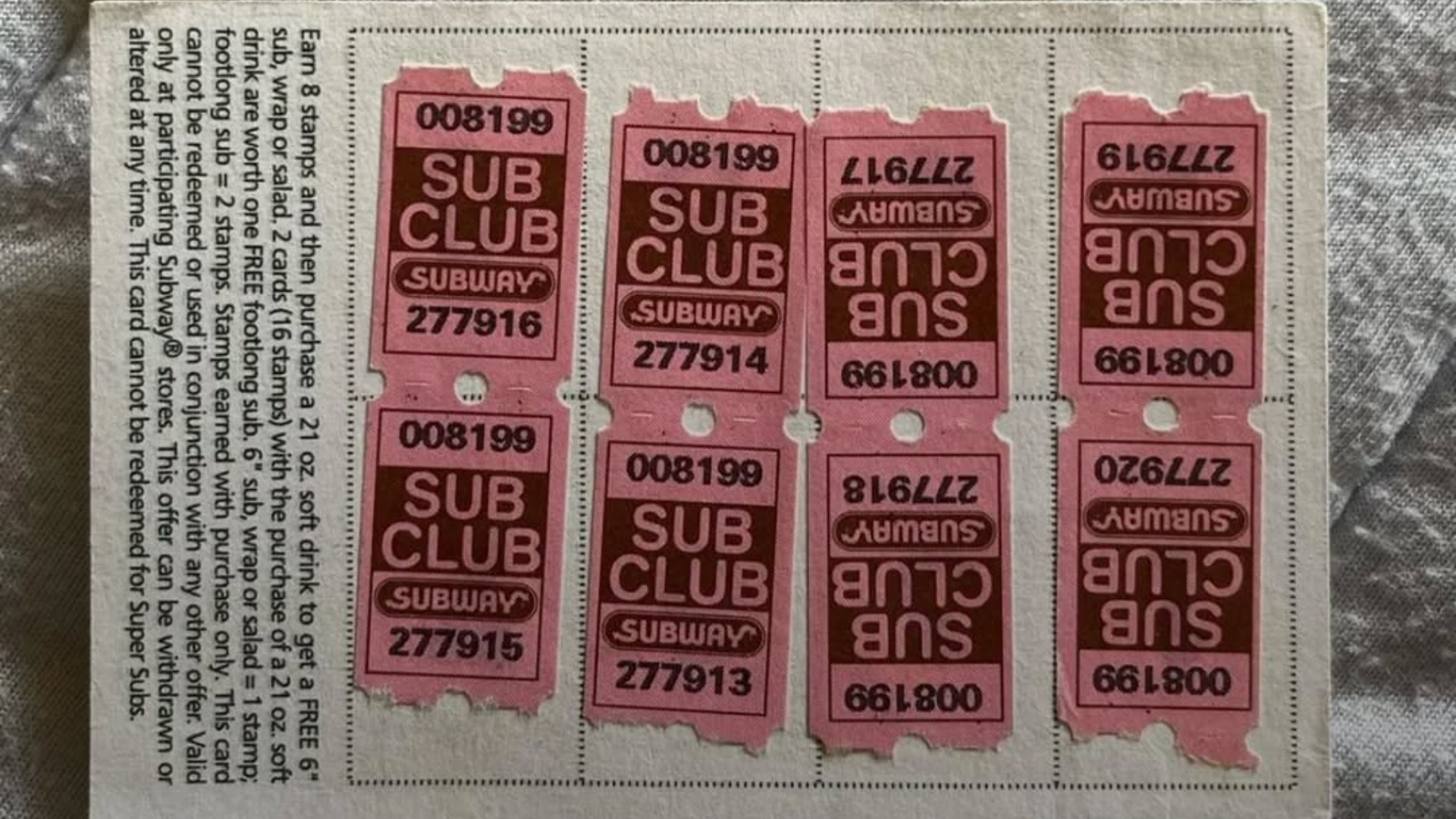
Despite the corporate chaos, there is a secret loophole for those still craving a sub. As of early 2026, the best deals have moved entirely away from the physical menu and onto the digital app. Members of the Sub Club can currently access a footlong for $6.99—a price that is actually cheaper than the original $5 deal when adjusted for inflation. However, this digital-only pricing creates a divide between tech-savvy shoppers and those who simply walk in off the street, further fueling the perception that the menu prices are out of control.
Why This Changes Fast Food
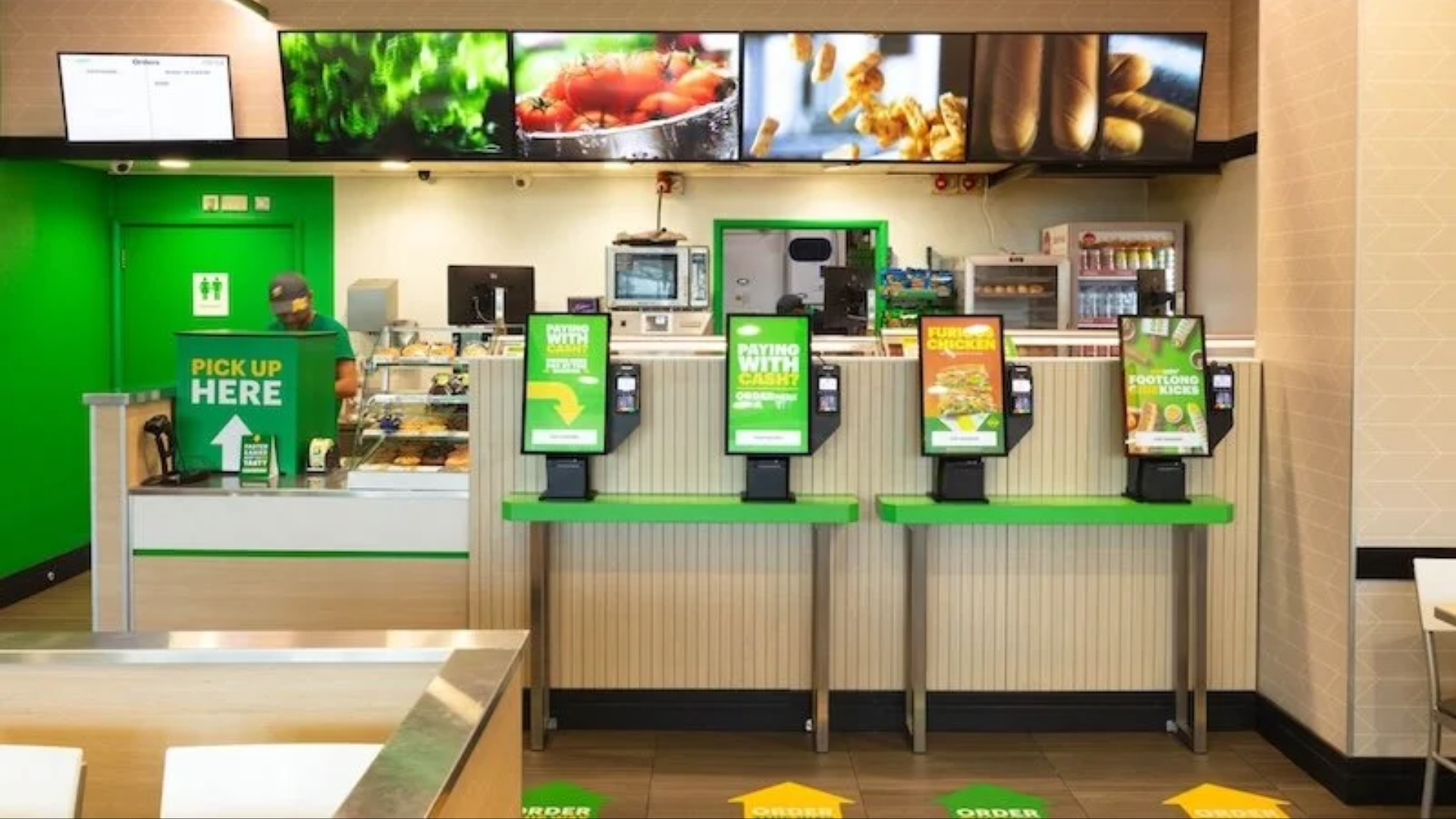
The pivot away from physical menu value marks a massive shift in how the fast-food industry operates. Subway is no longer just a sandwich shop; it is a tech-driven platform where the real price is hidden behind a download button. This move is worrisome for many because it signals the end of transparent pricing for the average diner. As Subway aligns its prices with the industry average of a 33% increase since the pandemic, the quality of the product hasn’t necessarily kept pace. Fans are starting to ask if a $14 sandwich made behind a counter is still a deal compared to a sit-down bistro.
The larger implications connect to the death of the affordable lunch hour. For decades, the sub was the reliable, healthy alternative to burgers and fries. If the healthy option becomes the most expensive one, it pushes consumers back toward cheaper, more processed alternatives. This reflects a broader pattern in the 2026 economy where functional foods are being priced as luxuries, creating a new form of food bankruptcy for the working class. The Mamos of the corporate world have watched glaciers of profit melt, but the Younger Brother—the consumer—is the one feeling the cold.
Widen your scope, and the impact on franchisees becomes even more complex. These local owners are caught between a corporate headquarters demanding discounts and a market where bread, meat, and electricity costs are at record highs. If the $6.99 app deal remains the only way to drive traffic, many small-business owners fear they won’t survive the year. The Body of the Brand is in a state of organ failure as the disconnect between corporate marketing and the reality of the shop floor continues to grow.
The Question of the $7 Sub Survival
The National Restaurant Association is now facing a landscape where value is a moving target. As we move further into 2026, the question is whether Subway can reclaim its image as a mainstay of the working-class diet. The company is betting heavily on its digital loyalty programs to bridge the gap, but the return to urgency is clear. If they cannot convince the public that their sandwiches are worth the premium, they risk becoming a relic of a past era when lunch didn’t require a financial plan.
The sticker shock is more than just a complaint; it is a final statement on the end of the recession-era bargain. For many former fans, the magic of the Subway experience has been replaced by a calculator. As more customers coyote down their meals in a rush to find value elsewhere, the brand must decide if it wants to be a premium deli or return to its roots as a community sub shop. The era of the unrestricted cheap sub has ended, and the next page will be written in the app store.
Ultimately, the Subway pricing saga proves that some things are worth the wait, and some things are just too expensive. Whether it is a $14 tuna sub or a $7 app bargain, the future of the sandwich is being decided in the pockets of the American worker. As the Heart of the Menu continues to beat at a higher price, we may have to accept that the $5 footlong has officially entered the history books, right next to the original Declaration of Independence.

