Scientists Baked Sourdough With Yeast Found on a 5,300-Year-Old Ice Man Mummy. Their Review? ‘Very, Very Good’
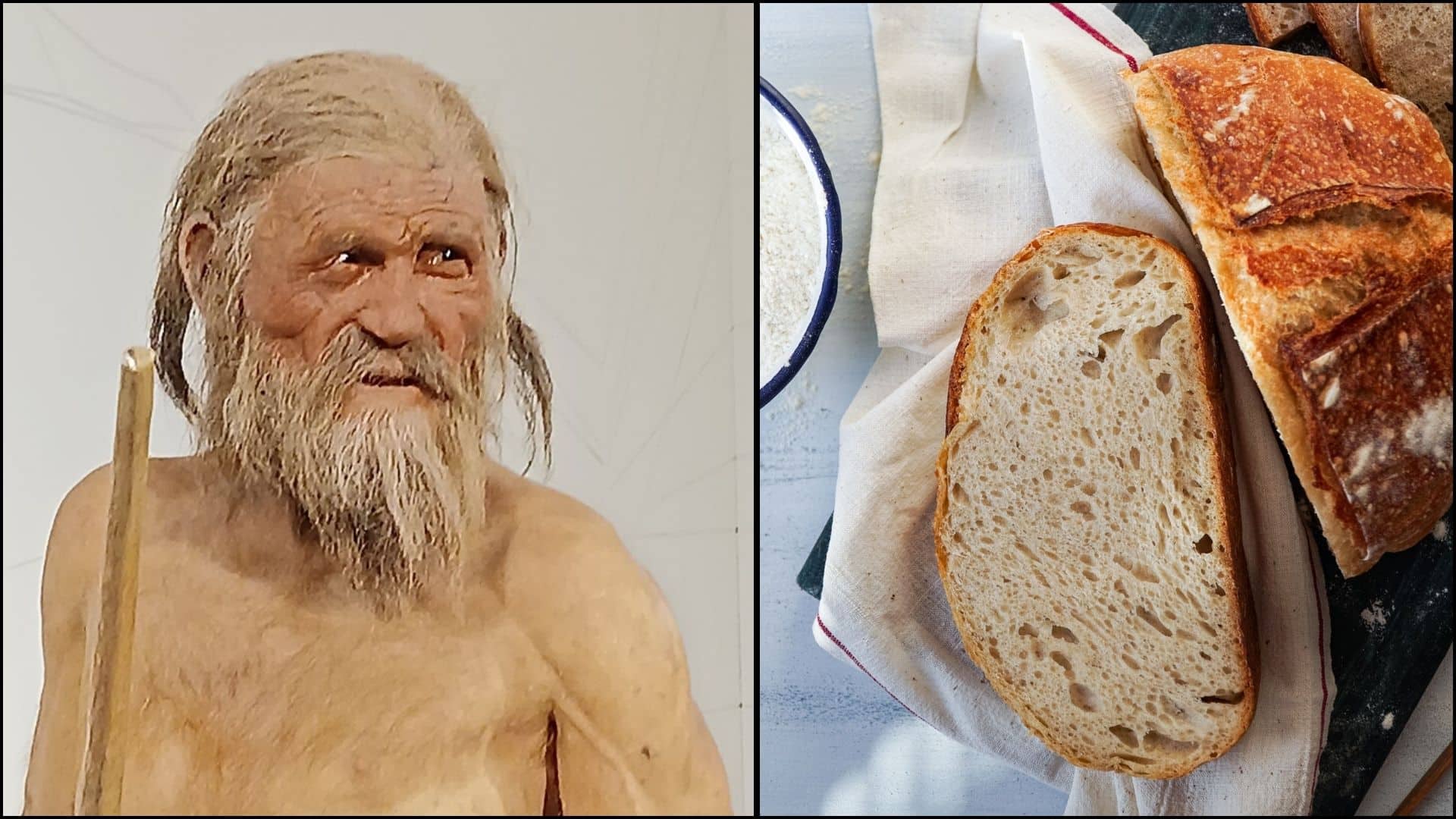

Most sourdough starters begin with flour and water. This one began with a frozen mummy. Scientists studying Ötzi the Iceman, a remarkably preserved man who died more than 5,300 years ago in the Alps, discovered ancient cold-loving yeast living on and inside his remains. After months of experiments, researchers successfully used that yeast to make sourdough bread, creating one of the most unusual baking stories ever linked to archaeology.
Who Was Ötzi The Iceman?
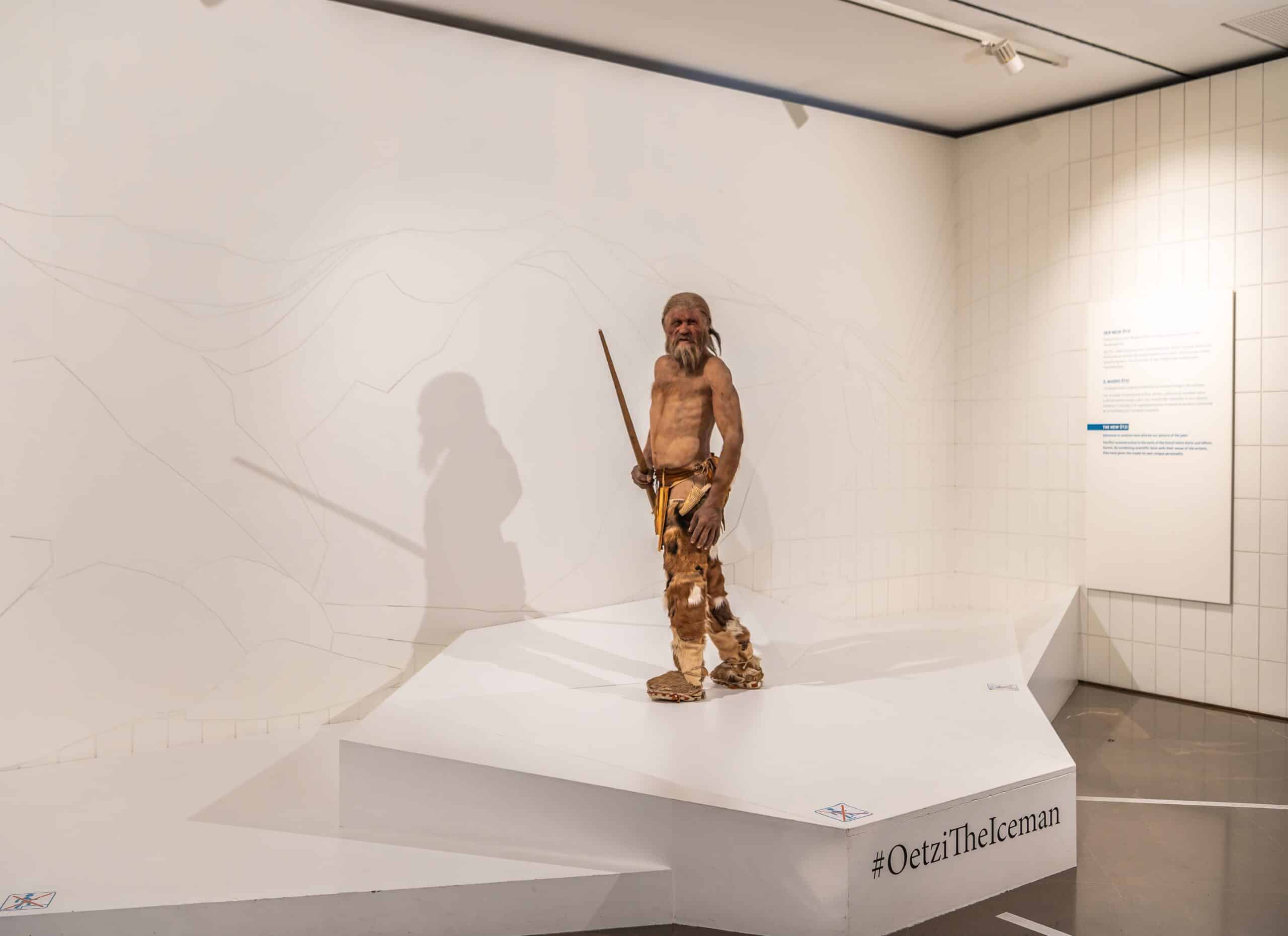
Ötzi was discovered by hikers in the Ötztal Alps along the modern border between Italy and Austria in 1991. Preserved by glacier ice, he became one of the most important archaeological discoveries of the twentieth century. Researchers have spent decades studying his body, revealing details about his final meals, health, tattoos, ancestry, and the violent death that likely came from an arrow wound.
A Mummy That Refused To Stay Biologically Silent
Researchers from Eurac Research’s Institute for Mummy Studies wanted to understand the microbial communities living on and around Ötzi’s body. In 2019, they temporarily thawed portions of the mummy and collected samples from meltwater, exposed tissues, surrounding soil, and preservation environments. What they found challenged the idea that ancient remains are completely inactive. Instead, the body appeared to host a surprisingly complex ecosystem of microorganisms.
The Discovery Of Ancient Cold-Loving Yeast
Among the microbes were four strains of yeast adapted to extremely cold environments. Genetic evidence suggested these yeasts likely colonized Ötzi’s remains shortly after his death thousands of years ago. One strain, known as Glaciozyma, appeared to have become increasingly dominant over time. Scientists believe these organisms either survived for millennia in frozen conditions or descended from the original microbial colonizers.
Bringing Ancient Microbes Back To Life
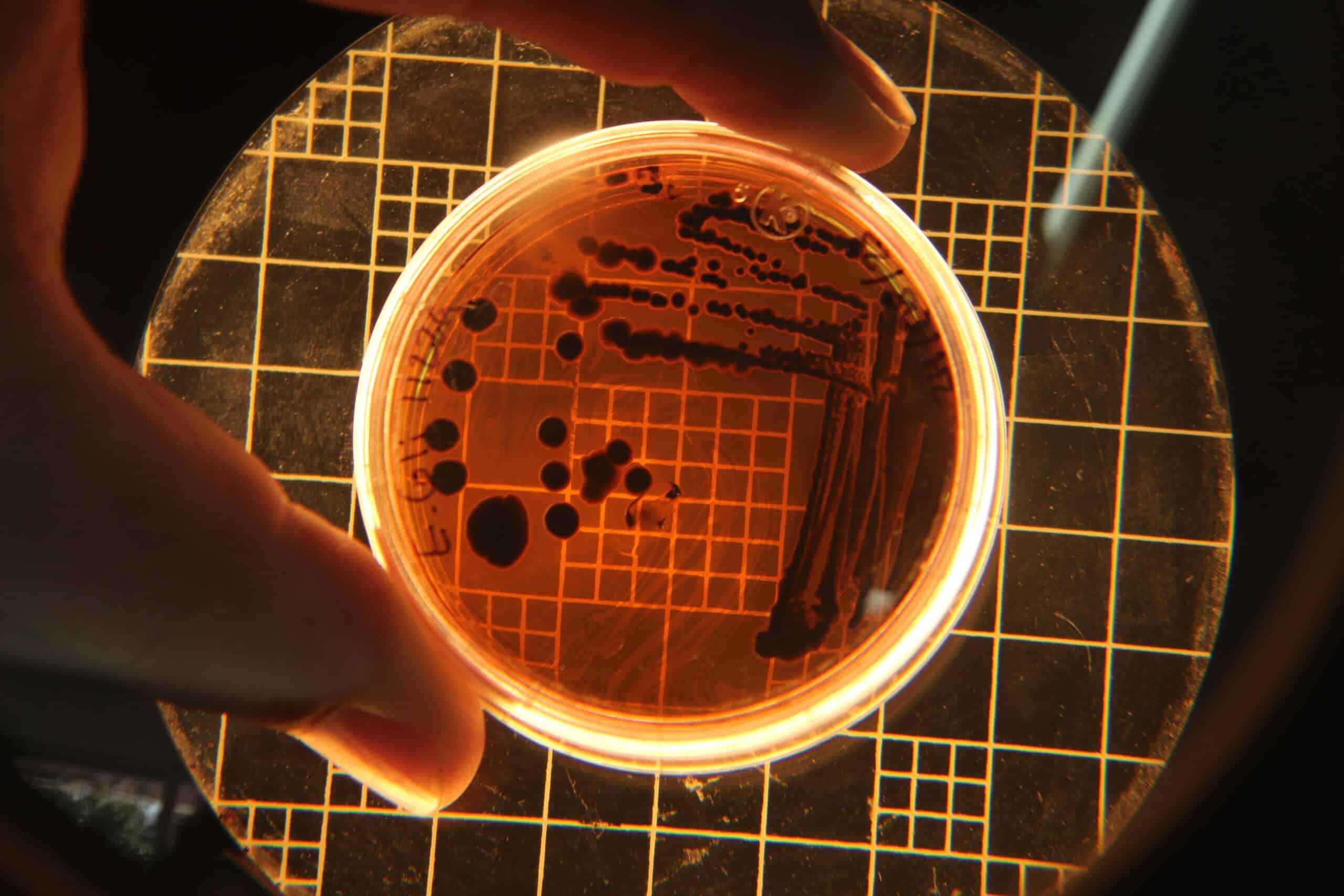
The research team successfully cultivated the yeast under laboratory conditions. That achievement alone was significant because it demonstrated that microorganisms associated with Ötzi’s preservation could still be studied in detail. The findings also raised broader questions about how microbes survive in extreme environments and how they interact with archaeological remains over long periods of time.
Turning A Scientific Curiosity Into Bread
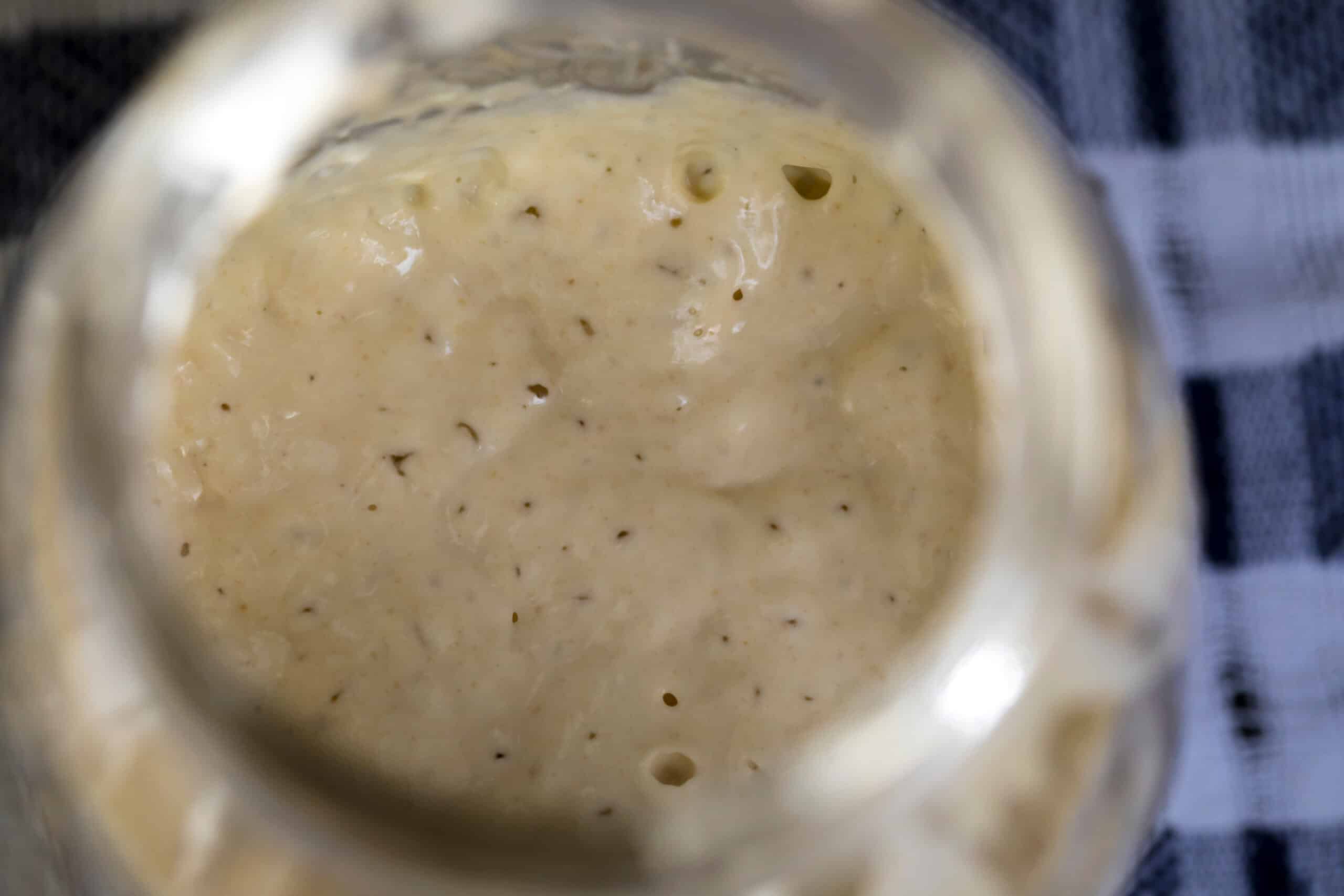
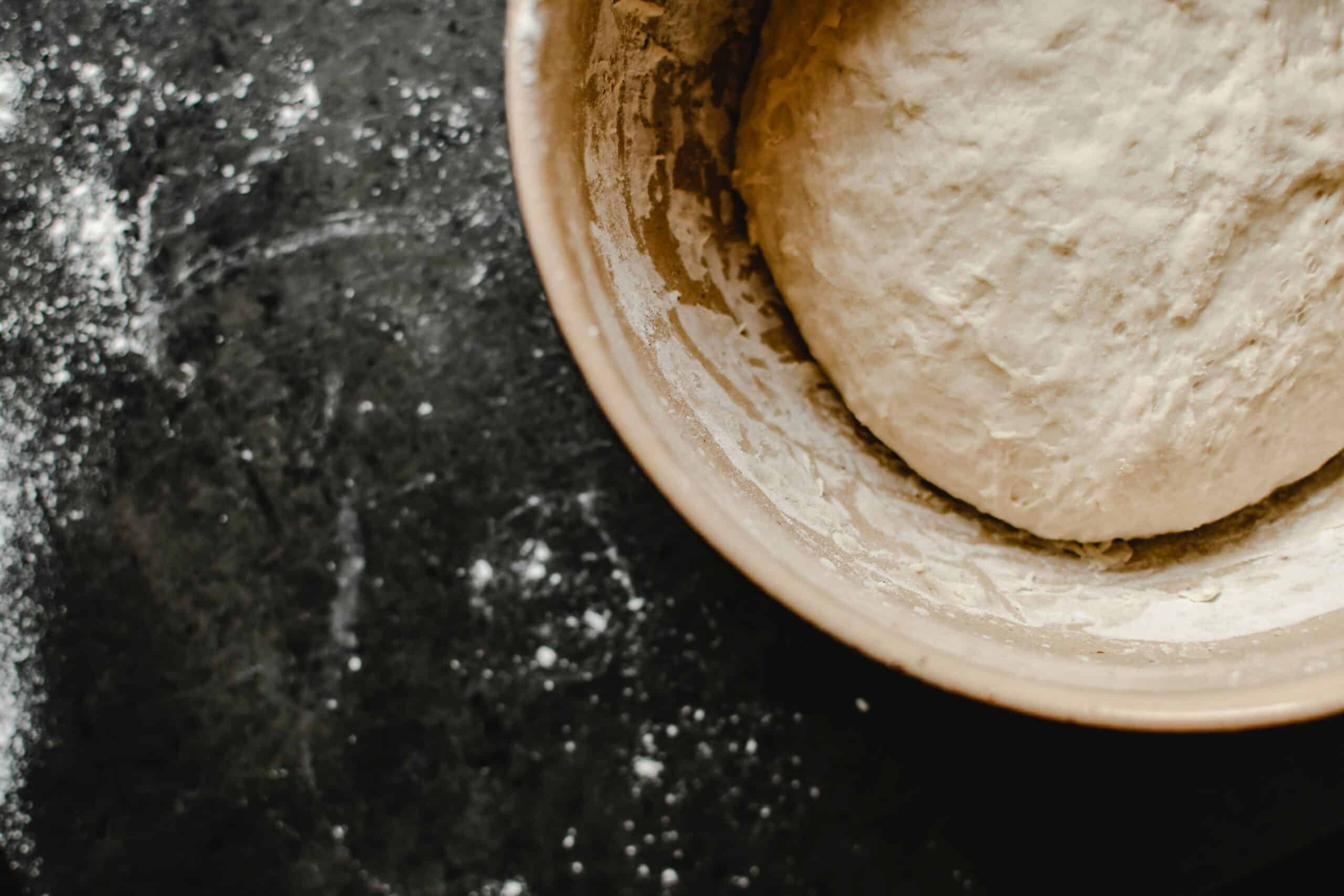
Once researchers realized they had viable yeast, an obvious question emerged: could it bake bread? The answer was not immediate. Early attempts failed, and the team spent roughly three months refining the process. Eventually, the ancient yeast produced a fully functioning sourdough starter capable of creating dough that behaved much like dough made with modern yeast.
The Verdict: ‘Very, Very Good’
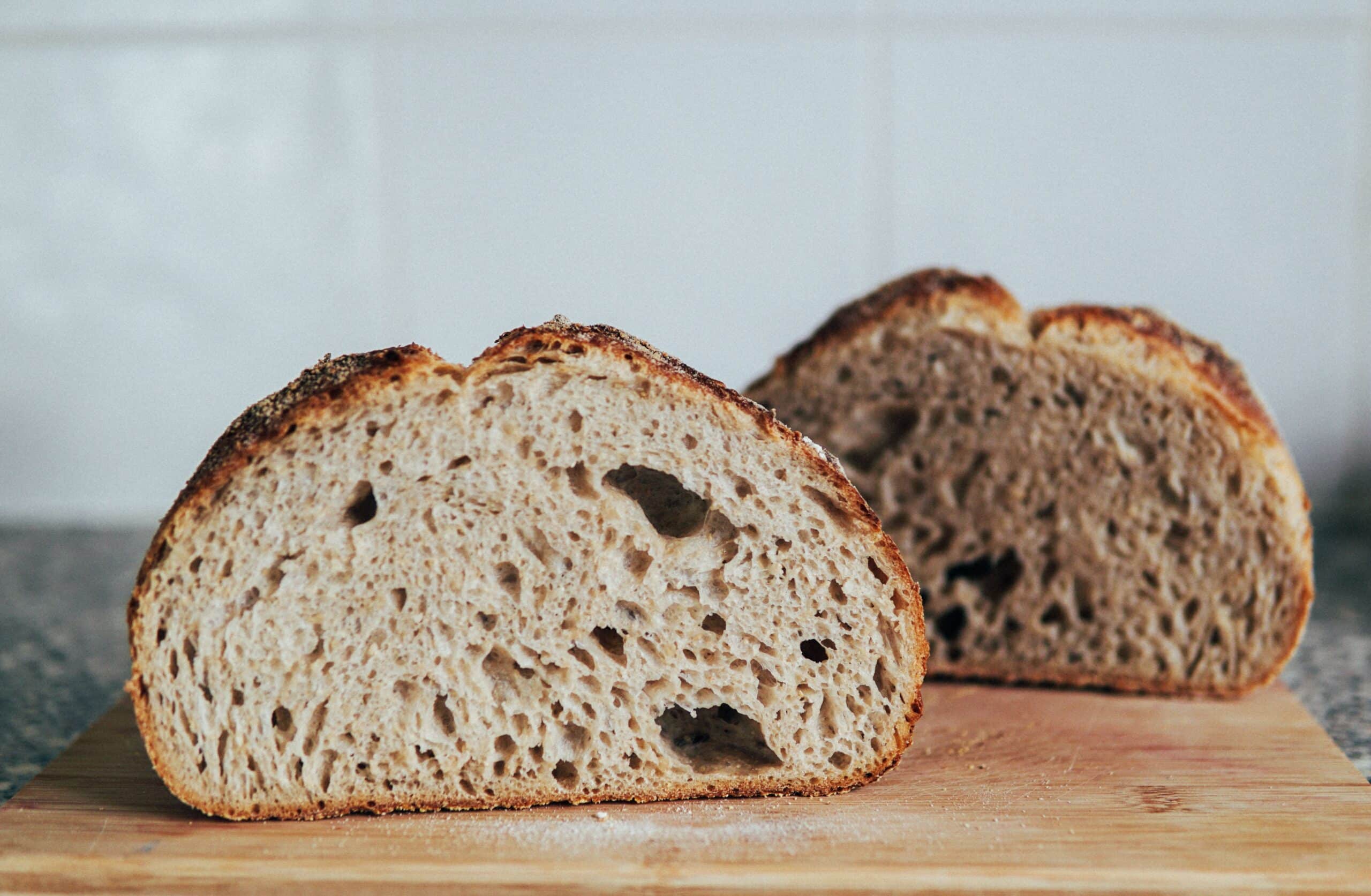
Lead researcher Mohamed Sarhan described the result with unusual enthusiasm for a scientific study. After repeated testing, the team produced what he called a “very, very good sourdough.” Sarhan noted that the dough rose normally within about 24 hours and behaved similarly to conventional baking yeast. While he joked that his own baking skills left room for improvement, the yeast itself appeared highly capable.
Bread May Only Be The Beginning

The researchers are already considering additional applications. Beer brewing is reportedly high on the list of future experiments, and discussions have already taken place with brewing experts. Scientists also believe cold-active yeasts could have commercial value because they can ferment at lower temperatures, potentially reducing energy use during food production and transportation.
What The Study Revealed About Ancient Human Life
The bread-making experiment attracted headlines, but researchers say the microbiome findings may be even more important. Ötzi’s gut contained microbial signatures rarely seen in modern industrialized populations. Some of these microorganisms are more commonly found today among traditional communities with diets and lifestyles very different from those in developed countries. The findings provide a rare glimpse into what human microbial ecosystems may have looked like thousands of years ago.
Where Ancient History Meets Modern Innovation
Scientists still do not know whether the microbes living on Ötzi’s remains pose any threat to his preservation, and further study is planned. Yet the project demonstrates how archaeological discoveries can produce unexpected scientific insights long after excavation. A man who died before the pyramids were built is now helping researchers study microbial survival, food science, and fermentation. More than 5,000 years after his death, Ötzi is still contributing something new to the world.