Scientists Develop Live and Edible Material That Could Replace Plastic
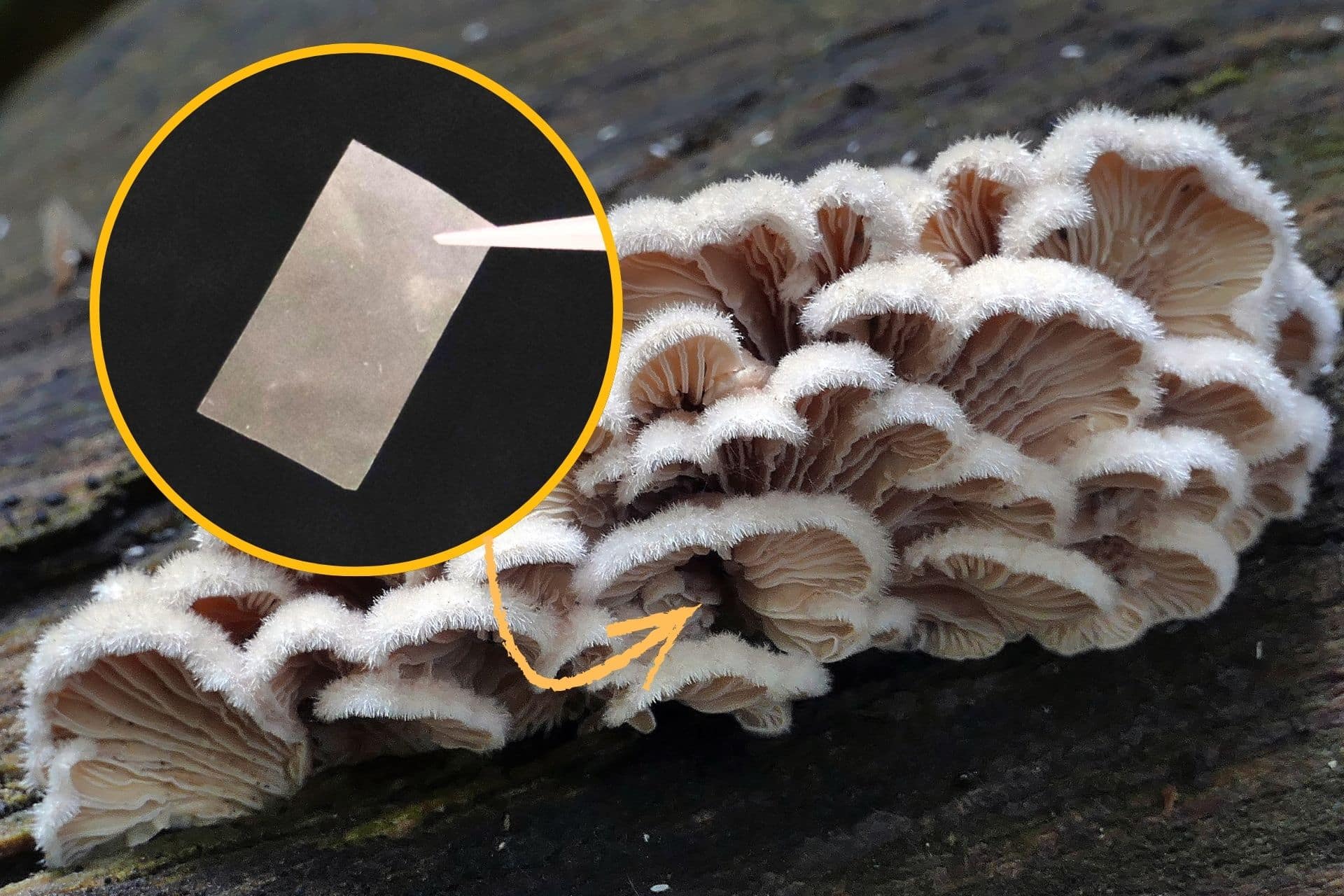

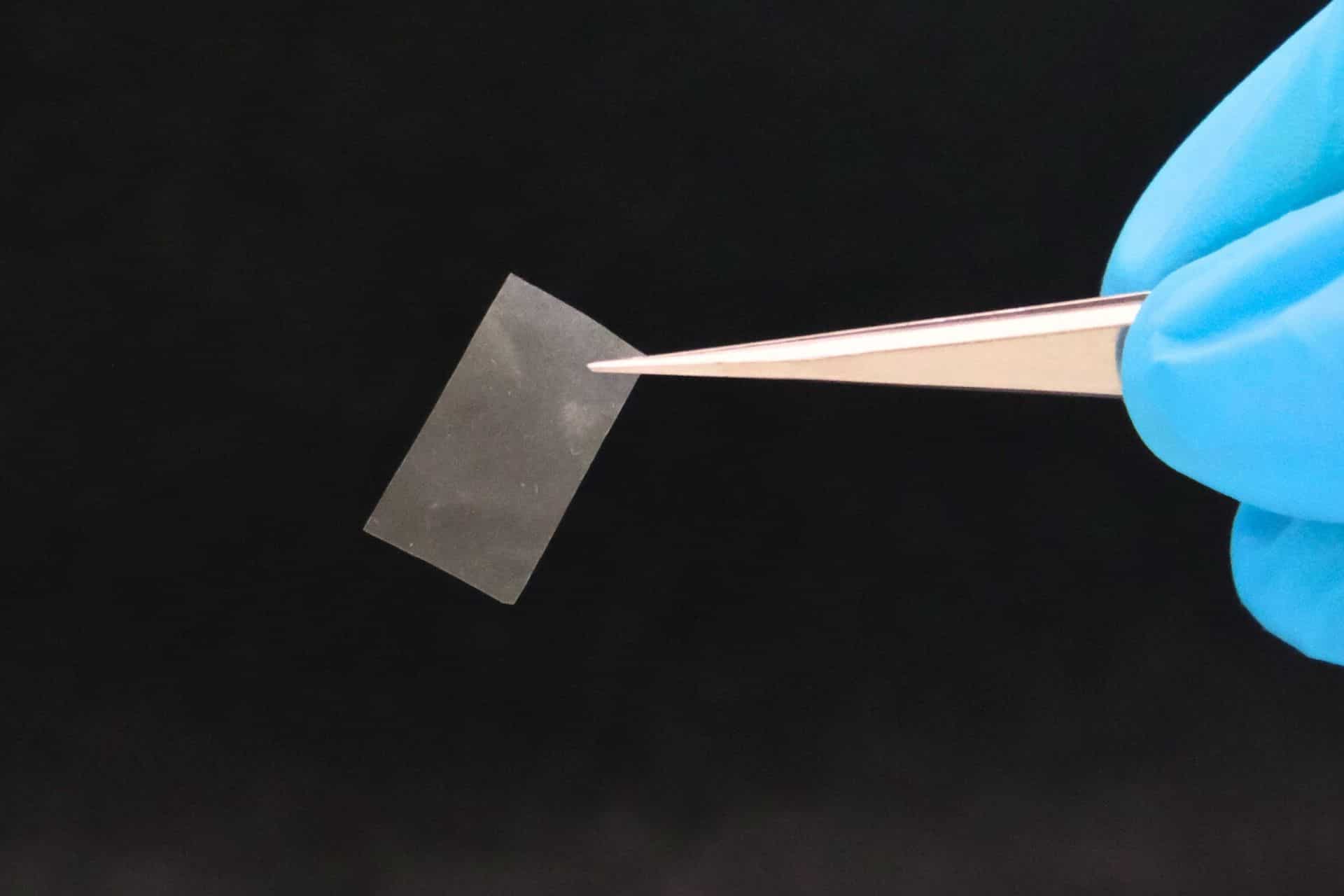
Scientists may have found an unexpected answer to one of the world’s biggest pollution problems. Researchers have developed a new plastic-like material that is biodegradable, edible, and even alive. Made from mushroom fungi, the innovation could one day replace certain single-use plastics without leaving lasting environmental damage.
The Material Comes From Mushrooms
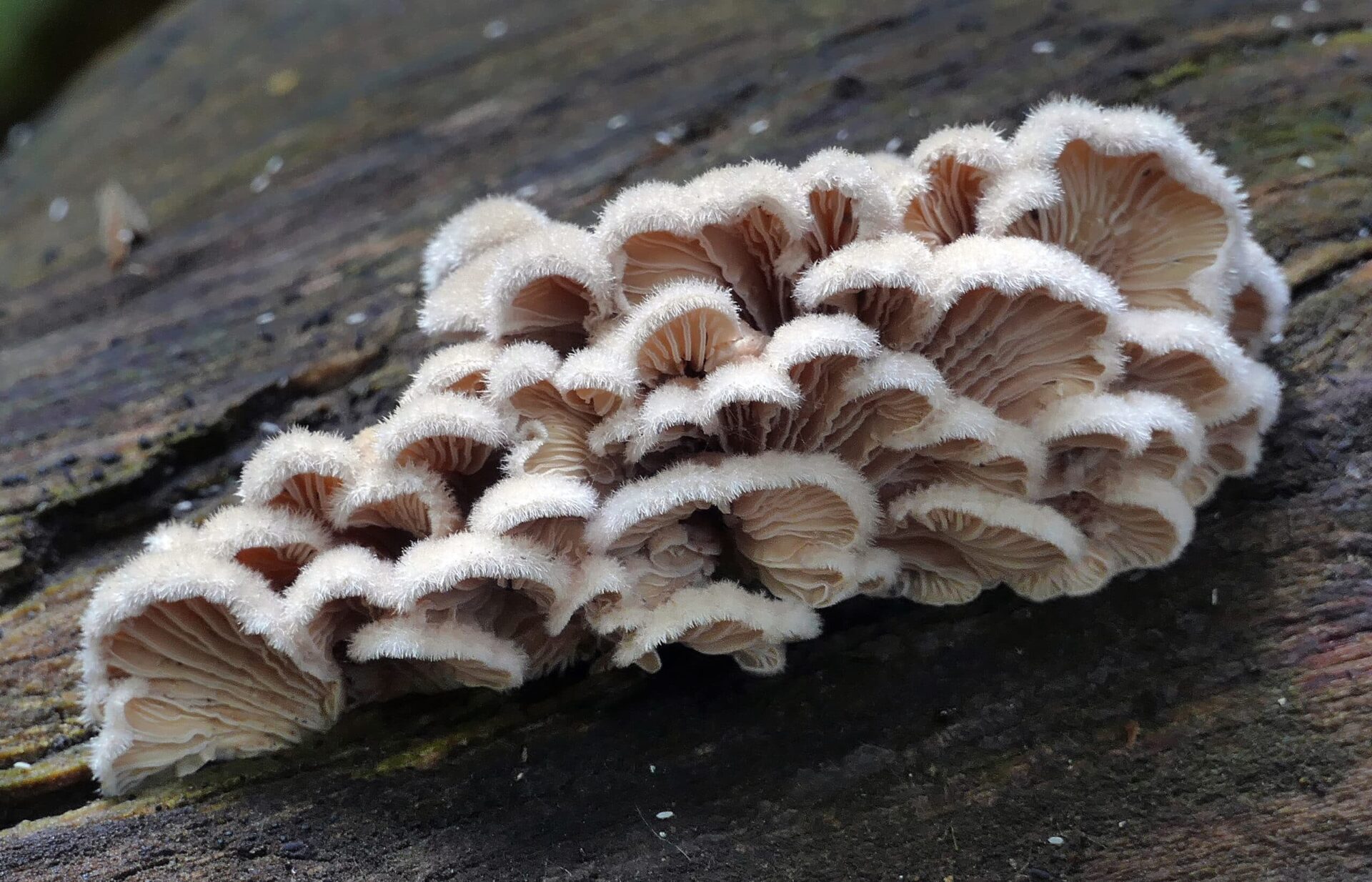
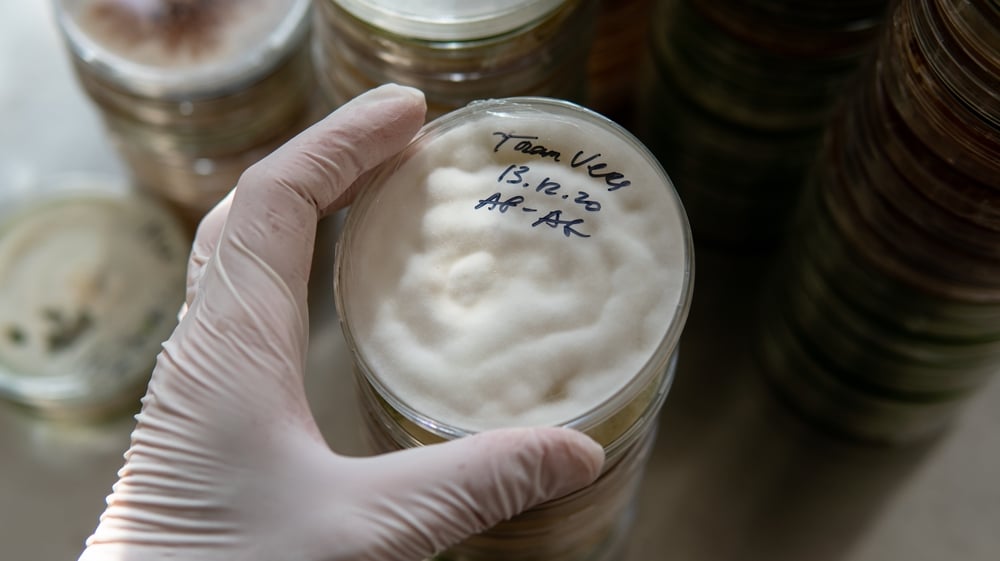
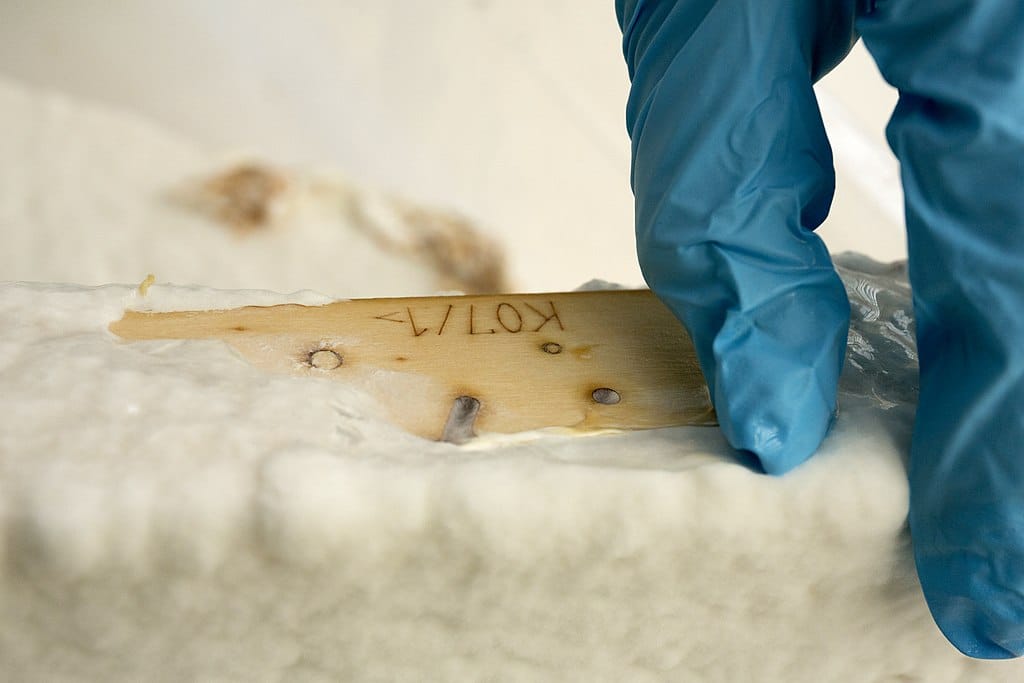
The breakthrough centers on the split-gill mushroom (Schizophyllum commune), an edible fungus found worldwide. Scientists at the Swiss Federal Laboratories for Materials Science and Technology, known as Empa, used the mushroom’s mycelium—the root-like network that helps fungi grow—to form a flexible, plastic-like substance. Unlike most biomaterials, the mycelium remains alive throughout processing.
Why Keeping It Alive Matters
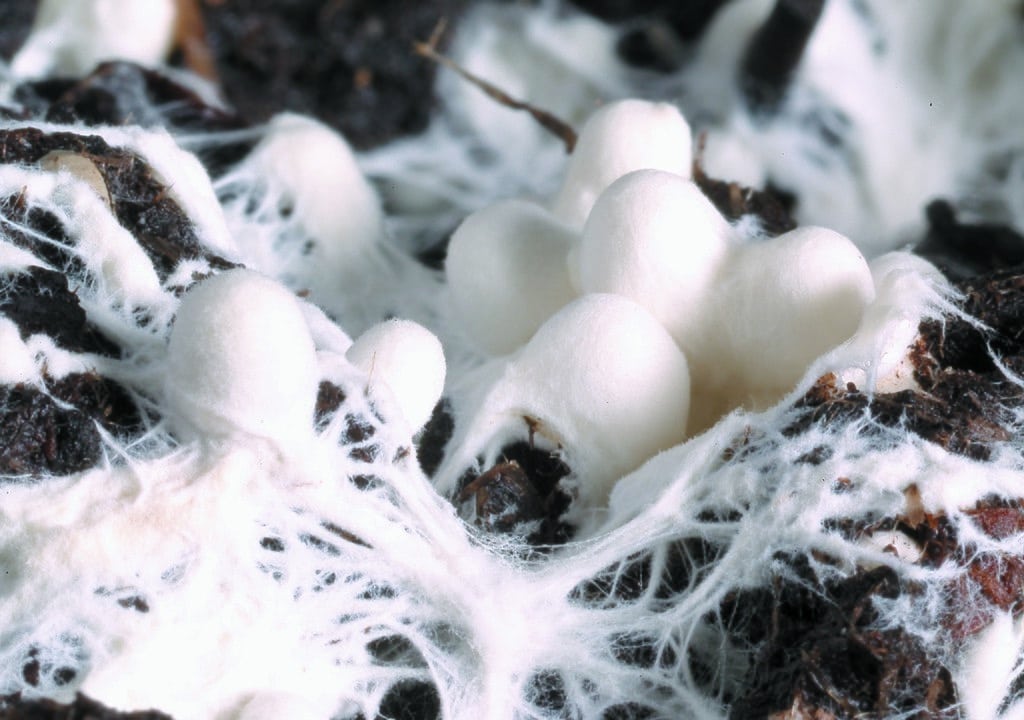
Most mycelium-based materials are sterilized before use, which strips away many natural functions. Empa researchers took a different approach, preserving the fungus’s extracellular matrix, a biological mesh it naturally produces for structure and protection. This matrix gives the material strength, flexibility, and self-stabilizing properties without chemical processing.
The Science Behind Its Strength
The living material produces two key molecules: schizophyllan, a long-chain polysaccharide, and hydrophobin, a protein that helps bind water and oil. Together, they create a natural fiber composite that can be molded into thin films or gels. Researchers say this combination allows the material to compete with conventional plastics in durability while remaining biodegradable.
Safe Enough to Eat
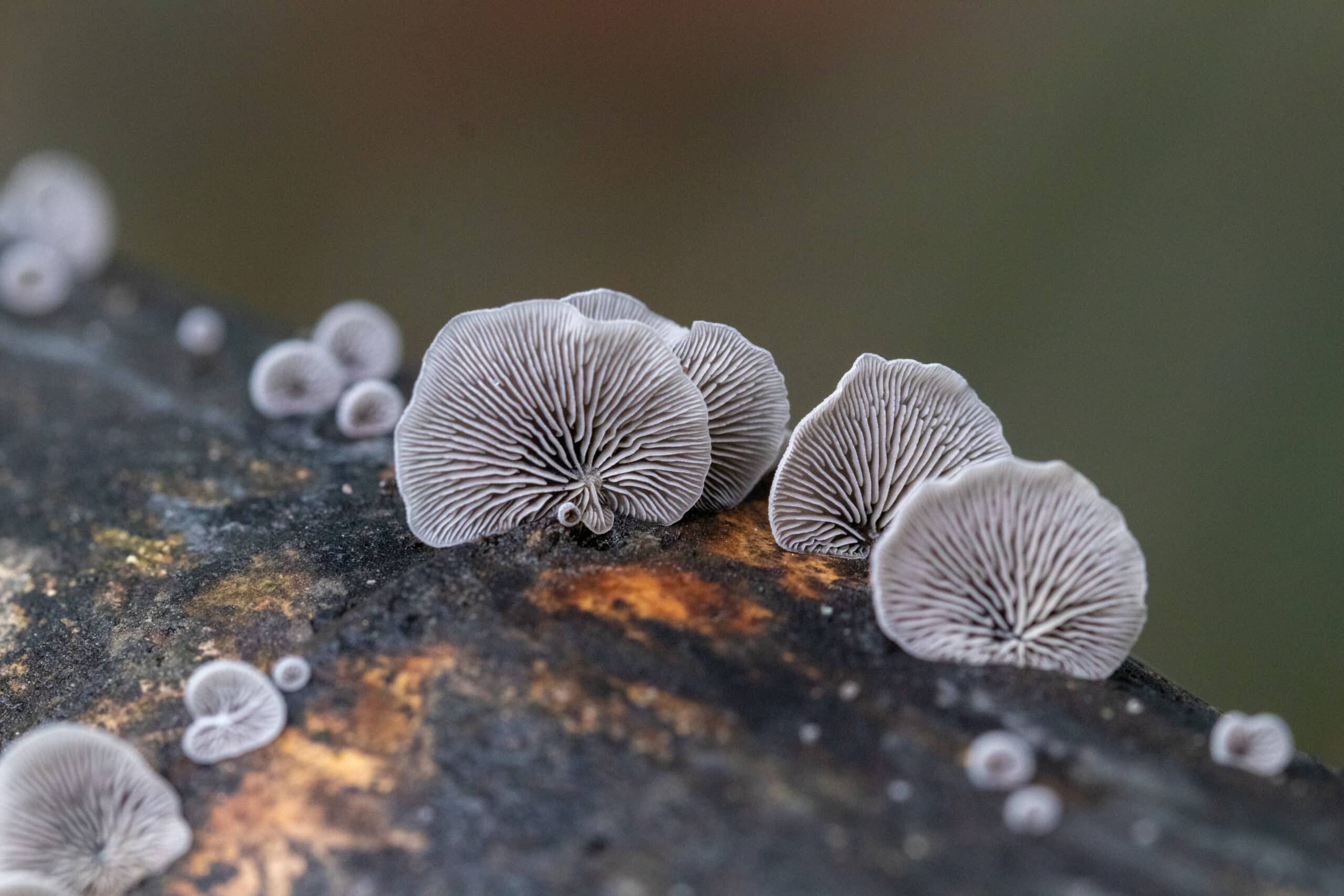
Because the split-gill mushroom is usually edible, the material is non-toxic and food-safe. Scientists say it could be eaten without harm, though that is not its intended purpose. This characteristic opens the door to applications in food packaging and cosmetics where safety standards are especially strict.
How It Could Replace Plastic
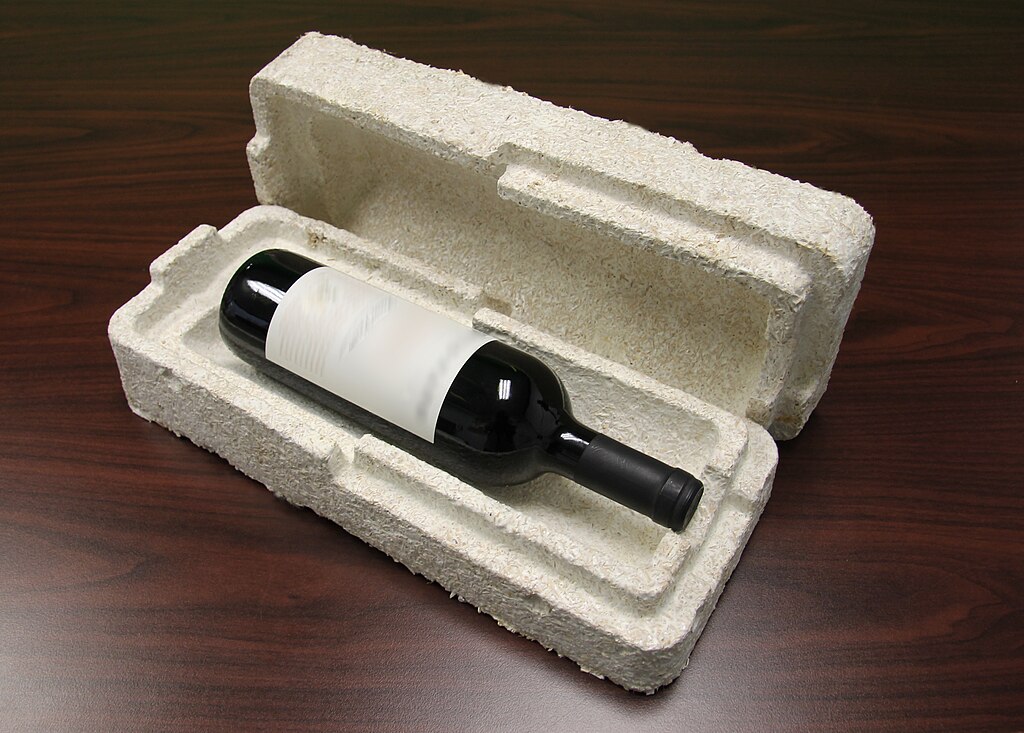
In lab tests, the material performed well as a thin, tear-resistant film. Researchers suggest it could be used in compostable bags, food wrappers, or even components of biodegradable batteries. Unlike petroleum-based plastics, it breaks down naturally and does not release microplastics into the environment.
A Natural Emulsifier With Advantages
The living fungal network also works as an emulsifier, helping substances like oil and water mix. Emulsifiers are common in foods, cosmetics, and personal-care products, but many are synthetic. Because the fungus continues producing stabilizing molecules over time, the emulsion actually becomes more stable instead of separating.
Built for Sustainable Electronics
Beyond packaging, the material shows promise in electronics. Empa researchers demonstrated that the fungal film reacts to moisture and could be used in biodegradable humidity sensors. The team is also exploring fungal-based batteries that decompose naturally once discarded.
Why Mushrooms Keep Showing Up in Materials Science
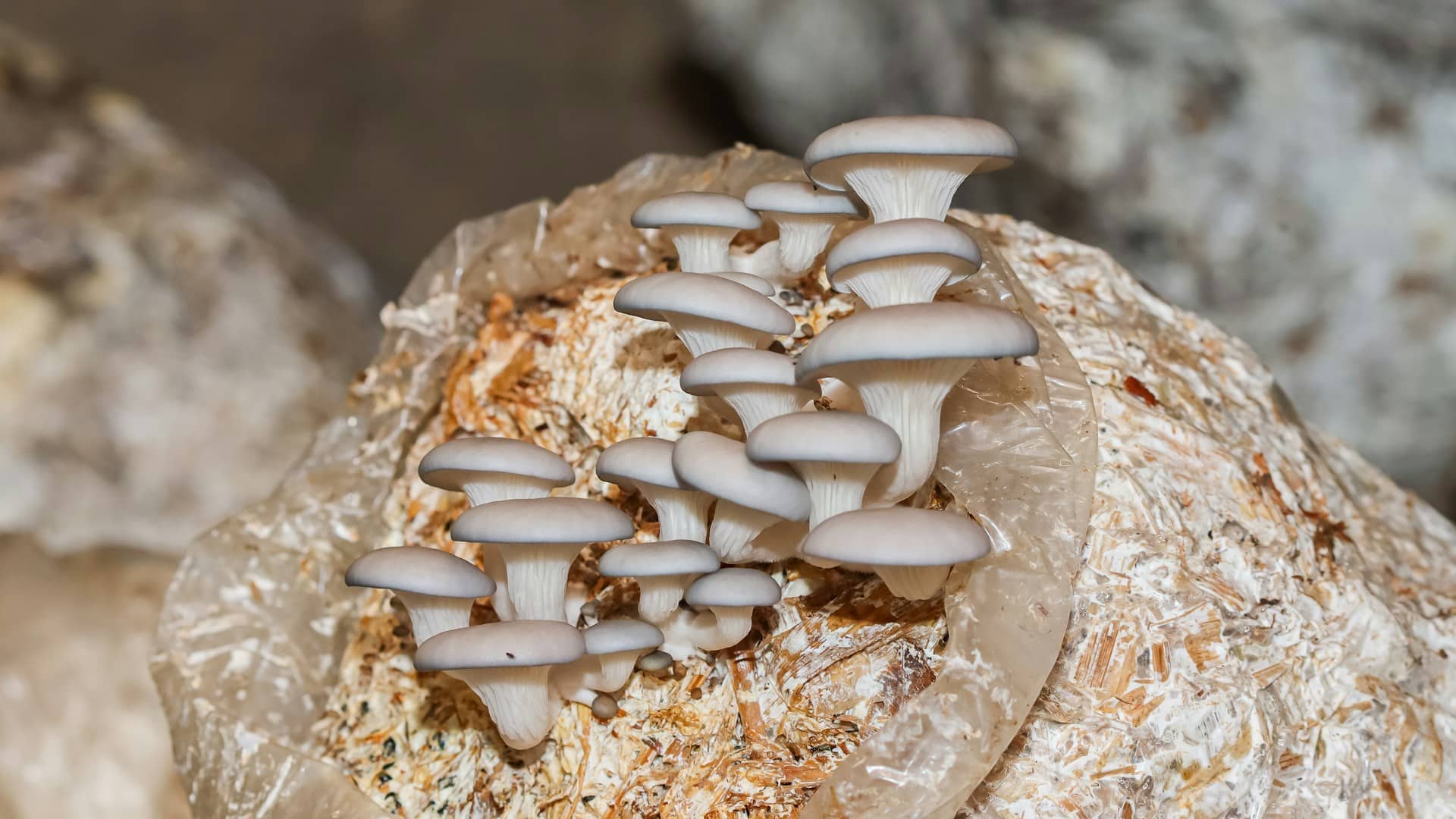
Fungi have become a growing focus in sustainable design because they grow quickly, require little energy, and naturally form complex structures. Studies on split-gill mushrooms show they already contain bioactive compounds used in food and medicine. Researchers say leveraging these existing properties reduces the need for synthetic additives.
What Comes Next
The material is still in the research stage, but scientists believe the approach could be adapted to other fungi with different properties. Rather than forcing nature into industrial molds, the team focused on working with biological systems as they already exist. If scaled successfully, the living material could help reduce reliance on plastics while reshaping how everyday products are made.