Scientists Tested the ‘5 Second Rule’ Once and For All
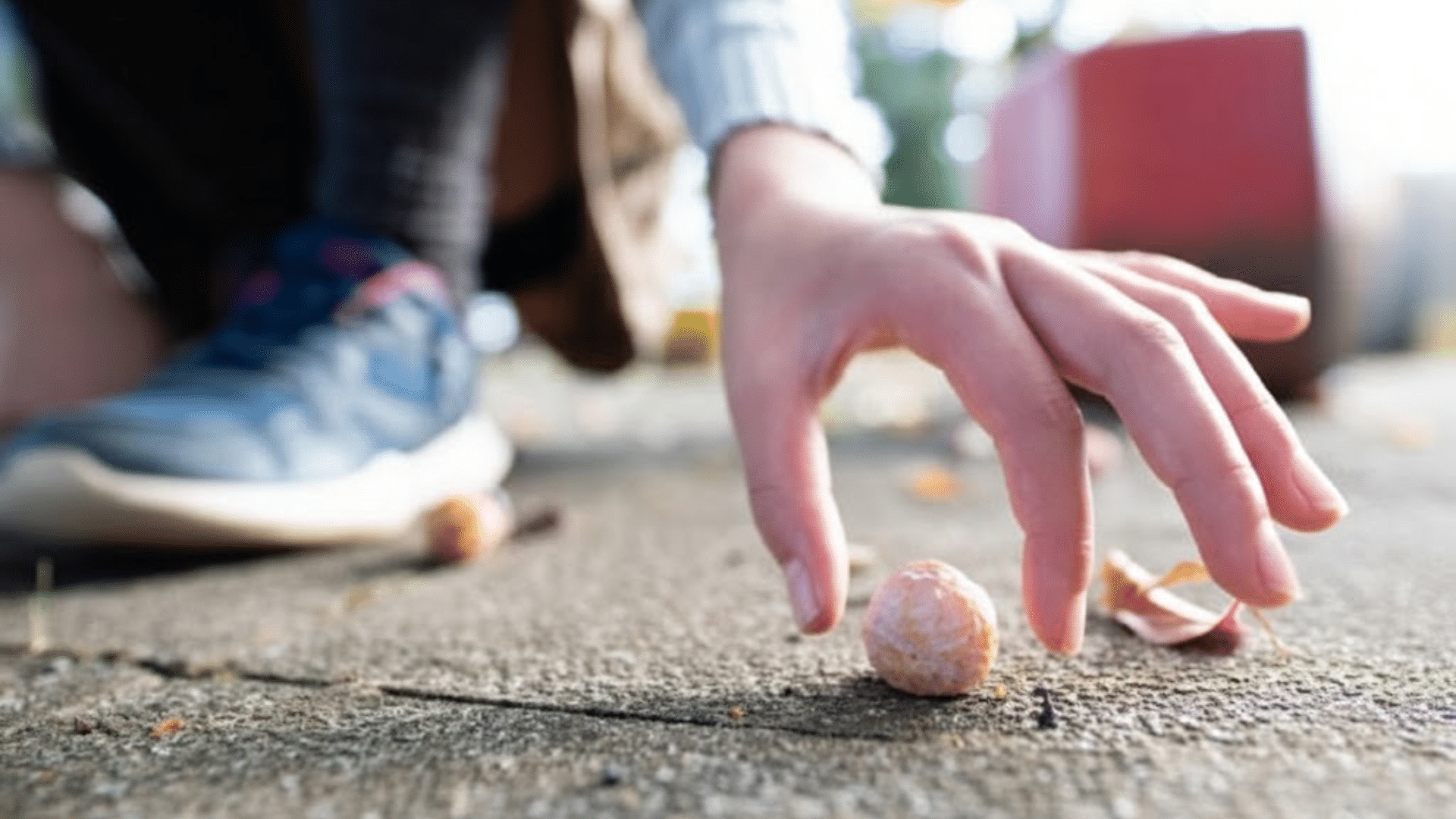

The “5-second rule” has survived for generations like a kitchen commandment: if you grab dropped food fast enough, it’s supposedly safe. But scientists have been quietly side-eyeing that logic for years.
Lab tests show germs don’t wait politely for a countdown; contamination can happen instantly. Still, the story isn’t as simple as “never eat it.” The real risk depends on what fell, where it landed, and who’s eating it, which is why this myth keeps refusing to die
Food scientist Paul Dawson says the rule likely grew out of old cultural habits more than real science. Legends tie it to Genghis Khan’s banquet “Khan Rule,” where dropped food was allowed as long as the ruler permitted. Centuries later, moments like Julia Child casually rescuing a dropped pancake on TV helped normalize the idea that quick pickups are fine. None of these stories explain the “five” part, but they show how easily a habit turns into “truth.”
What scientists found when they tested it
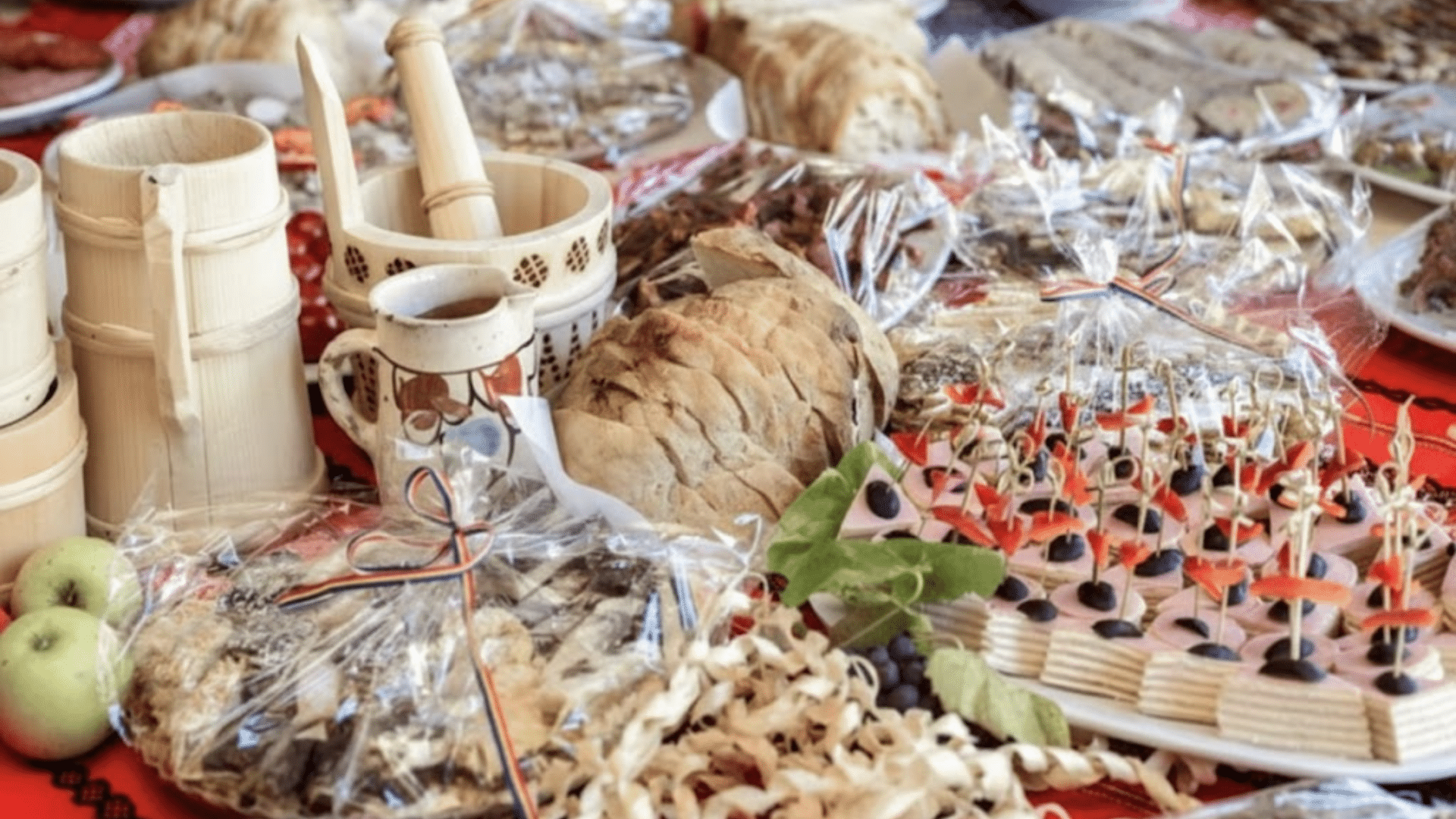
Dawson’s research shows timing is basically a distraction. In controlled experiments, bacteria transferred to food as soon as it made contact with a contaminated surface; not after five seconds, but right away. The floor’s cleanliness mattered far more than how fast someone snatched the food up. So if the surface is germ-heavy, your food picks up microbes no matter how quick your reflexes are.
To see how bad transfer gets, Dawson’s team contaminated tile, wood, and carpet with Salmonella Typhimurium, a common cause of food poisoning. Then they dropped two foods with very different textures: moist bologna and dry white bread. Each sat on the surfaces for 5, 30, or 60 seconds before testing. It was a straightforward setup aimed at one blunt question: does longer contact really change the risk?
Results were not comforting. Both bologna and bread showed significant contamination across all time frames. The differences between 5 seconds and 60 seconds were minor compared with the fact that transfer happened immediately. Moist foods tended to pick up more bacteria than dry ones, but neither was “safe” just because it was grabbed quickly. The rule didn’t fail a little, it failed at the starting line.
Why some drops are riskier than others
Multiple studies back the same pattern: wet foods attract more bacteria, faster. Think watermelon, sauces, or anything sticky; moisture helps microbes cling and spread. Dry items like crackers or bread still pick up germs, just usually less. That means two people can drop food for the same amount of time and face totally different contamination levels depending on what fell.
Surface type also changes the gamble. In Dawson’s Salmonella tests, carpet transferred far fewer bacteria to food than tile or wood, likely because food touches fewer fibers than flat surfaces. Rutgers research found a similar trend: smoother surfaces like tile and steel transfer more microbes than carpet. But “less bacteria” isn’t the same as “no bacteria,” especially if the carpet is dirty.
Even if contamination happens, the danger isn’t identical for everyone. Dawson notes that immune-compromised people face higher risk from eating contaminated food. A healthy adult might get away with tiny exposures more often, while someone sick, elderly, or very young might not. That’s why the safest advice isn’t about seconds, it’s about weighing your personal risk.
So… should you ever eat dropped food?
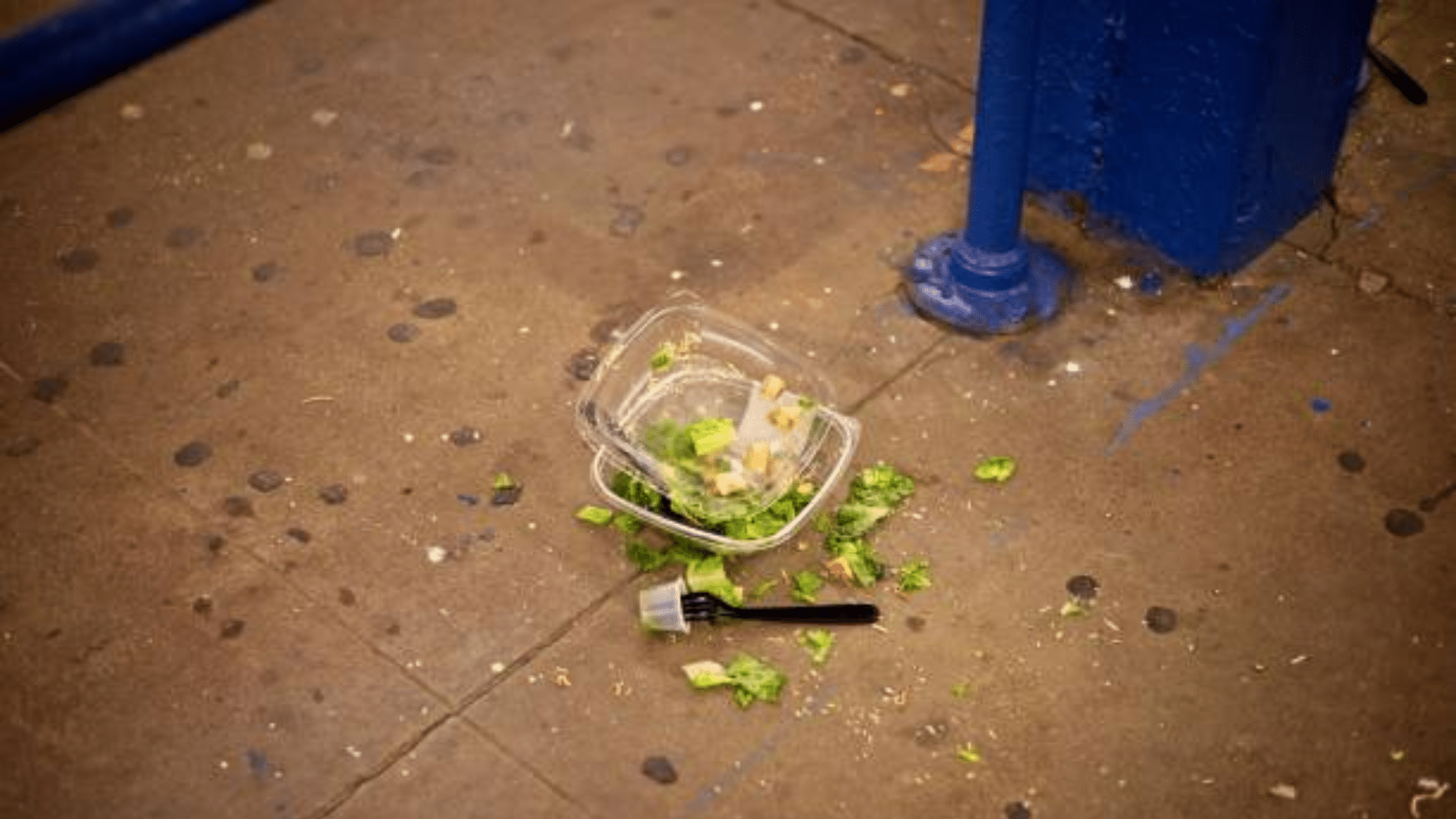
If the food is washable like fruit or veggies, rinsing can remove some surface bacteria. But foods with porous or crumbly textures; crackers, pastries, fried items, don’t clean well and may trap microbes.
In those cases, washing isn’t a real reset button. The food itself decides whether cleanup is even possible.
Scientists have basically retired the 5-second rule: germs transfer instantly, and the surface condition matters more than the clock. Still, the bigger takeaway isn’t “panic over every drop.” It’s that every drop is a mini risk-assessment; food type, surface, and your health all shift the odds. So the debate stays alive: are you a “toss it no matter what” person, or a “floor snack if it looks fine” believer?