SNAP Junk Food Restriction Sparks Confusion Among Benefactors and Retailers
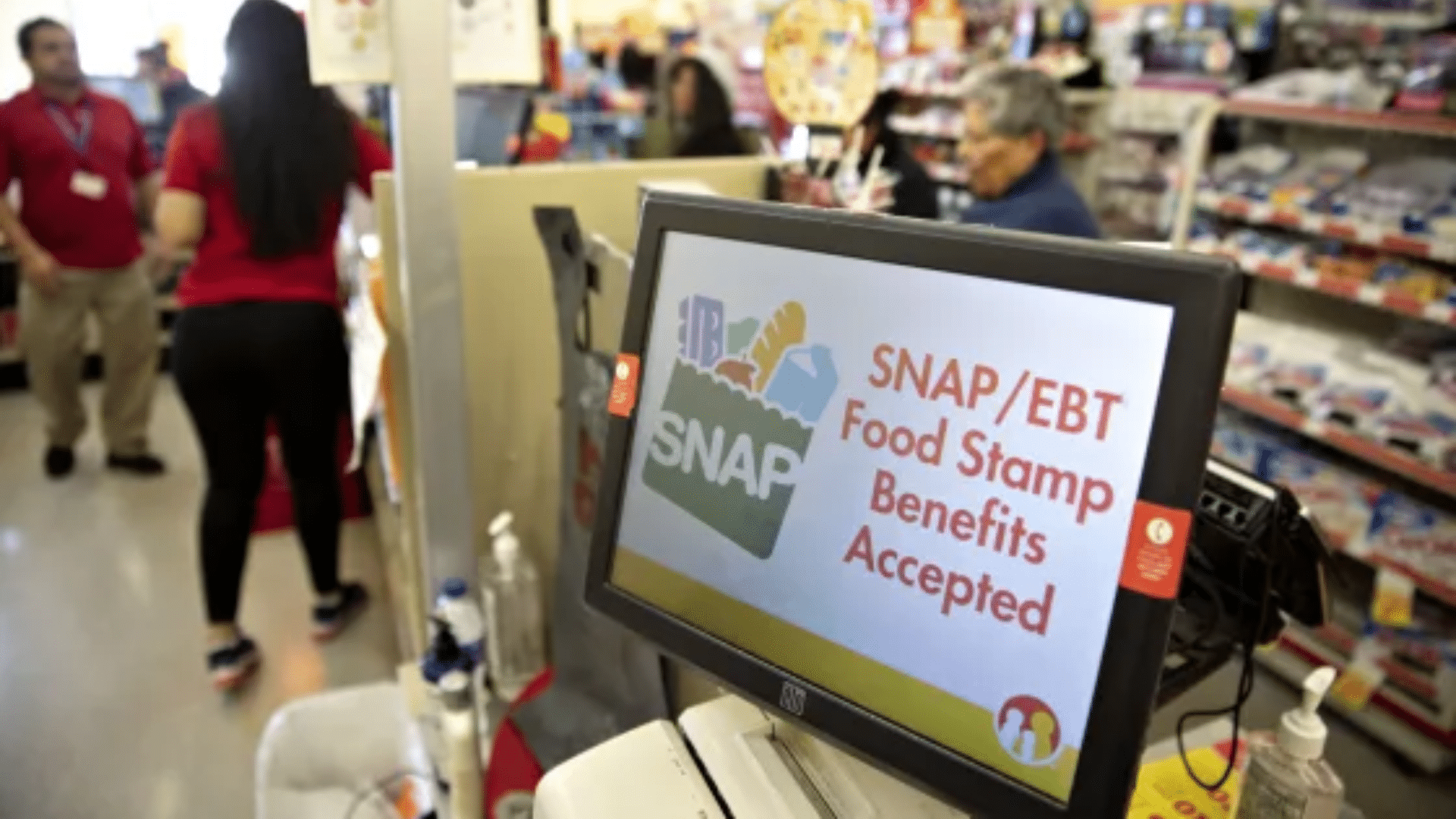

A major change to the nation’s food assistance program is arriving, and few people seem to agree on what it actually means. Starting in January, new state-level restrictions backed by Health Secretary Robert F. Kennedy Jr. will limit what SNAP recipients can buy with their benefits. The goal is better health. The result so far? Confusion, anxiety, and unanswered questions for families and retailers alike.
Eighteen states have received approval to ban soda and other “junk foods” from SNAP purchases under waivers tied to Kennedy’s “Make America Healthy Again” agenda. But the rules vary widely, and the federal government has yet to provide clear guidance on enforcement. As implementation deadlines approach, uncertainty is spreading faster than clarity.
For the 40 million Americans who rely on SNAP, and the businesses that serve them, the looming question is deceptively simple: what counts as junk food?
When banning junk food gets complicated
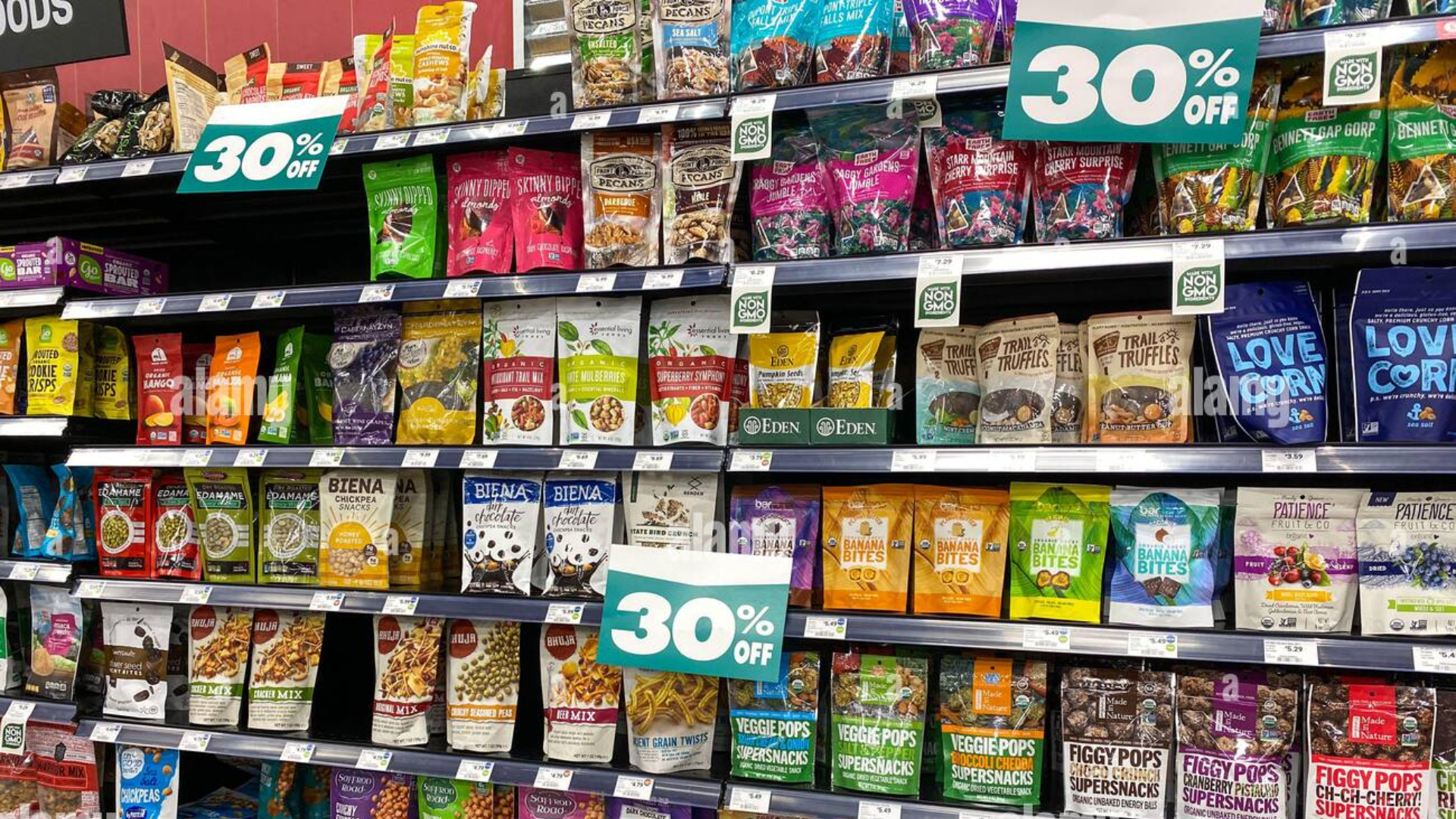
Retailers are struggling to interpret vague definitions. Is a sports drink like Gatorade considered soda? Are granola bars candy? Does chocolate in the baking aisle differ from chocolate in the candy aisle? With no national standard, each state is drawing its own lines; sometimes in contradictory ways.
According to the National Grocers Association, stores could be required to restrict up to 120,000 individual food and beverage items, depending on the state. That means constantly updating point-of-sale systems as products change ingredients or packaging. Industry groups estimate compliance could cost retailers hundreds of millions of dollars annually.
The stakes are high. Selling even one SNAP-ineligible item by mistake could result in a store being barred from the program for at least six months. At the same time, banning too many items could trigger accusations of discrimination against SNAP users, another violation retailers are desperate to avoid.
States roll out rules — unevenly
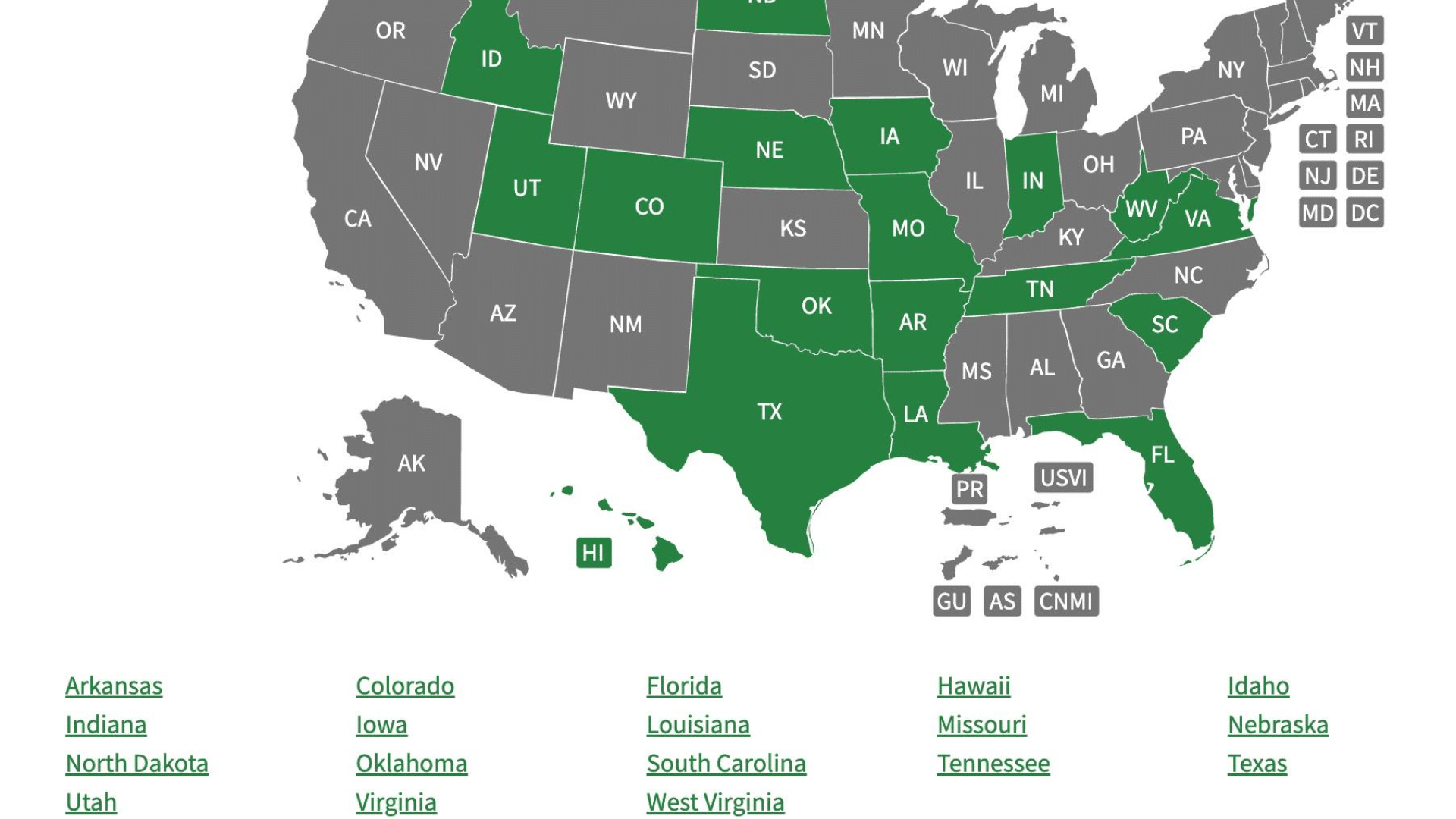
Only a handful of states have provided detailed guidance. Oklahoma released a specific list of banned items. Indiana issued charts just days before its January rollout, though retailers say the lists still leave gray areas. Other states have delayed implementation entirely as they scramble to define what’s allowed.
Some SNAP recipients are learning about the changes through vague letters warning that “certain foods” will no longer qualify without naming them. Advocates worry many families will find out only at the checkout line, creating embarrassment, frustration, and tense interactions with cashiers.
Smaller retailers, especially convenience stores and rural gas stations, may opt out of SNAP altogether rather than risk penalties. Advocates warn that could deepen food deserts in areas where the nearest full grocery store is dozens of miles away.
Health reform or policy chaos?
Supporters argue the bans could reduce soda consumption and improve long-term health outcomes, especially if paired with education and evaluation. Critics counter that SNAP is supplemental; families can simply use other money to buy restricted items, limiting the policy’s impact.
Anti-hunger groups also question the legality and ethics of food bans, warning they may stigmatize SNAP users and weaken the program’s reach. Many states lack clear plans to measure whether the restrictions actually work, a requirement for federal waivers.
As January arrives, the SNAP junk-food crackdown highlights a familiar policy tension: ambitious goals colliding with messy reality. Until definitions are standardized and education improves, millions of families and retailers remain caught in the middle, unsure what’s allowed, what’s banned, and who will pay the price for getting it wrong.