SNAP Work Rules Cut Food Stamps for Millions With No Boost to Jobs, Study Finds
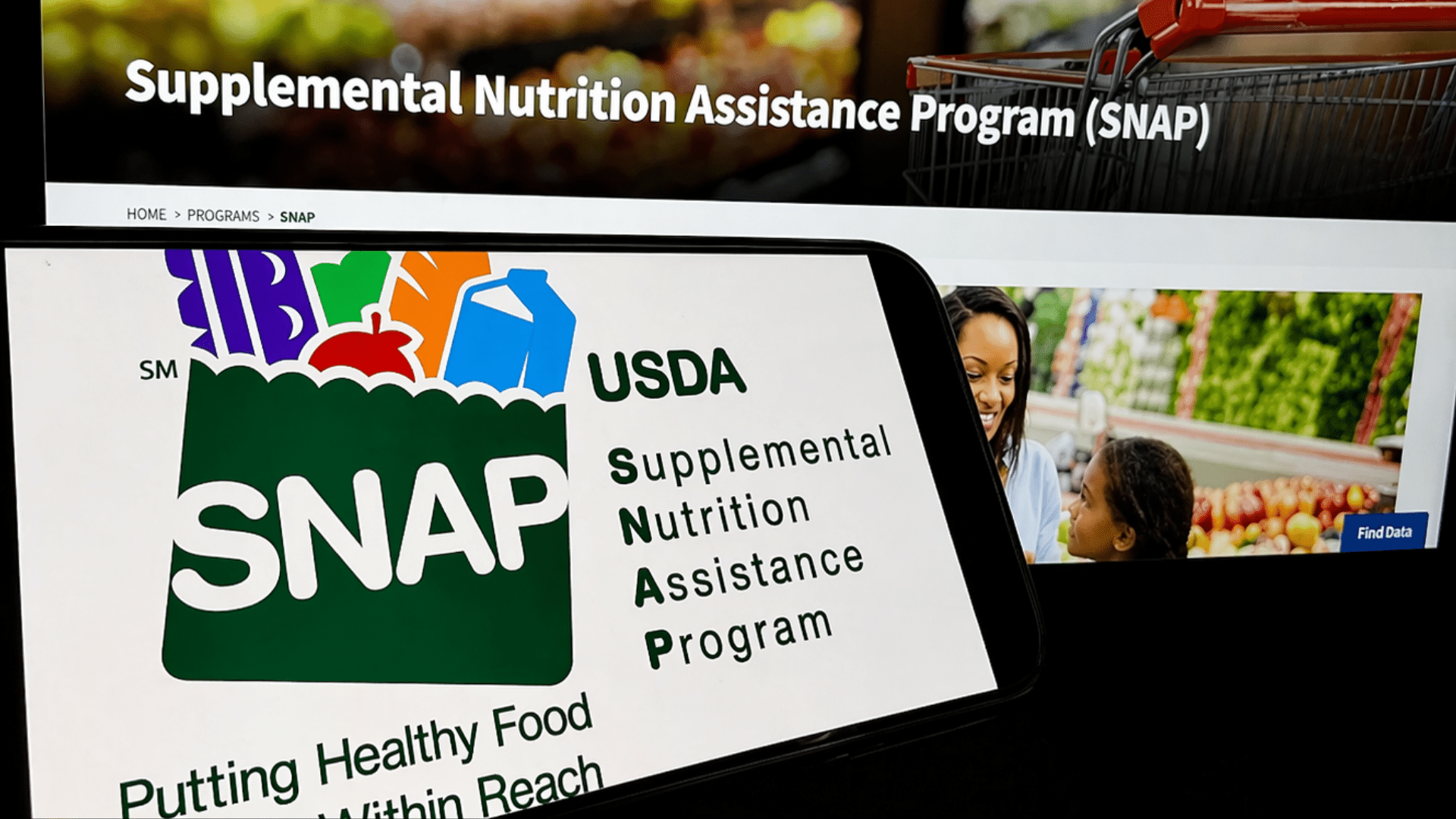

More than 2.5 million Americans have lost food stamp benefits since new federal work rules took effect, and researchers say those rules are not creating a single new job. In rural counties where poverty runs deep and work is scarce, families are already feeling the cuts. This is the story of what happens when policy meets hunger, and what the evidence actually shows about the government’s push to put conditions on food.
A Food Line Four Hours Long

In Delbarton, West Virginia, dozens of cars lined up before 11 a.m. at the House of Hope mobile food pantry. The delivery truck had blown a tire, but no one left. Among those waiting was Perry Hall, a cancer patient living on about $1,500 a month in Social Security. His wife, Lilly, volunteers at the pantry. She is also, as of late, at risk of losing her own food assistance because of new federal rules that now apply directly to her.
Who They Target

Under the One Big Beautiful Bill Act, any “able-bodied” adult under 65 without young children must work, volunteer, or train for at least 80 hours a month to keep food stamp benefits. The previous age limit was 54. The law also stripped protections for veterans, people experiencing homelessness, and young adults who aged out of foster care. Parents of children 14 and older are now included as well. The rules went into effect last November.
The Promise vs. The Evidence

Supporters of work requirements argue they push people who are ready to work into jobs, reduce reliance on government programs, and uphold what they call the dignity of work. House Speaker Mike Johnson called the food stamp program “bloated” and “inefficient,” but said those in need would still be served. However, a sweeping review by The Hamilton Project, an economic initiative at the Brookings Institution, reached a sharply different conclusion about whether those goals are actually achieved.
What the Research Actually Shows

The Hamilton Project’s review of available studies found that work requirements do not increase employment. They do, however, cause a significant drop in program participation. Lauren Bauer, the project’s associate director, told Stateline that everything researchers know confirms this pattern: requirements do not move people into jobs, they simply push people off benefits. A separate 2018 federal study looking at nine states reached the same conclusion, finding no impact on labor force participation or hours worked.
Hunger Makes It Harder to Work, Not Easier

Rhonda Rogombe, a policy analyst at the West Virginia Center on Budget and Policy, studied what happened in Mingo County after work requirements were reinstated in fall 2023. Average monthly employment actually fell. Her explanation: hunger itself is a barrier. When people cannot eat reliably, it becomes harder to focus, to show up, and to stay in a job. Cutting food benefits, she and her colleagues argue, removes one of the tools that helps people stay employed in the first place.
A County Where Jobs Are Hard to Find

Mingo County, West Virginia, once ran on coal. Today, a quarter of its roughly 22,000 residents live in poverty. Rogombe’s research found that residents face overlapping barriers: unreported health conditions, housing instability, no high school diploma, and no identification documents. About one in four lack reliable internet access, making it difficult to even file paperwork to confirm benefits. Lilly Hall eventually found unpaid work at a local restaurant, enough to technically keep her benefits, but far from a stable situation.
States Now Carry a Bigger Financial Load

The financial pressure is not only on individuals. Starting this October, states will bear 75% of SNAP administrative costs, up from the current 50-50 split with the federal government. By 2027, states that make too many errors in processing benefits will face additional financial penalties. Researcher Jessica Klein of the Kentucky Center for Economic Policy warns that some states may respond by narrowing eligibility rules to keep costs down, and fears a few may eventually choose not to run the program at all.
Communities Filling the Gap

In Mingo County, at least eight food pantries are trying to absorb the growing need. Timothy Treleven’s House of Hope pantry distributes up to 400 boxes of food on a single Saturday. Janet Gibson runs the Blessing Barn pantry and knows every family on her stretch of road by name. In Kentucky, Trista Shankle, a single mother of three pursuing a master’s degree, says her family’s overlapping benefits are the only reason she has been able to keep moving forward. Losing any one of them, she says, could end her education.
A Policy Built on a Premise That Does Not Hold

The core argument for SNAP work requirements, that linking food to labor will lift people into employment, is not supported by the evidence. What the research consistently shows is that these rules reduce food access without improving economic outcomes. As millions more face potential benefit loss, the real question is not whether people want to work. It is whether a society can afford to make hunger a condition for seeking work in the first place.