Soaring Electric Bills Push West Virginia Families to the Brink: ‘We’re Eating Instant Ramen For A While’
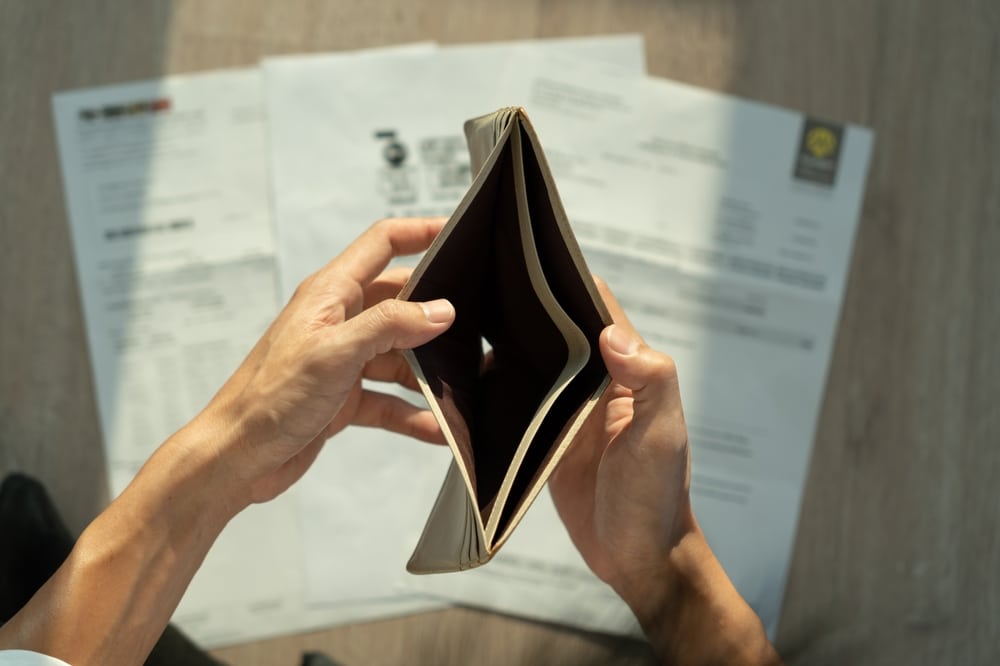

Across West Virginia, soaring electricity bills are pushing households into crisis, forcing many to make difficult daily trade-offs. For Brandon Cannon, a 23-year-old living in Martinsburg, the impact became clear when a $700 winter power bill forced him to dip into his grocery budget.
“I didn’t have the money for it,” Cannon told the Associated Press, describing how he covered his share of the bill. “I had to forgo getting proper groceries. Instead, eating [instant] ramen for a while, actually.”
His experience reflects a broader reality across the state. Residents report lowering thermostats, shutting off heat, and cutting back on essentials just to keep up with rising utility costs. What was once routine budgeting has turned into a month-to-month struggle to stay afloat.
When Utility Bills Outpace Housing Costs

One of the most alarming trends is how electricity bills are overtaking traditional household expenses. In many households, power bills now rival or exceed mortgage payments, upending long-standing expectations about the cost of living.
For families like Dwan Marcum’s, the shift has been stark. Her household’s electric bill climbed to more than $600, far higher than it had been in the past, forcing her to sell personal belongings and delay basic expenses. At times, she said, the bill has been higher than their house payment, according to reporting by the Associated Press.
These patterns are echoed across communities. As costs rise, households are increasingly forced to make trade-offs between utilities and other necessities, leaving little room for unexpected expenses or long-term financial stability.
A Complex Mix of Causes Driving the Crisis
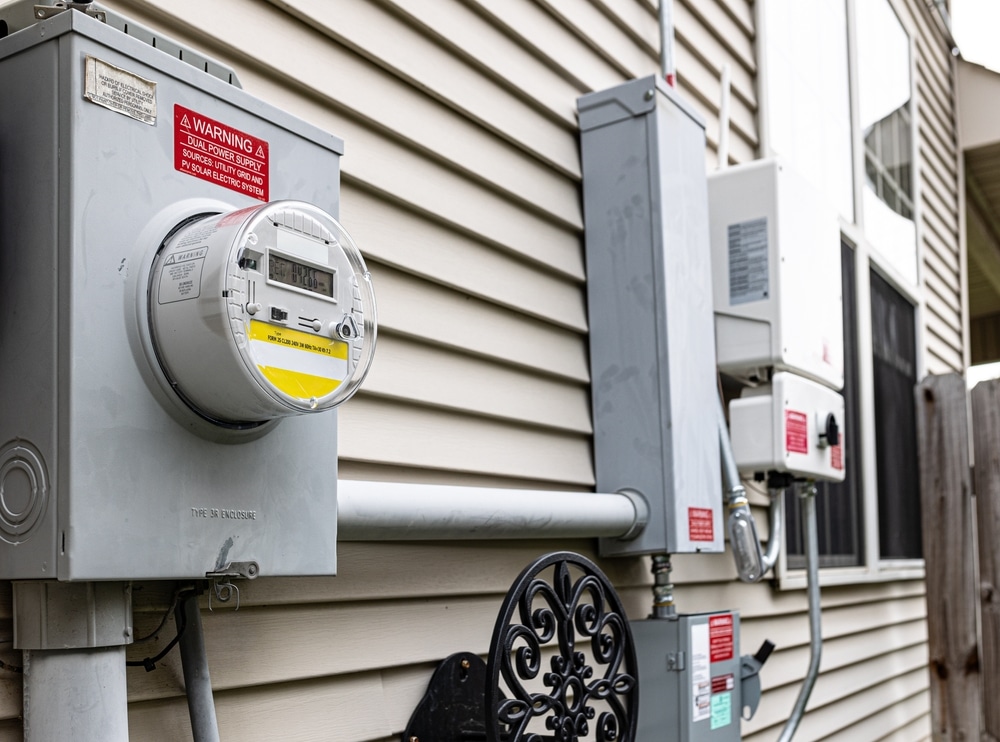
The surge in electricity costs stems from a combination of national trends and state-specific factors. Nationwide, energy prices have climbed due to increased demand, extreme weather, infrastructure upgrades, and volatile fuel markets.
In West Virginia, structural issues have compounded the problem. The state remains heavily reliant on coal, even as cheaper alternatives like natural gas and renewables have gained ground elsewhere. Analysts say this dependence has made electricity more expensive over time, particularly as coal plants age and require costly maintenance and upgrades.
Policy decisions may also be contributing to the strain. Lawmakers have considered measures aimed at supporting coal-fired power generation, but utilities warn those efforts could raise costs further. Industry officials say fuel prices, especially coal, are a major driver of higher bills, with one utility noting that fuel costs account for a significant share of recent increases.
Growing Anger and Uncertain Solutions Ahead

As bills climb, frustration is turning into political pressure. Many residents say they feel trapped, questioning why electricity costs are rising so sharply in a state rich in energy resources.
The burden is widespread. According to reporting, roughly 37% of West Virginia households are considered energy-burdened, meaning they spend a significant share of their income on utility costs. For low-income families, the strain can be overwhelming.
Efforts to address the issue remain uncertain. Some policymakers continue to emphasize coal as a path forward, while critics argue that doubling down on costly energy sources risks prolonging the crisis. For now, residents like Cannon and Marcum are left navigating immediate challenges by cutting expenses, taking on debt, and, in some cases, relying on instant noodles just to keep the power on.