Starbucks Announces Largest Store Closure in Its History — 568 Locations Set to Shut Down Across the U.S.


Starbucks, one of the most recognizable coffee brands in the world, is undergoing its most dramatic restructuring to date. The company has confirmed the closure of 568 stores nationwide, marking the largest round of shutdowns in its history. The announcement has sparked concern among customers and employees alike, especially in states where Starbucks has long dominated city corners, shopping centers, and commuter routes. While the company describes the move as a strategic reset rather than a retreat, the sheer scale of the closures signals a major shift in how Starbucks plans to operate moving forward.
California, in particular, is bearing the brunt of the decision. According to reports, California was hit hardest, with 155 Starbucks locations scheduled to close across Southern California, Northern California, and the Central Coast. These include both high-traffic urban stores and long-standing neighborhood locations that have served customers for years.
The closures come at a time when rising labor costs, shifting consumer habits, and increased competition are forcing even the biggest brands to rethink their physical footprint.
Why Starbucks Is Closing Hundreds of Stores
Starbucks leadership has framed the closures as part of a broader effort to streamline operations and refocus on profitability. Over the past few years, the company has faced mounting pressures — from higher wages and rent costs to changing customer preferences that favor mobile ordering, drive-thru locations, and pickup-only formats. Rather than abandoning markets entirely, Starbucks says it is reassessing where stores make the most sense and where resources can be better allocated.
Not all Starbucks stores are equally affected. Many of the locations being shuttered are traditional café-style stores with indoor seating, particularly those in areas where foot traffic has not fully rebounded since the pandemic. In contrast, Starbucks continues to invest heavily in drive-thru locations, express stores, and formats designed for faster service.
This shift reflects a broader trend in the food and beverage industry, where convenience increasingly outweighs the traditional sit-down experience.
California Sees the Most Closures
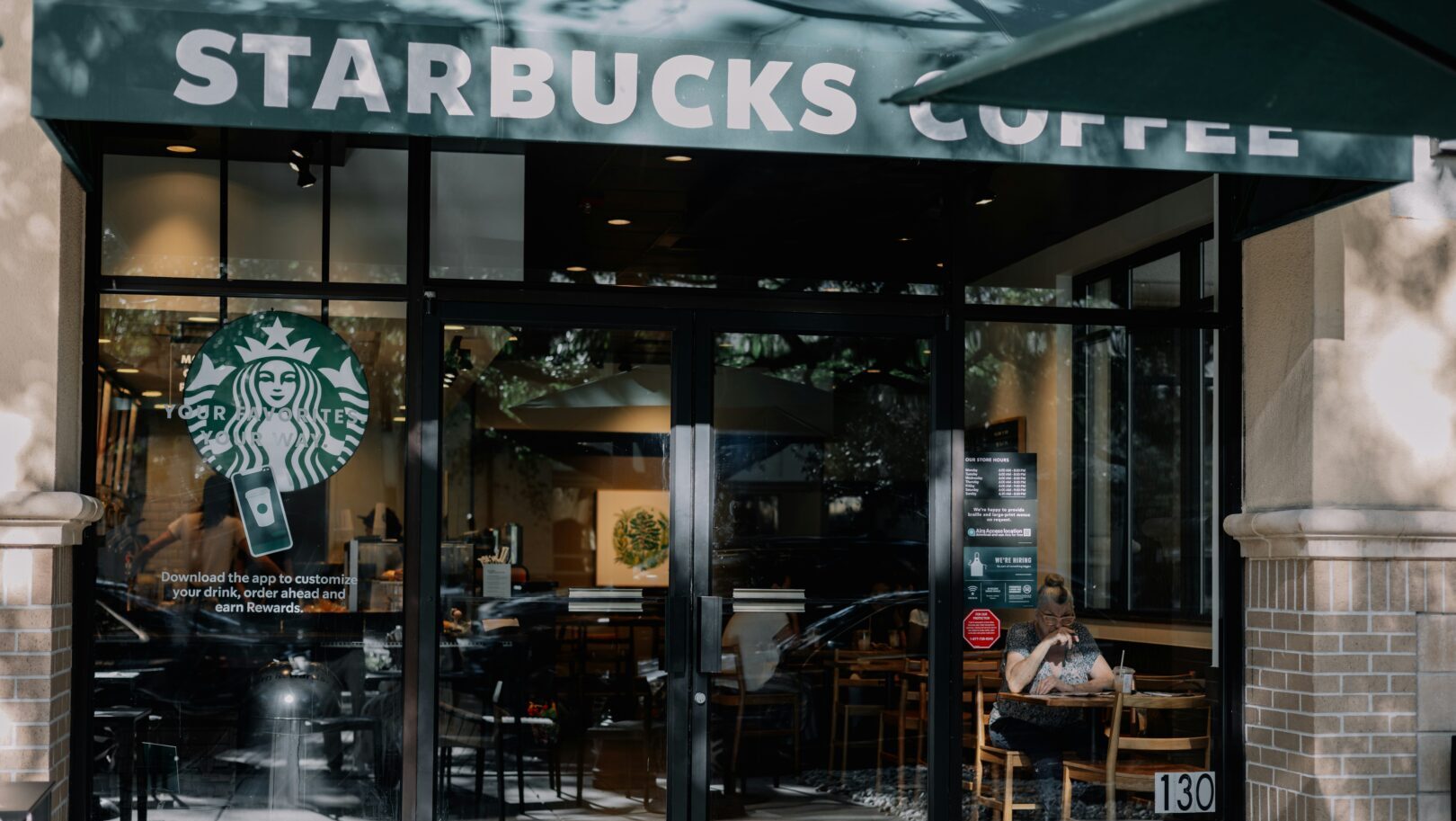
With 155 stores closing, California accounts for more than a quarter of all affected locations nationwide. The closures span multiple regions, including dense metropolitan areas as well as smaller coastal and suburban communities. California’s high operating costs — including rent, utilities, and labor — are widely seen as a major factor. In recent years, businesses across the state have struggled to balance rising expenses with consumer demand, and Starbucks appears to be no exception.
Other states are also seeing notable impacts. While California leads the list, hundreds of additional stores across the country are also set to close. Starbucks has not released a single consolidated list by state, but confirmed that closures are spread nationwide rather than concentrated in just one region.
Customers can check their local store status through the Starbucks website or app, where closure notices are being updated gradually.
What This Means for Employees and Customers
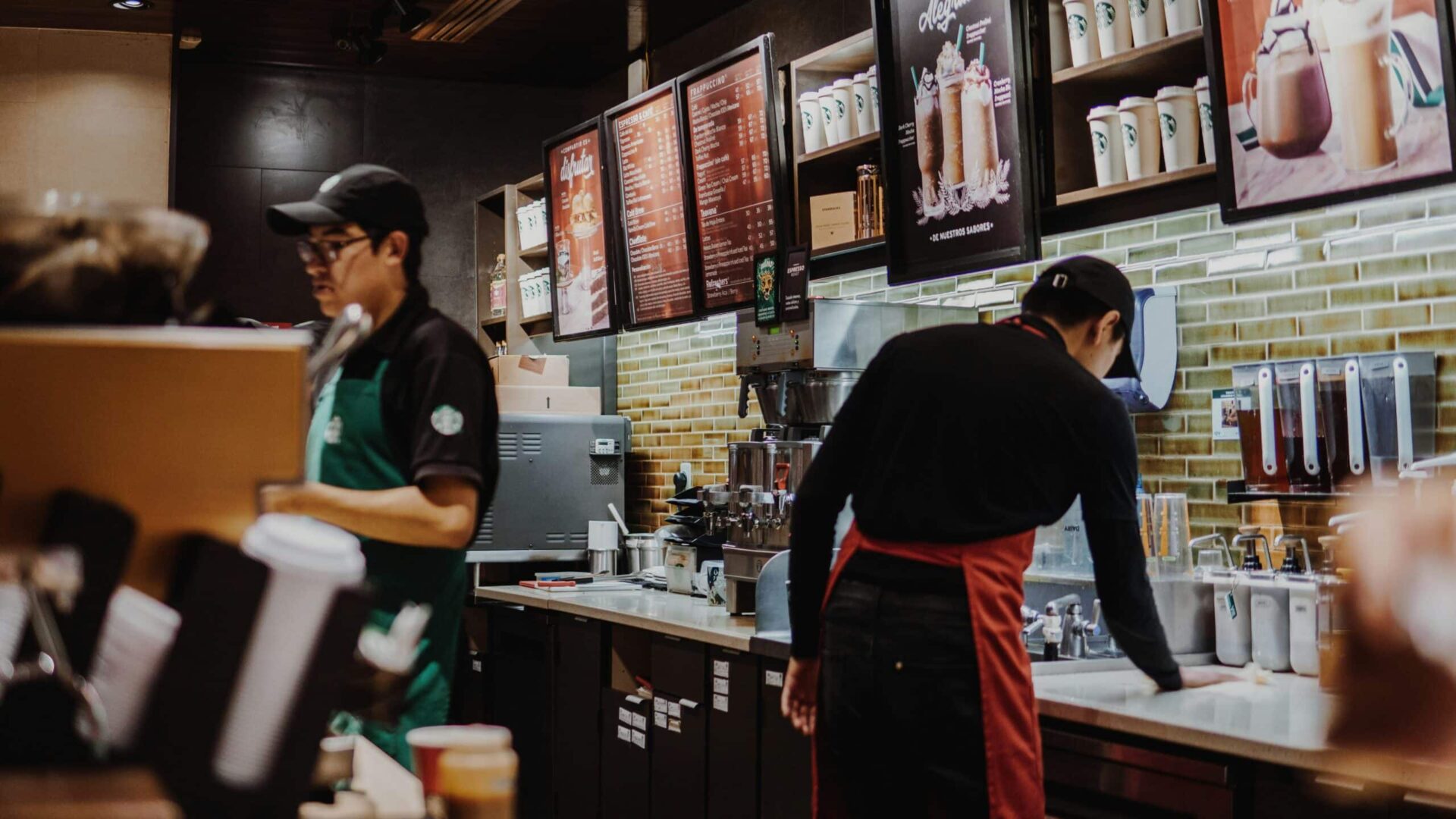
For Starbucks employees, the closures raise understandable concerns about job security. The company has stated that it aims to relocate affected workers where possible, offering transfers to nearby locations when available. However, not all employees may have that option, particularly in areas with multiple closures. Customers, meanwhile, may notice longer lines or increased demand at remaining locations, especially in neighborhoods losing multiple stores.
Despite the closures, Starbucks insists it is not shrinking — but transforming. The company continues to open new stores in select markets, particularly those designed around mobile orders and drive-thru service. Executives describe the closures as a recalibration rather than a sign of decline, emphasizing long-term sustainability over rapid expansion.
Still, for many communities, the loss of a familiar Starbucks location marks the end of an era. Whether this strategic shift strengthens the brand or alienates loyal customers remains to be seen — but one thing is clear: Starbucks’ presence in the U.S. is changing in a big way.