Starbucks Faces Scrutiny After Tracked ‘Recyclable’ Cups Fail to Reach Recycling Facilities
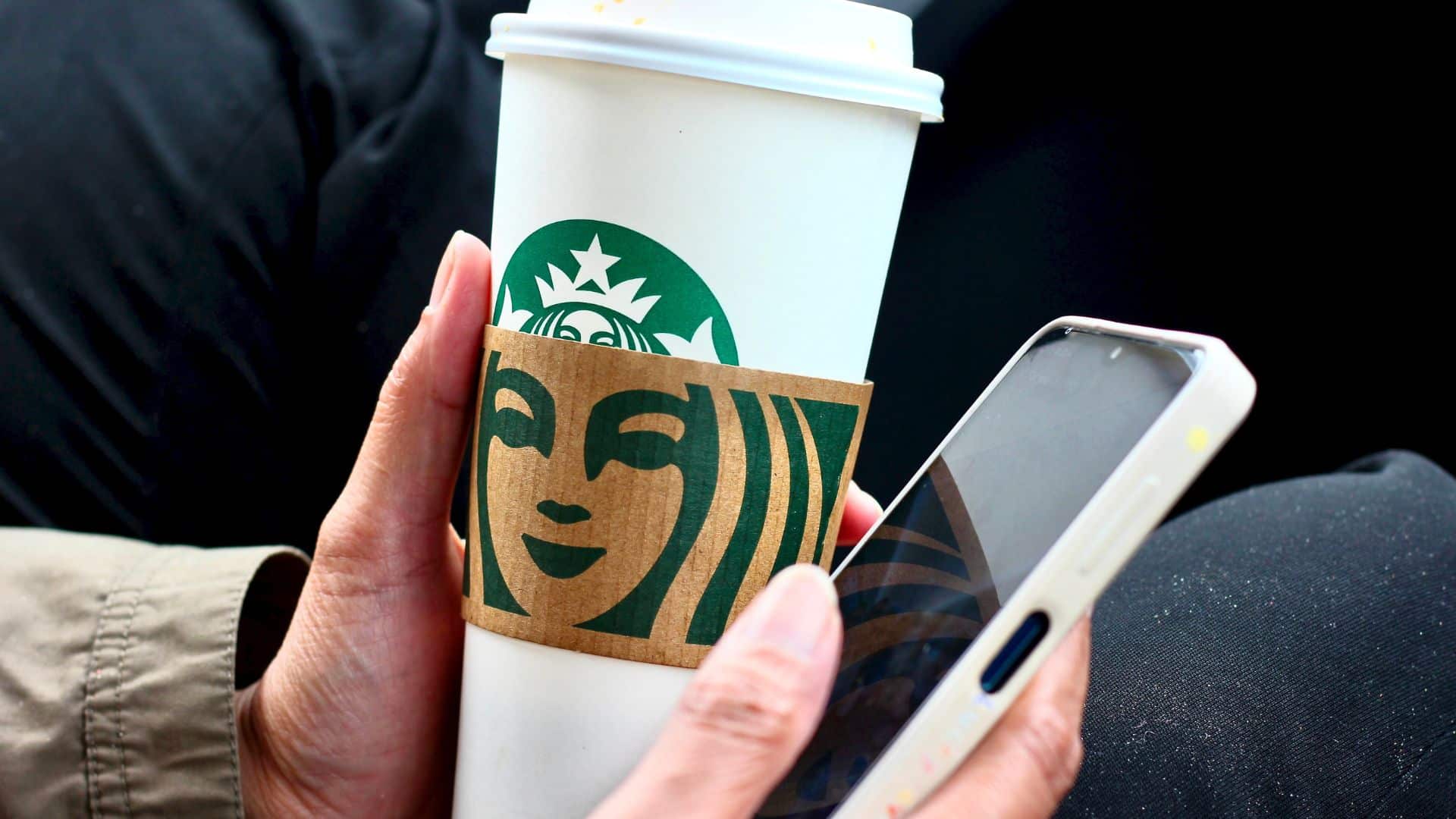

Starbucks is facing renewed criticism after an environmental investigation questioned whether its cold drink cups are actually being recycled, despite being labeled as “widely recyclable.” The controversy emerged after researchers tracked the movement of discarded cups placed inside recycling bins at Starbucks stores across several US states.
Earlier this year, the company highlighted the recyclable status of its polypropylene plastic cups as a major sustainability achievement. The labeling was supported by How2Recycle, an organization connected to the packaging industry that helps companies communicate recycling instructions to consumers. Starbucks described the change as an important environmental step with the potential to create meaningful impact at scale.
The claims quickly drew attention from Beyond Plastics, an environmental watchdog organization focused on reducing plastic pollution. Concerned about how these materials were being handled after disposal, the group launched an investigation to examine whether the cups were truly reaching recycling facilities once customers threw them away.
Researchers Followed Cups Across Multiple States
Between January and March 2026, volunteers working with Beyond Plastics conducted a tracking experiment involving 53 Starbucks cold beverage cups. Bluetooth-enabled GPS trackers were attached inside the cups before they were placed in clearly marked recycling bins inside Starbucks locations across nine states and Washington, DC.
According to the organization, none of the tracked cups successfully arrived at a recycling plant. Of the trackers that continued reporting data throughout the process, several ended up in landfills, others were sent to incinerators, while some stopped at transfer stations where waste is sorted before final disposal. Only a small number reached materials recovery facilities, locations that separate and compress recyclable materials but do not necessarily recycle them.
One of the cups reportedly traveled from a Starbucks store in Brooklyn to a landfill located in Ohio, highlighting how far discarded waste can move through the waste management system. Researchers behind the study argued that the findings raise serious questions about how recycling labels are understood by consumers and whether those claims reflect what happens in reality.
Starbucks Pushes Back Against The Investigation
Starbucks defended its sustainability messaging after the report gained public attention. In statements addressing the investigation, the company maintained that its cups are technically designed to be recyclable and emphasized that recycling outcomes depend heavily on local infrastructure and waste management systems.
The company also criticized the methodology used in the study. Starbucks argued that inserting electronic trackers inside cups could interfere with normal recycling operations and potentially affect how facilities process the materials. According to the company, contamination concerns may alter the route items take once they enter the waste stream.
Environmental advocates behind the report rejected that explanation and insisted the broader issue remains unchanged. They argue that labeling products as recyclable can create a false sense of environmental responsibility when only a very limited number of facilities are actually capable of processing the material. Critics say the distinction between “recyclable in theory” and “recycled in practice” is becoming increasingly important in conversations about corporate sustainability.
Why Polypropylene Recycling Remains A Challenge

The material used in Starbucks cold beverage cups, polypropylene plastic, can technically be recycled into other products. However, experts say the number of facilities equipped to process this type of plastic remains extremely limited in the United States. Environmental groups have repeatedly pointed out that collection systems often accept materials that are rarely transformed into new products afterward.
Advocates from Beyond Plastics believe large corporations should be more transparent about the real limitations of recycling infrastructure. They argue that companies with global influence shape public perception around sustainability and therefore carry greater responsibility when communicating environmental claims to customers.
The organization is now urging Starbucks to move away from single-use plastic cups and prioritize reusable or fiber-based alternatives instead. Researchers involved in the study also highlighted broader concerns surrounding plastic waste and its potential health impacts, citing ongoing scientific research that has connected plastic exposure to respiratory issues, endocrine disruption, and other long-term health risks. As pressure grows around corporate environmental promises, the debate surrounding Starbucks’ recyclable cups reflects a larger global discussion about waste, accountability, and whether current recycling systems are capable of meeting the sustainability expectations companies continue to promote.

