Starbucks Founder Howard Schultz Calls Seattle ‘Hostile’ to Business After Relocating to Miami Amid New Millionaire Tax
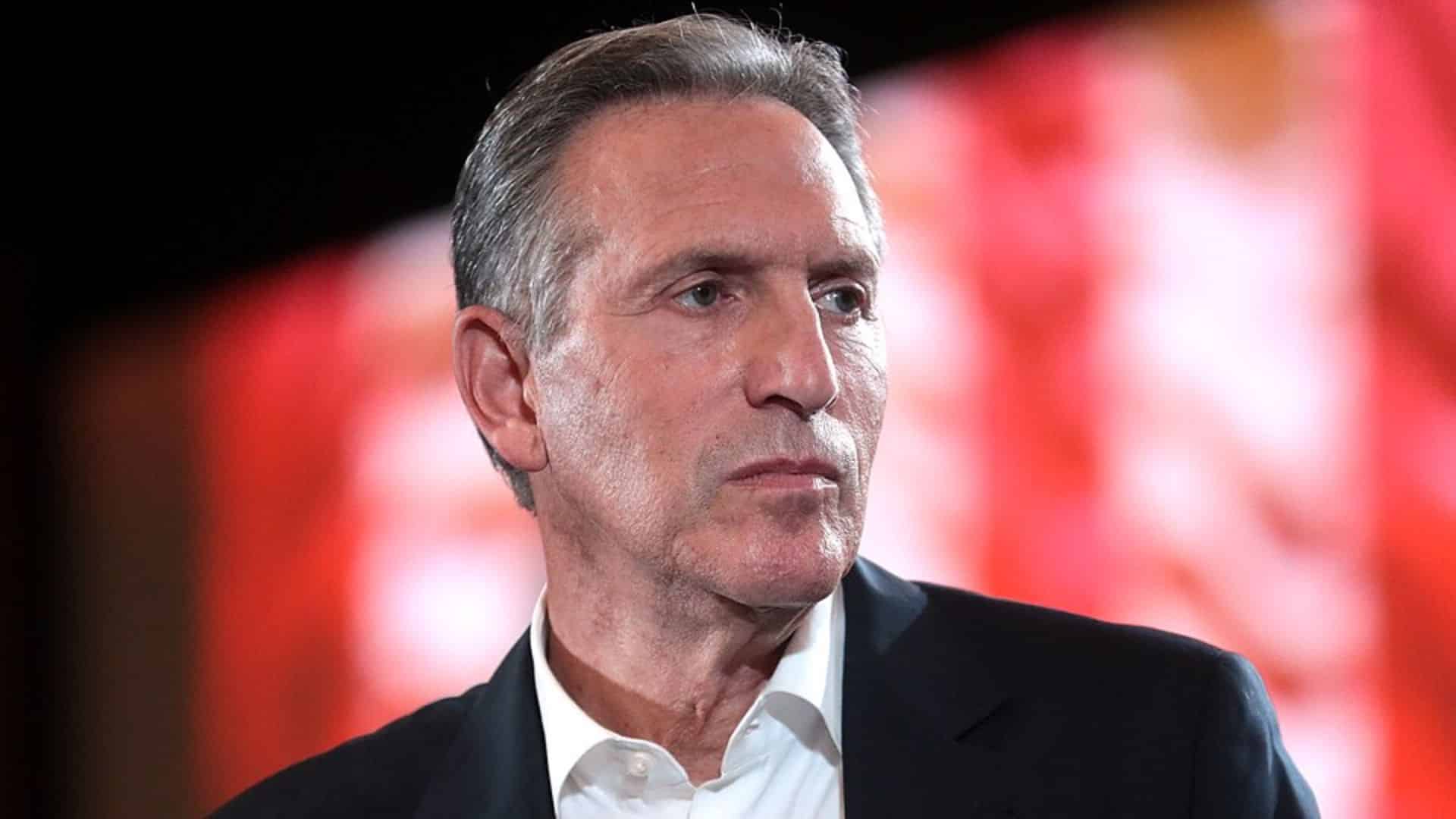

Howard Schultz built Starbucks into a global brand from Seattle over the decades. Now living in Miami, the billionaire founder is publicly criticizing the city he left behind, calling its business climate “hostile” in a Wall Street Journal op-ed published Monday. Schultz, 72, wrote that he felt a responsibility to speak out about a place he credits with much of his professional success.
His move to Miami came around the same time Washington state lawmakers were advancing a new millionaire tax, a 9.9% levy on income over $1 million set to take effect in 2028. Though Schultz said in his op-ed that his relocation “had much to do with family choices” and his stage of life, the timing has led to speculation about whether the state’s changing tax environment factored into his decision.
Washington has historically positioned itself as business-friendly, built around a business-and-occupation tax that charges companies on total revenue, not profits, meaning businesses owe the levy even in lean years. But Schultz argues that the model has grown more burdensome over time, describing the overall system as “broken” and “deeply regressive” in his op-ed.
Schultz Points to Taxes, Homelessness, and a Fractured Business Ecosystem
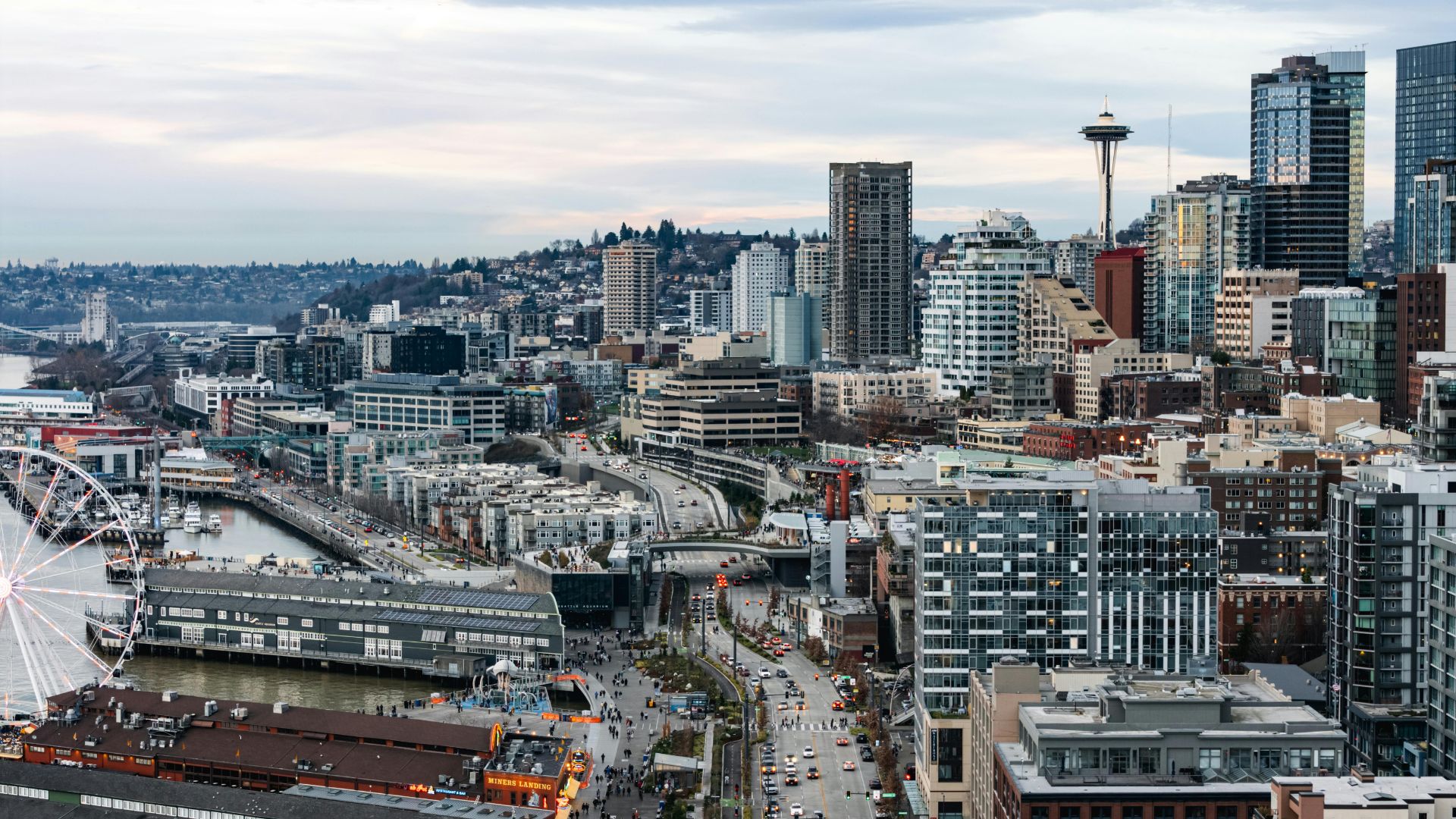
In his op-ed, Schultz described Seattle’s business ecosystem as “fractured,” citing chronic homelessness, persistent budget deficits, declining public safety, and slowing technology hiring as contributing factors. He wrote that the city, which once produced companies like Amazon, Microsoft, and Costco, no longer fosters the conditions that drew entrepreneurs and helped major companies take root.
Washington’s tax changes in recent years have been significant. The state introduced a 7% capital-gains tax in 2022, later adding a 2.9% surcharge on gains above $1 million. Seattle separately implemented a payroll tax on highly compensated employees, and voters approved a social-housing levy on compensation above $1 million. The cumulative weight of these policies, Schultz argued, is prompting businesses and high earners to reconsider staying.
Those concerns are not isolated to Schultz. Fisher Investments cited Washington’s capital-gains tax when it relocated its headquarters to Texas in 2023. Some companies have also shifted jobs from Seattle to nearby Bellevue to reduce exposure to city payroll taxes. Washington is also facing a projected $4.3 billion budget deficit for the 2027-29 biennium, a fiscal pressure that forms part of the broader backdrop Schultz is responding to.
Seattle’s Mayor Responds, and Starbucks Says It Is Staying
Schultz specifically criticized Seattle Mayor Katie Wilson, writing that she “has chosen to cast business as a foil rather than a partner” and that she treats businesses as adversaries while still depending on them for city revenue. He also noted she encouraged residents who disagreed with her policies to leave. Wilson had previously drawn attention after suggesting at an April event that concerns about millionaires leaving the state were overblown.
Wilson responded Tuesday, saying Starbucks is part of Seattle’s culture and identity and that she wants the company and other large employers to continue succeeding in the city. Her office said it remains in regular contact with Starbucks leadership on shared priorities, including homelessness, public safety, and affordability. “Seattle is a special place because of our history, our culture, our workforce,” she said, adding there is room to find common ground.
Starbucks announced last month it would open a new office in Nashville and invest $100 million in Tennessee, with plans to grow the Nashville location to as many as 2,000 workers over five years. That is more than half the size of its current Seattle headquarters workforce. Still, the company says it is not leaving Seattle, and Schultz did not suggest in his op-ed that Starbucks would abandon the city entirely.
Schultz Warns of a Slow Drift, and Hopes Washington Will Course-Correct

Schultz, who stepped down as CEO in 2023 but remains the company’s largest individual shareholder, used his op-ed to frame the issue as bigger than his own departure. He warned that cities and states rarely decline in obvious ways. “They drift when public safety, fiscal stability, and economic vitality deteriorate together,” he wrote, framing Seattle’s current trajectory as something that can still be reversed with the right policy decisions.
He pointed to other states as models, calling on Washington to simplify its regulatory environment, reform its tax structure, and invest in workforce development. His concern, as he laid it out, is less about the present and more about the future: Seattle, in his view, lacks a convincing plan for where future employment and economic growth will come from as companies scale back their local footprints.
“Washington once embodied the future of the U.S. economy, and it can again,” Schultz wrote. He added that future entrepreneurs will not be drawn by ineffective public systems or policies that position businesses as obstacles. His op-ed lands at a moment when Washington’s debate over taxes, business retention, and economic direction is far from settled.