Starbucks Offered Thousands in Incentives to Move Workers to Tennessee but Many Are Still Saying No


Starbucks is building a $100 million corporate hub in Nashville, Tennessee, and it is having significant difficulty convincing its Seattle-based employees to make the move. The company has offered stock grants worth tens of thousands of dollars, reimbursed up to $2,000 in travel costs for workers to visit Nashville and explore the city, and dangled retention bonuses starting at around $15,000 for those who decline to move but agree to stay on through at least 2026. Despite the financial incentives, Bloomberg News reported that the company has been struggling to persuade employees to relocate, with some workers resistant to leaving Seattle for a city in a state with a sharply different political culture.
The pressure has centered on Starbucks’ roughly 100-member North America sourcing team, which was told to move to Nashville or risk losing their jobs. Employees who agree to relocate were also informed they would have to accept pay cuts of at least 5%, a reduction the company attributed to Nashville’s lower cost of living compared to Seattle. The combination of a mandatory relocation, a pay reduction, and a geographic shift from a left-leaning Pacific Northwest city to the capital of deep-red Tennessee has created resistance that the company’s financial incentives have not fully overcome.
The Nashville expansion is not a minor side project. Starbucks’ plans call for a temporary office opening this spring and a permanent hub slated for 2027, with the investment expected to bring as many as 2,000 jobs to Nashville over the next five years. The new office will function as a second corporate base alongside the company’s Seattle headquarters. The move is designed in part to place supply chain, sourcing, and technology teams closer to suppliers and faster-growing markets in the Southeast, while also tapping into a lower-cost labor pool than what the Pacific Northwest currently offers.
Why Starbucks Is Moving South?

Starbucks is not the only major company reassessing its Pacific Northwest footprint. Seattle’s cost of living, including housing prices well above the national average, has pushed a growing number of firms to look elsewhere for expansion. A recent survey of Washington state businesses found that 44% of executives are considering moving out of state, and companies were found to be more than twice as likely to expand outside Washington as within it. Executives cited a growing tax burden and rising operating costs as primary reasons. Washington state has since approved a new tax imposing a 9.9% rate on income above $1 million, adding to an existing capital gains tax.
The broader migration of corporate operations toward lower-tax, Republican-led states in the South and Southwest has been visible at the executive level as well. Former Starbucks CEO Howard Schultz left the Seattle area and relocated to Miami after more than four decades in the Pacific Northwest. Amazon founder Jeff Bezos also moved from the Seattle region to Miami after nearly 30 years there. Both relocations are part of a pattern of wealthy executives and corporate leadership moving to states with lower tax burdens, a trend that has accelerated as West Coast states have increased taxes on high earners and businesses.
For Starbucks specifically, the Nashville move is designed to serve a practical operational purpose beyond cost savings. Placing supply chain, sourcing, and technology teams in the Southeast puts them geographically closer to suppliers and to markets where the company sees faster growth. The Southeast has been one of the more resilient regions for retail and food service expansion in recent years, and locating key operational teams there rather than managing them from Seattle reflects a strategic judgment about where the company’s business is heading. The cost savings are real, but they are not the only rationale Starbucks is working from.
The Risk the Company Is Taking With Its Sourcing Team

The employees most directly affected by the Nashville relocation mandate are not back-office administrators. The North America sourcing team is responsible for securing every input that Starbucks’ approximately 18,000 stores require to operate: coffee, cups, milk, syrup, equipment, and packaging. Bob Phibbs, a retail consultant and former chief operating officer and chief marketing officer of It’s A Grind Coffee, told the New York Post that the risk of disrupting this specific team is not trivial. “This is the team that secures everything 18,000 stores need to operate,” Phibbs said. “You can replace the title. You cannot replace the relationships a sourcing manager has built with a supplier over 10 years.”
That warning points to a tension at the center of Starbucks’ relocation strategy. The financial logic of moving operations to a lower-cost city is straightforward, and the savings are real. The operational risk of losing experienced sourcing professionals who choose not to relocate rather than accept a pay cut and a move to a different state is harder to quantify in advance and potentially significant in practice. Institutional knowledge and supplier relationships built over years cannot be transferred to a new hire the way a job title can. If a meaningful portion of the sourcing team declines to move, the company will need to rebuild those relationships in Nashville from scratch.
Starbucks has been navigating significant business headwinds independent of the Nashville relocation. Last year, the company closed hundreds of stores and conducted sweeping layoffs following sales declines. The Nashville hub is part of a broader restructuring effort under current leadership aimed at reducing costs and repositioning the company operationally. That context makes the sourcing team’s cohesion more important, not less. A company managing a turnaround while simultaneously relocating a critical operational team and absorbing the attrition of employees who refuse to move is taking on multiple forms of organizational stress at the same time.
What This Story Reveals About Corporate Relocation and Employee Expectations?
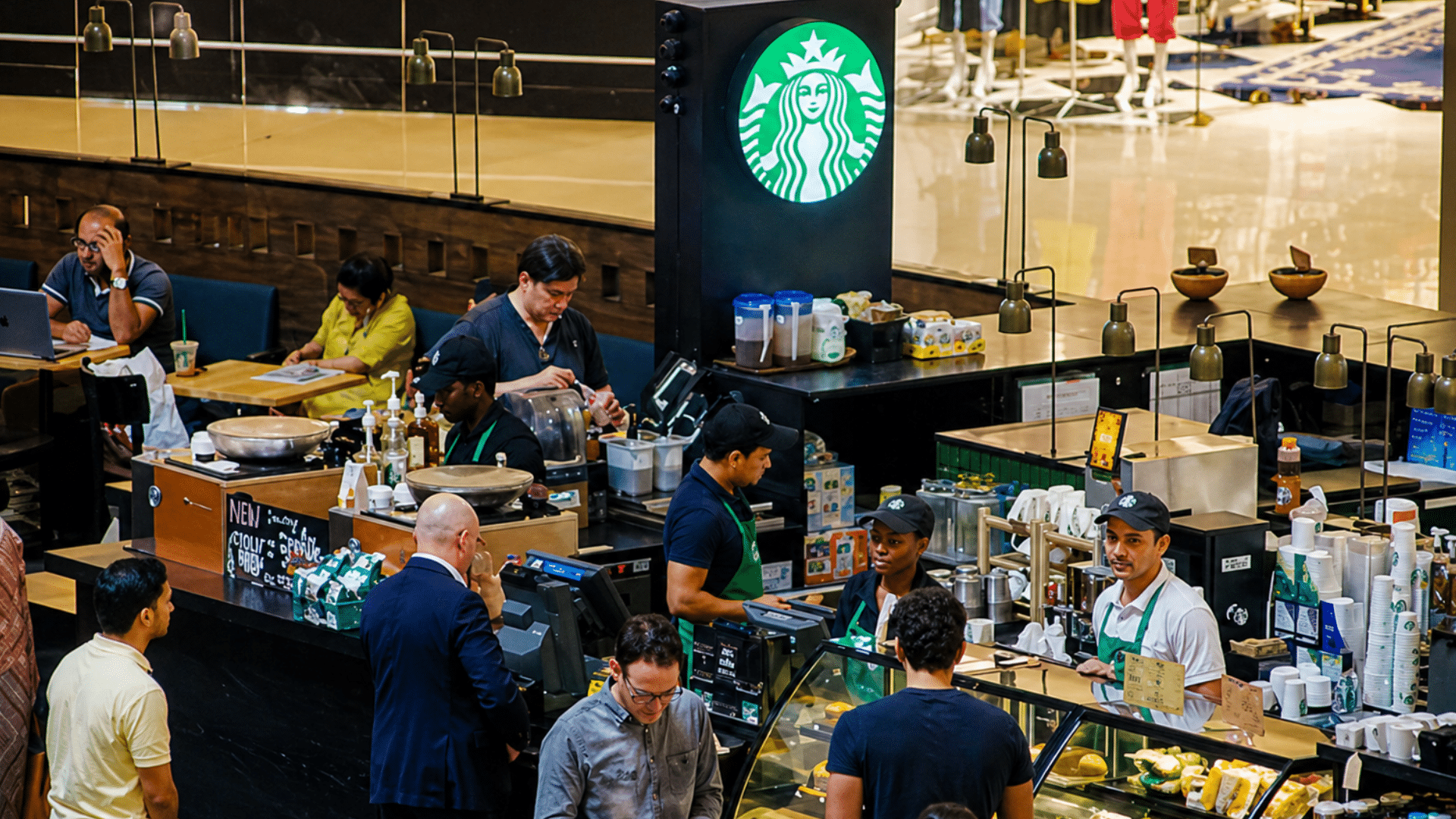
The Starbucks Nashville situation reflects a tension that is playing out across multiple large American companies: the gap between corporate decisions made on financial and strategic grounds and employee expectations shaped by years of working in a specific city, culture, and cost environment. Starbucks built its brand and its corporate culture in Seattle. It has long cultivated a progressive public image, backing racial equity initiatives and promoting inclusion as part of its identity. Asking employees who chose to work at that company, in that city, to relocate to Tennessee for a pay cut puts that identity in direct tension with its operational decisions.
The incentives Starbucks has offered are not insignificant. Stock grants worth tens of thousands of dollars, a $15,000 retention bonus for those who stay through 2026, and $2,000 in travel reimbursement to visit Nashville represent a genuine financial effort to smooth the transition. The fact that resistance remains despite those incentives suggests that for a portion of the workforce, the decision is not primarily about money. Location, community, lifestyle, and political environment are factors that financial packages address imperfectly, if at all. Companies that relocate operations to cities with sharply different cultures from their headquarters frequently underestimate how much those factors influence employee decisions.
Whether Starbucks’ Nashville hub ultimately succeeds as a corporate strategy depends on questions that are still unresolved. How many members of the sourcing team will relocate, and how many supplier relationships will need to be rebuilt from scratch? Will Nashville’s labor market deliver the talent the company needs at the cost structure it is targeting? And will the operational disruption of a forced relocation affect the supply chain of a company that is already managing a difficult turnaround? The $100 million investment signals that Starbucks is committed to the move regardless of the friction. The employees pushing back are a reminder that corporate strategy and human decisions do not always run on the same timeline.

