Starbucks Pulls Back From New York and LA, 434 City Stores Shut Down in $1 Billion Retreat
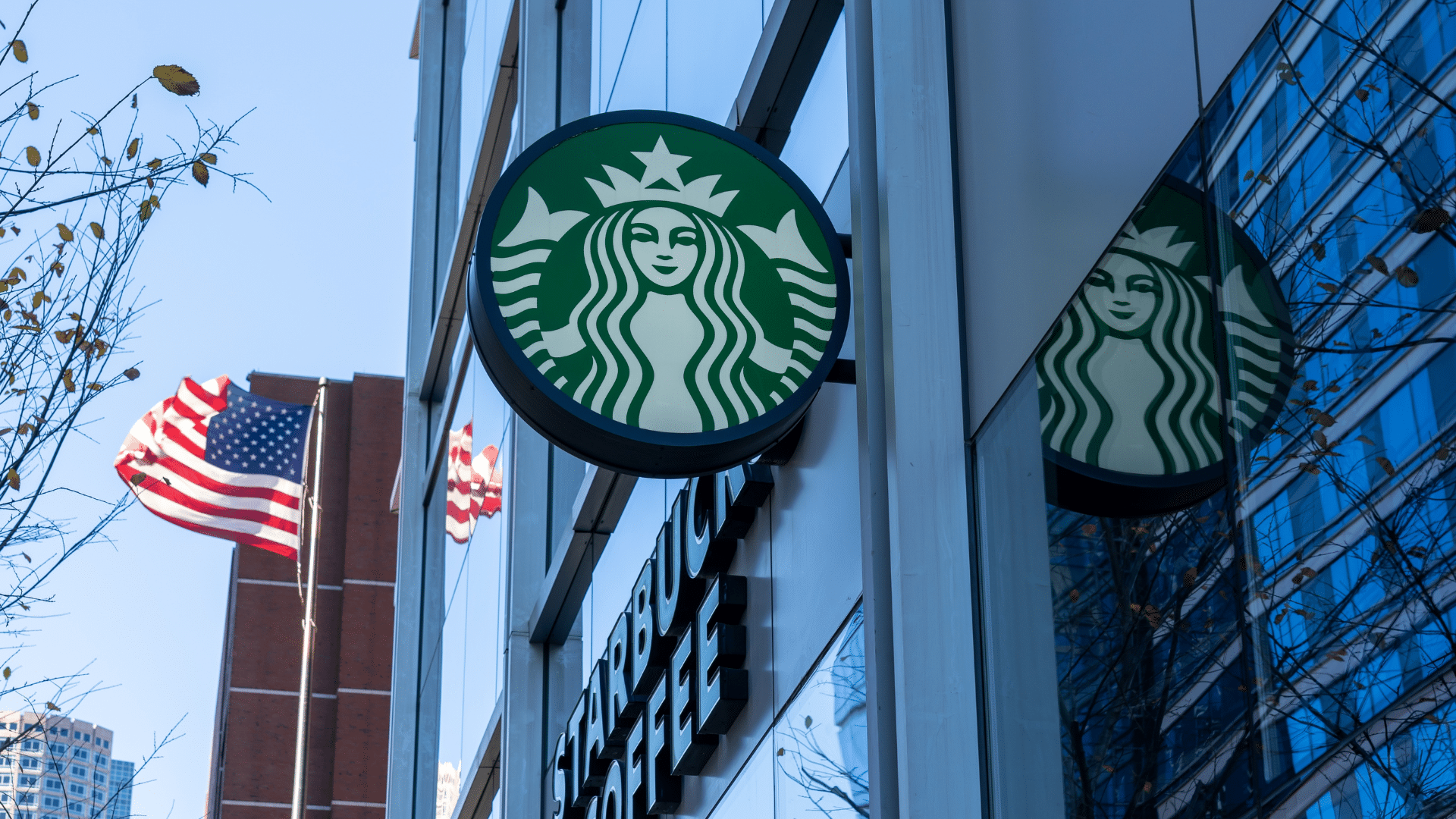

Starbucks is pulling back from the urban strongholds that once defined its brand. In a sweeping move, the coffee giant is shutting down roughly 434 underperforming stores across U.S. cities, part of a $1 billion restructuring under CEO Brian Niccol. The closures hit hardest in New York City and Los Angeles, places where Starbucks once prided itself on being everywhere. For decades, the company believed saturation meant dominance. Now it signals retreat. The strategy marks a sharp reversal of Starbucks’ long-standing “third place” vision, the idea that cafés should be community living rooms between home and work. Supporters say this is overdue realism. Critics say it looks like surrender. Either way, Starbucks’ urban footprint is shrinking fast, and the symbolism is impossible to miss.
New York Loses Its Starbucks Crown
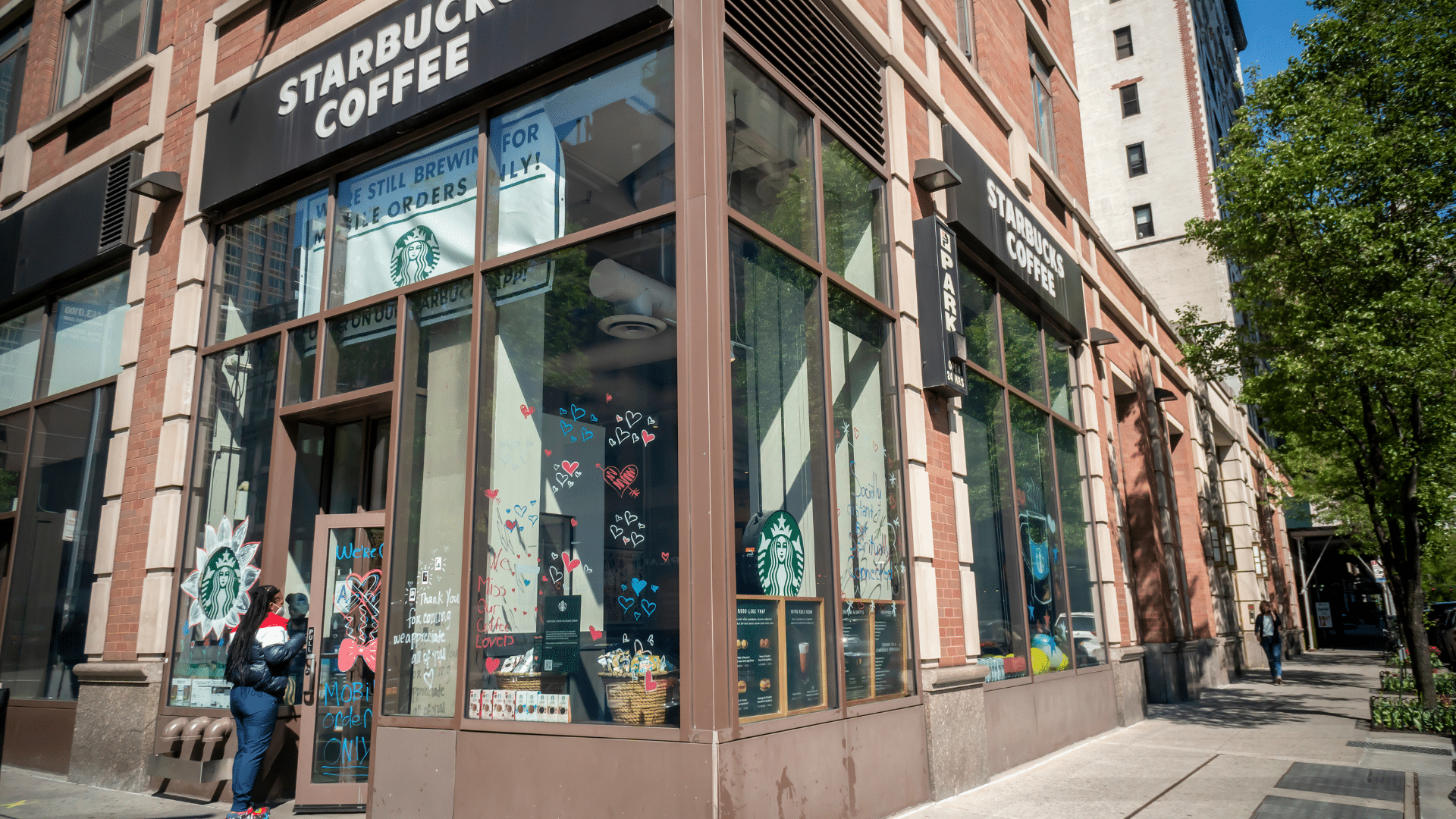
Nowhere is the shift more visible than New York City. Starbucks closed 42 locations, wiping out about 12 percent of its metro presence. For the first time ever, Dunkin’ now operates more Manhattan locations than Starbucks, with 623 stores citywide. That reversal carries serious symbolic weight in the most competitive coffee market in America. Manhattan was once Starbucks’ proof of concept for urban clustering, multiple stores within walking distance to dominate foot traffic. Today, that density looks like overexposure. As Starbucks pulls back, rivals and independent cafés are filling the gaps, reshaping the daily coffee habits of millions of commuters and residents.
Los Angeles and San Francisco Feel the Same Shock
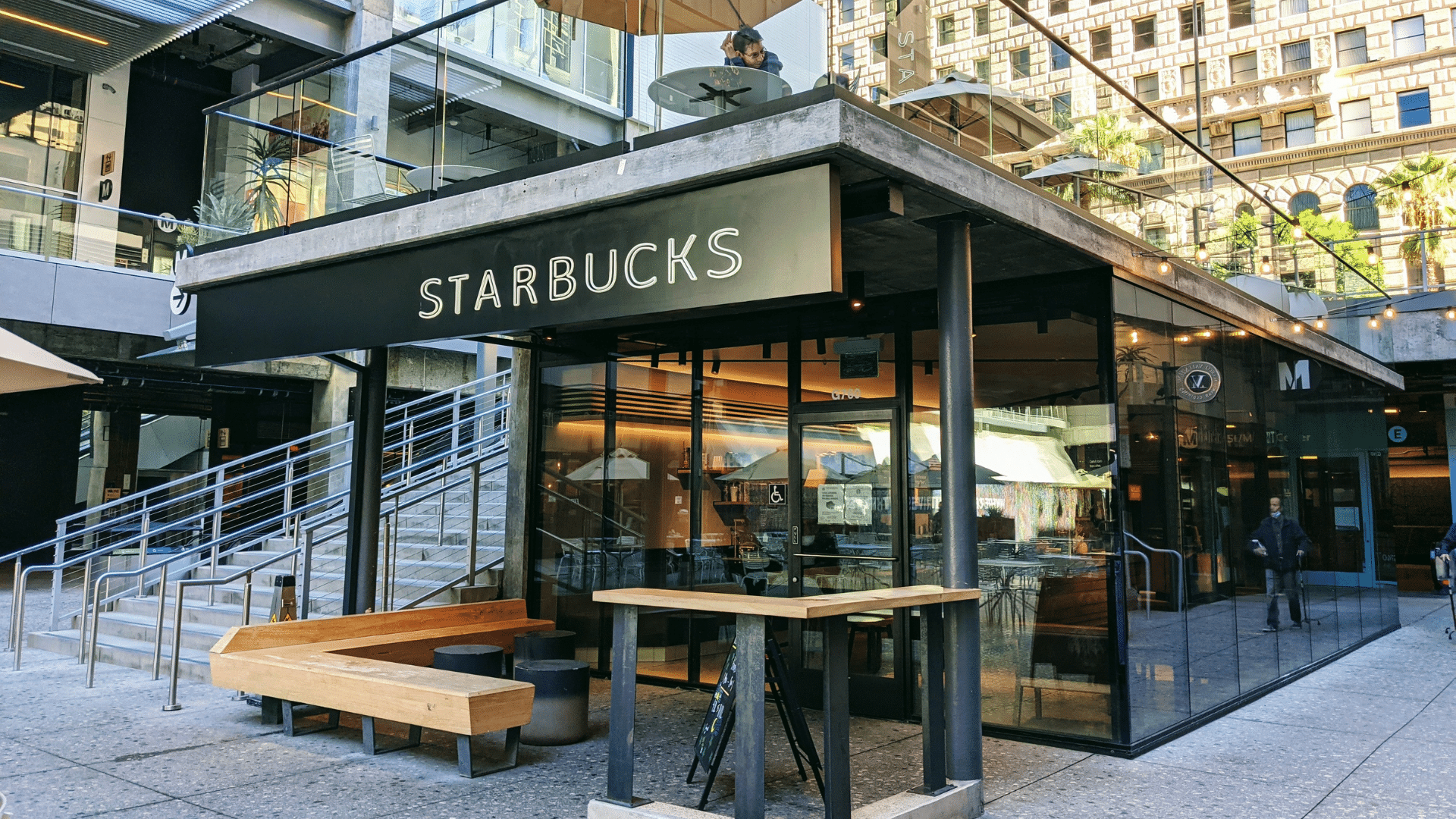
Los Angeles and San Francisco are seeing similar contractions. Downtown office corridors that once guaranteed morning rushes now struggle to justify rent. Several Starbucks locations on the ground floors of office towers closed specifically because remote work erased predictable commuter traffic. What used to be safe bets have become financial drains. The retreat underscores a harsh reality. Urban demand never fully rebounded after the pandemic. Starbucks is now acknowledging that some city locations may never return to pre-2020 volume, no matter how strong the brand.
Urban Economics No Longer Work
The financial math behind the retreat is brutal. Urban Starbucks stores face operating costs 1.5 to 2 times higher than suburban locations. Rent is higher. Labor is more expensive. Competition is fierce. Independent coffeehouses and boutique chains have chipped away at volume. The result is collapsing profitability. North America’s operating margin plunged from 19.83 percent in 2024 to just 11.53 percent in 2025. Even Arthur Rubinfeld, architect of Starbucks’ original expansion playbook, acknowledged that relentless competition has eroded urban store performance. Density stopped being an advantage and became a liability.
Drive-Throughs Become the New Gold Standard
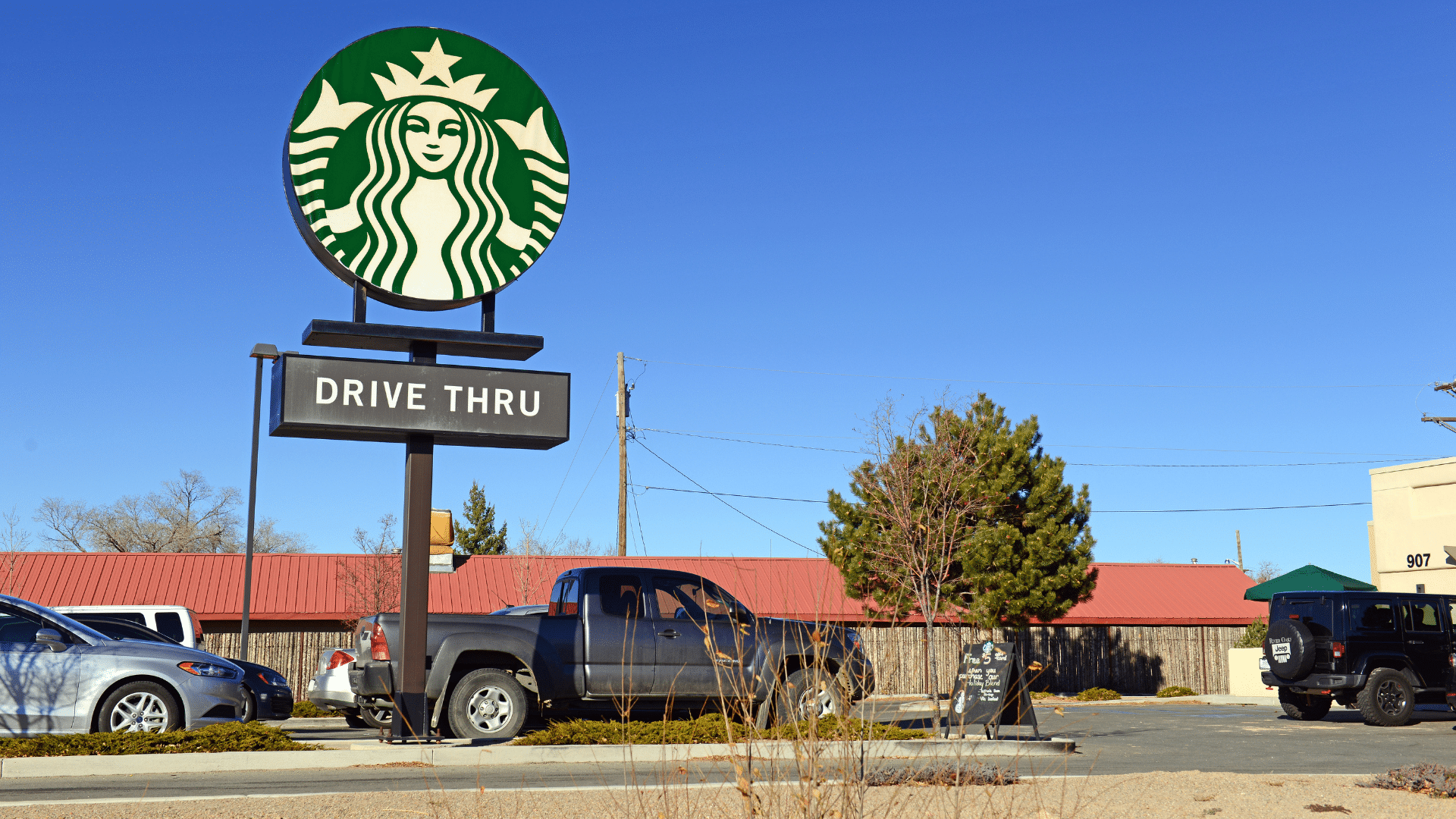
While Starbucks retreats from cities, it is doubling down on suburbs. Drive-through locations are now the company’s growth engine. In the fourth quarter of 2025, drive-through stores generated 35 percent more revenue than non-drive-through cafés. Today, 65 percent of U.S. Starbucks locations offer drive-through service. These stores benefit from lower rent, leaner staffing, and customers focused on speed and convenience rather than atmosphere. The shift signals a fundamental change. Starbucks is no longer betting on people lingering. It is betting on people leaving quickly.
Trying to Revive the ‘Third Place’ Anyway
Despite the retreat, Starbucks insists it has not abandoned its soul. CEO Brian Niccol launched the “Back to Starbucks” campaign to revive the third-place experience where it still makes sense. The company is investing over $500 million to boost staffing during peak hours, restore seating removed during the pandemic, bring back condiment bars, and eliminate extra charges for non-dairy milk. Starbucks wants to feel welcoming again. The contradiction is obvious. It is shrinking the café footprint while spending heavily to make remaining cafés feel more like the old Starbucks.
A $1 Billion Renovation Gamble
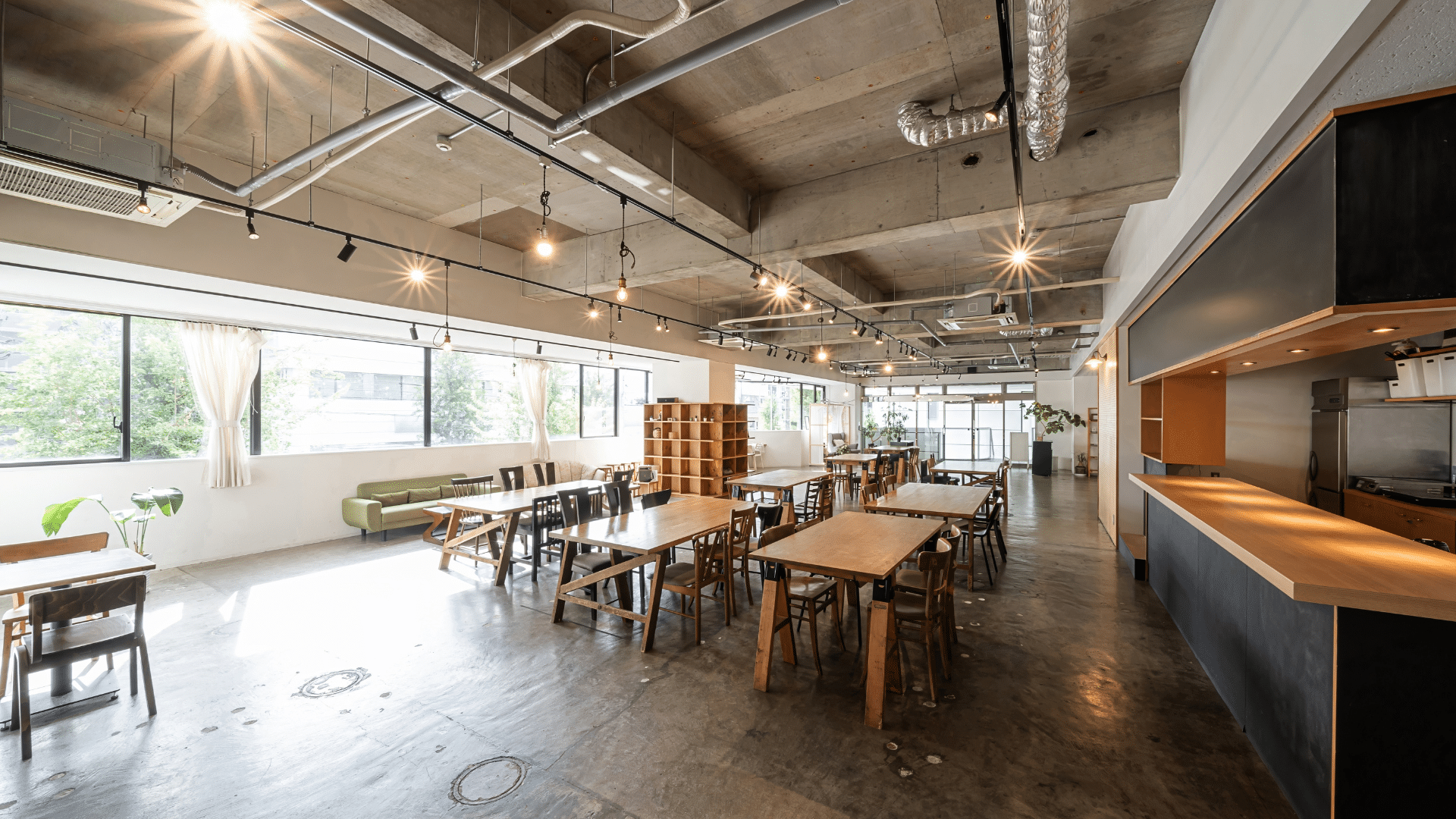
Starbucks plans to renovate about 1,000 U.S. cafés by the end of fiscal 2026, roughly 10 percent of its company-owned stores. Each renovation costs about $150,000 and includes refreshed layouts, improved lighting, and restored seating. The company is also testing a budget-friendly prototype with 30 percent lower construction costs. The gamble is clear. Starbucks hopes better experiences in fewer locations can offset lost volume from closures. Whether customers will linger again in a world of mobile orders remains an open question.
Safety Concerns Forced Policy Reversals
Urban challenges are not just economic. Safety played a major role. In January 2025, Starbucks reversed its open-door policy, requiring purchases for restroom access. Former CEO Howard Schultz openly cited mental health crises affecting stores. Years of operational strain included installing needle disposal boxes and closing locations due to safety concerns. The policy shift acknowledged what many baristas and customers already felt. The third place had become difficult to manage in dense city environments without strong social infrastructure.
Labor Strife Complicates the Turnaround
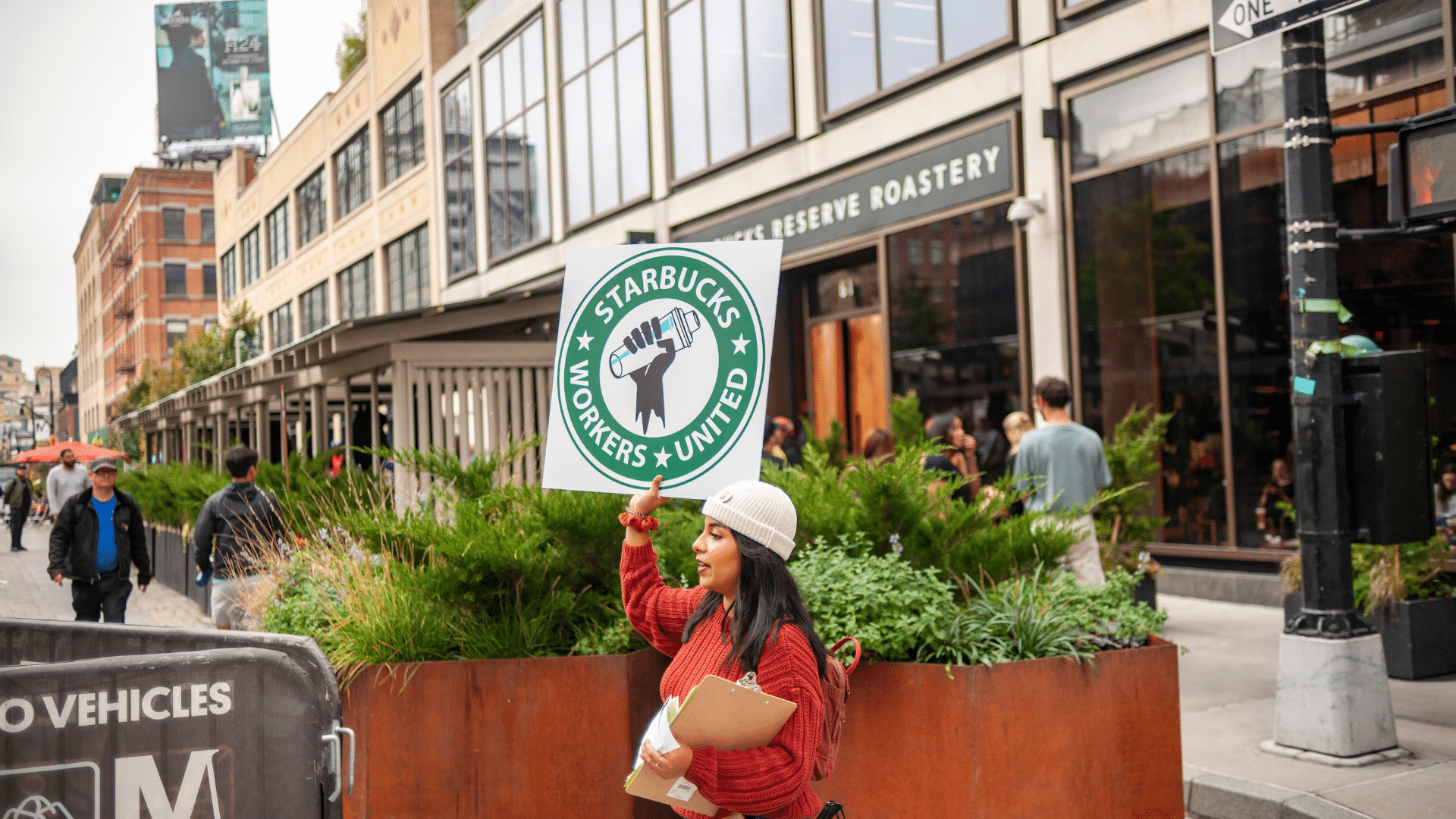
The retreat unfolds amid labor unrest. Starbucks Workers United launched the “Red Cup Rebellion” strike in November 2025, expanding to over 180 stores across 130 cities. The union, representing about 11,000 baristas, demands better staffing, predictable schedules, and higher wages. Surveys found 88 percent of baristas said understaffing created unsafe or unsustainable conditions. At the same time, Starbucks cut roughly 2,000 corporate jobs and tightened return-to-office rules. The tension between cost-cutting and culture repair remains unresolved.
A Retreat That Redefines Starbucks’ Future
Financially, Starbucks shows early signs of stabilization. Global revenue rose 5.5 percent to $9.6 billion in the fourth quarter of 2025, and comparable store sales turned positive for the first time in seven quarters. But net income collapsed 85 percent due to restructuring costs. Shares fell about 6 percent in 2025, reflecting investor skepticism. Starbucks’ retreat from New York and Los Angeles is not a collapse. It is a recalibration. The unanswered question is whether a brand built on being everywhere can thrive by being in fewer places.