Steak ‘n Shake Is Switching to 100% Grass-Fed Beef, and It Will Be the Only Major U.S. Burger Chain to Do So

Steak ‘n Shake is putting the “steak” back at the center of its name. Beginning June 1, 2026, the chain says its Steakburgers will be made with beef from pasture-raised cattle that are 100% grass-fed and grass-finished. The move is unusual for a major U.S. burger chain, where low cost, supply consistency, and speed usually shape sourcing decisions more than premium beef claims. It also turns a simple burger order into part of a bigger fast-food debate about ingredients, health messaging, and what customers are willing to pay for.
What The Chain Says Is Changing
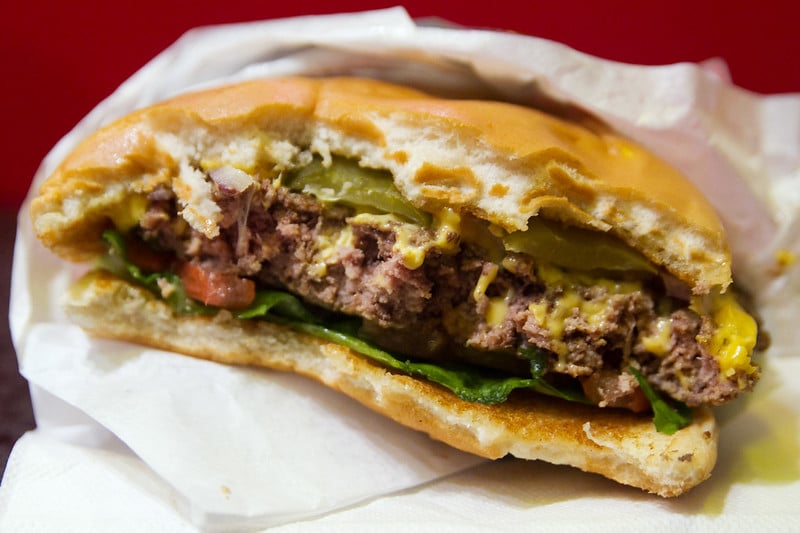
The company’s promise goes beyond a limited-time premium burger. Steak ‘n Shake says all its beef will come from pasture-raised cattle and will be 100% grass-fed and grass-finished, with no added antibiotics or hormones. That means the change is being presented as a chainwide sourcing standard, not a seasonal promotion or test menu item. The company has framed the switch as both a taste upgrade and a healthier direction for its core product.
Why Grass-Fed Beef Stands Out
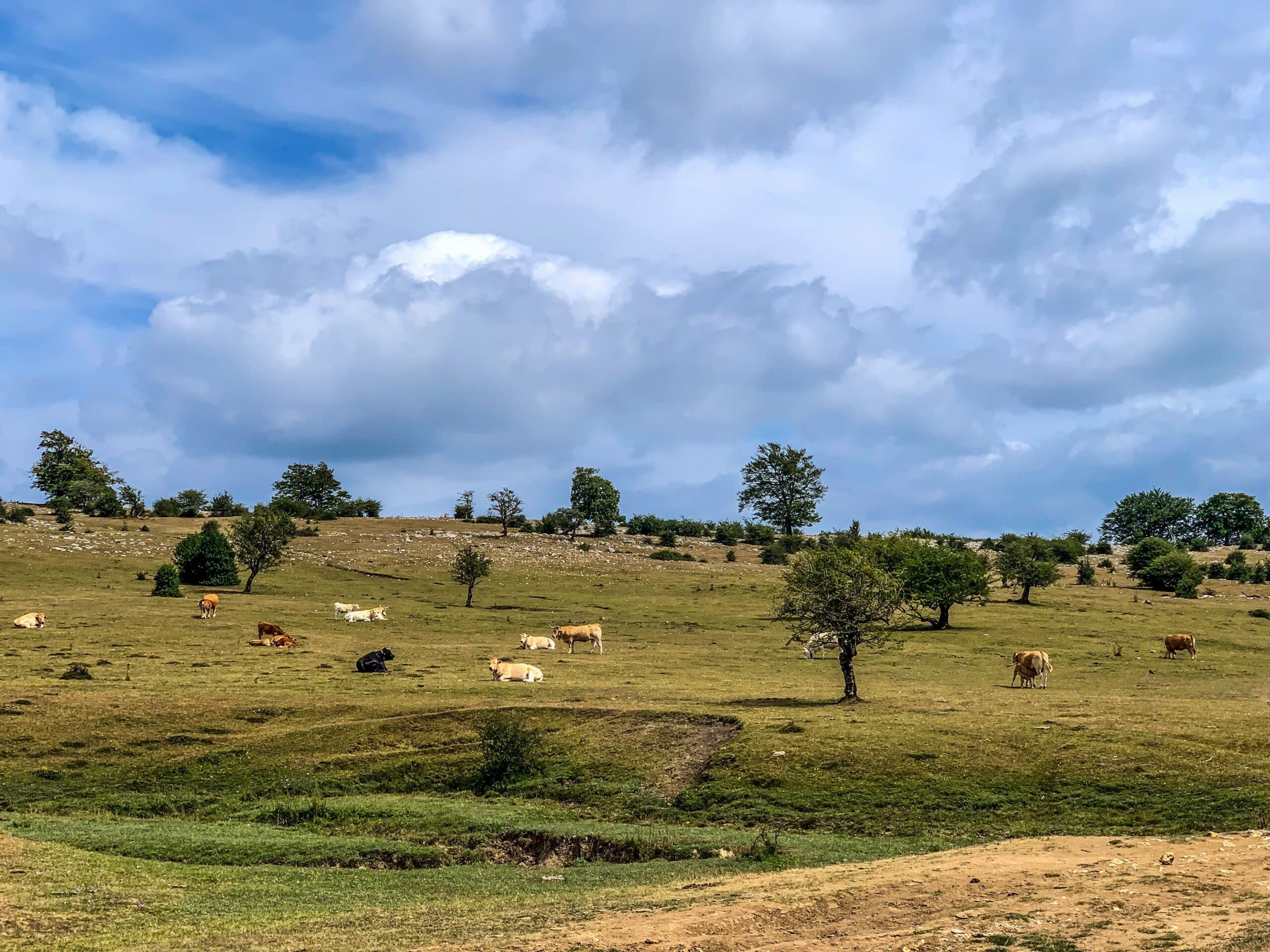
Grass-fed beef has long been associated with premium grocery shelves, specialty restaurants, and ranch-to-table marketing, but it is harder to scale across fast food. Most conventional U.S. beef production relies on cattle that spend part of their lives grazing and are later finished on grain to build weight and marbling more efficiently. Grass-fed and grass-finished beef usually requires different supply chains, more careful sourcing, and enough reliable volume to keep restaurants stocked. That is why Steak ‘n Shake’s move is notable: it is trying to make a niche-style beef claim work at fast-food scale.
The Move Builds On A Bigger Brand Shift
The beef change did not come out of nowhere. Steak ‘n Shake previously switched its fries to beef tallow, a decision that drew attention because it aligned with the “Make America Healthy Again” food movement and criticism of seed oils. The company also appointed Michael Boes, a former health policy adviser, as its first Chief MAHA Officer. That role places the burger chain directly inside a cultural conversation about “real food,” traditional fats, and ingredient simplicity. For Steak ‘n Shake, the grass-fed beef announcement looks less like a single menu update and more like the next chapter in a broader repositioning.
Taste May Matter More Than The Health Pitch
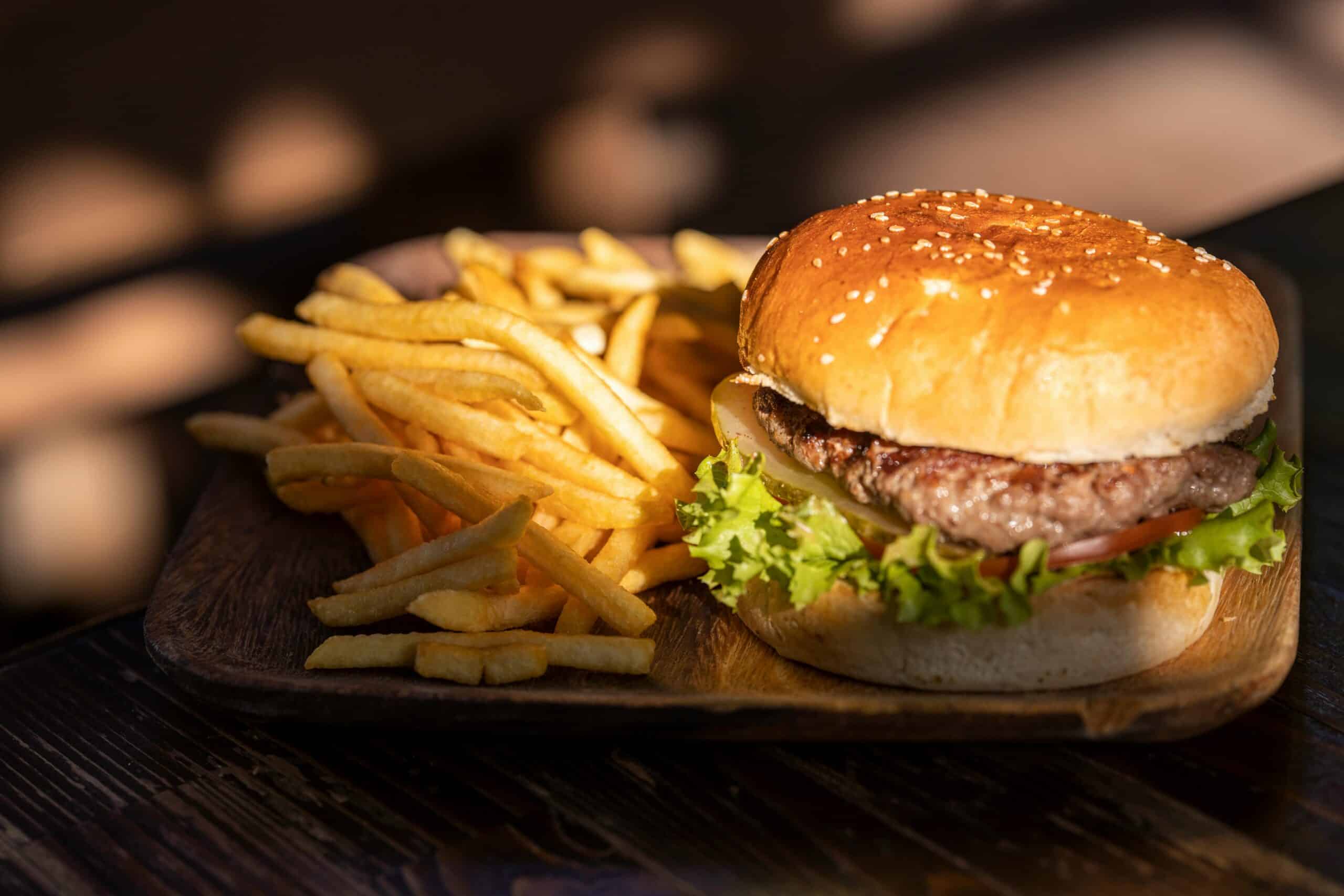
Although the company has emphasized health, its leaders have also said taste is central to the decision. Boes told Fox News Digital that Steak ‘n Shake tested grass-fed beef in local markets and customers supported the direction. That matters because fast-food health claims can be divisive, but taste is easier for diners to judge immediately. If customers believe the burgers are better, the switch could strengthen loyalty. If they notice price increases or inconsistent flavor, the premium sourcing claim may not be enough.
Price Is The Big Question

The unanswered issue is whether grass-fed beef can stay affordable at fast-food scale. Reports on the rollout note that Steak ‘n Shake has not clearly said whether the beef switch will raise menu prices. That uncertainty matters because burger chains are already fighting for price-sensitive customers after years of inflation. A premium beef claim may attract some diners, but it could also complicate the chain’s value message if costs rise. The challenge is simple: Steak ‘n Shake wants to sell better beef without making customers feel like they are paying steakhouse prices.
Supply Could Be Just As Difficult
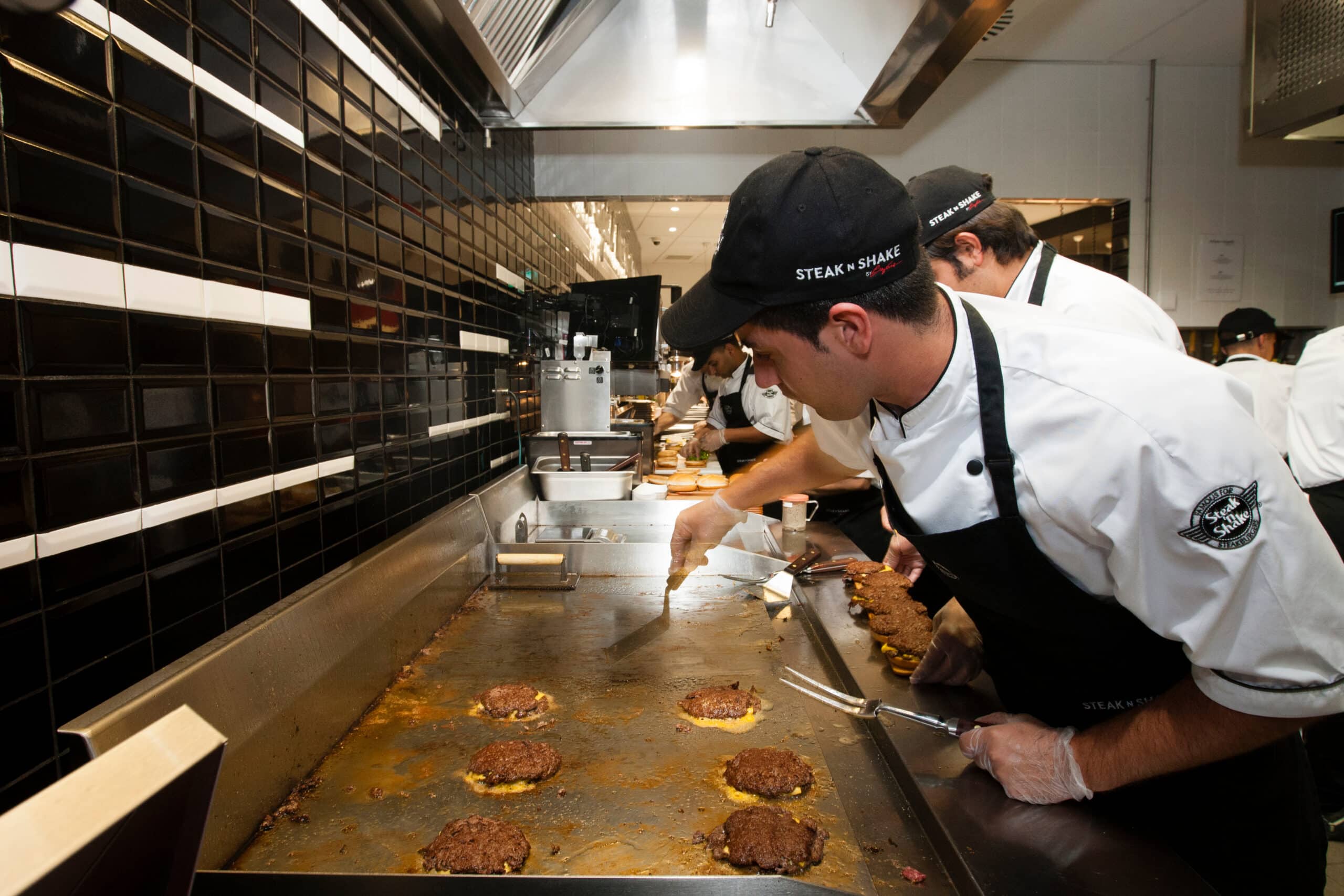
A chainwide grass-fed beef promise also raises supply questions. Steak ‘n Shake operates hundreds of restaurants, so the company will need enough beef that meets its standards while still keeping restaurants stocked. Some observers have already questioned whether the needed volume may require imports because fully grass-fed supply is more limited than conventional beef. That does not mean the plan cannot work, but it does mean sourcing, verification, and consistency will become part of the story. A single premium burger is easy to market; a permanent nationwide beef standard is harder to maintain.
The Label Itself Needs Careful Handling
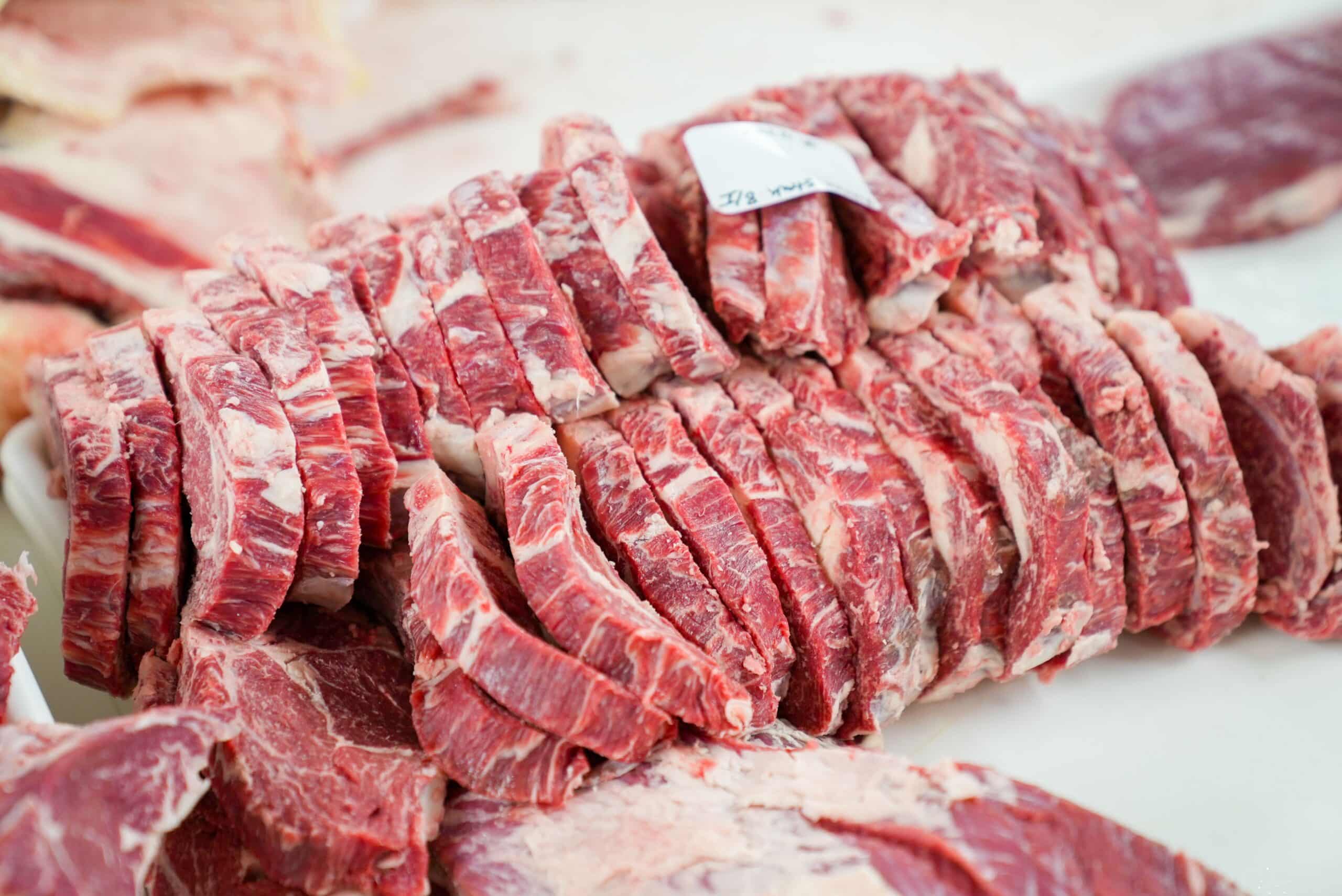
Terms such as “grass-fed,” “grass-finished,” and “pasture-raised” sound straightforward, but meat labeling has a complicated regulatory history. The USDA’s Agricultural Marketing Service withdrew its voluntary grass-fed marketing claim standard in 2016, though the agency said it would continue supporting verification programs and market reporting for grass-fed producers. That makes clear documentation and label approval especially important for companies using these claims at scale. For customers, the promise may sound simple. For suppliers and regulators, proving exactly what it means can be more complicated.
Competitors Will Be Watching
If the switch succeeds, other burger chains may face pressure to explain why they are not following. Steak ‘n Shake is trying to claim a distinct lane at a time when larger rivals compete heavily on chicken, beverages, digital deals, and limited-time promotions. A grass-fed beef standard gives the brand a clearer identity, but it also creates risk because customers will expect the product to live up to the claim every time. Competitors may wait to see whether the strategy drives traffic, improves perception, or becomes too expensive to sustain.
A Fast-Food Test With Bigger Stakes
Steak ‘n Shake’s bet is about more than beef. It is testing whether a major burger chain can use premium sourcing, ingredient simplicity, and cultural health messaging to stand apart in a crowded market. The company may win over diners who want fast food to feel less processed, but it will still have to deliver on price, taste, consistency, and trust. If the switch works, grass-fed beef could become a serious differentiator rather than a niche claim. If it struggles, it may show why most big burger chains have avoided making the same promise.