Surprising THC Combo Has Scientists Rethinking How to Stop Alzheimer’s Before It Starts


A new study is prompting scientists to take a second look at the potential role of a specific combination of THC, the main psychoactive compound in marijuana, and a common pharmaceutical drug in preventing the development of Alzheimer’s disease, because preliminary results indicate that when THC is paired with this widely prescribed medication it may significantly slow the accumulation of proteins linked to dementia, suggesting a possible pathway to reduce risk before the condition takes hold in the brain. Researchers caution that this finding is still in its early stages and that much more work will be needed to translate laboratory results into safe, effective therapies for people, but the results are already shifting scientific discussions about Alzheimer’s prevention strategies.
In laboratory models, scientists observed that THC alone appeared to reduce the buildup of amyloid-beta and tau proteins, which are widely believed to be key drivers of neuron death and cognitive decline in Alzheimer’s, but when the cannabinoid was combined with certain existing medications, the effect was even stronger, suggesting that the two compounds may work synergistically to enhance the brain’s ability to clear or suppress harmful protein aggregation. While these findings are preliminary, they raise intriguing questions about how cannabinoids could be leveraged in future preventive regimens for at-risk individuals, a prospect that has drawn considerable interest from researchers already engaged in the difficult challenge of finding effective dementia interventions.
Alzheimer’s disease, which affects millions of people worldwide and has so far resisted nearly all attempts at disease-modifying treatment, has long frustrated scientists looking for ways to prevent or delay onset rather than simply manage symptoms, and this new research contributes to a growing body of work exploring how nontraditional compounds, including cannabinoids, might influence underlying disease processes in the brain.
How the THC-Drug Combination Affects Alzheimer’s Pathways
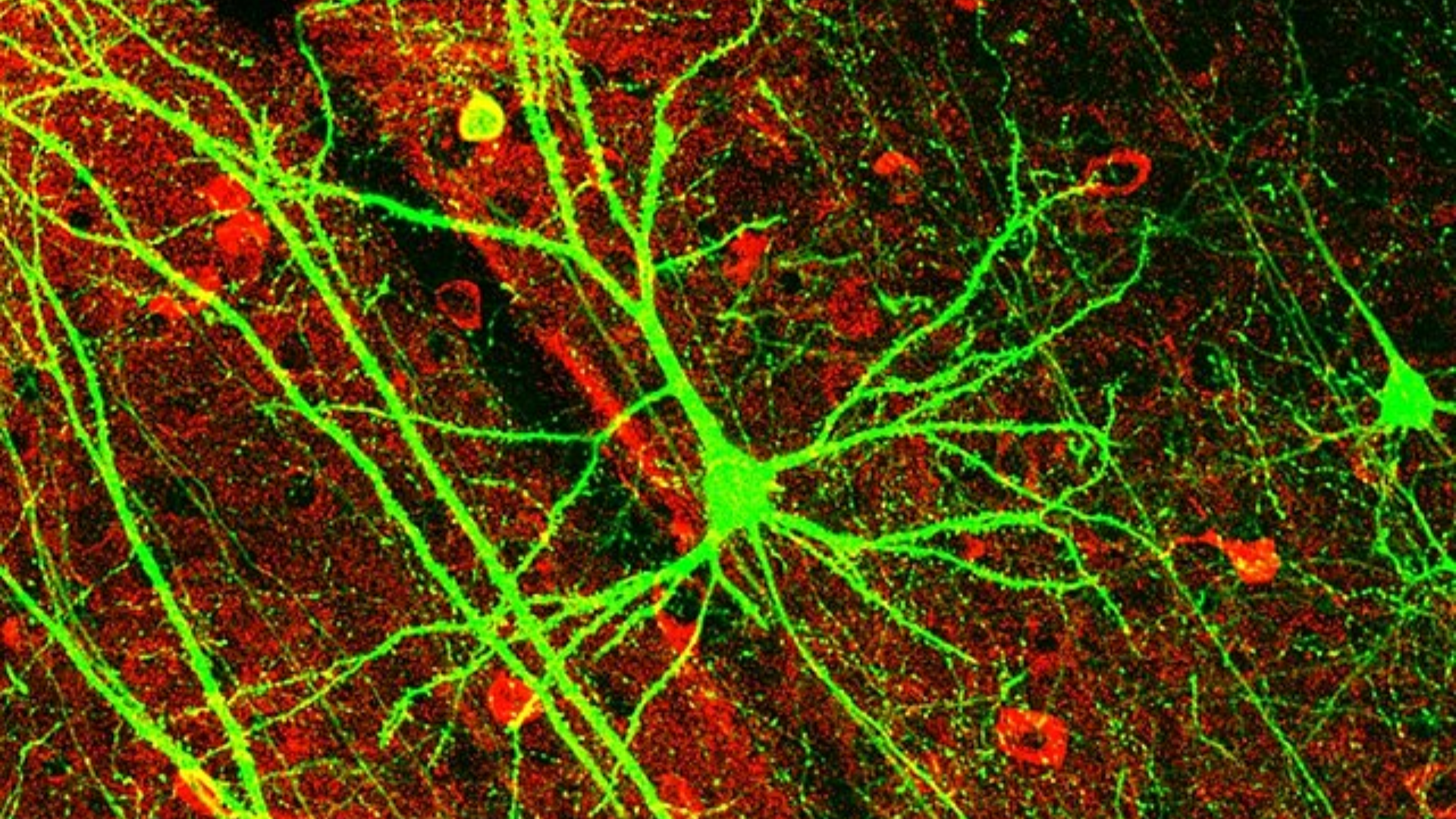
In the study, researchers focused on the way neurons respond to both THC and the partner drug, which is already approved for other uses and has a known safety profile, observing that the combination appears to enhance mechanisms involved in clearing amyloid-beta plaques, sticky protein clumps that accumulate in the brains of people who go on to develop Alzheimer’s, more effectively than either agent alone, hinting at a synergistic effect in how the compounds influence cellular cleanup pathways.
The partner drug used in the experiments appears to modulate key proteins involved in cellular stress responses, which, when combined with THC’s impact on inflammatory and neural signaling pathways, may create an environment in the brain that is less hospitable to the formation and spread of harmful protein aggregates, a process that could theoretically delay or reduce the severity of cognitive decline if translated to human biology.
Although the exact mechanism remains under investigation, scientists are intrigued by the possibility that this pairing could help preserve neural connections and support brain plasticity, both of which are critical in maintaining cognition and memory, aspects of brain function notoriously compromised as Alzheimer’s progresses, and which may benefit from treatments that take a more holistic approach to disease prevention.
What This Means for Alzheimer’s Prevention Research
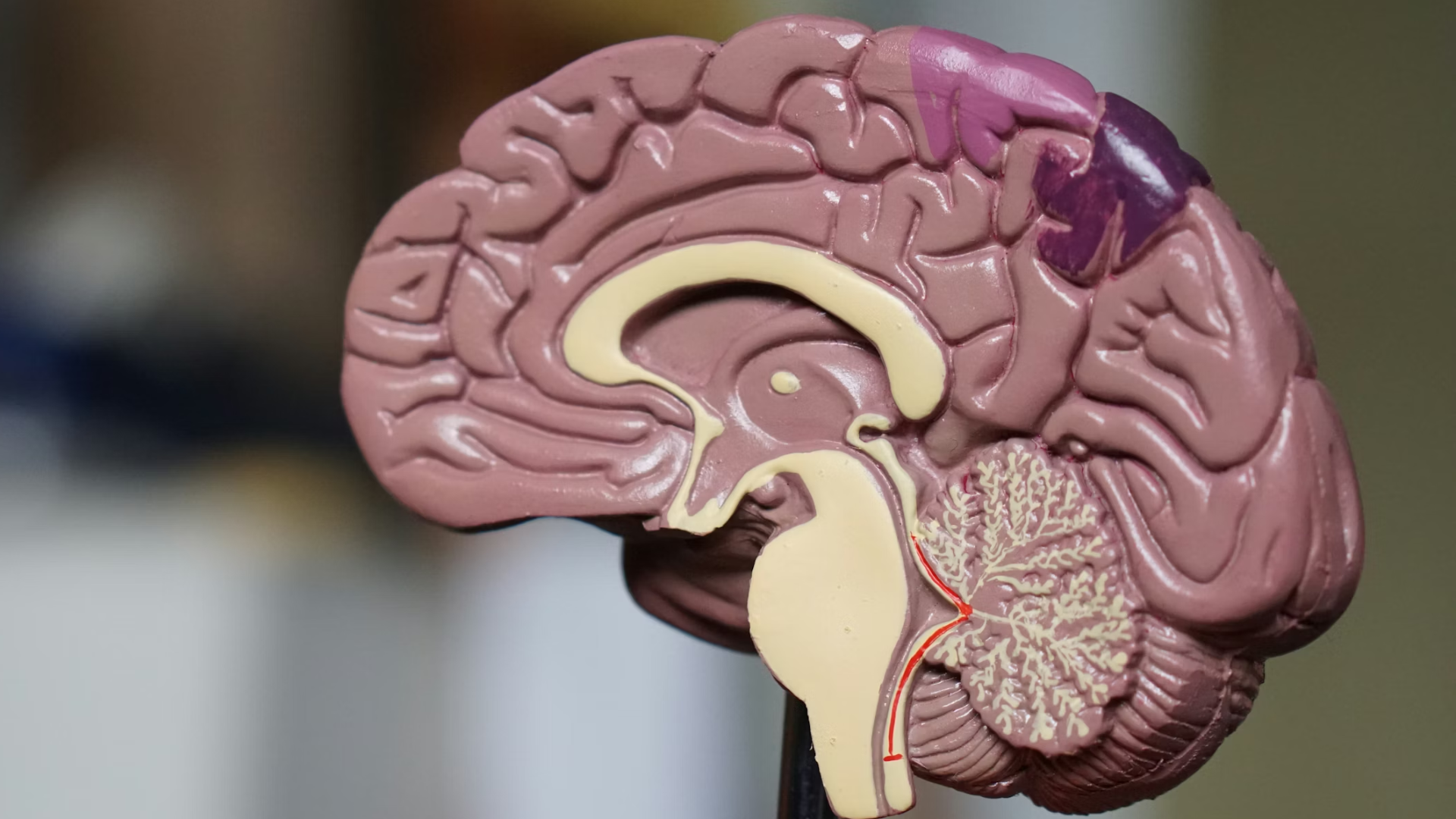
If further studies confirm and expand upon the initial results, the idea that a cannabis-related compound could play a role in Alzheimer’s risk reduction represents a significant shift in how scientists conceptualize preventive strategies for neurodegenerative disease, because most existing research has focused on targeting amyloid and tau after they accumulate rather than exploring agents that might modify early disease pathways before symptoms emerge.
Experts caution that untethered enthusiasm is premature, because the road from early laboratory results to safe, effective preventive treatments for humans is long and fraught with challenges including dose optimization, side effect profiling and rigorous clinical trials, but the research has nonetheless invigorated a broader conversation about how compounds once thought of mainly for recreational use might have unexpected therapeutic value.
This evolving area of study dovetails with wider interest in how lifestyle factors, diet, metabolic health and inflammation influence neurodegenerative risk, and how multi-targeted approaches, combining pharmaceuticals, nutraceuticals and other agents, might one day offer more robust protective benefits than single-pathway therapies have achieved to date.
What Patients and Families Should Know

For now, clinicians emphasize that there is no approved medicine that prevents Alzheimer’s disease, and people should be wary of claims that cannabis or any single compound can act as a cure or guaranteed preventive measure, because current evidence is limited to early research and has not yet been tested in large-scale human trials that demonstrate safety and efficacy for dementia prevention.
Anyone considering the use of marijuana or THC products for medical reasons should consult with a healthcare provider first, especially because cannabinoids can interact with other medications and have varying effects on cognition, mood and overall health depending on the individual’s medical history, age and concurrent treatments.
Ultimately, this surprising combination of THC and a common drug has opened a new avenue of inquiry that may help scientists imagine fresh ways to target early disease processes in Alzheimer’s, but it also underscores the importance of robust clinical validation, cautious optimism and a balanced approach that weighs potential benefits alongside safety and evidence at every step of preventive research.