Survey Says About 688,000 Arkansans Face Food Insecurity, Calling It ‘Worst in the Nation’
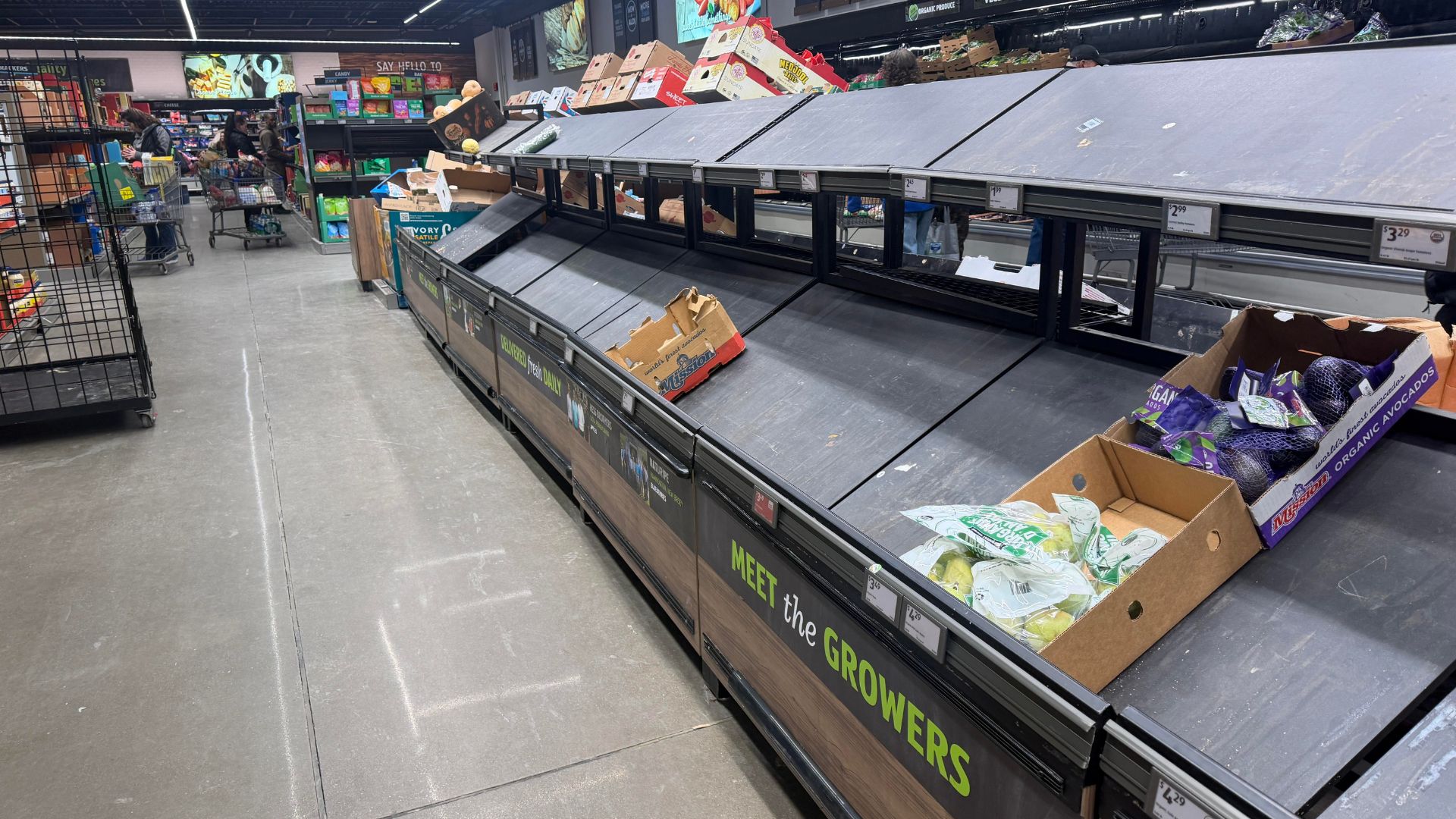

Arkansas has struggled with hunger for years, and now new data places that strain in clearer view across the state. The latest Arkansas Health Survey reports that 28.8% of adults lack consistent access to nutritious food needed for an active and healthy life. That figure equals about 688,000 people, pushing the state beyond earlier estimates that had already ranked it worst in the nation.
Those numbers stretch across urban and rural communities, and rates climb even higher in counties including Columbia, Crittenden, Lee, Lincoln, Sebastian, and Union. In those areas, adult food insecurity reaches 32% or more, which signals uneven pressure across census tracts. Access to services and local resources varies from one neighborhood to the next, and that variation shapes how families experience hardship.
Researchers based the findings on nearly 10,000 responses and examined more than 30 health indicators across 823 census tracts. Arkansas now stands as the second state, after California, to conduct this level of community health tracking, and state officials plan to repeat the survey annually.
County-Level Disparities In Food Insecurity Rates

Food insecurity in Arkansas does not fall evenly across the state, and the latest survey shows that certain counties carry higher rates than others. Columbia, Crittenden, Lee, Lincoln, Sebastian, and Union counties report adult food insecurity levels of 32% or more, which places them above the statewide average of 28.8%. That pattern shows how geography influences how often residents struggle to secure consistent access to nutritious food.
As researchers reviewed nearly 10,000 responses, they mapped those gaps across 823 census tracts, and that closer analysis revealed how hardship clusters within specific communities. Access to grocery stores, transportation, and health services varies by location, and that uneven access shapes how families manage limited food resources. Don Willis of the University of Arkansas said that when families worry about their next meal, the strain extends into other areas of health and stability.
Because of those localized differences, the survey connects county-level food insecurity with broader health pressures measured across communities. Adults facing food insecurity report higher levels of unmet medical care, and those reports align with patterns of chronic conditions and depression tracked at the census tract level.
Annual Census Tract Health Tracking Initiative

Arkansas has committed to tracking food insecurity at the census tract level, and that decision places the state among only two states conducting detailed community health surveys at that scale. The Arkansas Health Survey draws from nearly 10,000 responses, and through that dataset, researchers measure more than 30 indicators across 823 census tracts.
Through that framework, public health officials can compare neighborhood-level conditions instead of relying on statewide averages that mask variation. The survey uses a six-item USDA module rather than a single-question format, and that structure captures a broader range of household food access experiences.
Michael Niño, the survey’s lead researcher, said food insecurity often gets treated as a simple yes or no issue, yet the reality is more complex. Arkansas plans to repeat the survey annually, and that schedule will continue even as federal food security monitoring efforts wind down.
Local Accountability And Policy Direction

Arkansas now holds a detailed dataset that keeps food insecurity tracking within the state, and that control changes how agencies plan future responses. Annual census tract reporting provides lawmakers and nonprofit organizations with consistent geographic benchmarks, and those benchmarks connect funding decisions to measurable neighborhood conditions. As reporting continues each year, recurring data points allow leaders to monitor movement across the same communities.
That continuity strengthens oversight because year-over-year comparisons can reveal whether targeted programs reduce hardship within specific census tracts. Health departments can review food insecurity rates alongside medical access indicators, and that coordinated analysis aligns outreach efforts with documented conditions. Through repeated measurement, policy discussions rely on observable patterns rather than broad assumptions.
At the same time, Arkansas continues this tracking effort as federal food security monitoring efforts conclude, and that continuation places long-term responsibility at the state level. Continued annual collection will expand the historical record across counties, and that growing archive can guide legislative budgeting and nonprofit coordination in future planning cycles.