The Fast Foods With the Highest Levels of Plastic-Linked Chemicals

Some of America’s most popular fast food items may come with an unexpected side of plastic chemicals. Data from the PlasticList database shows elevated levels of phthalates in food from major chains. These chemicals are linked to packaging, processing, and delivery systems. The findings raise fresh concerns about what consumers are really ingesting.
What Are Phthalates—and Why They Matter
Phthalates are chemicals used to make plastics flexible and durable. They are commonly found in food packaging, gloves, tubing, and processing equipment. Because they are not tightly bound to plastic, they can easily leach into food. Scientists have linked long-term exposure to serious health risks.
Documented Health Risks
Research shows chronic exposure to phthalates can disrupt the endocrine system. Studies associate them with reproductive harm, developmental problems in children, pregnancy complications, organ damage, and increased cancer risk. Experts warn that frequent fast food consumption may increase cumulative exposure. This has intensified calls for regulatory action.
Why Regulators Are Under Scrutiny
Environmental health advocates say phthalates remain widespread because they are not fully banned. According to the Environmental Working Group, petitions to restrict their use date back to 2016. Yet the FDA has not issued a comprehensive prohibition. As a result, these chemicals continue to appear in fast and ultra-processed foods.
Taco Bell and McDonald’s Raise Red Flags
PlasticList data found Taco Bell’s Cantina Chicken Burrito contained over 14,000 nanograms of DEHP per serving. This level exceeded 92% of other foods in the database. McDonald’s Quarter Pounder with cheese showed extremely high DEHT levels—higher than 93% of all products analyzed.
Burger King, Wendy’s, and Shake Shack
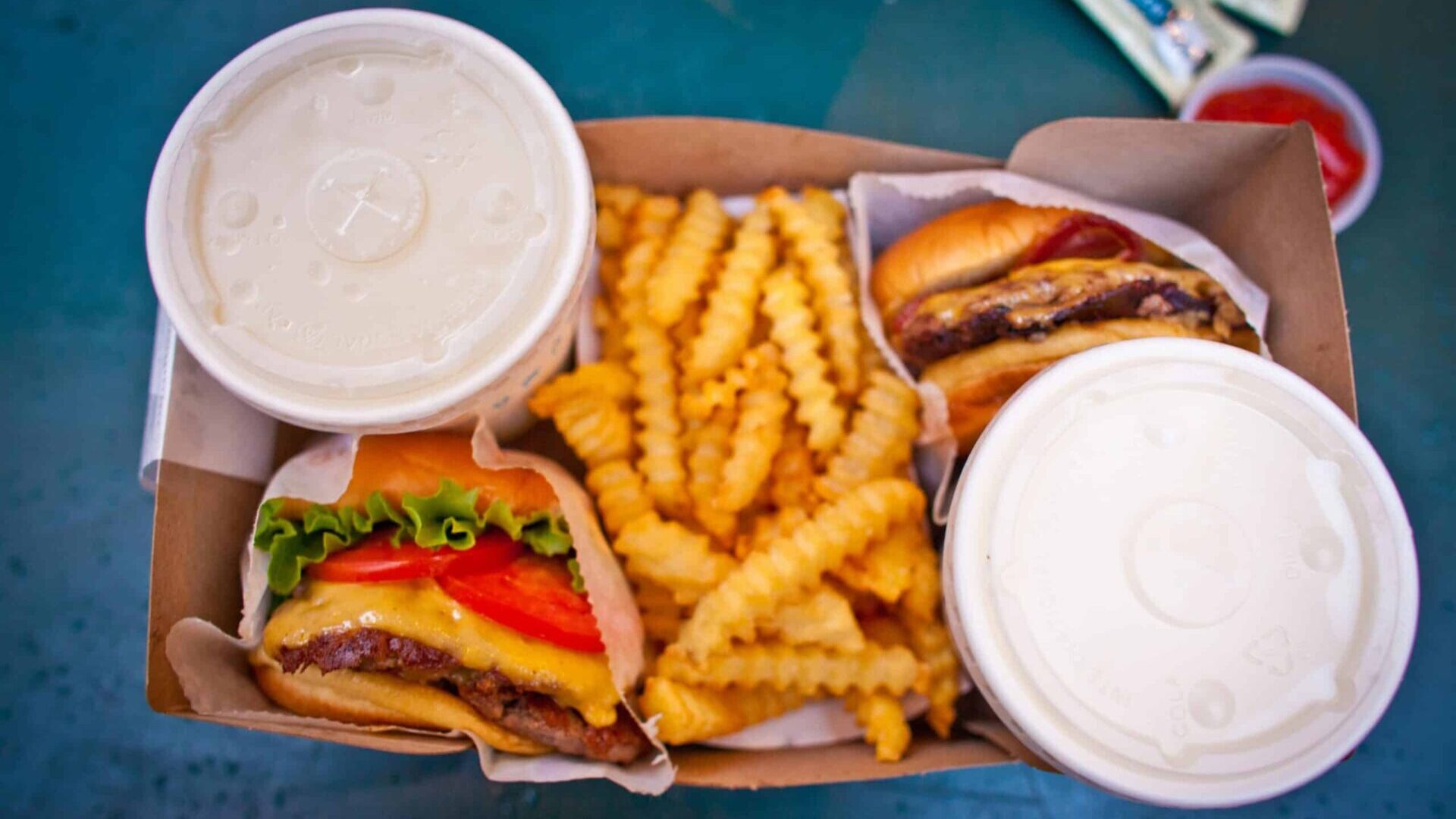
Burger King’s Whopper with cheese ranked among the highest for plastic chemicals, with DEHT levels reaching millions of nanograms per serving. Wendy’s burgers also showed very high DEHT and DEHA levels. Shake Shack’s cheeseburgers ranked in the top percentile for DEHP, with shakes also testing high for plastics.
How Plastics Get Into Fast Food

Experts explain that phthalates are used throughout the food production chain. They can migrate into food from processing machines, gloves, tubing, wrappers, and containers. Highly processed foods face more contamination risks due to repeated contact with plastic materials. Each step increases exposure.
Beyond Phthalates: Microplastics

Fast food may also contain microplastics—tiny plastic particles under 5 millimeters. These particles can enter food through packaging, processing, and environmental exposure. Scientists have detected microplastics in human blood, organs, and even the brain. Their long-term health effects are still being studied.
Links to Chronic Disease

Recent studies suggest micro- and nanoplastics may contribute to inflammation and oxidative stress. Some evidence links them to cardiovascular disease and other chronic conditions. Researchers stress that accumulation over time poses the greatest risk. Frequent fast food consumption could amplify this exposure.
Can Consumers Protect Themselves?
Experts say avoiding all plastic exposure is nearly impossible. However, choosing less processed foods and cooking at home can help reduce risk. Limiting plastic cookware, storage containers, and packaging also lowers exposure. Ultimately, scientists argue that systemic change—not individual effort alone—is needed to protect public health.