The Grandma Candy Everyone Remembers and No One Could Stand
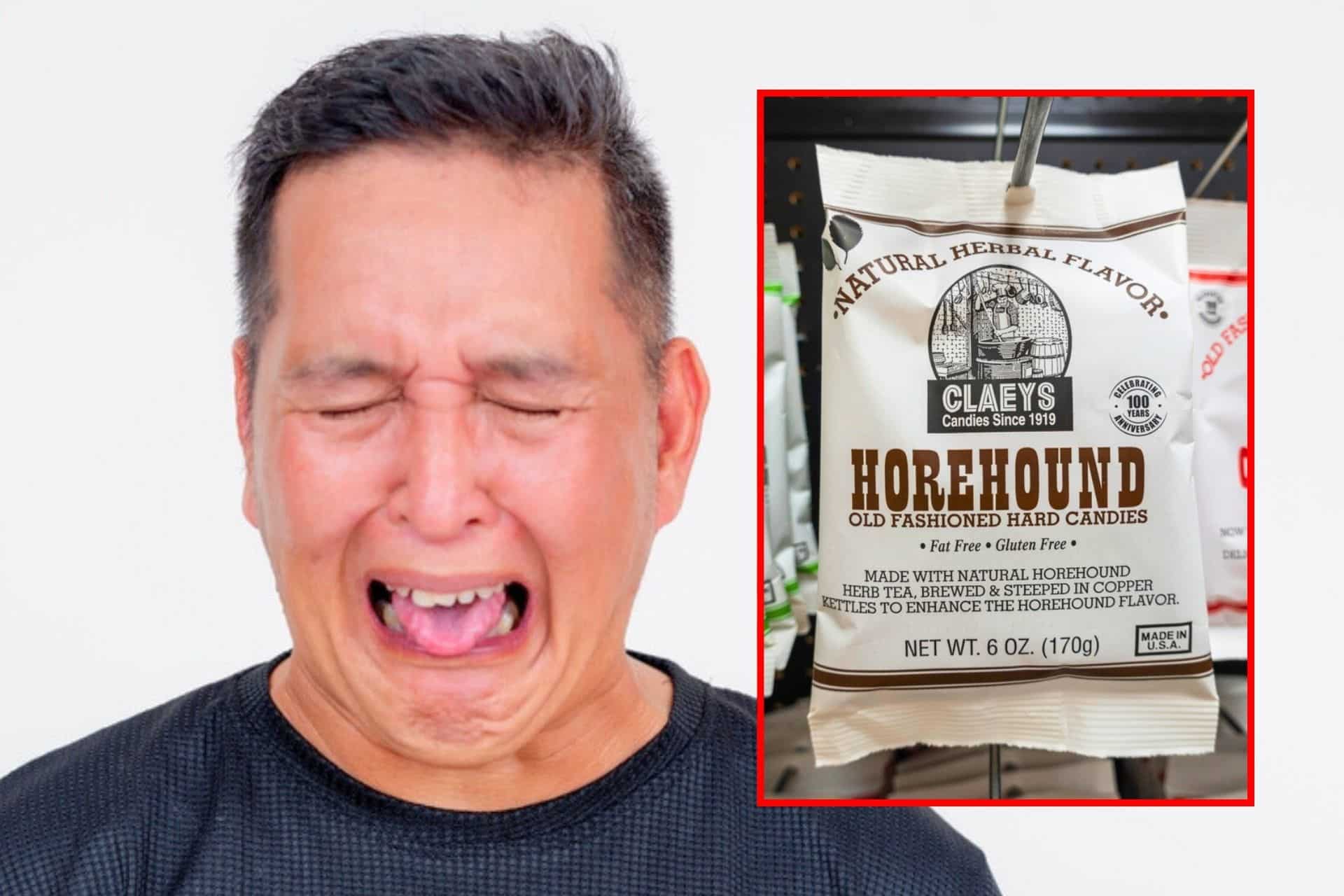

Almost everyone remembers it sitting in a glass candy dish at a grandparent’s house: small, brown, and unmistakably hard. While other “grandma candies” like strawberry bonbons or butterscotch had their fans, this one often inspired confusion or outright dread the moment it hit your tongue.
That candy was horehound, an old-fashioned hard candy made from an herb in the mint family. For many kids, it tasted nothing like candy at all. Instead, it delivered a sharp, bitter, medicinal flavor that felt more like cough syrup than a treat.
Despite its unpopularity with younger generations, horehound candy has a long history and a purpose that goes beyond satisfying a sweet tooth.
What Horehound Candy Actually Is
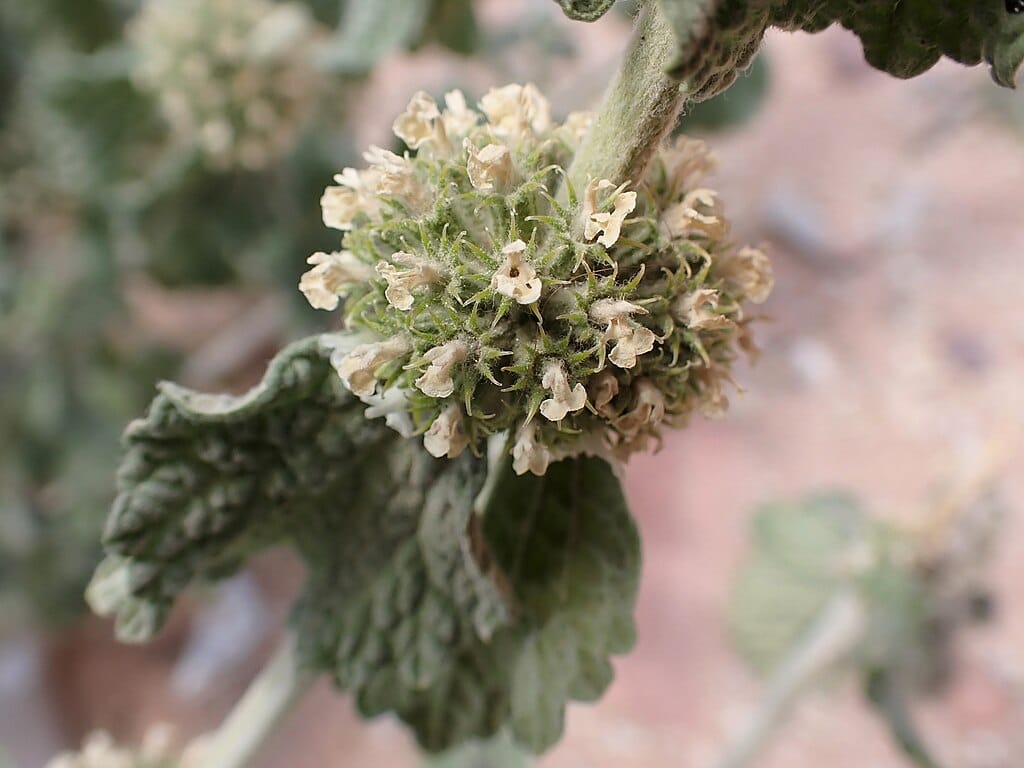
Horehound candy is made from the extract of white horehound (Marrubium vulgare), a flowering herb traditionally used in folk medicine. The candy is typically dark amber, extremely hard, and flavored with a mix of herbal bitterness and light sweetness from sugar or molasses.
Its taste is often described as earthy, minty, and medicinal—a profile that explains why it was rarely a child’s favorite. As one modern description put it, horehound candy is “sweet and bitter at the same time,” making it a love-it-or-hate-it experience.
Historically, horehound wasn’t meant to compete with chocolate bars. Its popularity dates back to the late 1800s and early 1900s, when horehound was widely used as a home remedy and commonly sold in general stores and apothecaries. For generations who grew up before modern cold medicine, the candy became a familiar fixture that is associated with care, practicality, and “medicine that came in candy form”.
Why Grandparents Swore By It
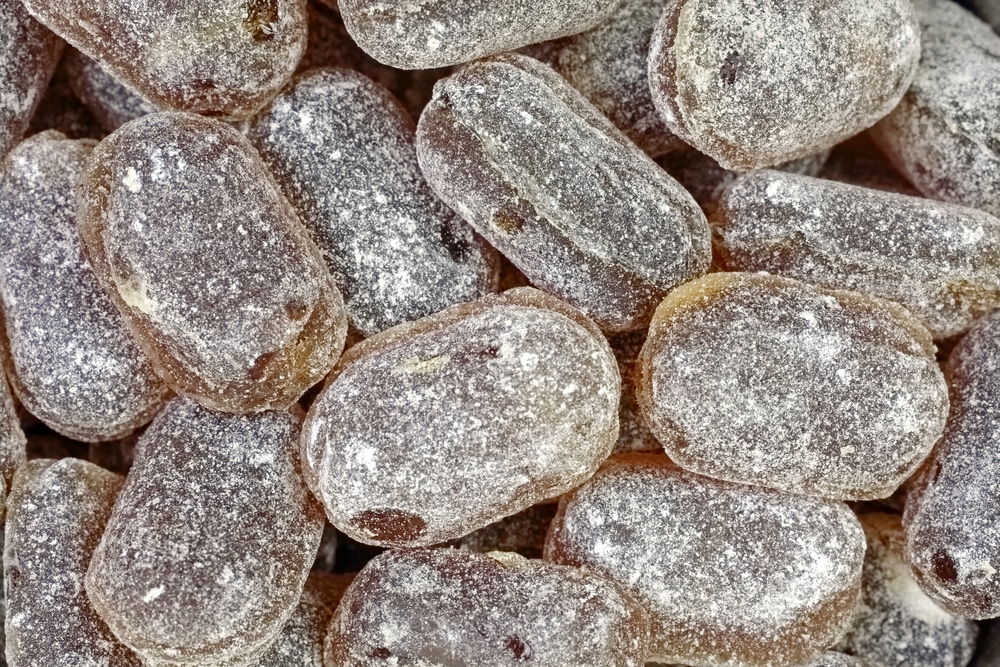
For many grandparents, horehound candy was less about indulgence and more about practicality. The herb has long been associated with expectorant and digestive benefits, which made it appealing to generations raised before over-the-counter cold medicines were common.
More recently, researchers have taken a closer look at horehound’s biological effects. A UCLA Health column noted that some studies suggest the herb may help lower blood glucose, though researchers caution that evidence remains mixed and more study is needed.
That possible health connection helps explain why horehound stuck around. To older generations, the candy wasn’t unpleasant—it was functional. Its bitterness signaled that it was “doing something,” even if younger taste buds strongly disagreed.
Why It’s Still Remembered Today
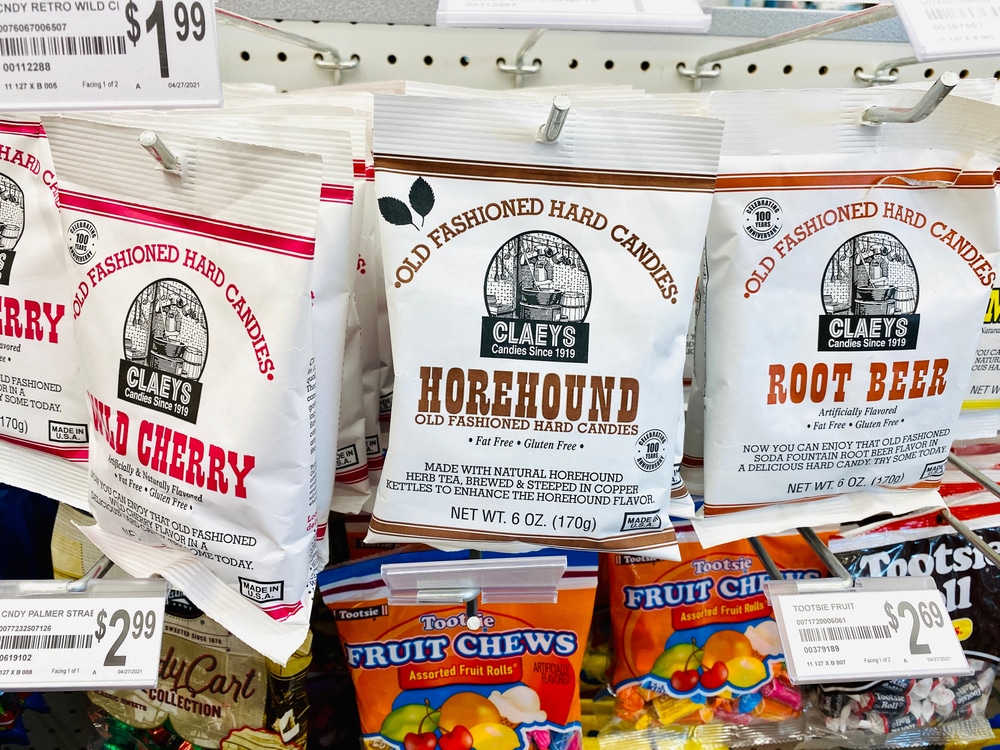
Horehound candy has largely faded from mainstream shelves, but it hasn’t disappeared entirely. Brands like Claey’s continue to produce it for niche audiences who genuinely enjoy its flavor or associate it with childhood memories.
Today, the candy has taken on a new role as a symbol of generational taste differences. What once felt comforting to grandparents often felt punishing to kids raised on sweeter and softer treats, making horehound a shared cultural memory even among those who disliked it.
In the end, horehound candy endures not because it was delicious, but because it was distinctive. Its bitterness, medicinal edge, and stubborn presence in grandma’s candy dish made it unforgettable, even for those who couldn’t wait to spit it out.