The Man Who Kept Eating His Salad as the White House Dinner Erupted in Chaos Has Finally Explained Himself
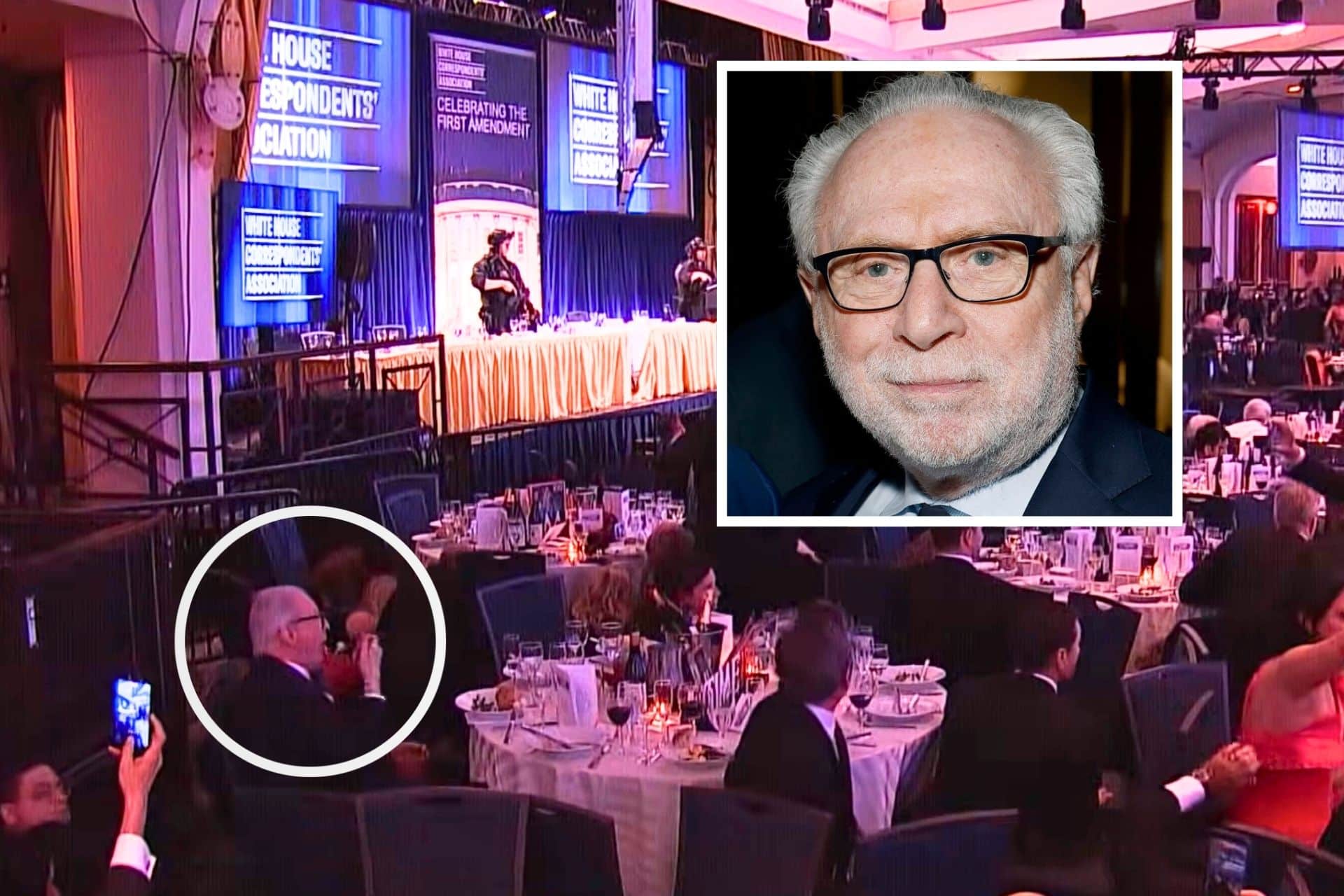

The White House Correspondents’ Dinner, a long-standing Washington tradition, descended into chaos when gunfire erupted near the venue, prompting a rapid security response and evacuation of top officials. President Donald Trump and other attendees were rushed from the ballroom as Secret Service agents moved to secure the scene.
Authorities say the suspect, identified as 31-year-old Cole Tomas Allen, attempted to breach security at the Washington Hilton, where the event was being held. He was intercepted before reaching the ballroom, but not before multiple shots were fired, triggering panic among guests.
Inside the ballroom, confusion spread quickly. Guests were instructed to get on the floor or take cover behind tables as armed agents flooded the room. Eyewitness accounts describe a tense atmosphere, with attendees unsure of the scale of the threat as events unfolded in real time.
A Viral Moment Amid the Panic

Amid the fear and urgency, one moment stood out and soon dominated social media. A video captured a man calmly seated at his table, continuing to eat his salad while others around him ducked for cover.
That man was later identified by CNN’S Brian Stelter as Michael Glantz, a senior talent agent at Creative Artists Agency. Positioned close to the stage, he appeared largely unfazed as security personnel took control of the situation and other guests reacted to the unfolding crisis.
The contrast between his composure and the surrounding chaos quickly turned him into an internet phenomenon. Clips circulated widely, with users dubbing him “salad man” and joking about his refusal to abandon his meal. Some praised his calm demeanor, while others questioned his decision not to follow safety instructions.
“I Wanted to Watch”: Glantz Explains His Actions
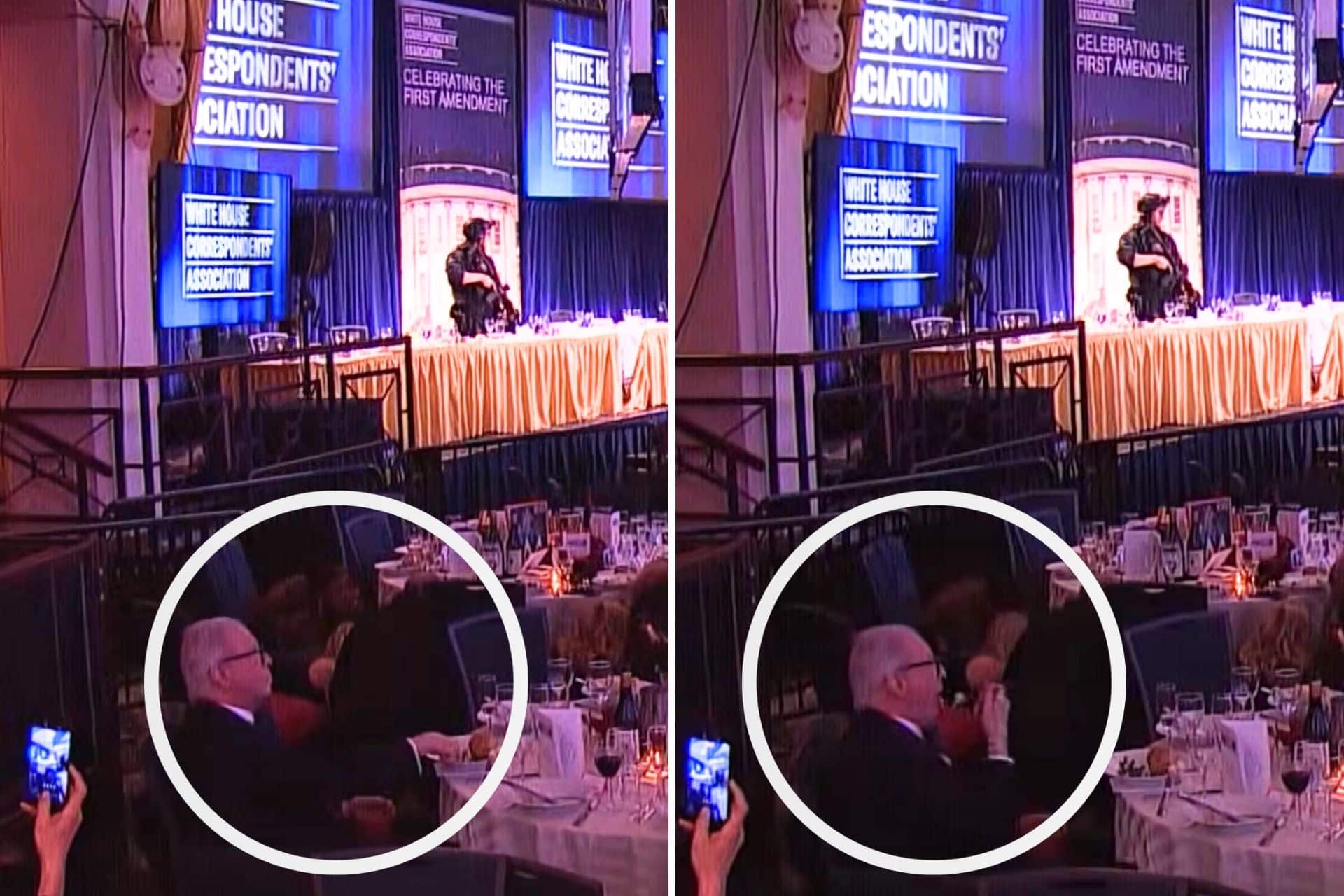
In interviews following the incident, Glantz offered a candid explanation for his behavior, pushing back against the idea that he had acted recklessly or without awareness.
“I’m a New Yorker,” he said, describing himself as accustomed to constant noise and activity. He added that he was not frightened by the situation and was instead curious about what was happening as agents moved through the room.
Glantz also cited practical reasons for staying seated. He explained that a bad back made it difficult for him to get onto the floor, and he doubted he would be able to get back up easily if he did. Hygiene concerns also played a role—he said he was unwilling to lie down on what he described as a “dirty” hotel floor in formal attire.
Despite acknowledging that the situation was serious and frightening for many others, Glantz maintained that his response was simply his own way of processing the moment. He later downplayed the attention, calling it “silly” that his actions had attracted so much notice.
A Snapshot of a Wider Moment
The incident has sparked broader discussions about how people react in moments of crisis, particularly in high-profile and high-pressure environments. While many followed security instructions immediately, others responded in ways shaped by personal comfort, perception, and instinct.
The shooting itself has also raised questions about security protocols at major political events. Although officials said the suspect was stopped before causing greater harm, scrutiny has focused on how he was able to approach the venue with weapons, prompting calls for further review.
Beyond the immediate security concerns, the aftermath has been marked by a surge of online speculation and competing narratives about the incident. Such reactions have become increasingly common in politically charged environments where information is still emerging.
For Glantz, the attention has been unexpected. He has said he didn’t think much of his reaction at the time and was more focused on what was happening around him. But as videos of the moment continue to circulate, his decision to stay seated has become one of the most talked-about snapshots from a night defined by confusion, fear, and a rapid security response.

