The Roman Emperor Said to Have Died from a Cheese Overdose


Ancient Rome produced no shortage of dramatic deaths, but few are as oddly relatable as this one. According to historical accounts, a Roman emperor may have died after eating too much cheese. Not poison, not assassination, just dinner gone wrong. The story has survived for centuries because it sits at the intersection of power, food, and the very human fragility that even emperors couldn’t escape.
A Ruler Who Rarely Made Headlines
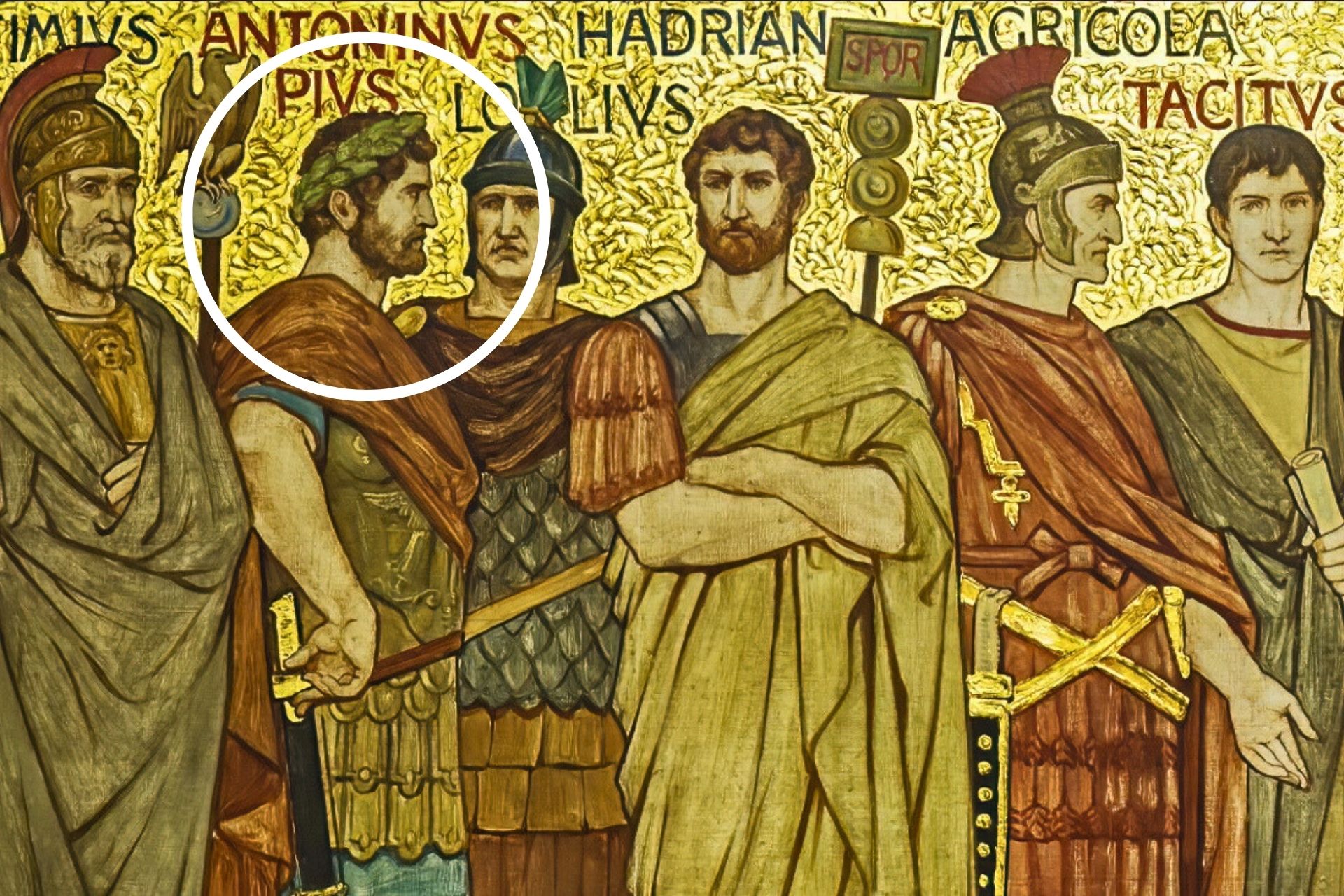
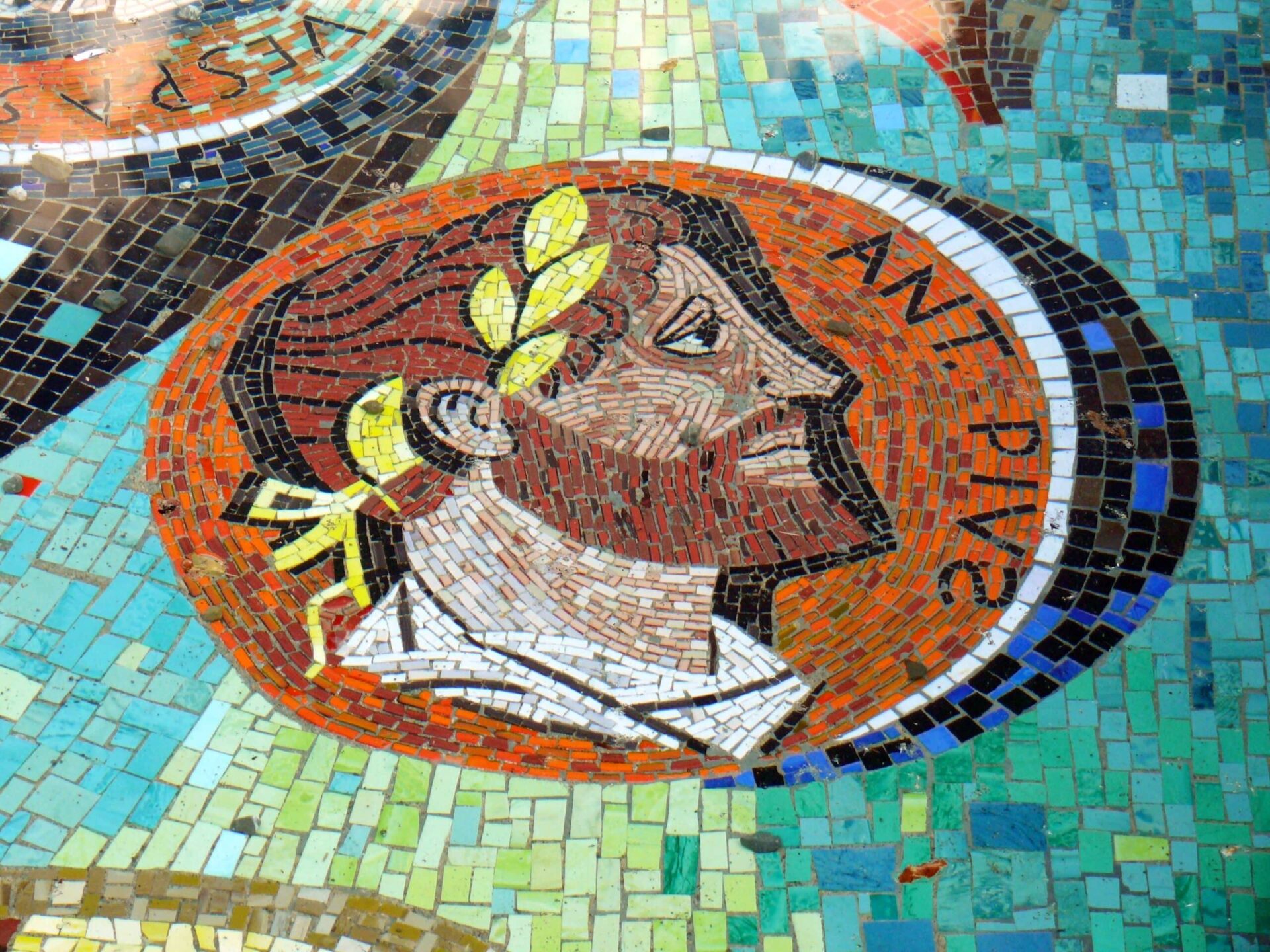
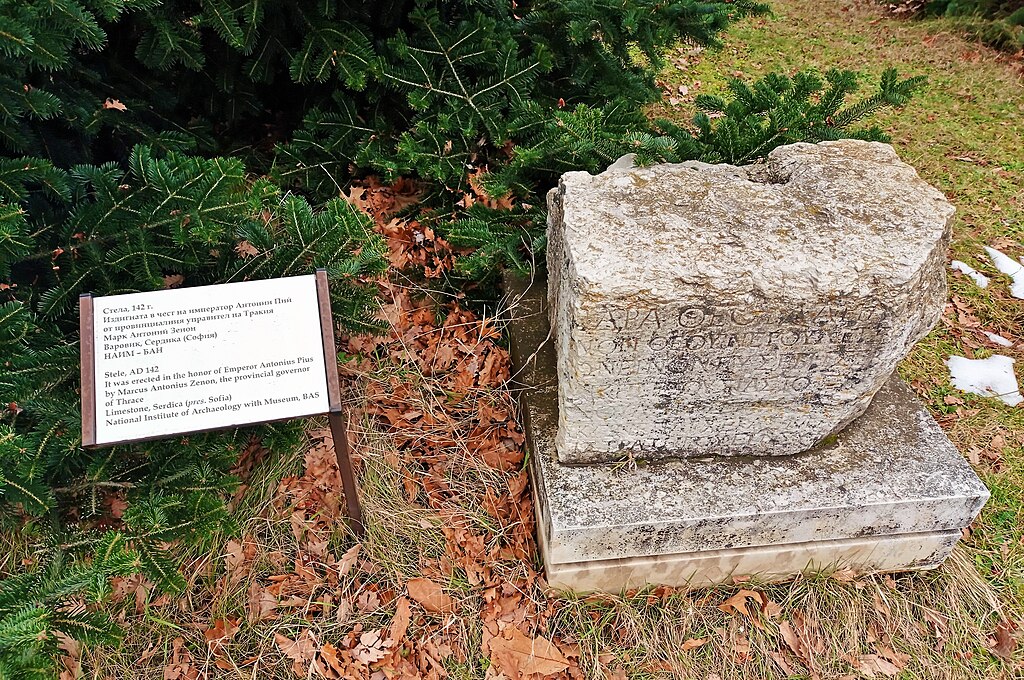
The emperor at the center of the story was Antoninus Pius, who ruled from AD 138 to 161. Historians often group Antoninus among the “Five Good Emperors,” a rare stretch of stable leadership that also included Nerva, Trajan, Hadrian, and Marcus Aurelius. Unlike many Roman rulers, they were remembered less for spectacle and fear than for competent governance. That context makes the strange circumstances of Antoninus’ death feel even more unexpected.
A Quiet Life at the Top of Power
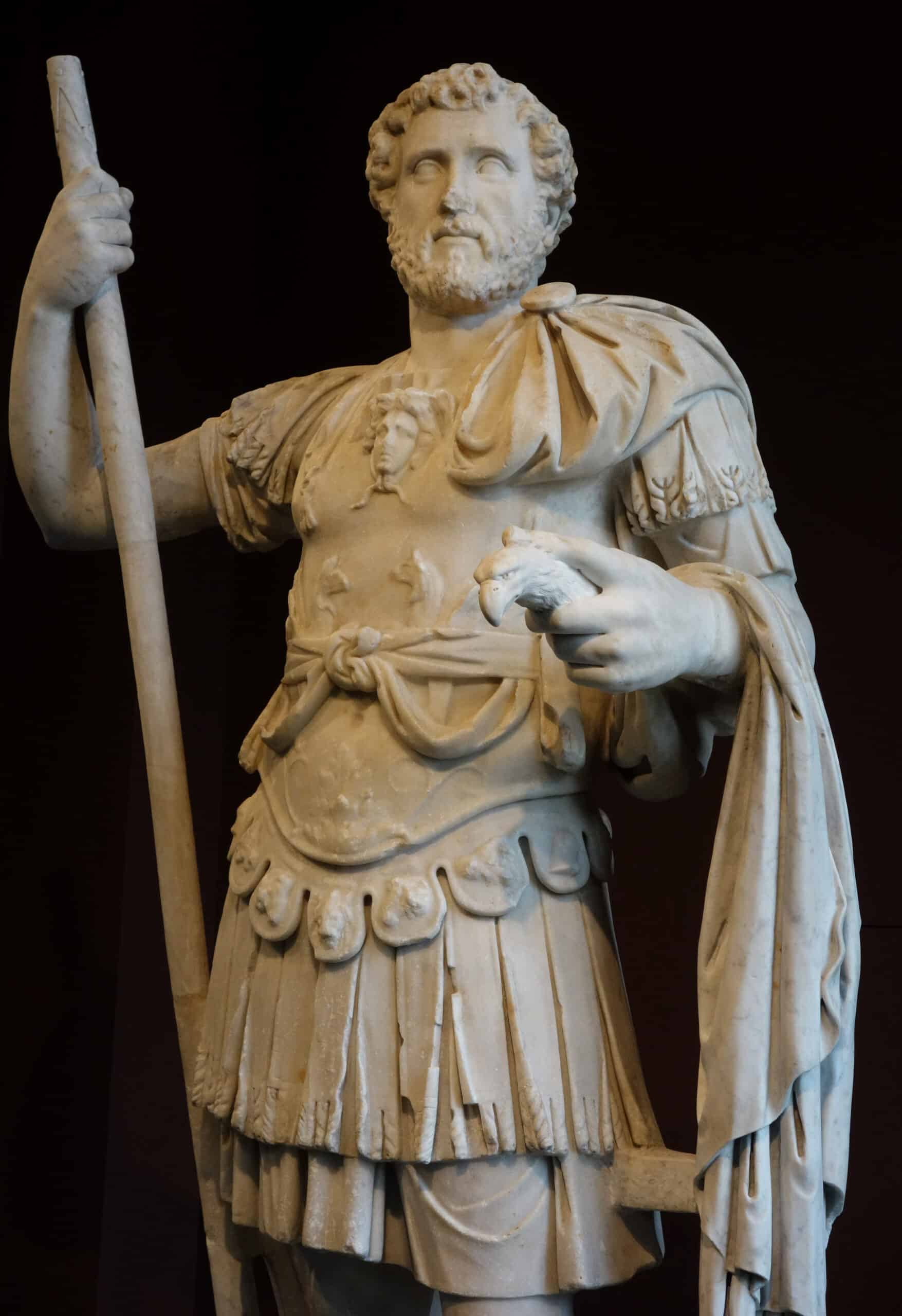
Antoninus lived modestly by imperial standards. Ancient writers describe him as a man who preferred conversation, fishing, and time with close companions over spectacle. That reputation makes the circumstances of his death especially striking, because nothing about his life suggested reckless indulgence.
The Meal That Changed Everything
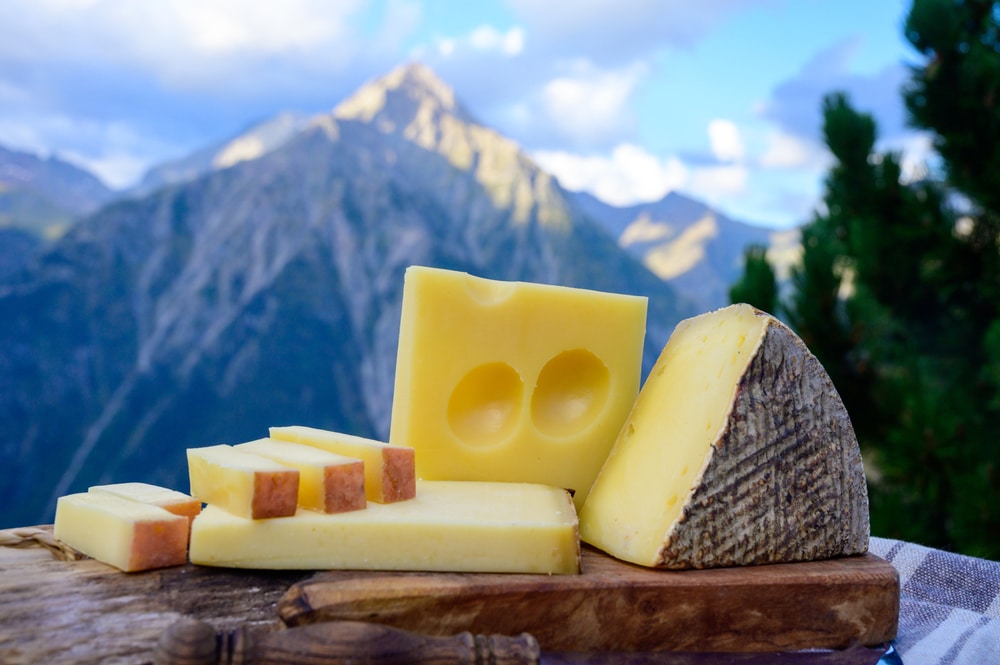
Alpine cheese wasn’t an everyday food for most Romans. It came from mountainous regions north of Italy and required long-distance transport, which made it more expensive and more likely to spoil. Accounts say the emperor fell violently ill after a meal that included Alpine cheese. He began vomiting, developed a fever, and weakened rapidly. Within days, the ruler of the Roman world was dead, reportedly undone by something as ordinary as food.
Why Cheese Took the Blame
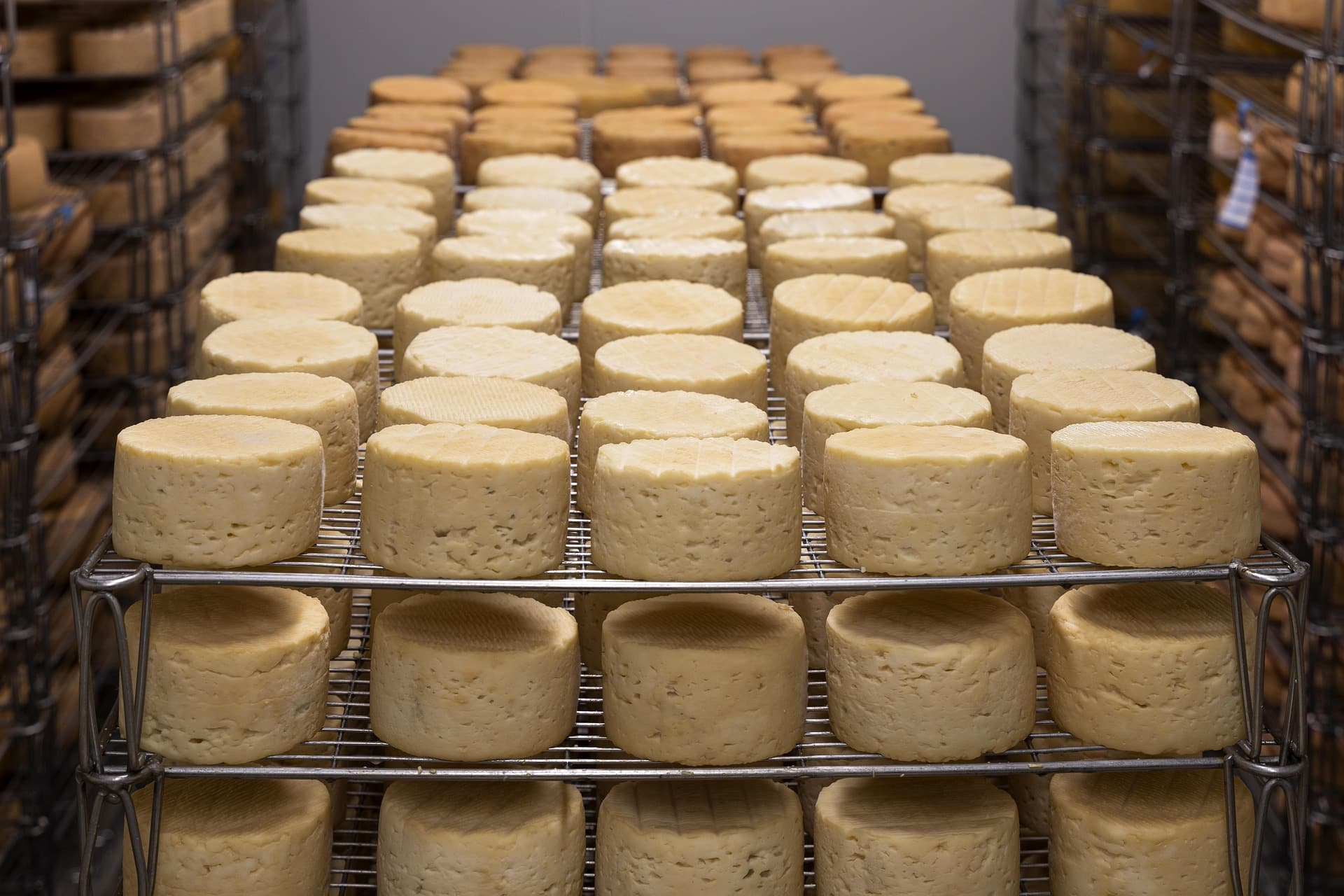
Ancient historians often linked illness to the most memorable part of a meal rather than an unseen cause. Naming cheese gave the story a clear, tangible explanation that the public could grasp. Over time, that detail became central to how the emperor’s death was remembered.
The Contention About the Real Cause of Death
Despite how the story is often retold, historians don’t believe Antoninus died from overeating cheese. The symptoms described align closely with acute food poisoning. A contaminated batch would have been enough to trigger severe illness, even in an otherwise healthy adult.
Ancient Medicine Had Limits
Roman doctors could identify symptoms but not causes. They understood fever and digestive distress but had no concept of bacteria or toxins. When illness struck suddenly, explanations often relied on surface details rather than hidden processes.
A Story Preserved by Imperfect Historians
Much of what we know about Antoninus’ death comes from later sources like the Historia Augusta, a work known for blending fact with embellishment. Over time, subtle details faded and the story simplified. What remained was a striking image: an emperor felled by cheese.
His Final Moments Reflected His Character
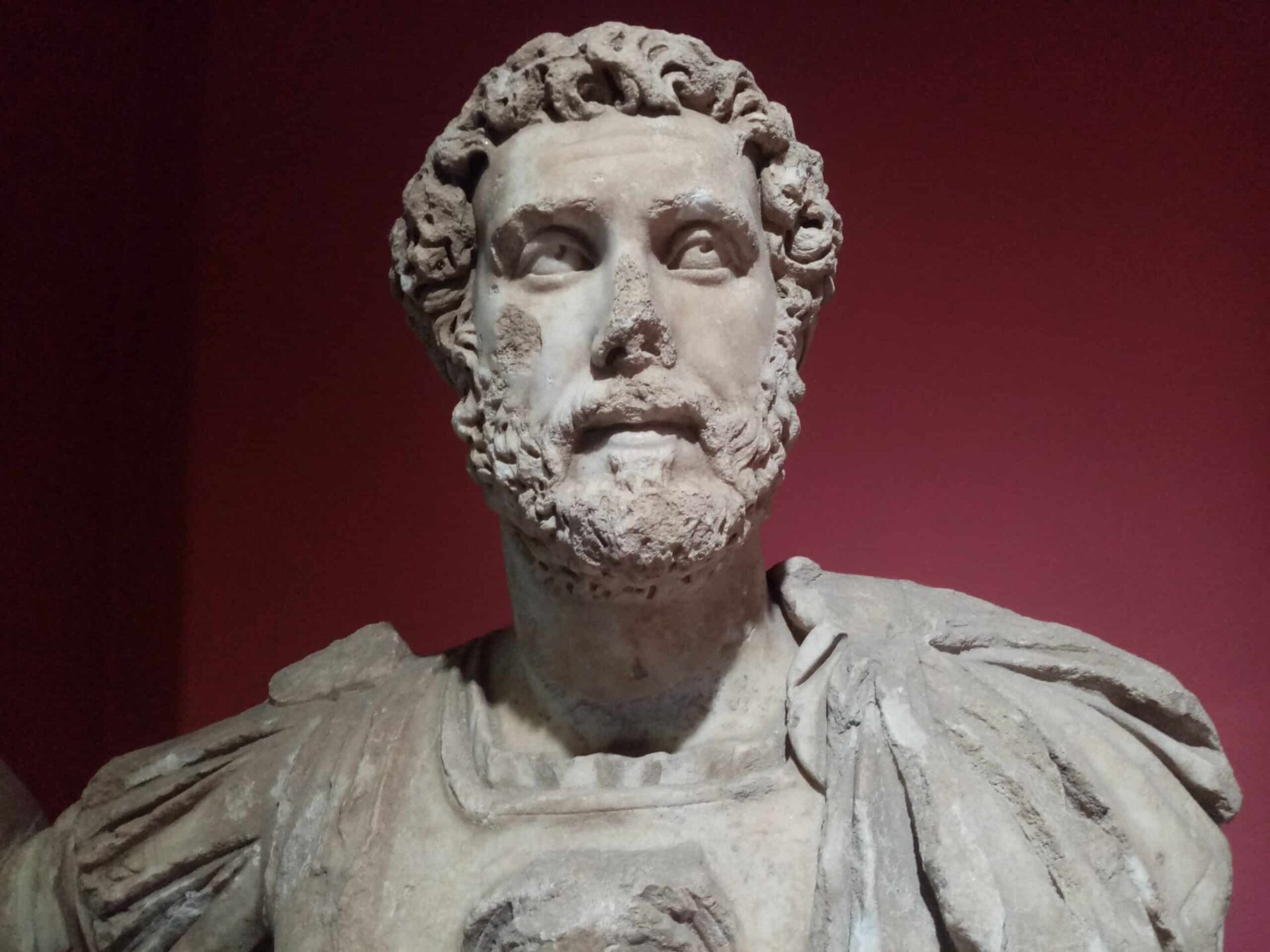
One account claims Antoninus’ final act was to ensure a smooth transfer of power to his successor, Marcus Aurelius. His reported last word was aequanimitas, meaning calmness or balance of mind. Centuries later, physician William Osler famously referenced that word in a speech to medical students, holding the emperor up as a model of steady judgment under pressure. Even at end, Antoninus remained consistent with the steady rule that defined his reign.
A Strange Ending to a Stable Legacy
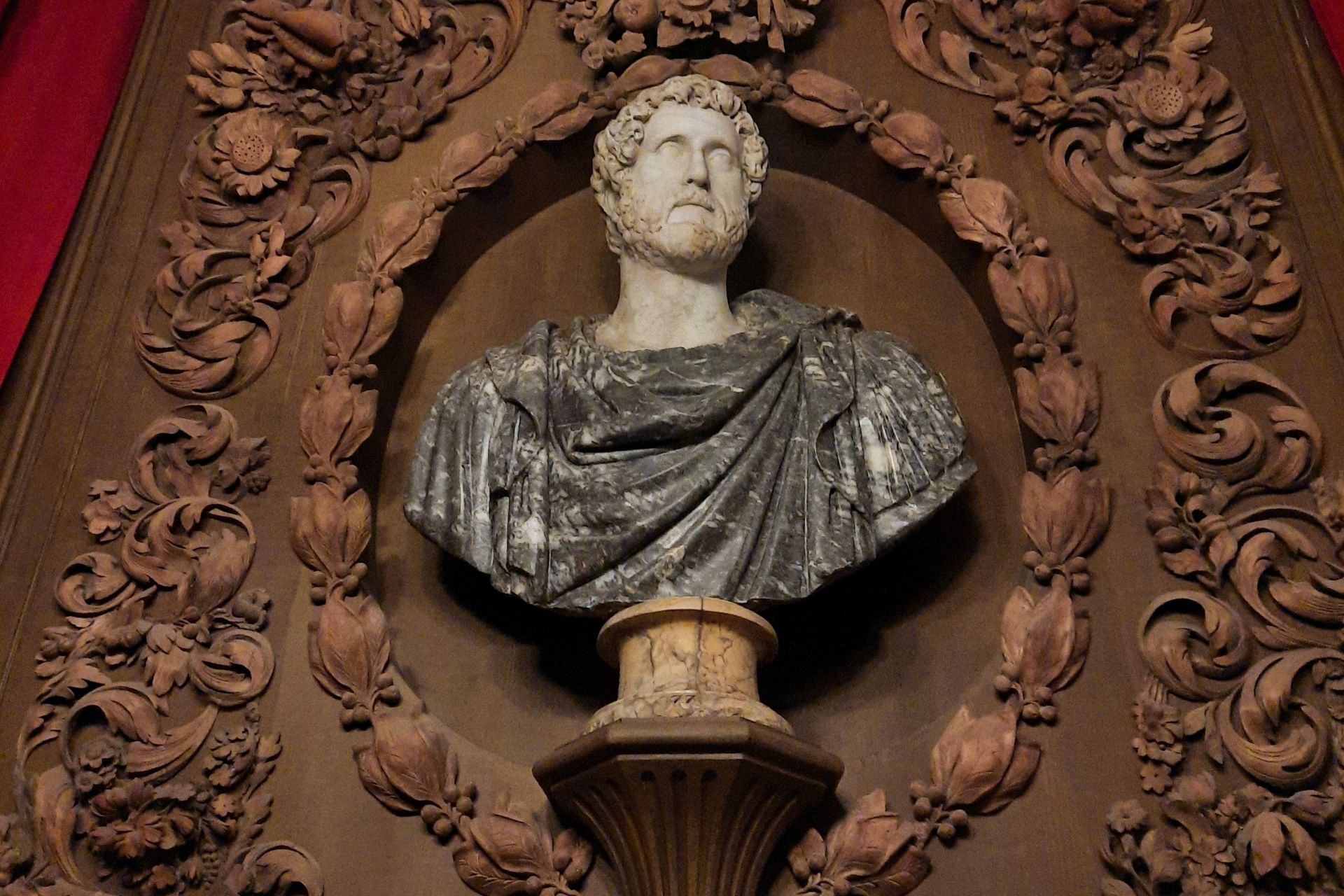
Antoninus Pius left behind a Roman Empire that was prosperous and largely at peace. His death didn’t define his legacy, but it humanized it. In a world without modern medicine, even emperors could fall to something as ordinary as dinner.