The Soul of Las Vegas Has Been Replaced by Corporate Greed,’ Heart Attack Grill Says as It Closes After 15 Years
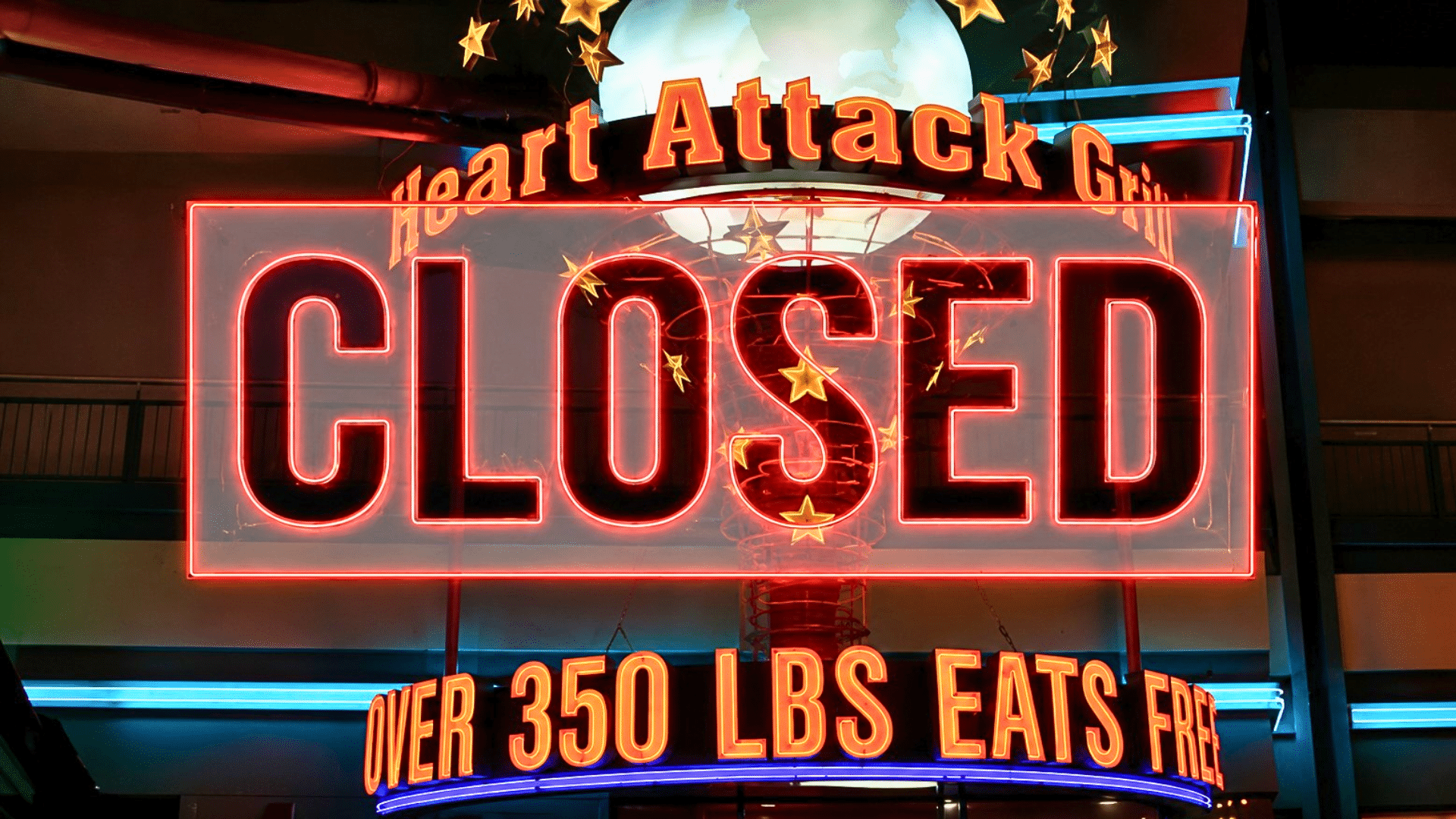

A restaurant famous for serving a nearly 20,000-calorie burger just became one of the loudest critics of what Las Vegas has turned into. Owner Jon Basso posted a statement online Monday saying a changing landscape and corporate greed have “priced the middle-class person out of the opportunity of visiting Las Vegas,” before announcing the Heart Attack Grill’s permanent closure after 15 years on Fremont Street. The exit message has since gone viral, and for reasons that go well beyond hamburgers.
The Heart Attack Grill first opened in Arizona in 2005, then relocated to Las Vegas in 2011, setting up at the corner of Fremont Street and Las Vegas Boulevard. The hospital-themed restaurant built its identity around excess: patients (customers) were tended to by nurses (waitstaff), anyone over 350 pounds ate for free, and those who failed to finish their meals received a paddle-spanking. The Quadruple Bypass Burger holds a Guinness World Record as the most caloric burger commercially available, coming in at nearly 10,000 calories.
Speaking to SFGATE, Basso said the business had been losing money for about a year. He chose not to renew the restaurant’s long-term lease at Neonopolis, the downtown shopping center where it had operated. Neonopolis owner Rohit Joshi confirmed the closure, noting that tourism is down across the board and operating expenses have become prohibitive. The restaurant that once thrived on affordable spectacle found itself caught in exactly the economic squeeze it would go on to publicly condemn.
The Closing Statement That Became a Manifesto
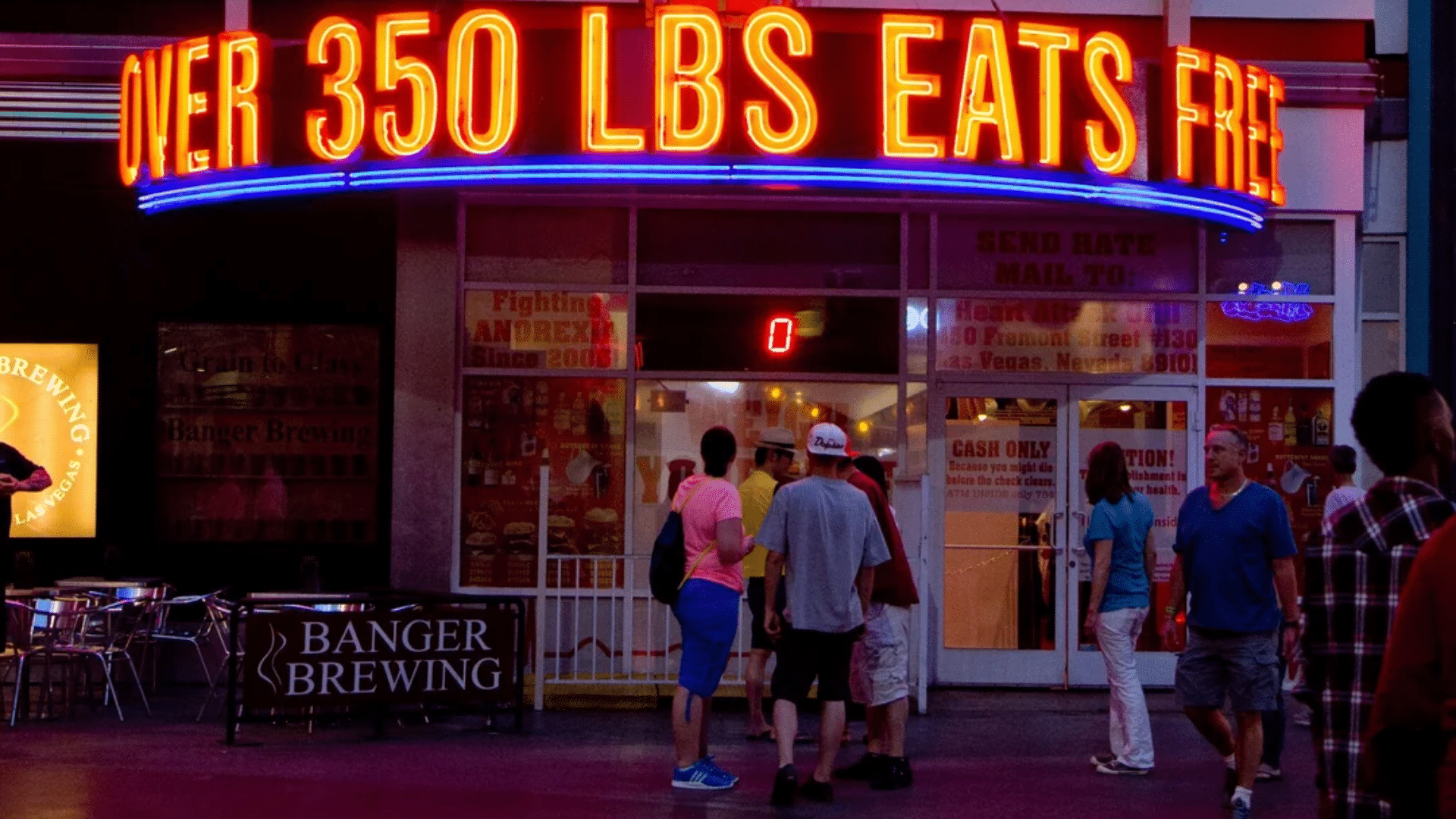
The Heart Attack Grill’s exit message pulled no punches. “The decision stems from the reality that major casinos have intentionally priced the average person out of the quintessential American experience of affordable indulgence,” the statement read. “The soul of Las Vegas has been replaced by corporate greed.” The restaurant also took direct aim at what the city now peddles, writing that its core value of “eat big and laugh loud” no longer fits a city offering $40 artisanal avocado toast.
The restaurant described its 21-year run across Arizona and Las Vegas as something to be proud of, claiming partial credit for America’s rising obesity rate, which climbed from roughly 30% in 2005 to nearly 45% by 2026. Provocative to the end, the closing message framed the shutdown as a chapter break rather than a final curtain. “This is not the end of the world’s most controversial restaurant; it’s merely the beginning of a new chapter,” it said. Basso confirmed he is now actively searching for investors and landlords to reopen in other cities.
The restaurant had attracted controversy throughout its run. The Physicians Committee for Responsible Medicine once called on a Las Vegas official to suspend its business license after a frequent customer suffered a fatal heart attack outside the premises in 2013. Basso’s response at the time was characteristically unrepentant: “It isn’t going to stop us from what we’re doing. People have got to live their lives,” he told the Las Vegas Sun. That same defiant philosophy shaped the restaurant’s goodbye, fifteen years later, directed this time at casino corporations rather than public health advocates.
The Bigger Picture Behind One Restaurant’s Complaint
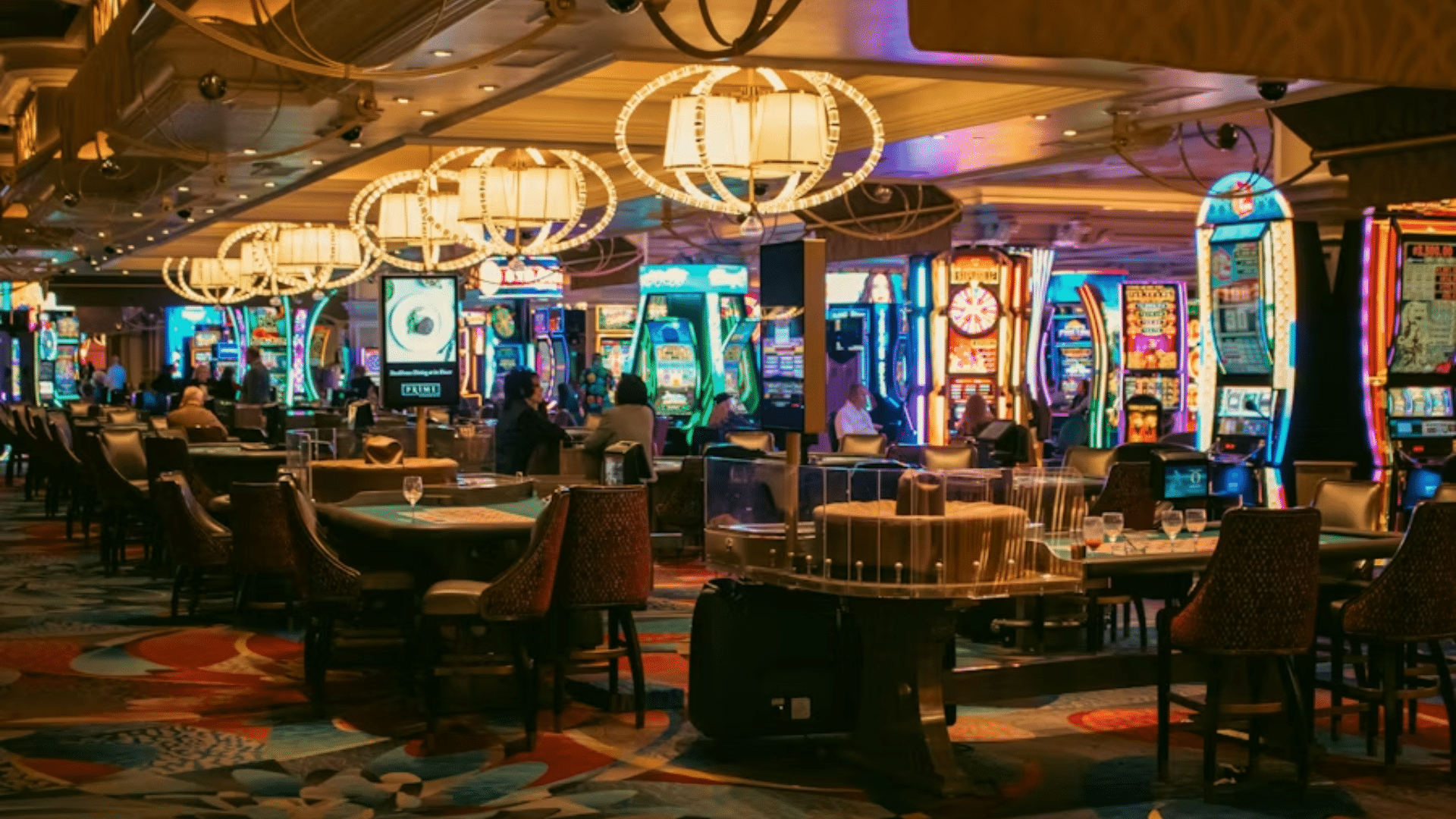
The Heart Attack Grill’s grievance about pricing out the middle-class lands against a backdrop of real and striking data. Las Vegas welcomed 38.5 million visitors in 2025, a drop of 3.1 million from the year before, representing a 7.5% decline. The city recorded 12 consecutive months of year-over-year visitor declines. Hotel occupancy averaged 80.3%, down roughly 3.3 points from 2024, and revenue per available room fell nearly 8.8%. These are numbers the city’s tourism industry cannot dismiss.
Data from Harry Reid International Airport shows the number of passengers fell nearly 6% in 2025. Notably, flights on private aircraft climbed while budget airline traffic fell far more sharply, a statistical portrait of a city sorting its guests by income bracket. The city’s newest resorts have leaned toward five-star offerings: 2025 closed with the opening of Michelin-starred restaurants at the Aria and the Bellagio, while many cheaper options quietly disappeared from the casino operating model.
Las Vegas once drew middle-income travelers with cheap buffets, affordable hotel rooms, and budget-friendly entertainment. Rising resort fees, parking charges, elevated food prices, and costly shows have transformed the visitor experience, pushing many to reconsider whether the city still delivers enough value for the money. With private equity buying up more casinos and properties, prices are likely to keep climbing, making it harder for the audience that built Las Vegas’s mass appeal to justify the trip at all.
What Gets Lost When a City Abandons Its Audience
The Heart Attack Grill was never a subtle restaurant. Its entire identity rested on making excess accessible: big food, low barriers, loud fun. That combination worked on Fremont Street for 15 years because it was affordable, and because affordable spectacle was a Las Vegas staple. Basso told reporters that most of his customers were regular working people, and that Las Vegas has priced the regular middle-class person out of the opportunity of having a good time. That argument, coming from a man who built a business around extreme burgers, resonated widely.
In his exit statement, Basso made clear he is targeting communities that still appreciate high-calorie indulgence without apology, and he intends to find them outside the current Las Vegas tourist ecosystem. He also acknowledged that he runs a second restaurant on the northwest side of Las Vegas, and is currently building a third near the North Las Vegas airport, noting genuine affection for the city’s local residents separate from his criticism of casino corporations. The anger in his statement was directed at an industry, not a city.
Fifteen years is a long time for any restaurant to survive, let alone one built on a dare. What the Heart Attack Grill’s closure captures is a shift that extends far beyond one eccentric eatery on Fremont Street. The middle-income traveler who once viewed Las Vegas as a value-packed getaway now often encounters bills that rival luxury destinations like New York or Dubai. When the city that invented the $5 buffet starts losing visitors at the same rate it is losing budget options, the restaurants that exit loudest may simply be the ones honest enough to say what the data has been showing for years.