The Top Ingredient in 71% of Baby Foods Isn’t Fruit or Vegetables, It’s Additives
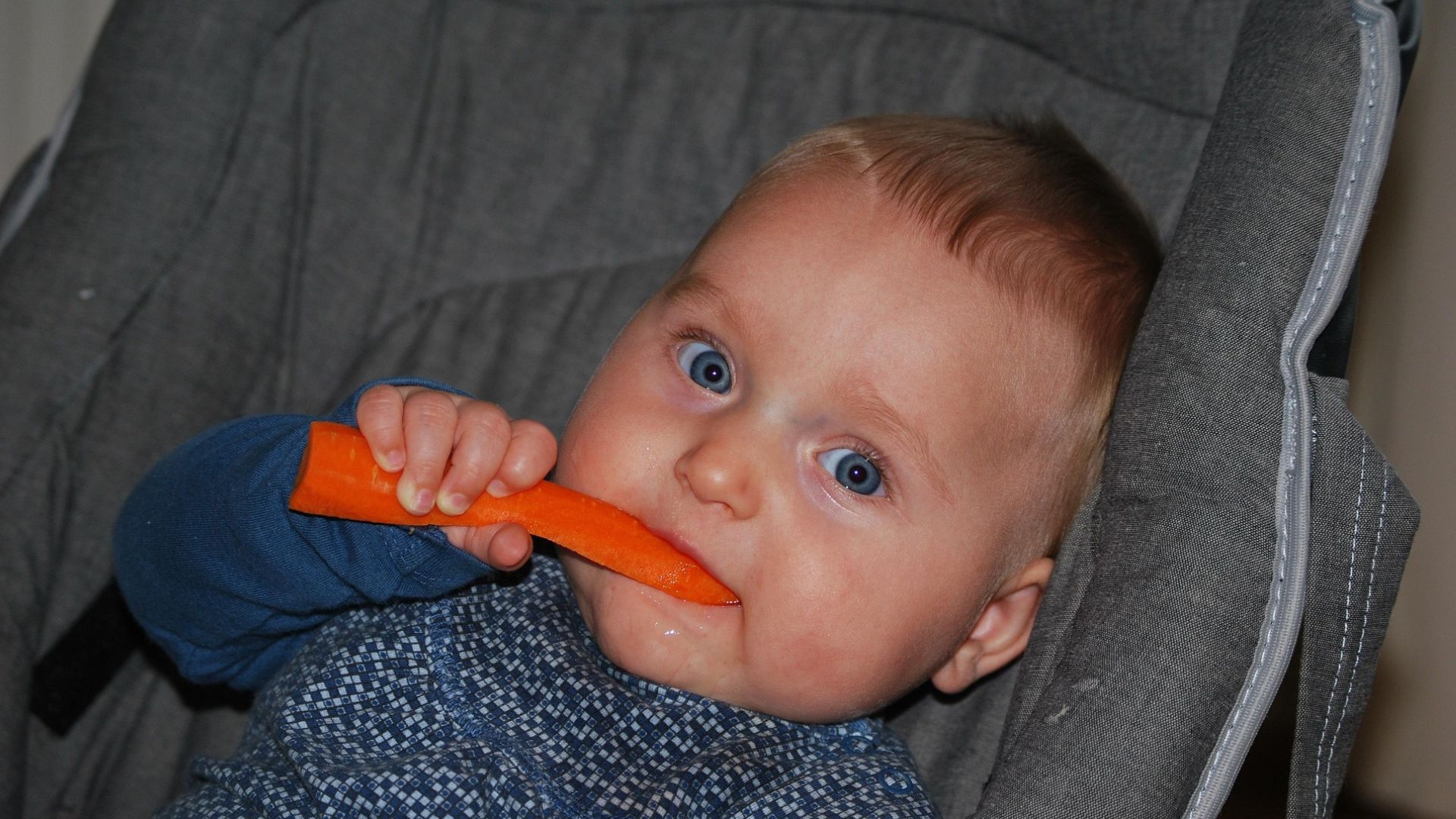

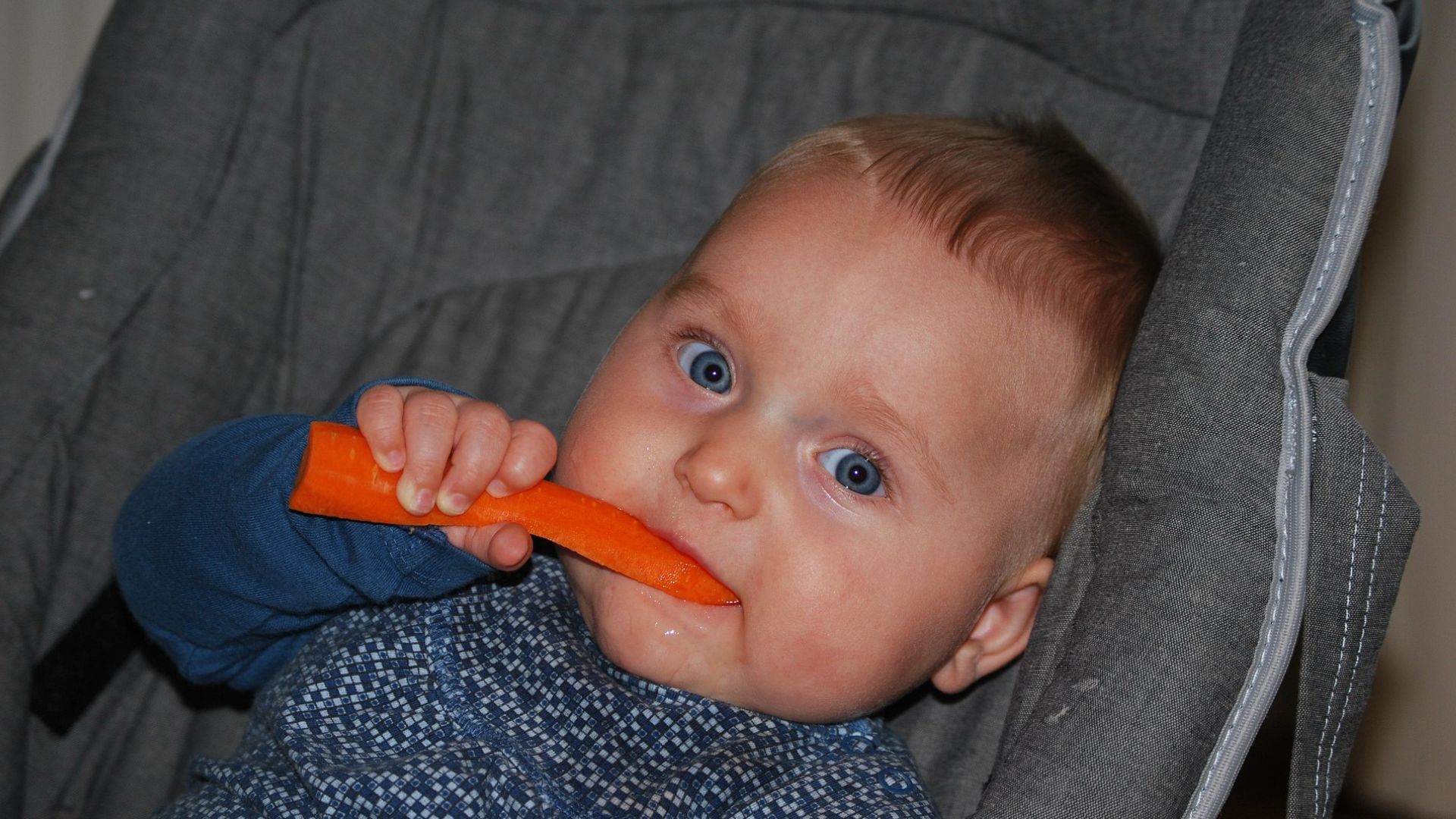
A recent peer reviewed investigation has raised concerns about what is really inside many baby foods sold across the United States. Researchers found that a significant share of products marketed for children between 6 and 36 months rely heavily on additives rather than whole ingredients, prompting new questions about nutrition standards, labeling practices, and long term health effects.
Additives Dominate Ingredient Lists
An analysis of 651 baby foods revealed that more than 70% contained additives linked in emerging research to inflammation and disturbances in the gut microbiome. According to lead author Elizabeth Dunford of the University of North Carolina at Chapel Hill, the most striking discovery was that in 71% of the products, the primary ingredient was not a fruit or vegetable but one or more added substances. The findings, published in the journal Nutrients, did not disclose brand names.
Why Infant Digestion May Be Vulnerable

Scientists emphasize that babies’ digestive systems are still developing, which may limit their ability to process certain additives compared to adults. Dunford noted that many of these ingredients serve cosmetic or texture enhancing purposes rather than nutritional ones. While additives can improve shelf life or appearance, experts question whether they are necessary in foods designed for infants and toddlers.
Ultraprocessed Foods In Early Childhood Diets
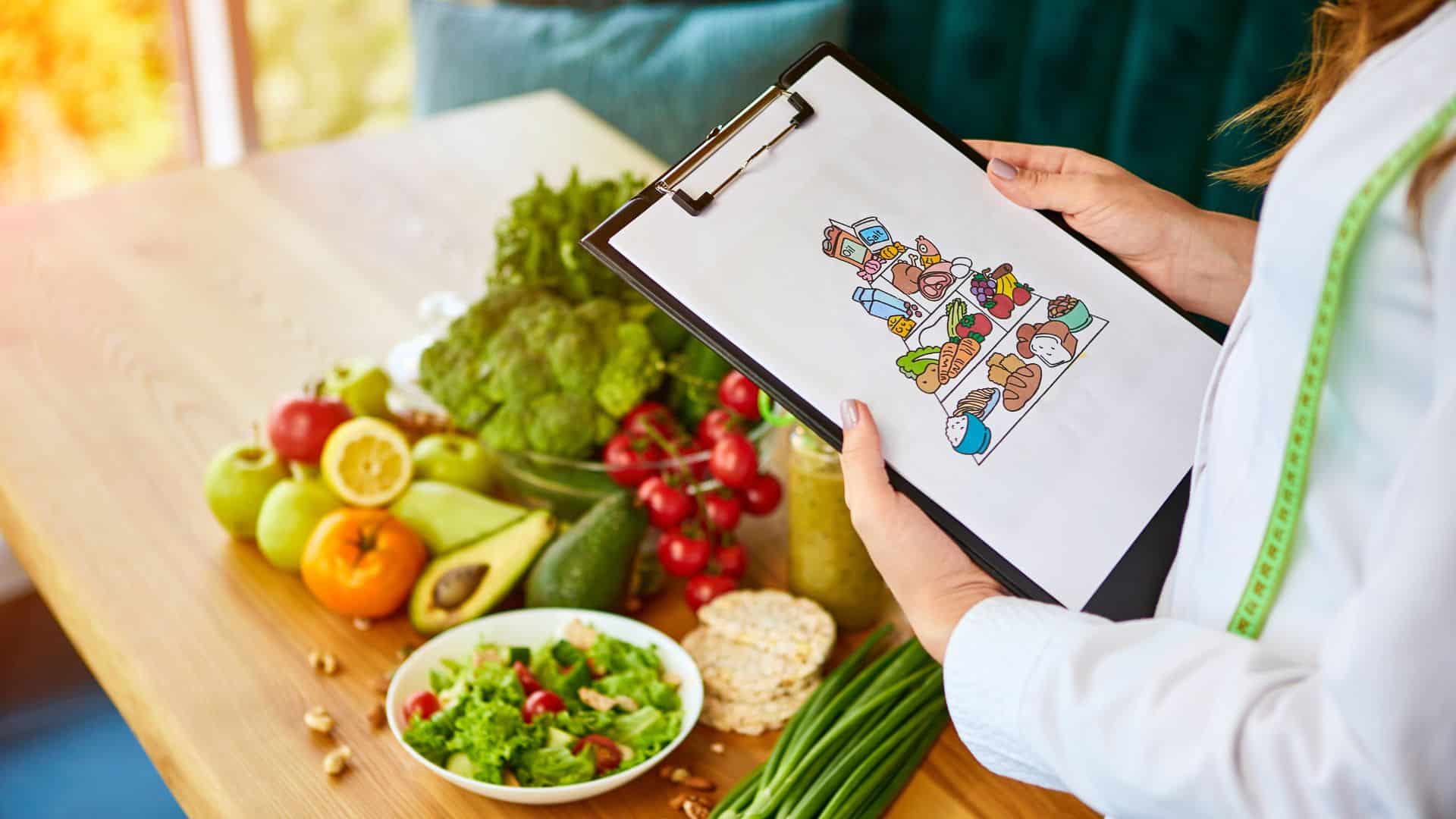
Half of the products reviewed were classified as ultraprocessed foods, commonly referred to as UPFs. These items include snacks such as puffs, crackers, and sweetened yogurts, typically engineered for heightened taste appeal. Data from the US Centers for Disease Control and Prevention indicates that about 62% of calories consumed by American children come from ultraprocessed products, highlighting how early dietary patterns are shaped.
Health Risks Associated With Ultraprocessed Intake

A growing body of research links higher consumption of ultraprocessed foods to serious health outcomes. Studies suggest that increasing daily calories from these products by just 10% may be associated with a 50% higher risk of death related to cardiovascular disease, alongside elevated risks of obesity and type 2 diabetes. Early exposure may also influence taste preferences, encouraging children to favor sugary or artificially flavored options.
Industry Response And Regulatory Debate

The Consumer Brands Association has stated that there is no universally accepted scientific definition of ultraprocessed foods. The group maintains that manufacturers follow safety standards established by the US Food and Drug Administration. However, public health advocates argue that regulatory frameworks leave gaps, particularly in how additives are reviewed before entering the market.
Understanding The Range Of Additives

Food additives serve many functions, from preventing spoilage to stabilizing texture and enhancing color. In the study, researchers identified 105 distinct additives across the products examined. While some were relatively natural, such as lemon juice or beet juice for preservation and coloring, many were commonly associated with highly processed formulations.
Thickeners, Emulsifiers, And Emerging Evidence

Among the ingredients identified were carrageenan, xanthan gum, guar gum, and emulsifiers such as polysorbate 80. An April 2025 study reported a connection between certain thickeners and a higher likelihood of type 2 diabetes. Although xanthan and guar gum originate from plant sources and are often considered safe, other investigations have pointed to possible links with gut microbiota disruption and inflammatory responses.
Artificial Dyes And Policy Changes
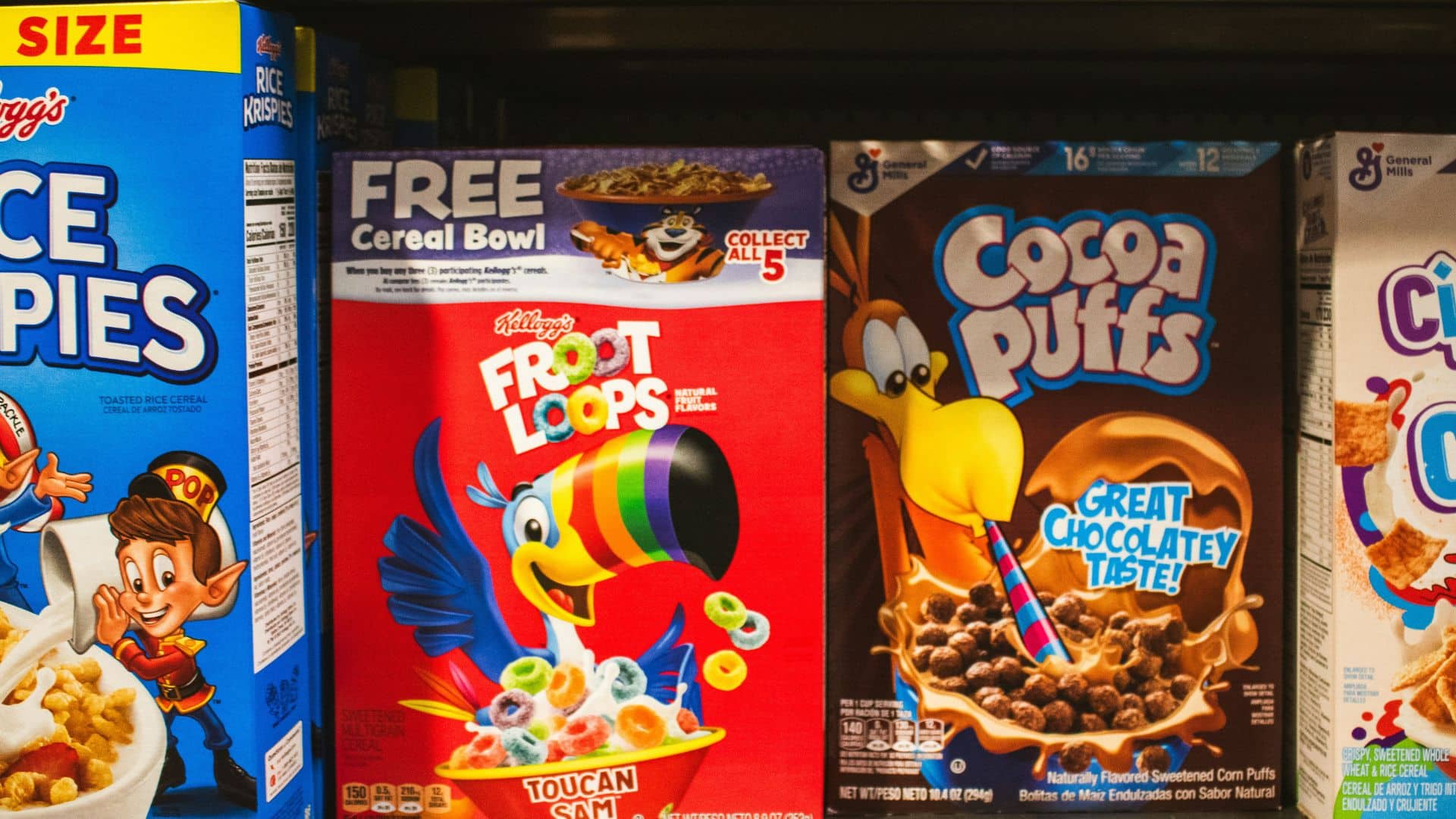
Synthetic colorings, some derived from petroleum sources, have been scrutinized due to associations with behavioral concerns in children. In response to ongoing debate, the US Food and Drug Administration recently approved beetroot as a natural alternative and expanded the use of spirulina extract. Even so, pediatric and environmental health groups continue to call for stricter oversight of ingredients in products aimed at young children.
The GRAS Loophole And Oversight Gaps

In 2018, the American Academy of Pediatrics urged reforms to the FDA’s regulatory process for additives. Critics point to the “Generally Recognized As Safe,” or GRAS, designation, which allows companies to introduce new substances without formal FDA review. Advocacy organizations argue that closing this loophole would ensure that every additive undergoes rigorous safety evaluation before appearing in baby food.
Sugar, Salt, And Nutritional Shortfalls
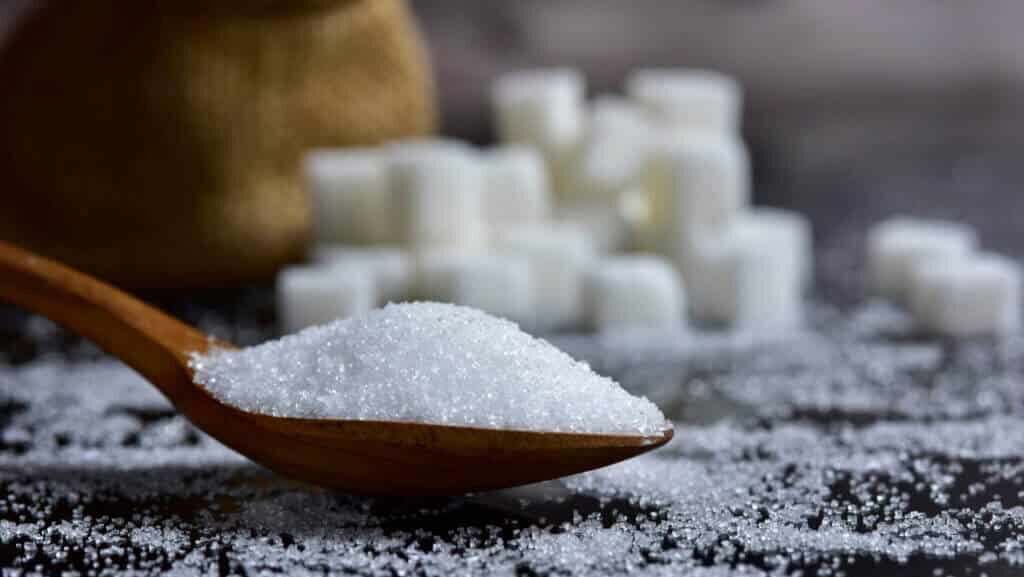
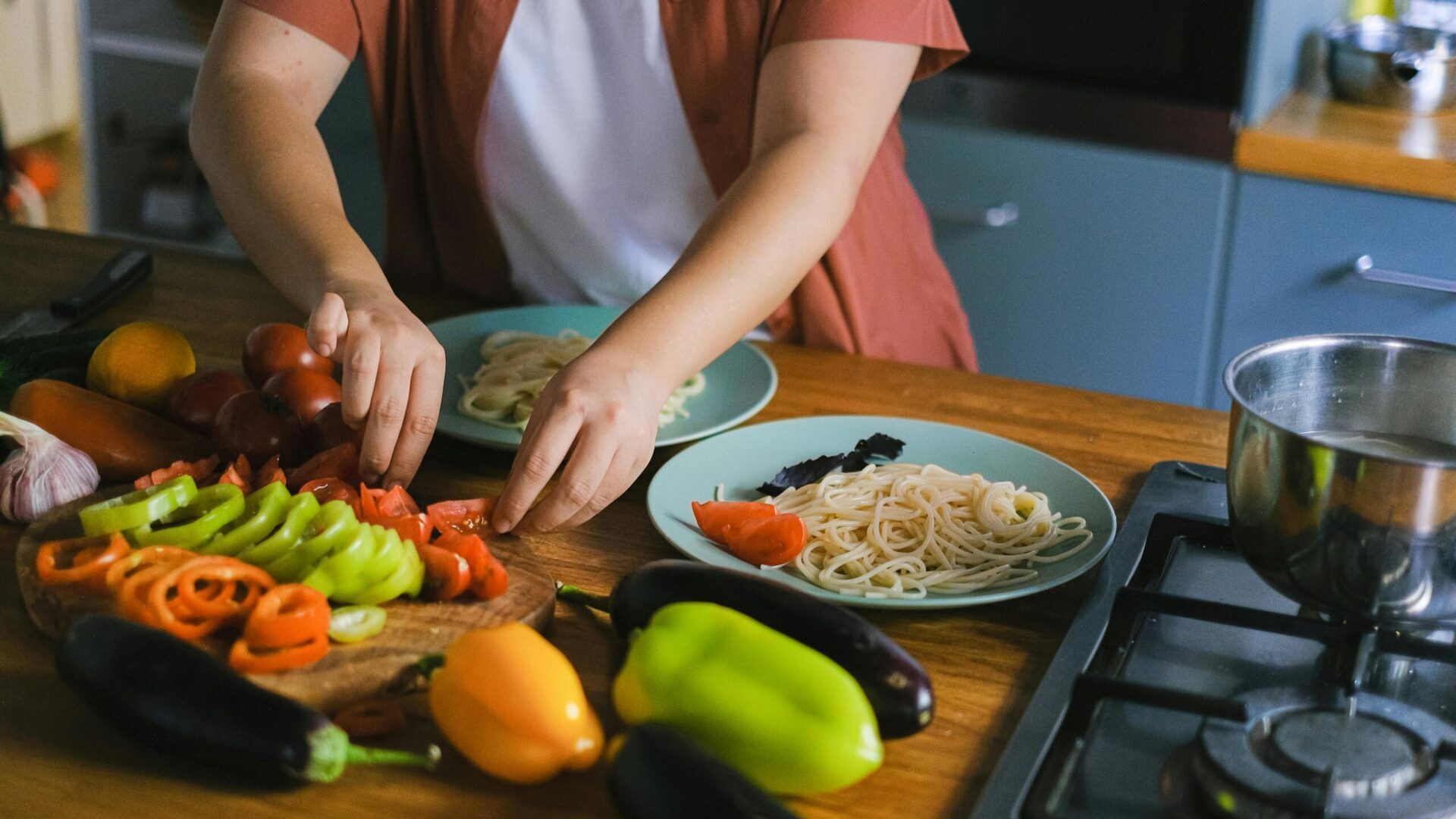
The study also identified elevated levels of added sugar exclusively in ultraprocessed products, particularly in snack items and squeeze pouches, which in earlier analyses accounted for half of the sugar consumed from infant foods. Nearly 94% of snack sized packaged products were ultraprocessed. Researchers further found that 70% of the foods did not meet the World Health Organization’s protein guidelines, one in five exceeded recommended salt limits, and a quarter failed to align with calorie recommendations. Experts advise parents to prioritize meals prepared from whole ingredients when possible and to review labels carefully when purchasing packaged options, favoring shorter and more recognizable ingredient lists.