The Unusual Rules Texas Roadhouse Forces on Staff Are All About Getting Customers to Spend More
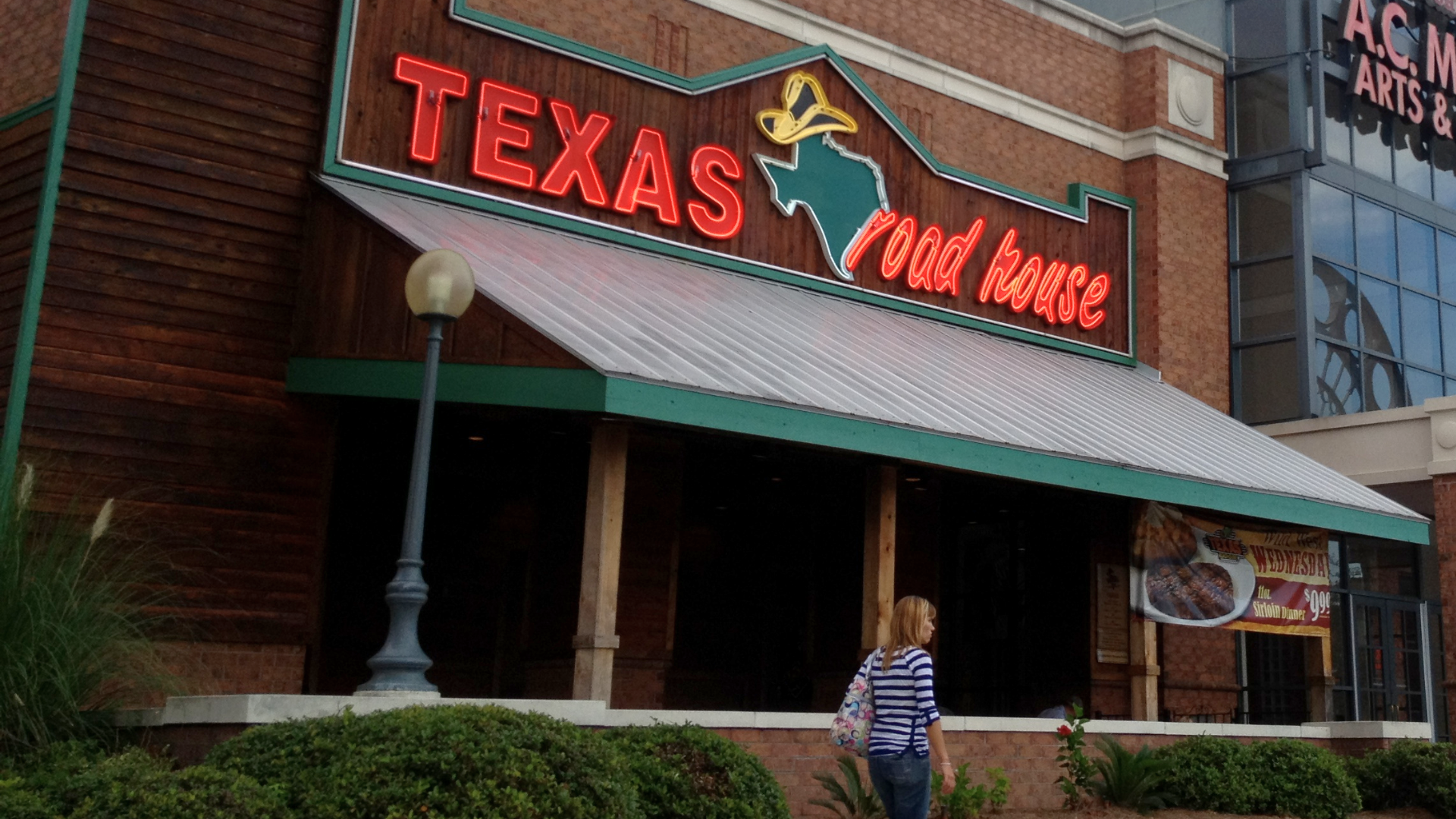

Some of the rules employees at Texas Roadhouse are expected to follow may seem unusual at first glance, but they all have one goal in mind: encouraging customers to spend more during their visit. From specific service techniques to sales‑driven behaviors, former staff members say the company’s approach blends hospitality with strategy, and some rules have drawn attention online and among industry observers for how intentional they are about boosting revenue.
Greeting Guests Quickly and Warmly
One of the first rules employees learn is to greet guests quickly with a warm and enthusiastic welcome. This creates a friendly atmosphere and sets the tone for customer engagement. Staff are trained to make eye contact, smile, and use inviting language within moments of a party’s arrival, helping guests feel comfortable and open to additional menu suggestions.
Encouraging Appetizer Orders
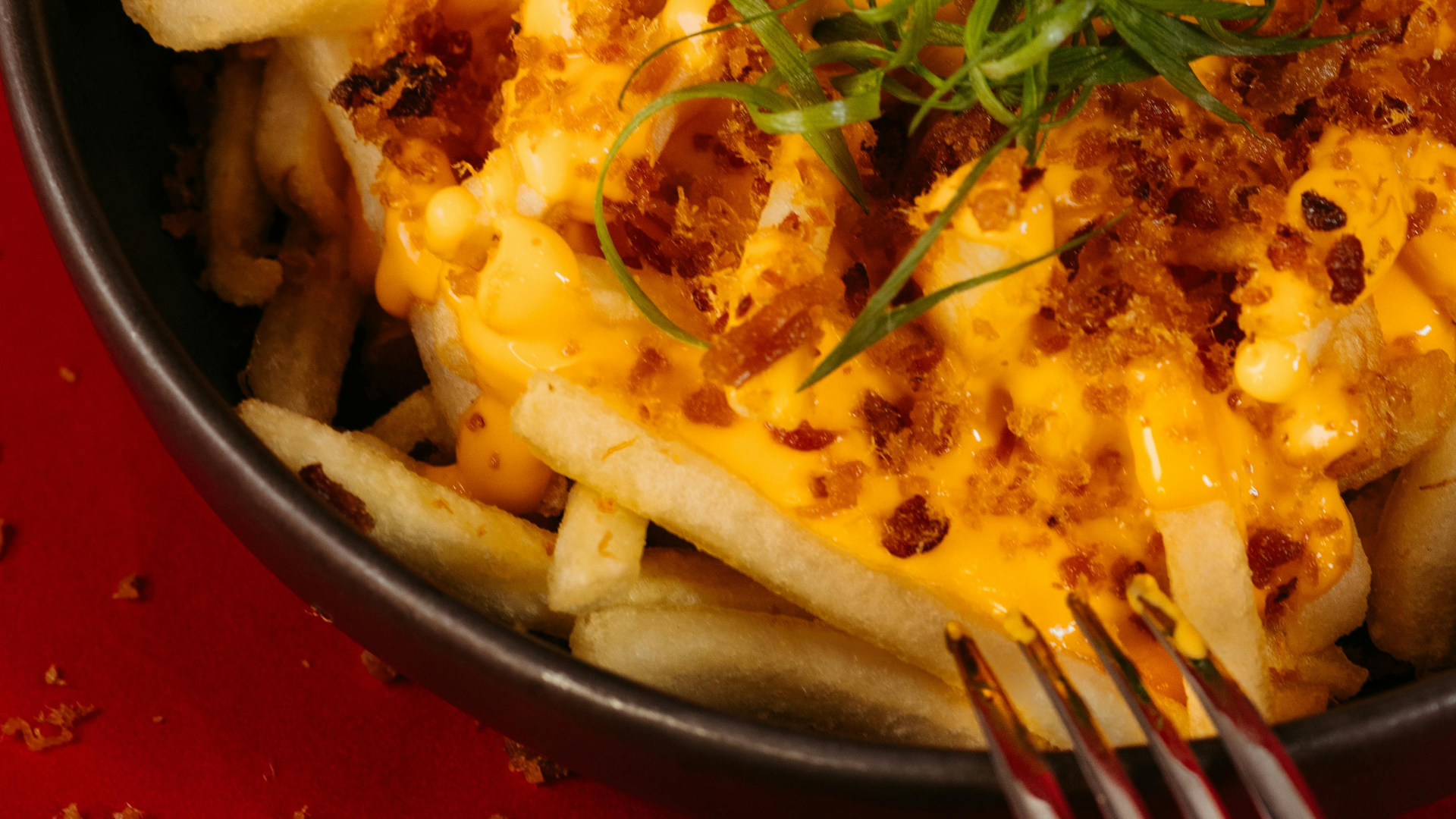
Servers are often guided to suggest appetizers early in the meal, especially popular items like rolls, cheese fries, and shrimp. By prompting guests to start with an appetizer, staff help increase the overall check total while also enhancing the dining experience with shareable bites that set the stage for entrees.
Suggestive Selling for Drinks and Sides
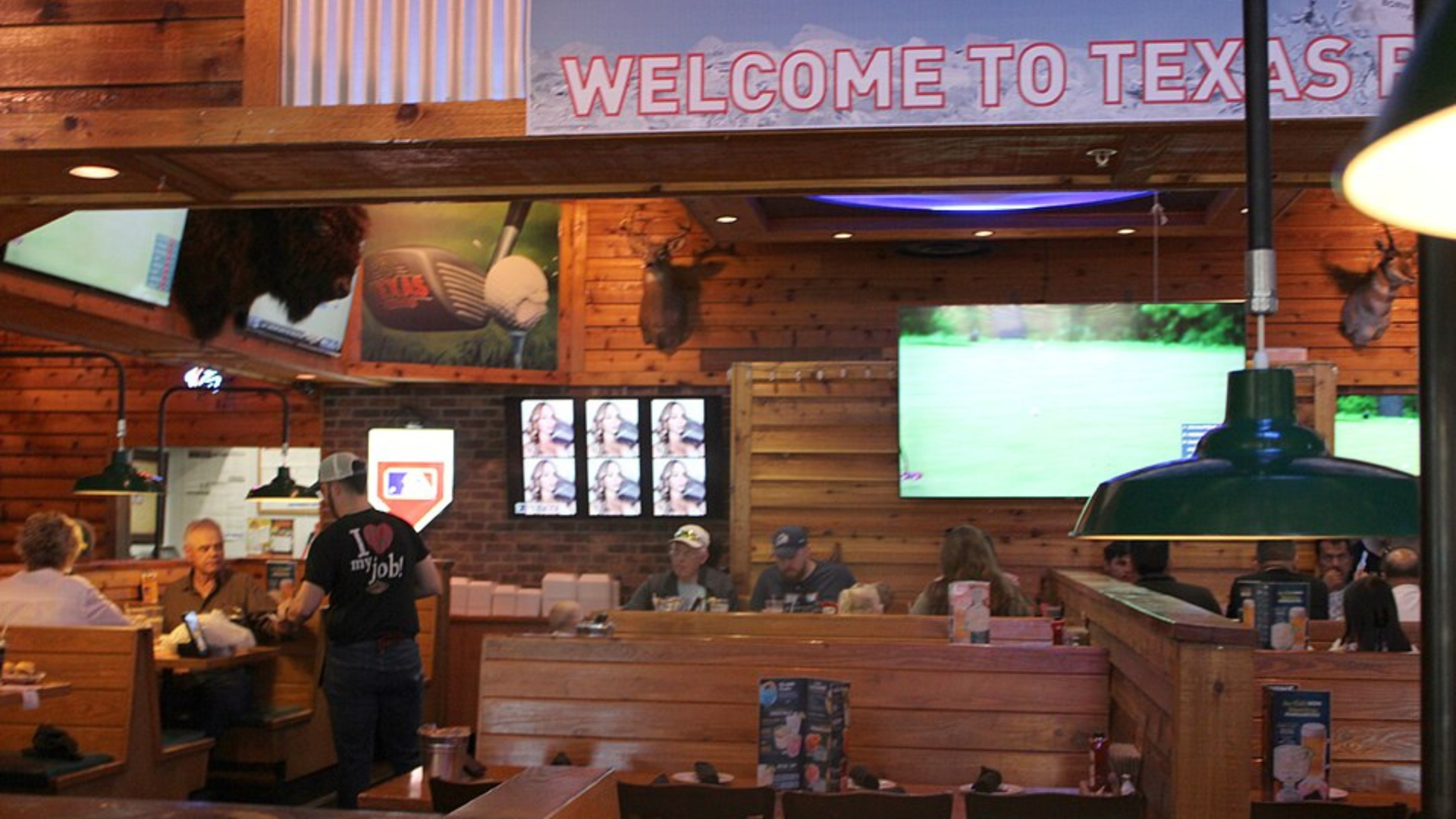
Another key strategy employees are encouraged to use is suggestive selling, which involves recommending drinks, sides, or upgrades during the ordering process. Whether it’s a specialty beverage, loaded baked potato, or premium steak cut, staff are often coached to highlight options that can boost both customer satisfaction and sales.
Making Friendly Small Talk
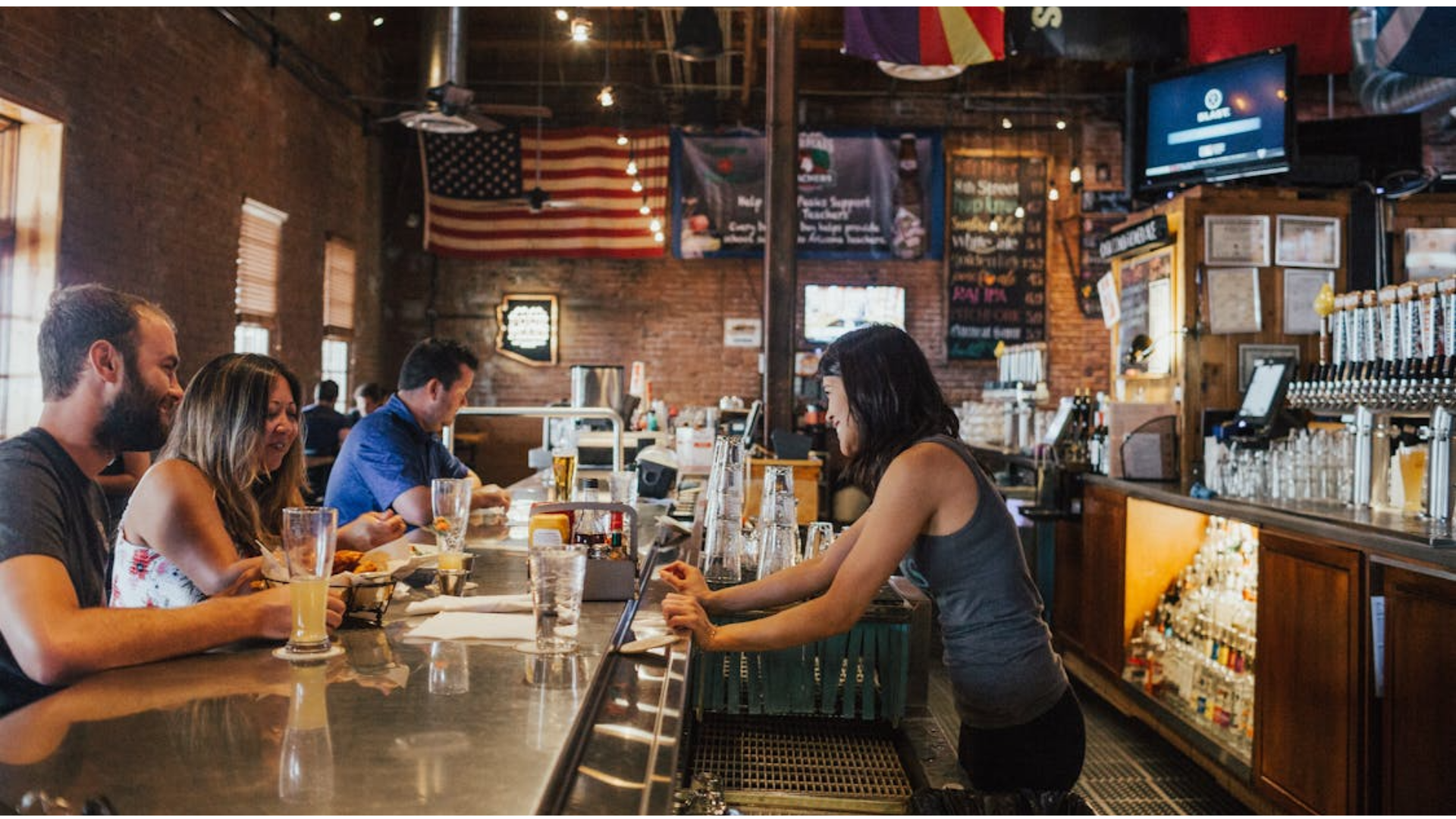
Beyond taking orders, Texas Roadhouse servers are told to engage in friendly small talk with guests, asking about their day or sharing recommendations. This conversational approach not only improves the guest experience but also makes patrons more receptive to upsells and additional offerings, potentially leading to increased spending.
Perfecting the Timing of Check Delivery
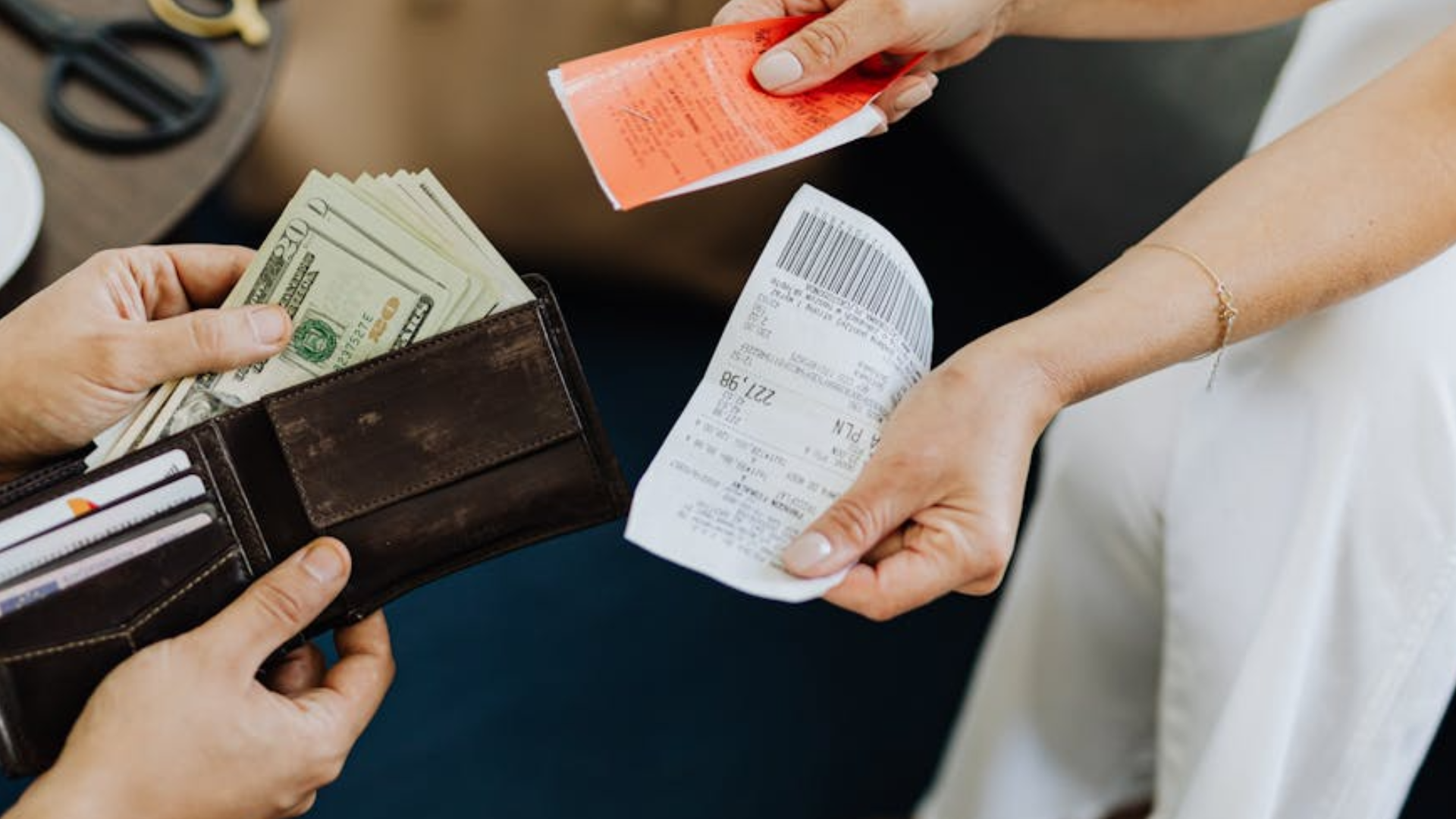
Staff are trained on when to present the check, often timing it to allow guests enough time to consider dessert or another round of drinks. By waiting for the right moment, after a satisfying entree but before guests feel rushed, servers can encourage additional purchases that increase the final bill.
Promoting High‑Margin Items
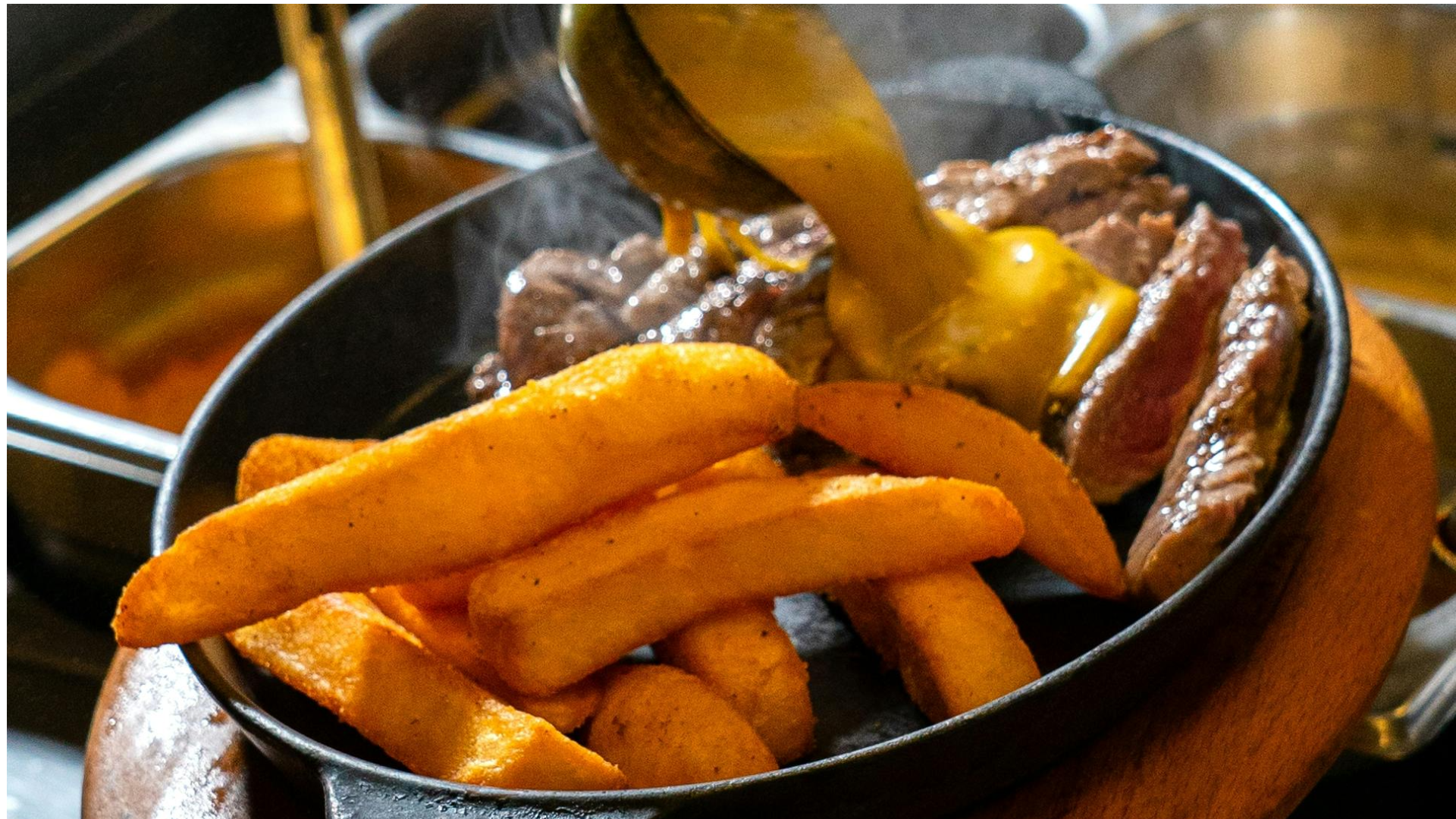
Highly profitable or signature menu items often get extra attention from staff, who are encouraged to describe them in ways that make them sound irresistible. Phrases highlighting flavor, portion size, or customer favorites are used to pique interest and steer guests toward ordering these higher‑margin options.
Training and Performance Tracking
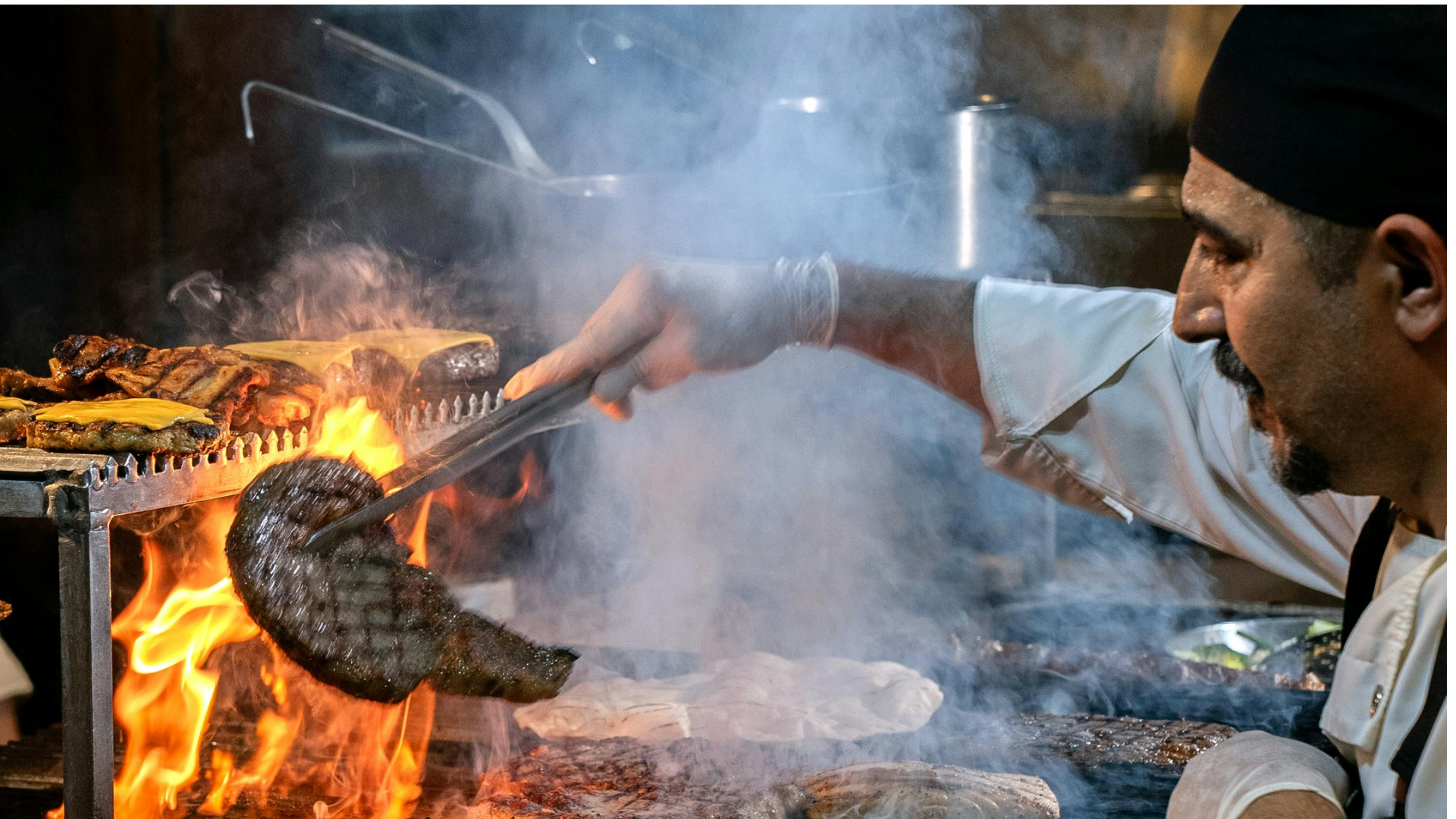
Employees undergo training that covers not only food preparation and service standards but also sales techniques. Some locations track performance metrics related to upselling, and staff may receive feedback based on how effectively they encourage additional orders. This structured approach reinforces the company’s emphasis on revenue‑driven service.
Handling Customer Complaints Efficiently
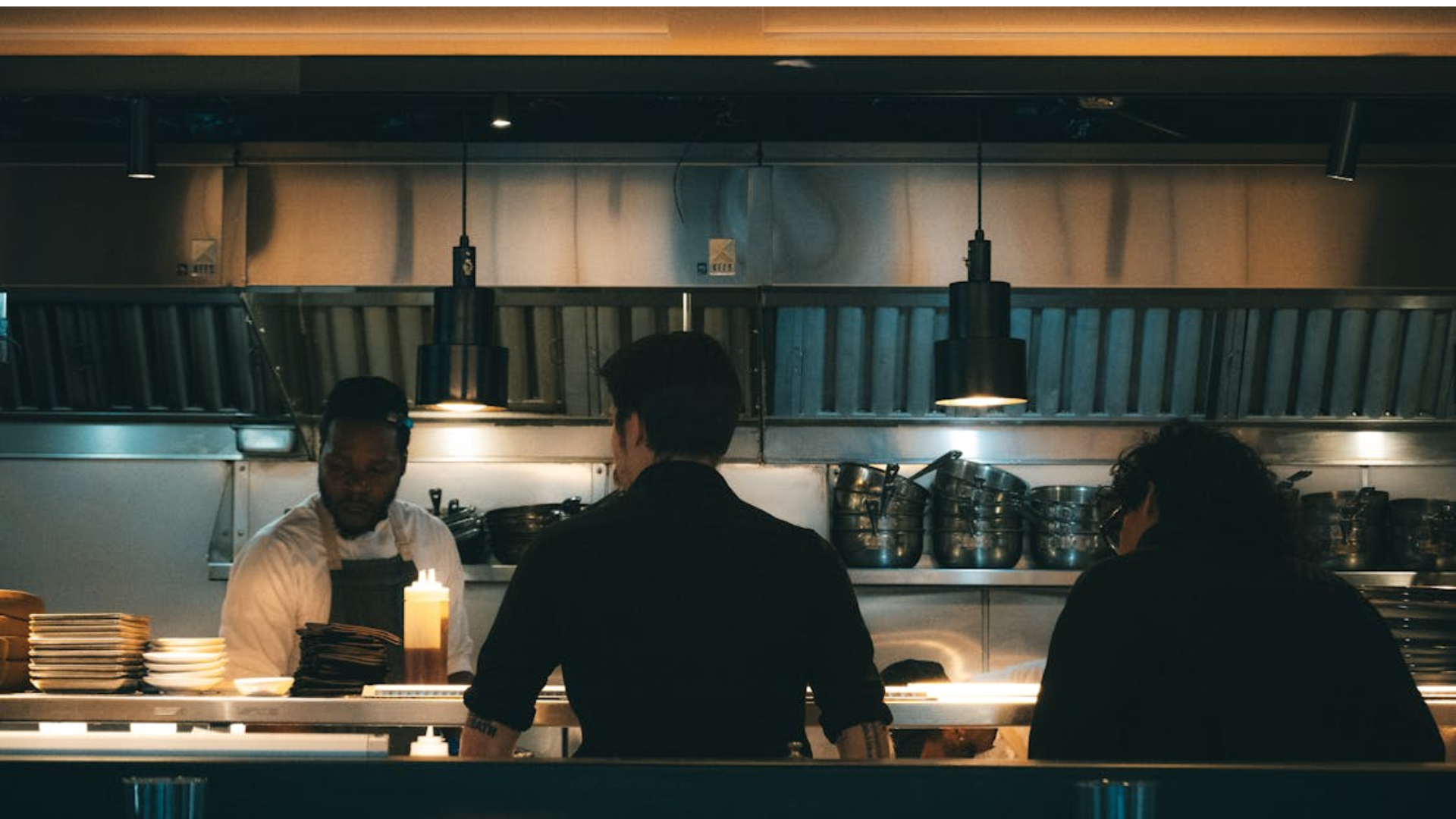
While boosting sales is a major focus, employees are also instructed to resolve customer concerns quickly and professionally. Addressing issues like incorrect orders, wait times, or dissatisfaction helps keep the dining experience positive, which in turn makes guests more likely to return and spend more in the future.
The Teamwork Culture
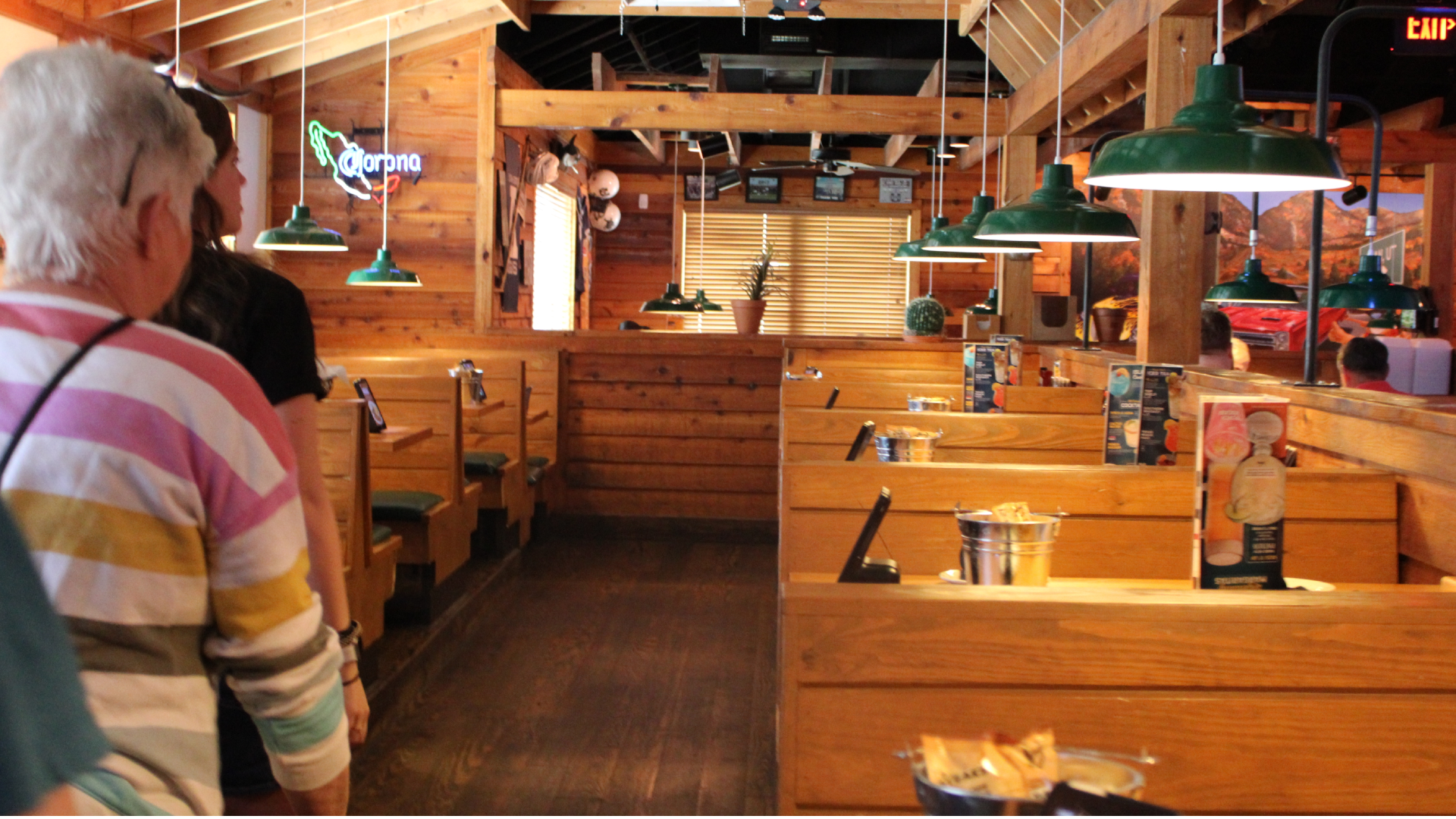
Teamwork is also emphasized as part of the rules, with servers, cooks, and hosts working in sync to deliver a seamless dining experience. A well‑coordinated team can serve more tables efficiently and encourage higher spending by keeping guests satisfied throughout their visit. The unusual rules at Texas Roadhouse reflect a broader industry strategy of blending hospitality with thoughtful sales techniques. By training staff to engage guests, suggest additional items, and enhance the overall experience, the restaurant aims to create memorable visits that also increase revenue. While some policies may seem focused on sales, they also contribute to the lively, attentive service that many customers associate with the brand.