The US Just Refused to Renew a Major Trade Deal, and Experts Say Grocery Bills and Car Prices Could Feel It


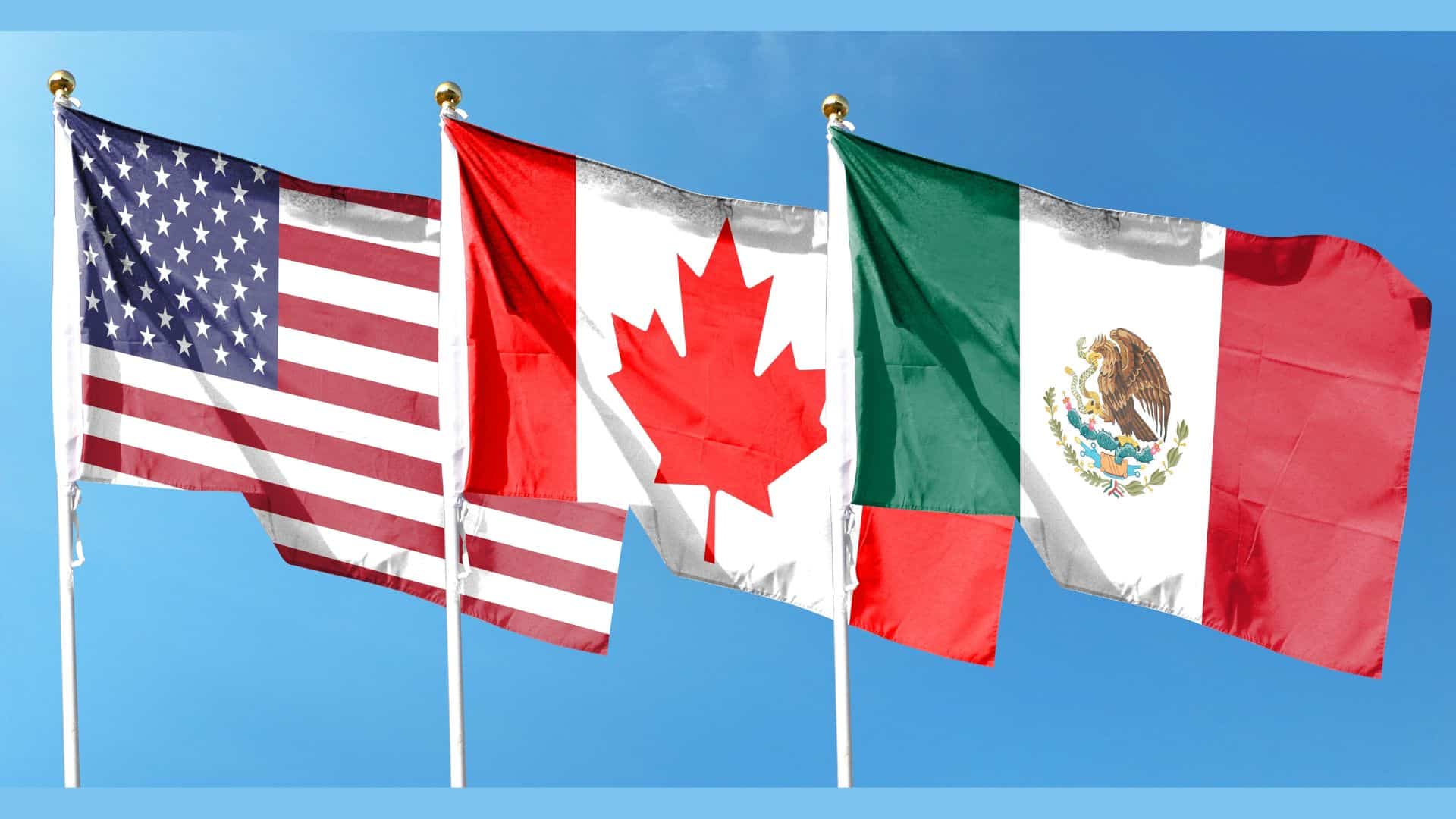
The Trump administration will not automatically renew the USMCA, the trade pact linking the United States, Mexico, and Canada. Instead, the agreement shifts into a decade of annual reviews while officials negotiate outstanding issues. Food industry analyst Phil Lempert told Newsweek nearly two trillion dollars in trilateral trade runs through the agreement every year, and warned the shift could eventually reach familiar places, from grocery aisles to car dealerships, depending on how talks unfold.
The Decision Triggers a Decade of Reviews
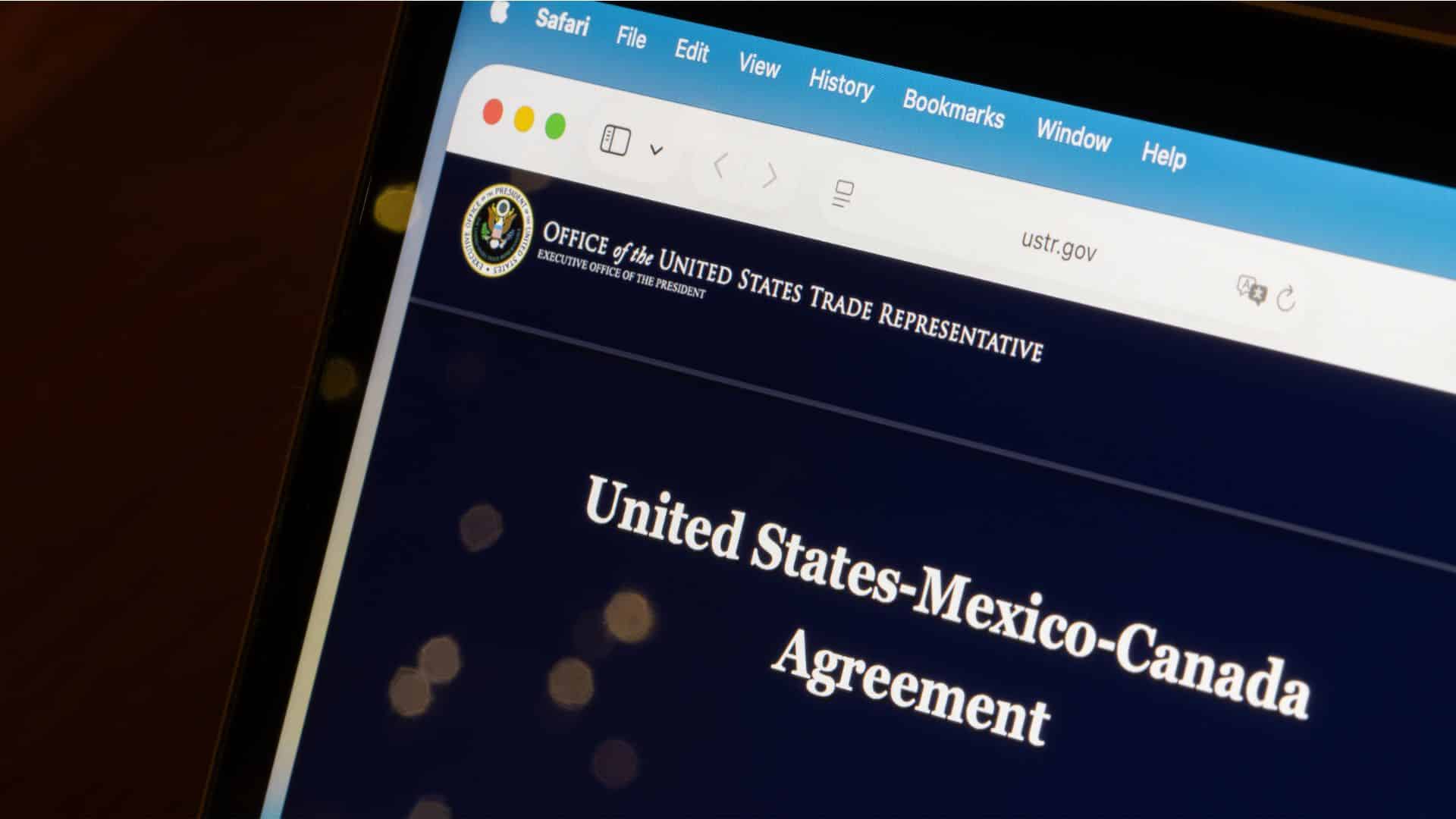
The decision landed on July 1, the deadline for the United States, Mexico, and Canada to decide whether to extend the sixteen-year pact. U.S. Trade Representative Jamieson Greer said the deal stays active while the underlying disputes get worked out or the pact is formally ended. A senior administration official told reporters on a call that Trump chose not to rubber-stamp a renewal, triggering yearly reviews that could reopen major parts of the deal.
The Produce Aisle Could Feel It First

Mexico supplies much of the produce found in American grocery stores, including tomatoes, avocados, berries, peppers, cucumbers, and limes. Because fresh food moves quickly from farm to shelf, economists warn it could be among the first categories to feel any new tariffs or border friction. Other categories at risk include processed foods, household goods, and industrial materials manufactured across North America. Businesses may absorb some added costs, switch suppliers, or pass expenses on to shoppers.
Car Prices Face Their Own Uncertainty
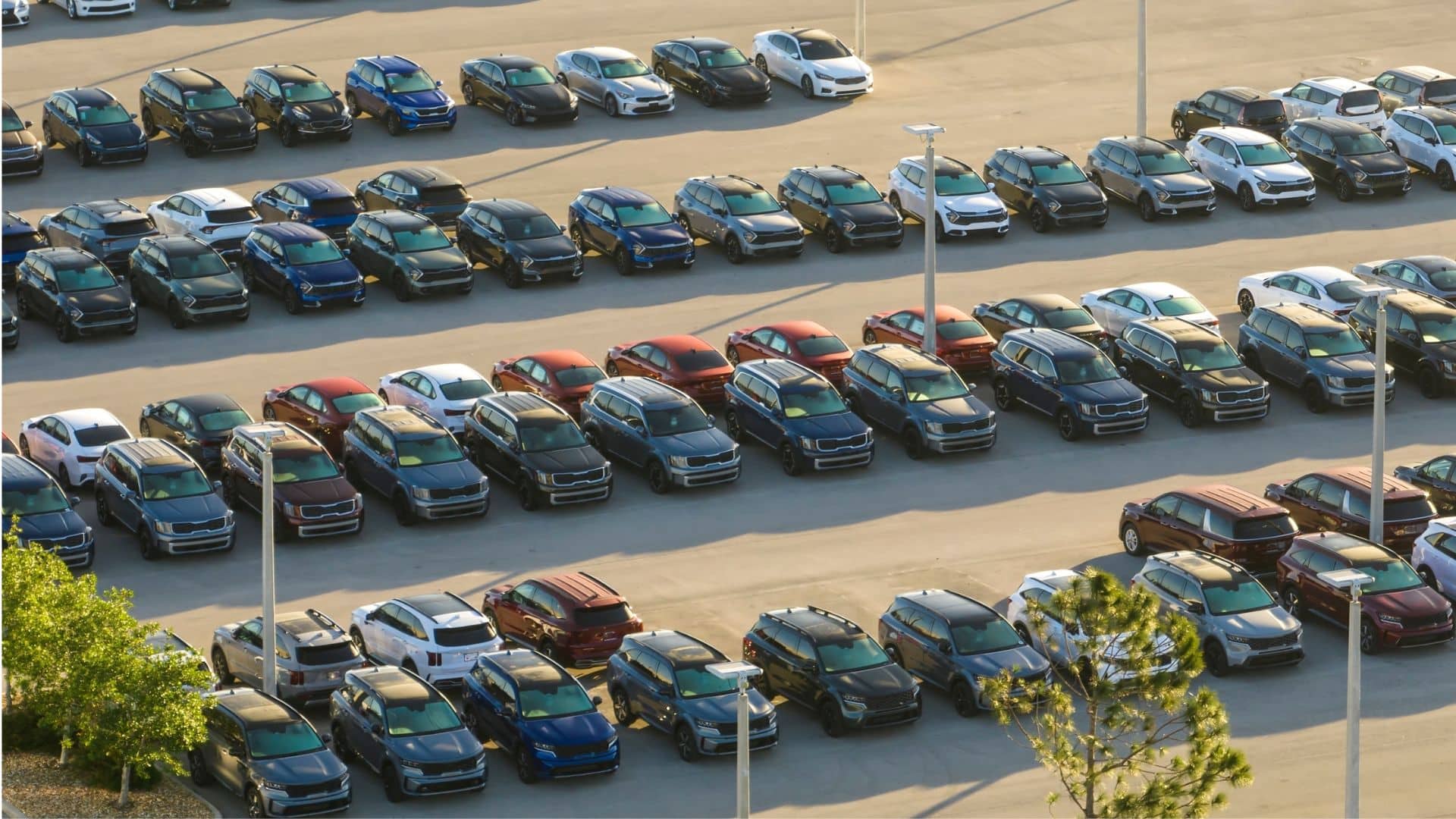
The auto industry faces its own exposure, since parts often cross U.S., Mexican, and Canadian borders multiple times before a vehicle is finished. New tariffs or rule changes could raise manufacturing costs, potentially affecting prices for new vehicles, replacement parts and repairs. Industry groups say the uncertainty alone makes it harder for companies to plan investments and manage supply chains.
Trump’s Position on the Deal Has Shifted
Trump has grown critical of the agreement he once called the best deal ever made. He said in June he wasn’t sure he would renew it, arguing the U.S. doesn’t need what Canada or Mexico has to offer, while they depend on the U.S. Officials point to persistent trade deficits as Trump’s primary concern, alongside tariffs he has already imposed on both neighboring countries during his second term.
Economists Point to a China Factor

Economist Chad Bown, a former State Department chief economist now at the Peterson Institute for International Economics, told Newsweek the underlying concern is China. He said officials want new rules to limit Chinese-made parts, such as car parts, from entering the U.S. through Mexican assembly lines at low tariffs. Mexico has already raised tariffs on Chinese imports, while Canada recently allowed some Chinese electric vehicles in.
Splitting the Supply Chain Adds Cost

Bown told Newsweek all three countries need to align for an integrated North American supply chain to work efficiently. He warned that farm tariffs between the nations would raise grocery costs, pointing to avocados, strawberries, tomatoes and cattle markets that have historically operated across open borders. Splitting the system apart, he said, makes production far more expensive. Operating independently costs more than working through one shared, integrated approach.
What the USMCA Actually Covers
Trump originally signed the USMCA during his first term to replace NAFTA, and it took effect in 2020, covering everything from tariffs and labor rules to agriculture and auto manufacturing. Built into the deal is a six-year checkpoint, arriving this year, where member nations weigh whether the terms still serve them. That checkpoint is exactly what triggered the current standoff.
Industry Groups Defend the Deal’s Track Record
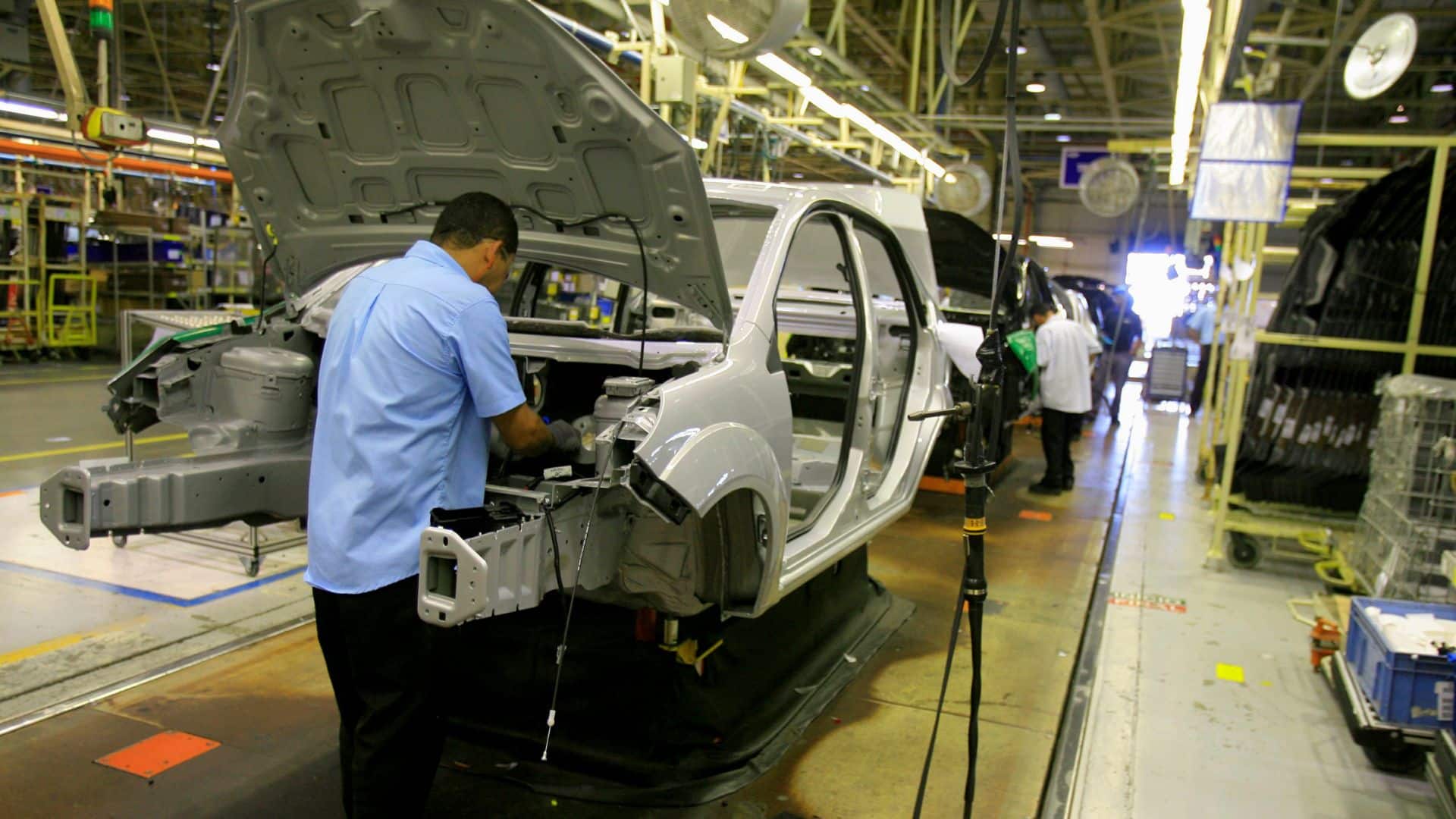
Auto industry groups, including the Alliance for Automotive Innovation, said in a joint statement that the agreement has driven major U.S. production investment and manufacturing job growth over the past six years. Business Roundtable CEO Joshua Bolten pointed to more than thirteen million American jobs tied to North American trade, with Canada and Mexico standing as the top buyers of U.S. manufactured and agricultural goods.
Talks Continue With No Resolution Yet
A third round of bilateral talks between the U.S. and Mexico is scheduled for the week of July 20 in Mexico City, though Canada has no formal negotiations on the calendar yet. As of this writing, there’s no update on how discussions have progressed. The USMCA stays in place for now, and its fate over the next decade depends on what these reviews decide.