These American Favorites are Banned in Other Countries Over Health Concerns
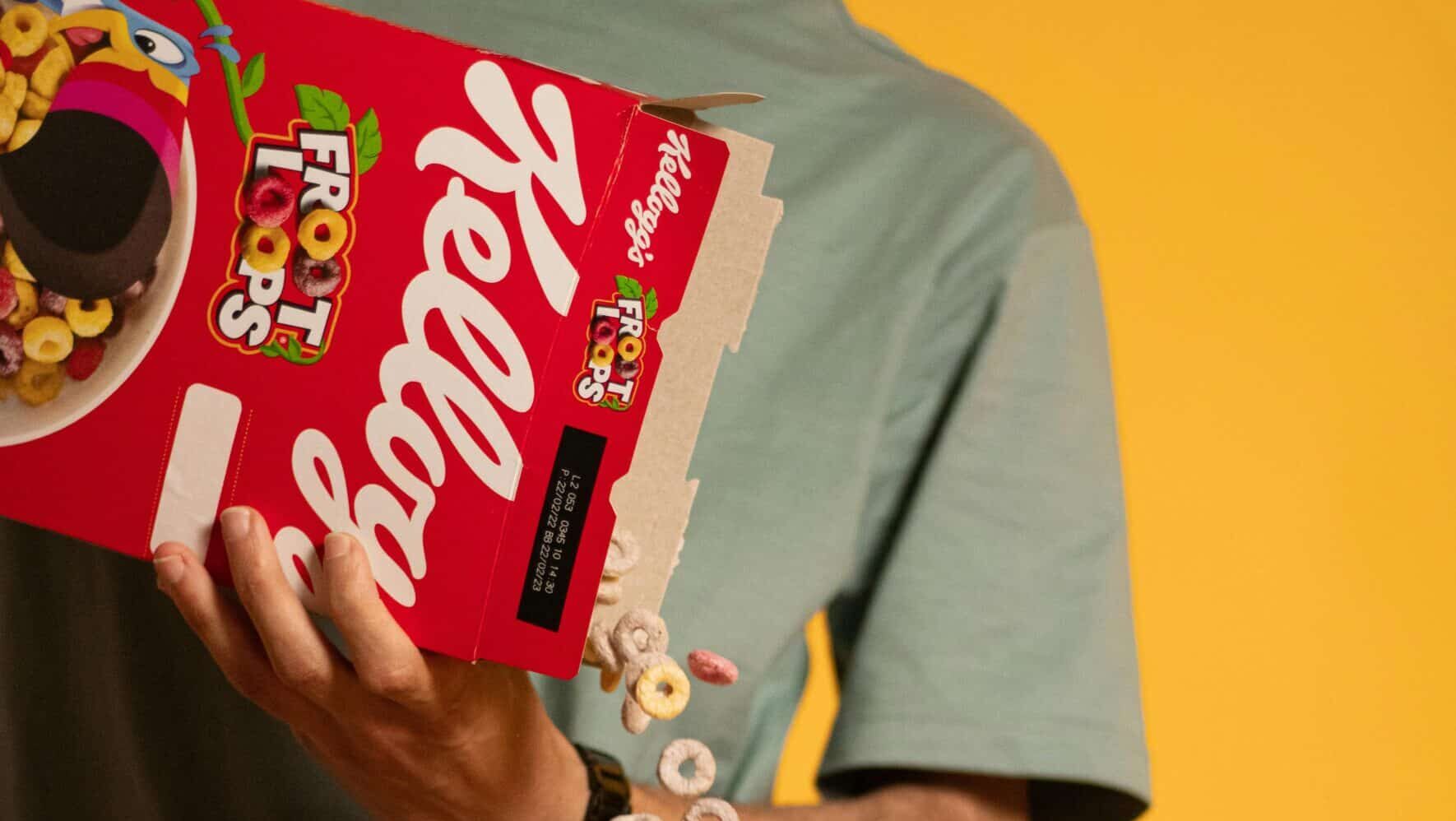

Many foods commonly found on grocery shelves are banned or heavily restricted in other parts of the world. These bans are often based on health concerns, food safety standards, or the long-term effects of certain additives. While these items remain legal in some countries, regulators elsewhere have taken a stricter stance. The differences reveal how food safety standards vary globally.
Skittles Face Restrictions Due to Chemical Additives
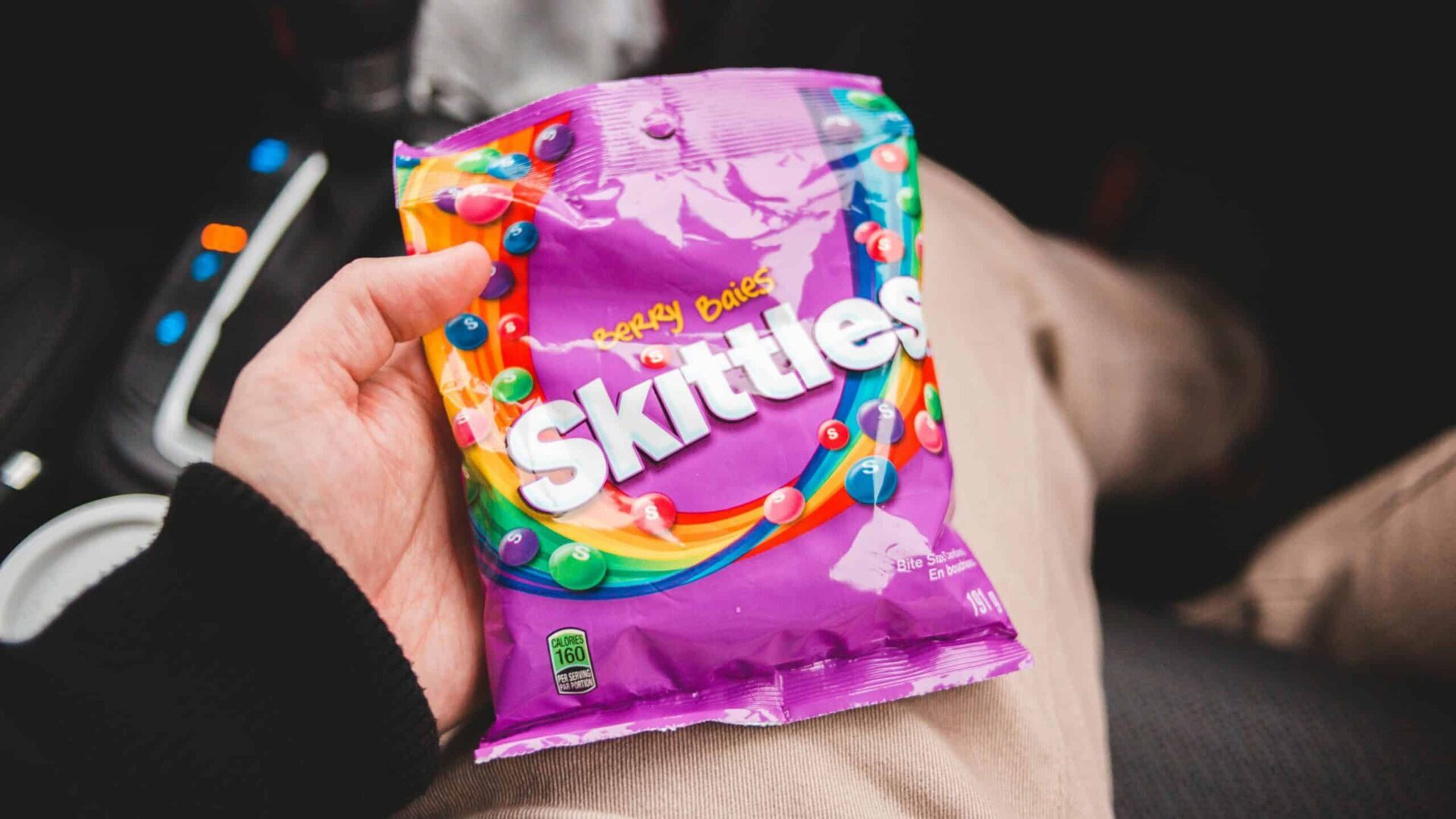
Skittles have been banned or restricted in countries such as Norway and Austria because they contain titanium dioxide, a color additive linked to potential health risks. European regulators have raised concerns about its possible effects on DNA and long-term consumption. Although the candy is still widely sold in the U.S., other regions consider the risks unacceptable. This has sparked debate over why food standards differ so sharply.
Farmed Salmon Is Not Welcome Everywhere
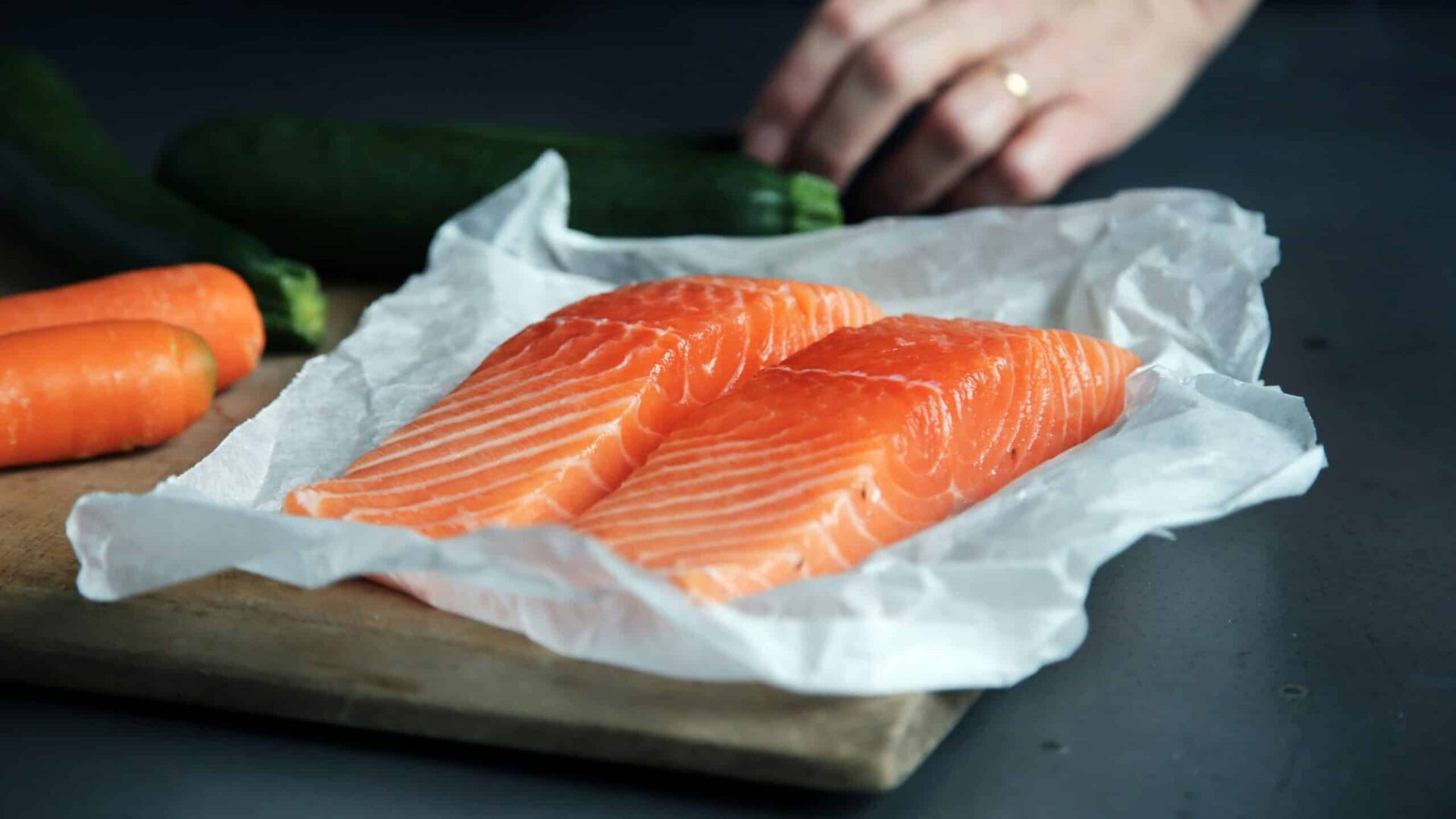
Farmed salmon has been banned or discouraged in countries like Australia and New Zealand due to concerns about antibiotics, artificial coloring, and environmental damage. Regulators argue that chemicals used in farming may pose risks to consumers over time. Wild-caught salmon is often preferred under stricter food safety rules. These concerns highlight the growing scrutiny over industrial fish farming.
Mountain Dew Has Raised Health Alarms Abroad
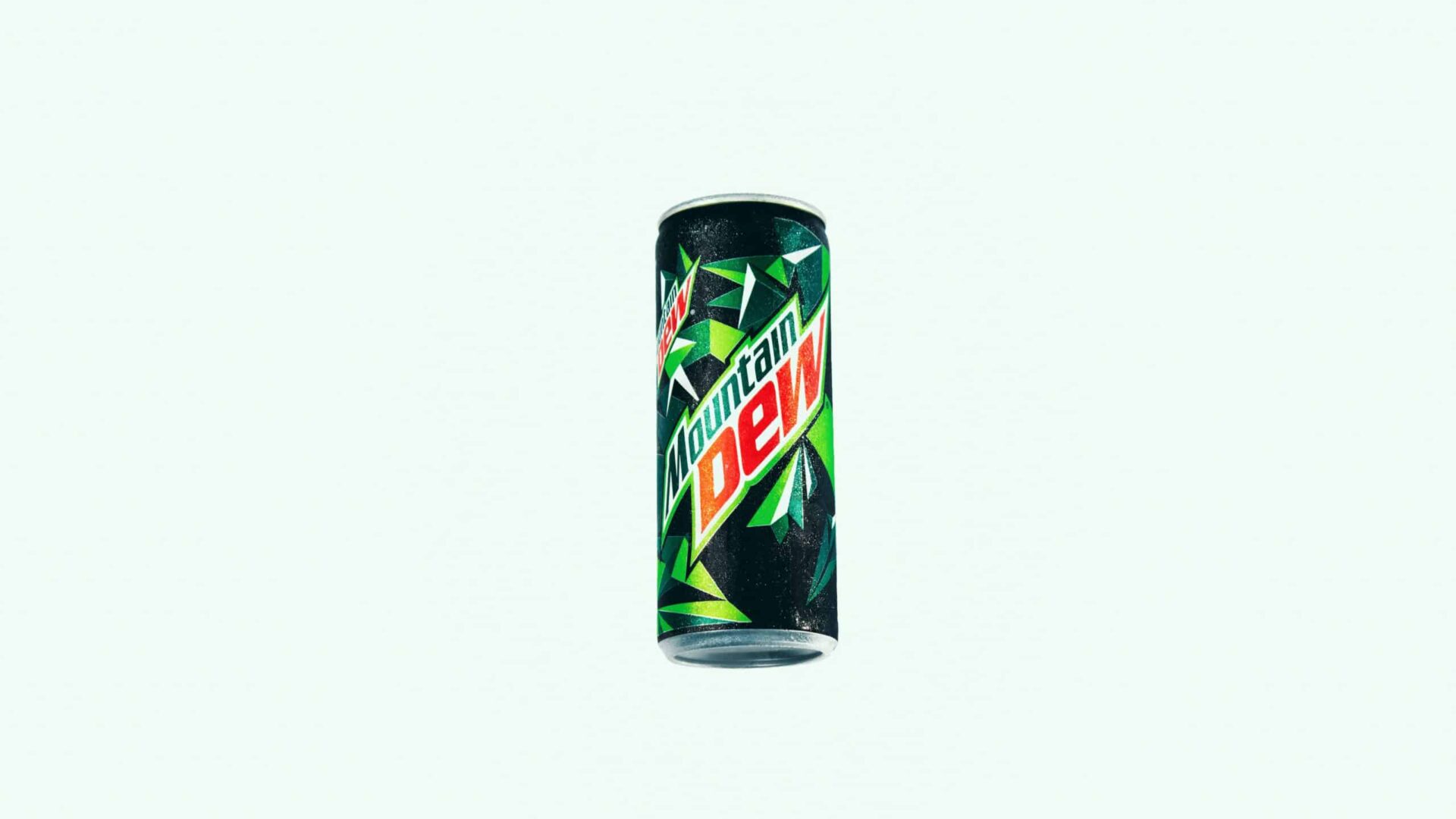
Mountain Dew has faced bans in parts of Europe and Japan because it once contained brominated vegetable oil, an ingredient linked to nervous system and thyroid issues. While the formula has changed in some regions, concerns about additives remain. Other countries enforce tighter regulations on artificial ingredients in soft drinks. This has made certain sodas controversial outside the U.S.
Kinder Surprise Eggs Are Banned for Safety Reasons

Kinder Surprise eggs are prohibited in the United States but allowed in many other countries due to choking hazard concerns. However, some countries restrict similar products that combine toys and food. Regulators argue that embedding non-edible items inside food poses risks to children. This ban shows how safety rules can vary even for beloved treats.
Ractopamine-Treated Meat Is Rejected Globally
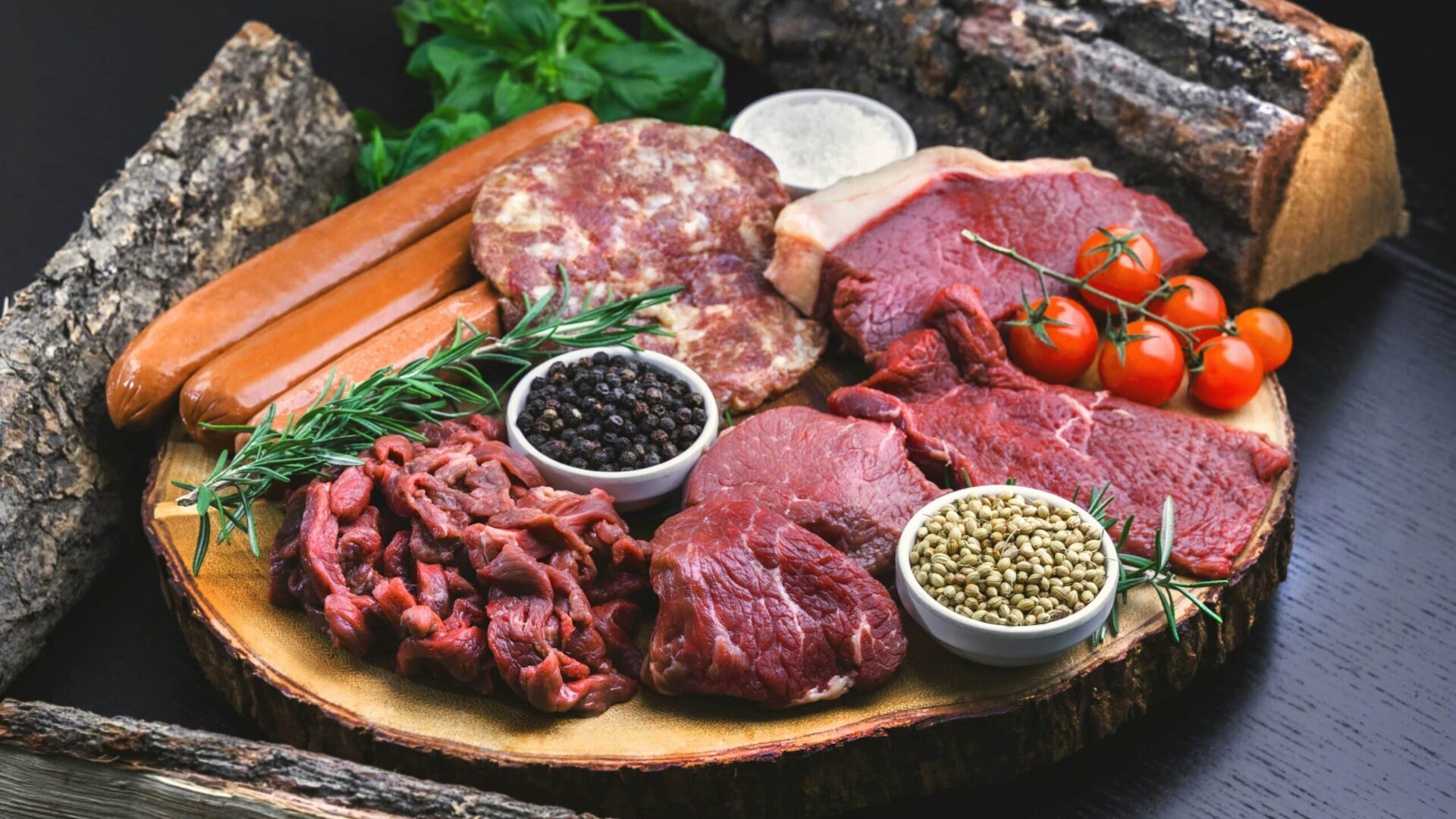
Meat treated with ractopamine, a growth-enhancing drug used in livestock, is banned in dozens of countries including China and members of the European Union. Health officials cite concerns about potential cardiovascular effects in humans. Despite approval in the U.S., many nations refuse imports containing the drug. This has caused ongoing trade disputes.
Artificial Food Dyes Are Closely Regulated

Certain artificial food dyes commonly used in snacks and cereals are banned or require warning labels in parts of Europe. Studies have linked some dyes to hyperactivity and behavioral issues in children. Rather than banning them outright, some countries demand transparency through labeling. This approach pressures manufacturers to reformulate products.
Olestra Never Took Off Worldwide
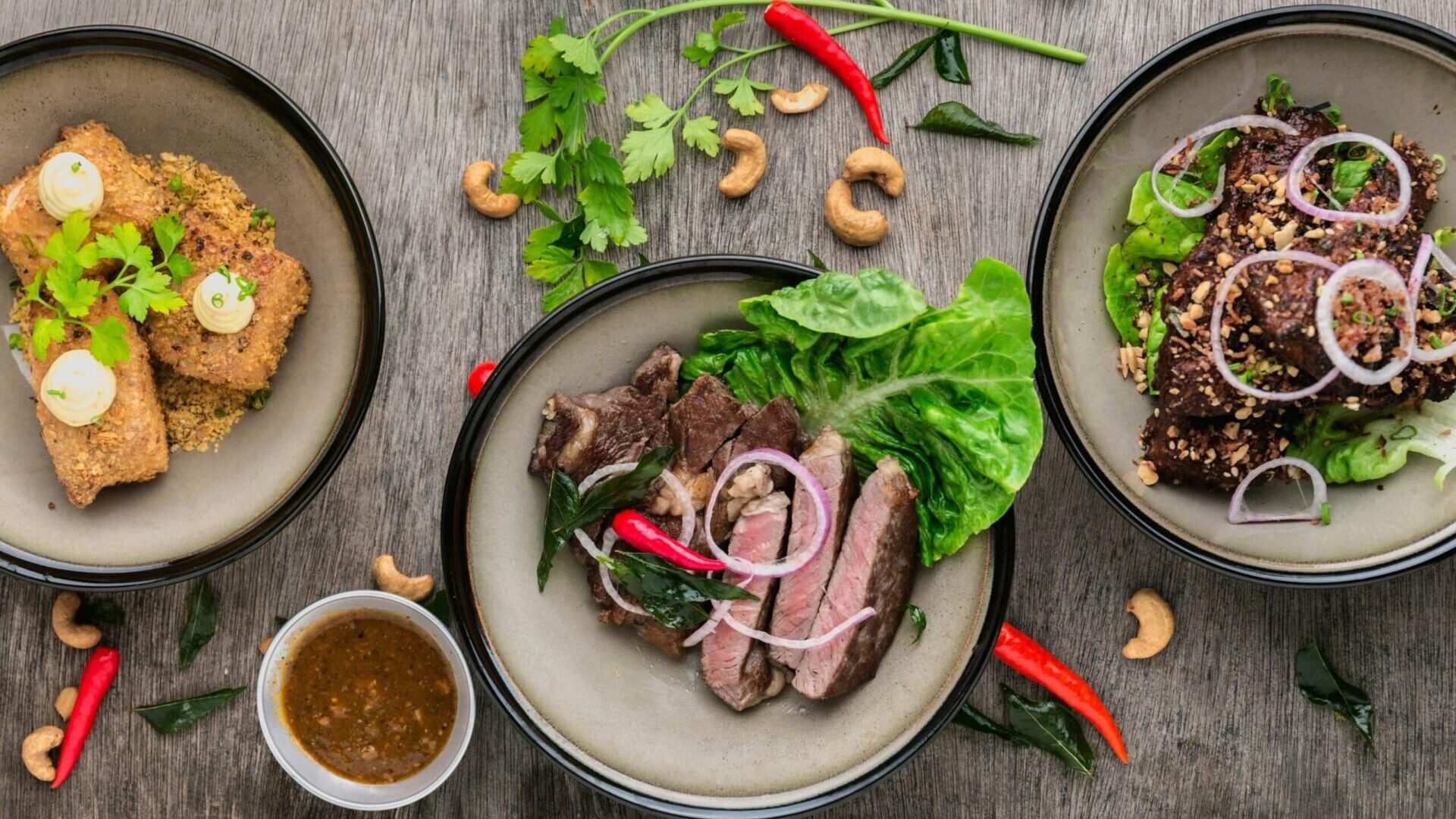
Olestra, a fat substitute once marketed as a healthier alternative, has been banned or discouraged in several countries. Health authorities raised concerns about digestive side effects and nutrient absorption issues. While it briefly appeared in diet snacks, it quickly fell out of favor. Many countries chose prevention over consumer experimentation.
Chlorine-Washed Chicken Is a Major Red Flag
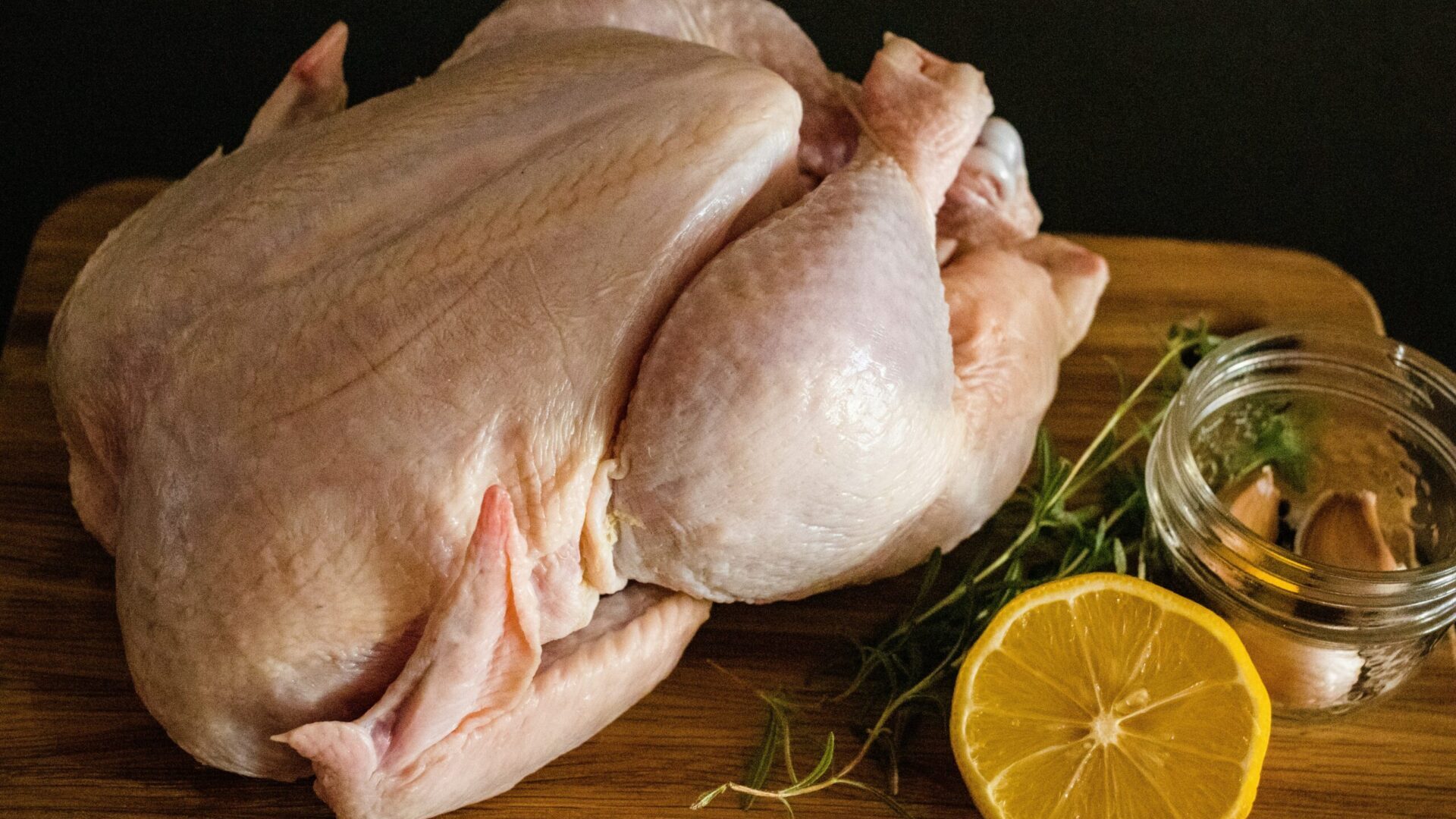
Chlorine-washed chicken, common in the U.S., is banned in the European Union due to food safety and animal welfare concerns. European regulators argue that chemical washing masks poor hygiene practices earlier in production. Instead, they focus on stricter farming and processing standards. This difference has been a major point of trade tension.
Food Bans Reflect Different Views on Public Health

These international food bans reveal how governments balance consumer choice, industry interests, and long-term health risks. While some countries allow additives until harm is proven, others apply precautionary principles. The result is a patchwork of food laws across the globe. For consumers, it raises an important question about what standards should truly define “safe” food.