These are the Most Hated Foods in the U.S.


Americans have plenty of opinions about food, but nothing sparks debate quite like the dishes people can’t stand. A nationwide YouGov survey asked thousands of adults which foods they dislike or hate, revealing a list that ranges from salty seafood to bitter vegetables. The results show not only what tops the “most hated” ranking but also how age, taste, and personal experience shape strong reactions to certain ingredients.
Anchovies Claim the Top Spot
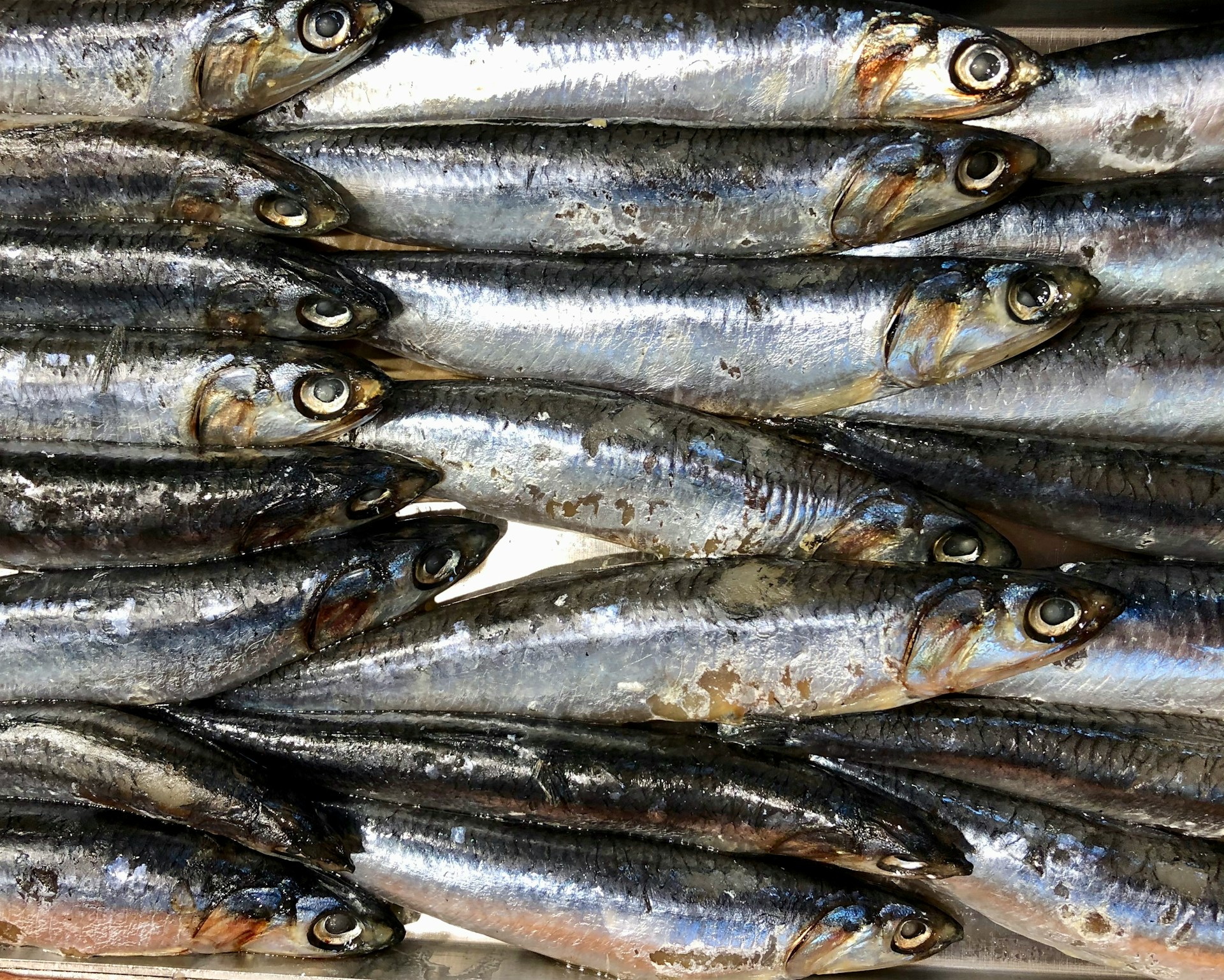
Anchovies emerged as the most disliked food in the country, with 56% of Americans saying they dislike or hate them. Their intense saltiness and pungent flavor make them polarizing, especially for people unaccustomed to cured fish. Despite their reputation, anchovies remain a staple in traditional cooking and pizza debates alike.
Liver Takes Second Place
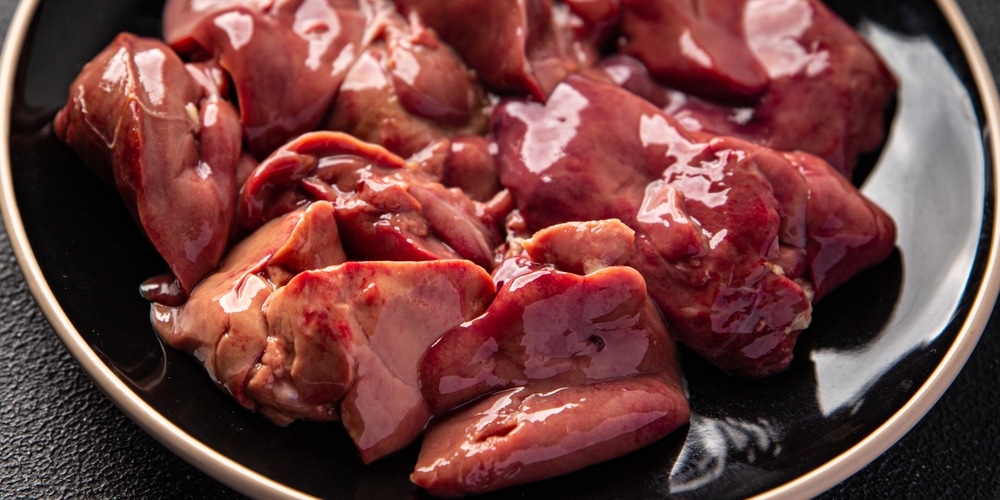
Hot on anchovies’ heels is liver, which 54% of Americans reported disliking or hating. Liver’s strong metallic taste and dense texture often make it a challenging dish, even for adventurous eaters. Notably, liver ranks highest among foods that people specifically say they “hate,” with 40% placing it at the bottom of their list.
Sardines Round Out the Top Three

Sardines earned a spot among the most disliked foods, with 52% of adults expressing distaste. Their oily texture and robust aroma leave a lasting impression, contributing to their reputation as a love-or-hate item. Even though they are nutritious and widely enjoyed in many cuisines, the survey shows their appeal doesn’t translate universally in the U.S.
Why Tofu, Squid, and Caviar Rank So Low
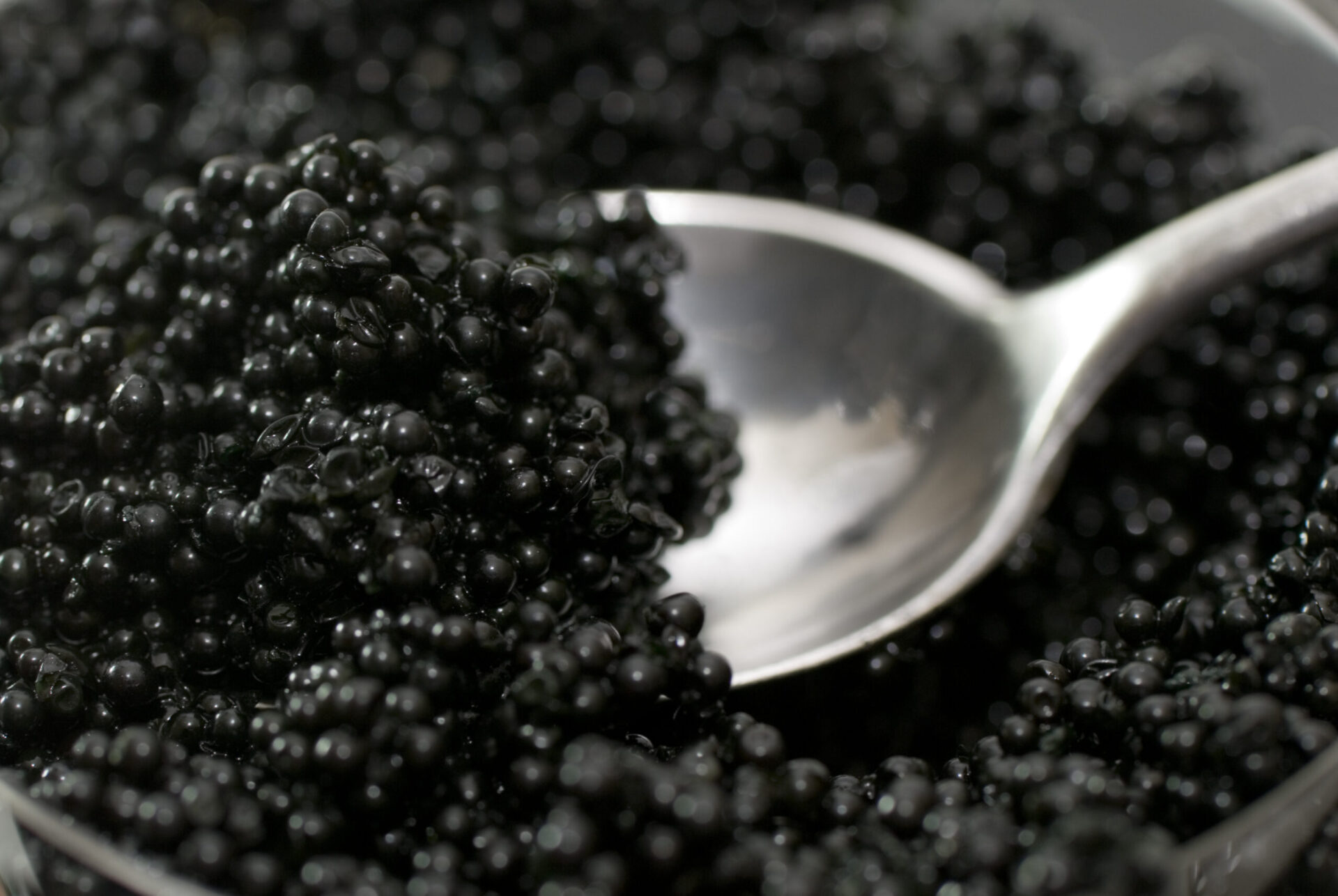
Several protein-rich foods also made the list, including tofu (46%), squid (44%), and caviar (43%). These foods often divide opinion due to unfamiliar textures—whether tofu’s softness, squid’s chewiness, or caviar’s delicate pop. Some respondents cited uncertainty or lack of exposure, reinforcing how cultural familiarity influences taste preferences.
Oysters and Sushi Stir Strong Reactions
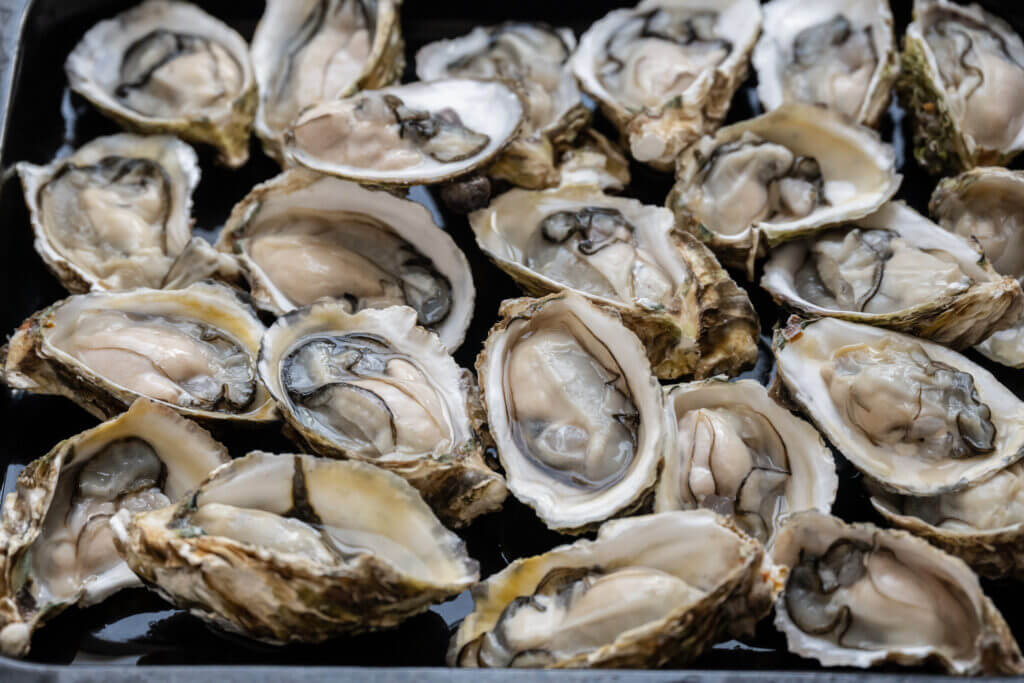
Oysters (42%) and sushi (39%) continue the theme of seafood-related aversion. Oysters’ slippery texture and briny flavor prompt hesitation among many Americans. Sushi, while increasingly popular, still challenges those who are uneasy about raw fish or seaweed-based dishes.
Beets, Kale, and Other Bitter Vegetables
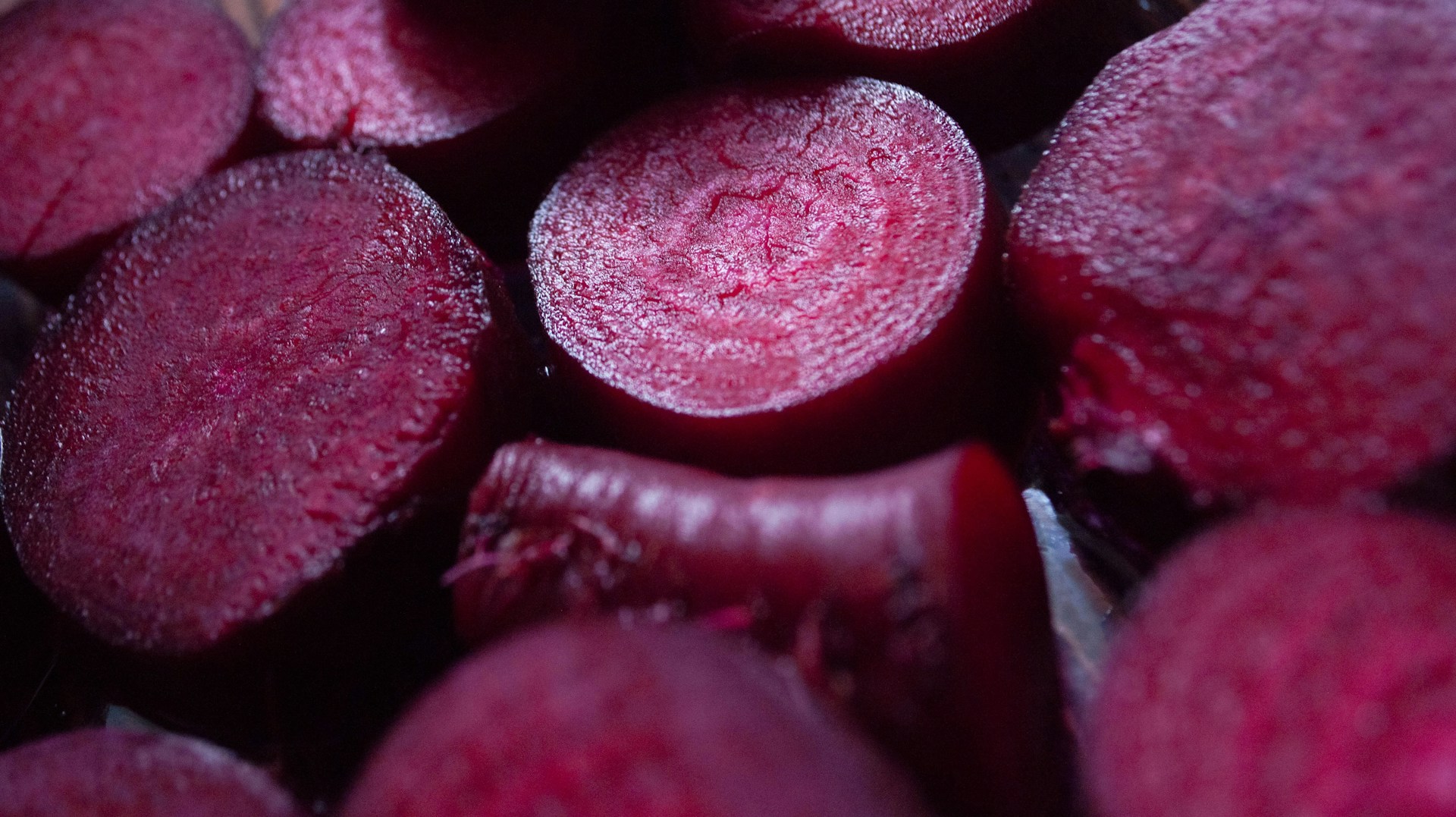
Vegetables with earthy or bitter profiles also ranked highly among the least-liked foods. Beets (35%) and kale (31%) attracted significant dislike, often due to their strong natural flavors. These ingredients appear frequently in healthy dishes, but the survey indicates they remain divisive at American tables.
Generational Differences in Taste

YouGov’s findings highlight notable age-based differences in food aversions. Younger adults tended to dislike condiments such as mustard, mayonnaise, olives, and pickles more than older groups. Meanwhile, older Americans reported stronger aversions to seafood items like anchovies, sardines, and squid, reflecting how exposure, nostalgia, and culinary norms shape taste.
Men and Women Dislike Different Foods

Taste preferences also varied by gender. Men were more likely to dislike bitter vegetables such as Brussels sprouts, cauliflower, spinach, and broccoli. Women, on the other hand, showed higher levels of aversion toward several seafood items, including anchovies, sardines, squid, oysters, and caviar, as well as protein-rich dishes like liver and chitterlings.
Even the Hated Foods Have Fans
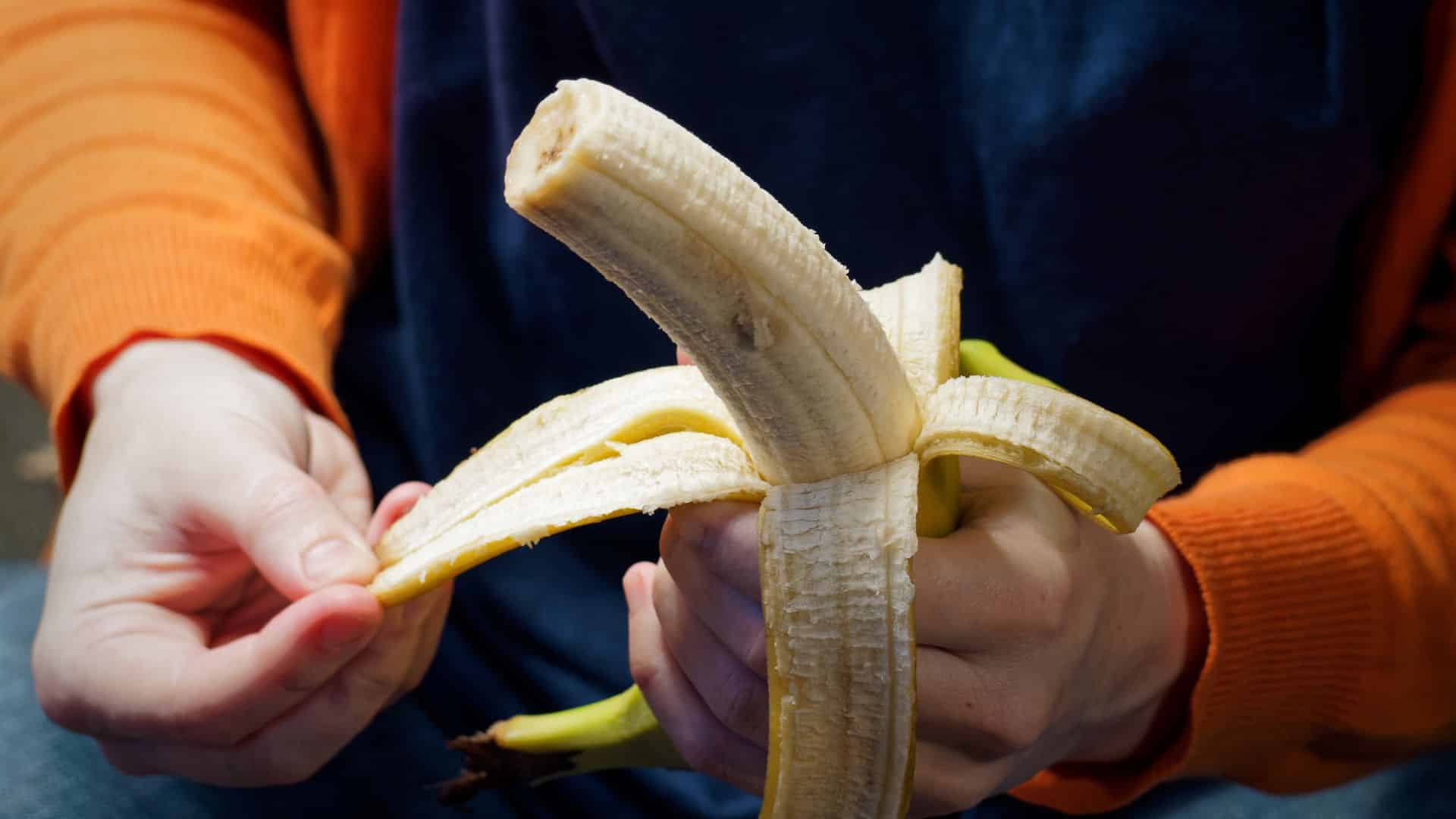
The survey revealed an unexpected twist: many of the most disliked foods also have enthusiastic supporters. Foods like eggs and bananas topped the “loved or liked” category, even though they appear on the broader list of disliked items. This contrast shows that strong opinions—positive or negative—often develop around foods people encounter most.