These ‘Common’ Chemicals in Food Are Being Linked to Testicular Damage and Reduced Sperm Counts


Pesticides used in conventional agriculture are finding their way into the food supply, raising concerns about unintended health consequences. Most consumers remain unaware of the chemical residues present in everyday meals, purchased from standard grocery stores and prepared in home kitchens. Scientists are now investigating whether these invisible exposures could be undermining reproductive health in men.
A recent examination of two decades’ worth of experimental data has revealed troubling patterns. George Mason University researchers reviewed studies spanning from 2005 to 2025, identifying consistent links between certain agricultural chemicals and male fertility problems. The patterns appeared strong enough to warrant serious attention from the public health community and agricultural regulators.
Lead researcher Sumaiya Safia Irfan described the team’s findings in stark terms, stating they found evidence suggesting these chemicals may reduce sperm quality, interfere with hormone function, and cause tissue damage in reproductive organs. The convergence of evidence across multiple independent studies suggests the relationship is not coincidental. Questions remain about how significantly these chemicals affect human populations in real-world conditions.
A Class of Pesticides Dominating Global Agriculture

Neonicotinoid insecticides have become the go-to pest control solution for farmers worldwide over the past two decades. Their popularity stems from effectiveness and ease of application, but these same properties create problems for food safety. Unlike older pesticides that coat plant surfaces, these newer chemicals integrate into every part of the crop as it grows.
The mechanism of action creates a built-in pathway for human consumption. When farmers treat seeds or soil with these insecticides, plants draw the chemicals up through their roots and distribute them throughout leaves, stems, fruits, and vegetables. Research assistant Veronica Sanchez highlighted that laboratory studies unanimously showed damage to sperm quality in test animals exposed to these substances.
The gap between agricultural practice and consumer awareness remains wide. Few people shopping for groceries consider whether pest control methods used months earlier could affect their health years later. The invisible nature of the contamination means standard food safety practices like visual inspection offer no protection. Fertility challenges affect many couples, but rarely do they consider agricultural chemicals as potential contributors.
Questions Outpace Answers on Human Effects
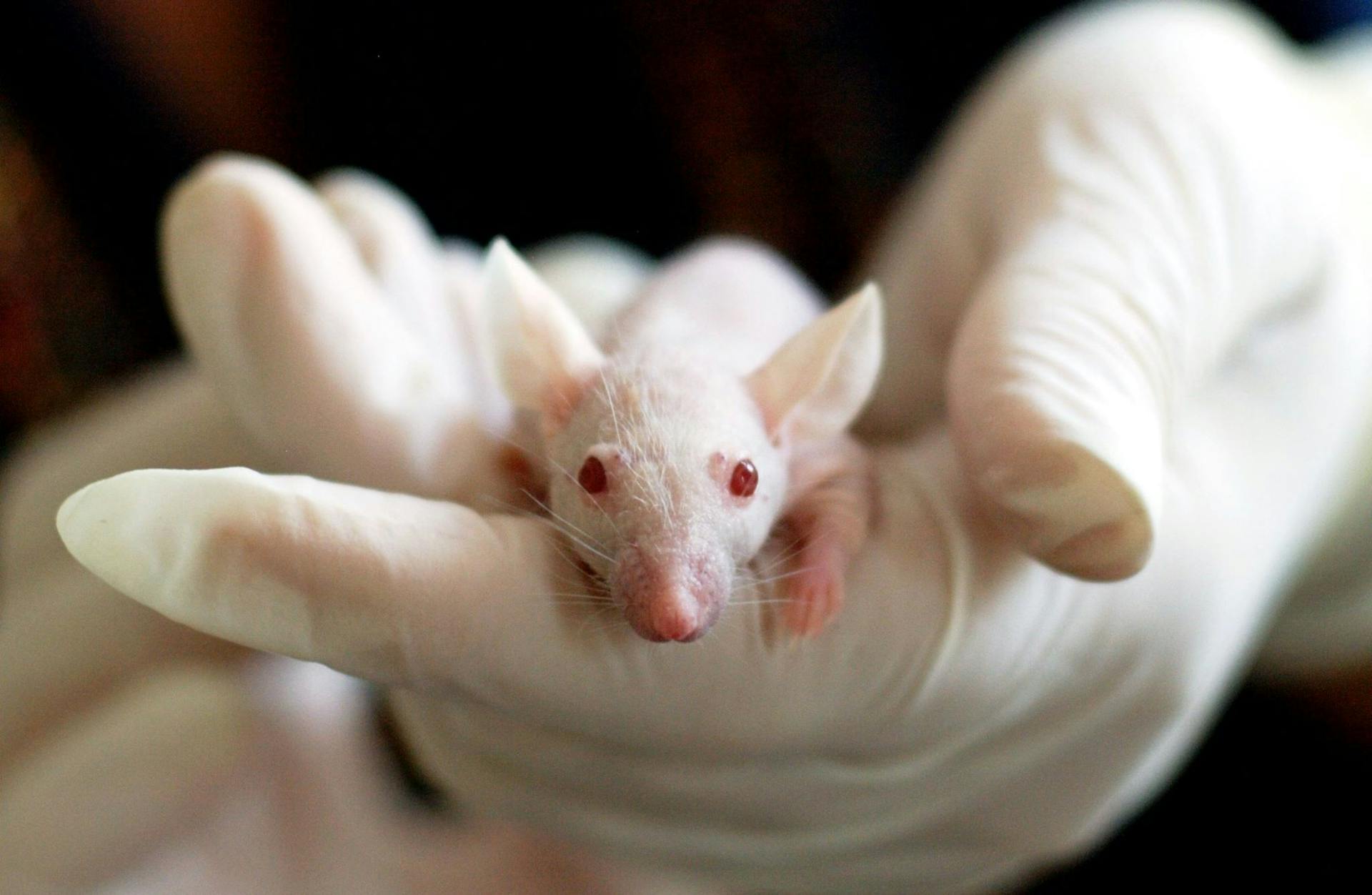
Laboratory animals provide valuable clues but cannot definitively predict human outcomes. While mice and rats showed reproductive harm from neonicotinoid exposure, translating those findings to people requires additional investigation. Researchers stress caution about drawing firm conclusions while acknowledging the warning signs deserve attention.
The timeline of increased pesticide use makes the research questions more pressing. According to public health dean Melissa Perry, American agricultural dependence on these chemicals has intensified substantially in recent years, meaning population-wide exposure has become routine rather than exceptional. The scale suggests millions of people encounter these substances regularly through their diets.
Scientists find themselves in an uncomfortable position of having suggestive evidence without definitive proof. They cannot yet quantify safe exposure limits or predict individual risk with confidence. This uncertainty leaves both the public and policymakers without clear guidance on protective measures. The consensus among researchers is that bridging this knowledge gap should become a research priority, given the potential reproductive consequences.
Consumer Protection Proves Challenging

Standard food safety advice tells people to rinse fresh produce before eating, which helps with many contaminants. However, the unique characteristics of neonicotinoids make traditional cleaning methods largely ineffective. Since the chemicals exist within plant tissues rather than on surfaces, water cannot reach and remove them.
Shopping choices offer the most realistic avenue for reducing exposure, according to Irfan. Being selective about produce sources and understanding which crops receive heavier pesticide treatments can help consumers make informed decisions. She acknowledged the inherent limitations, noting that once these chemicals enter a plant systemically, removal becomes essentially impossible regardless of preparation method.
The situation places responsibility on individual consumers, which many argue should rest with regulators and the agricultural industry. As research continues and use patterns evolve, people face ongoing uncertainty about whether their food choices could be affecting their fertility. The need for safer agricultural methods and more transparent labeling becomes clearer as evidence accumulates about potential health impacts tied to current farming practices.