These Common Foods Fuel Your Gut Better Than Prebiotic Supplements
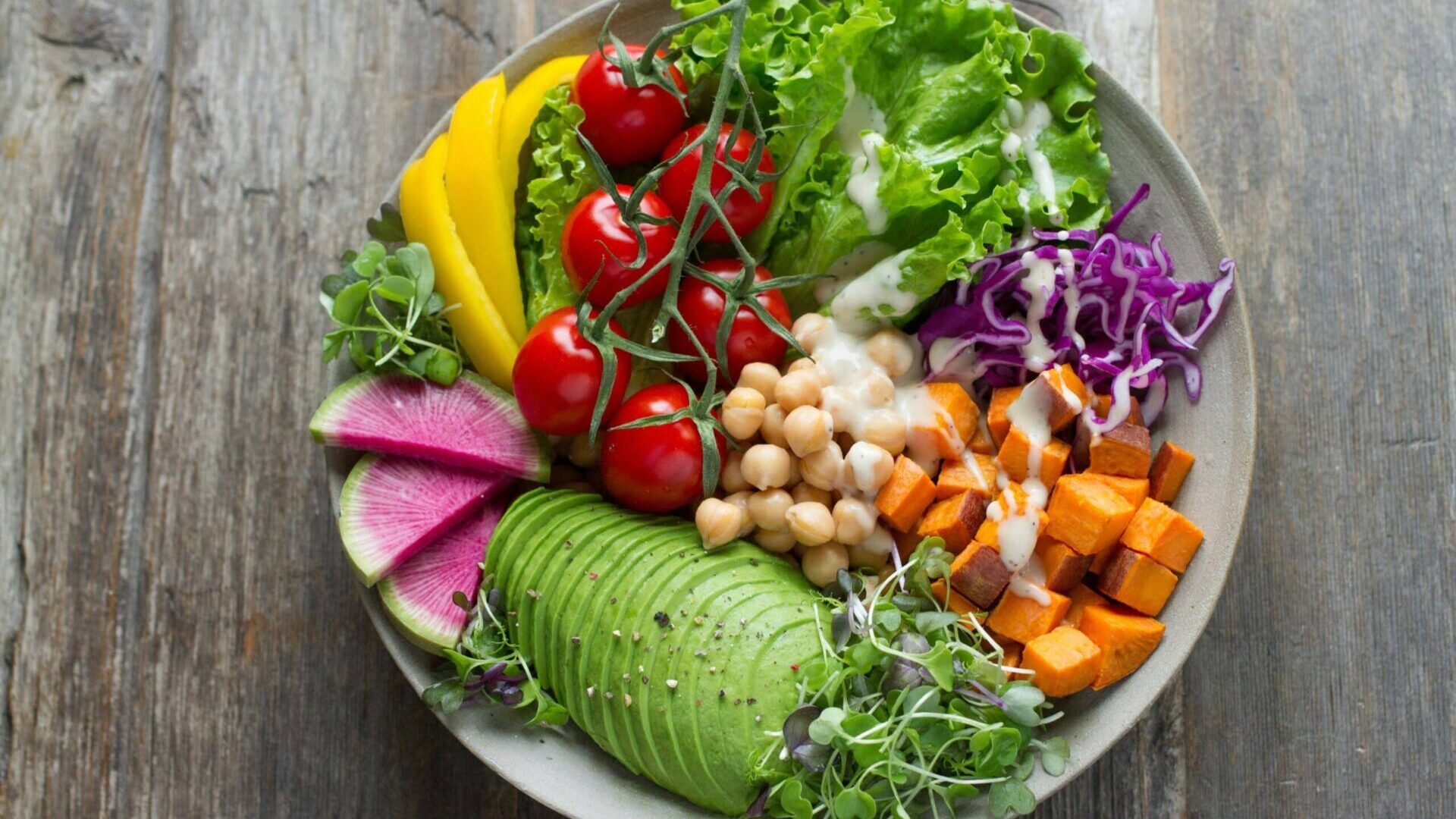

Prebiotics play a crucial role in keeping the gut microbiome healthy and balanced. They act as fuel for beneficial gut bacteria, helping them thrive and perform essential functions. While supplements can provide prebiotics, experts consistently emphasize that food sources are more effective. Nutrients from whole foods are better absorbed and often come with additional health benefits. Simply put, feeding your gut naturally works best.
Why Food Beats Supplements
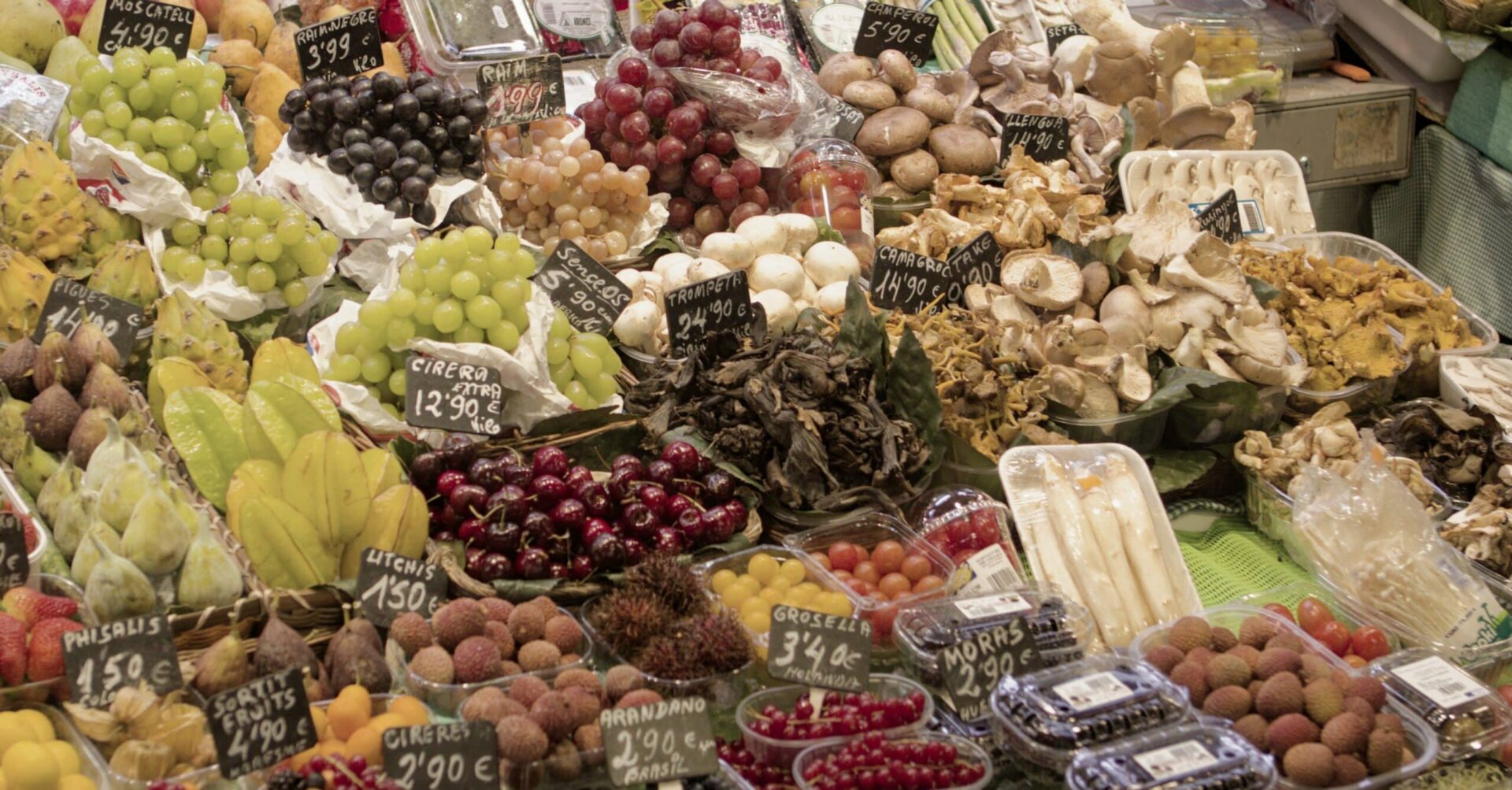
According to Harvard Medical School, vitamins and minerals are most potent when they come from food. Whole foods offer a complex mix of fibers, antioxidants, and nutrients that supplements cannot fully replicate. They are also generally more affordable and enjoyable to consume. With so many prebiotic-rich foods available, it’s easier to support digestion without relying on pills. Your gut — and overall health — benefit from this natural approach.
Bananas: A Surprisingly Powerful Prebiotic

Bananas are one of the most accessible and effective prebiotic foods. Most of their carbohydrates come from prebiotic fibers, including inulin and resistant starch. Just three to five grams of prebiotics per day can significantly improve gut health, and bananas can help you reach that target easily. Research suggests this benefit applies across banana varieties, not just the Cavendish type. Simple, affordable, and effective, bananas are a gut-friendly staple.
Resistant Starch and Why It Matters

One of the key prebiotic components in bananas is resistant starch. This type of starch resists digestion in the small intestine and reaches the colon intact. Once there, it becomes food for beneficial bacteria. As it ferments, it produces compounds that support digestion and metabolic health. Resistant starch is one reason whole foods outperform supplements.
Asparagus: Fiber-Rich and Gut-Friendly
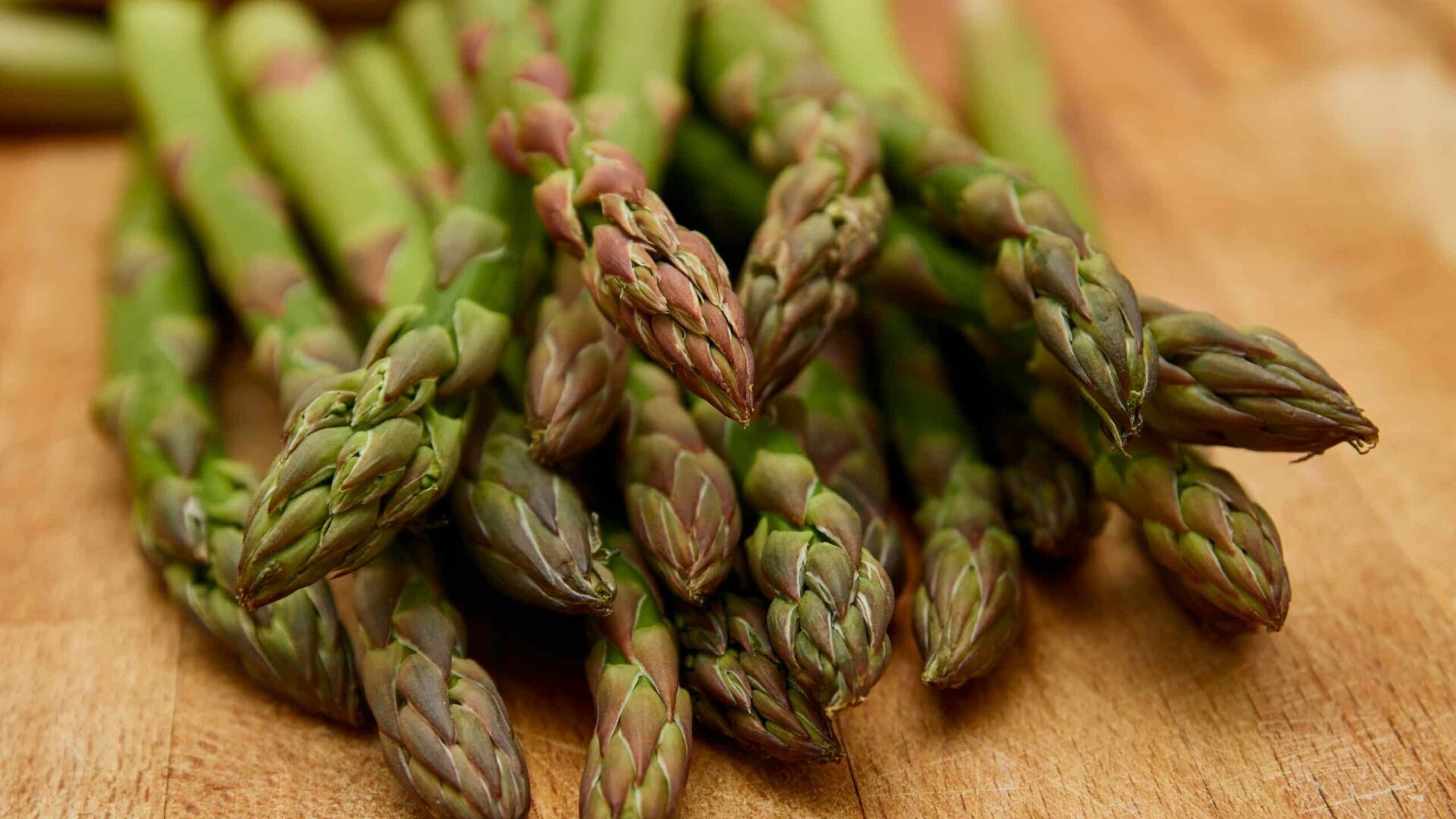
Asparagus is another standout prebiotic food packed with inulin and other beneficial fibers. A quarter pound can provide at least five grams of prebiotics, meeting daily recommendations. Dietitians praise asparagus for its nutrient density and digestive benefits. It supports healthy bacteria while also supplying vitamins and minerals. Including it regularly can help strengthen gut health over time.
Apples and the Power of Pectin

Apples contain more than four grams of fiber, much of which is prebiotic. Their key fiber, pectin, has been shown to reduce inflammation and support heart health. Pectin also feeds beneficial gut bacteria, improving microbial diversity. Apples are additionally rich in polyphenols, which further enhance gut function. This makes them a simple yet powerful digestive ally.
Garlic: Small but Potent
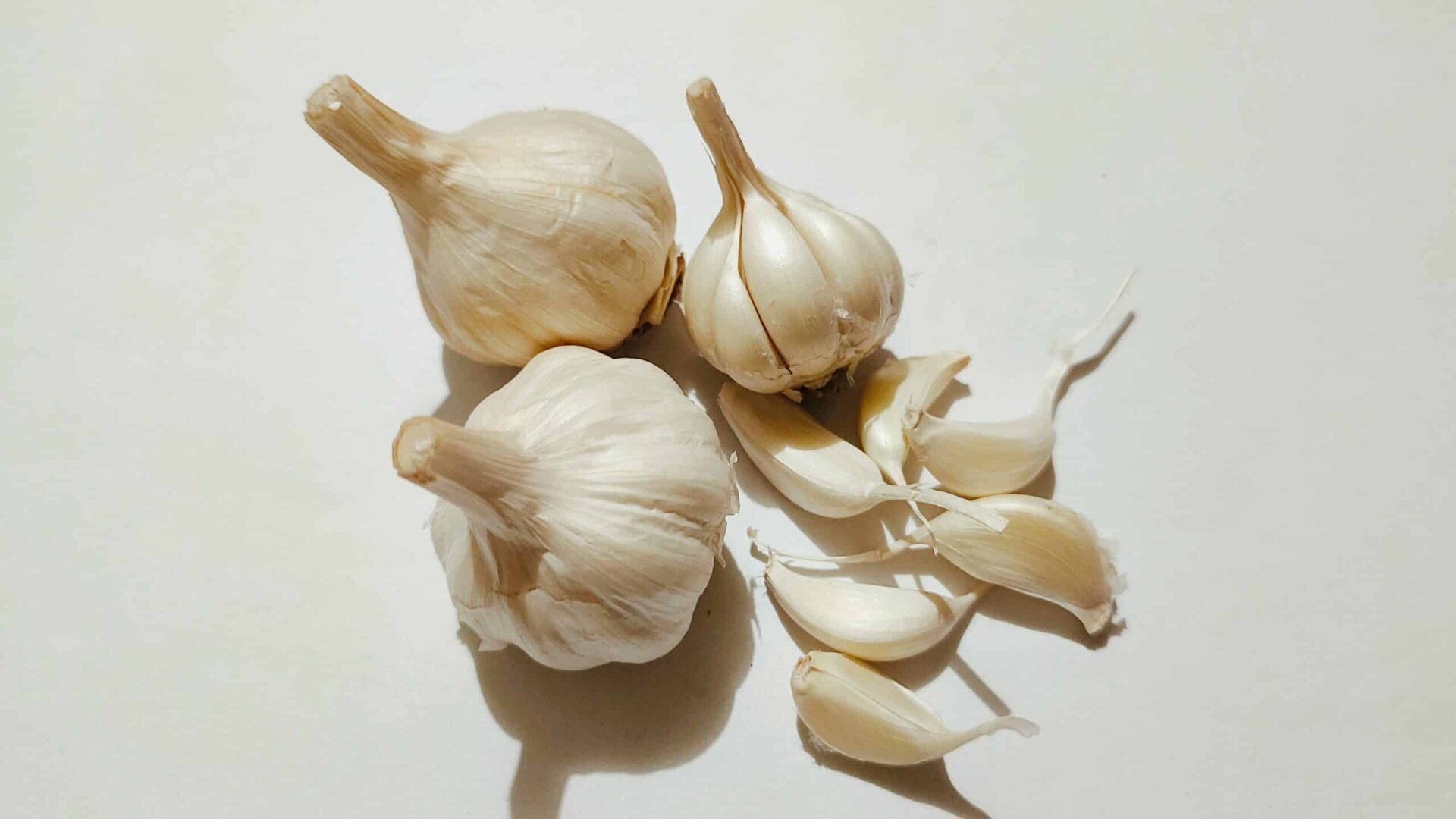
While garlic is lower in total fiber, it is exceptionally rich in prebiotics by weight. A significant portion of its fiber consists of inulin and fructooligosaccharides (FOS). These compounds promote the growth of beneficial bacteria while inhibiting harmful ones. Garlic has also been linked to immune support and antimicrobial effects. Even small amounts can make a difference.
Oats as Microbiome Fuel
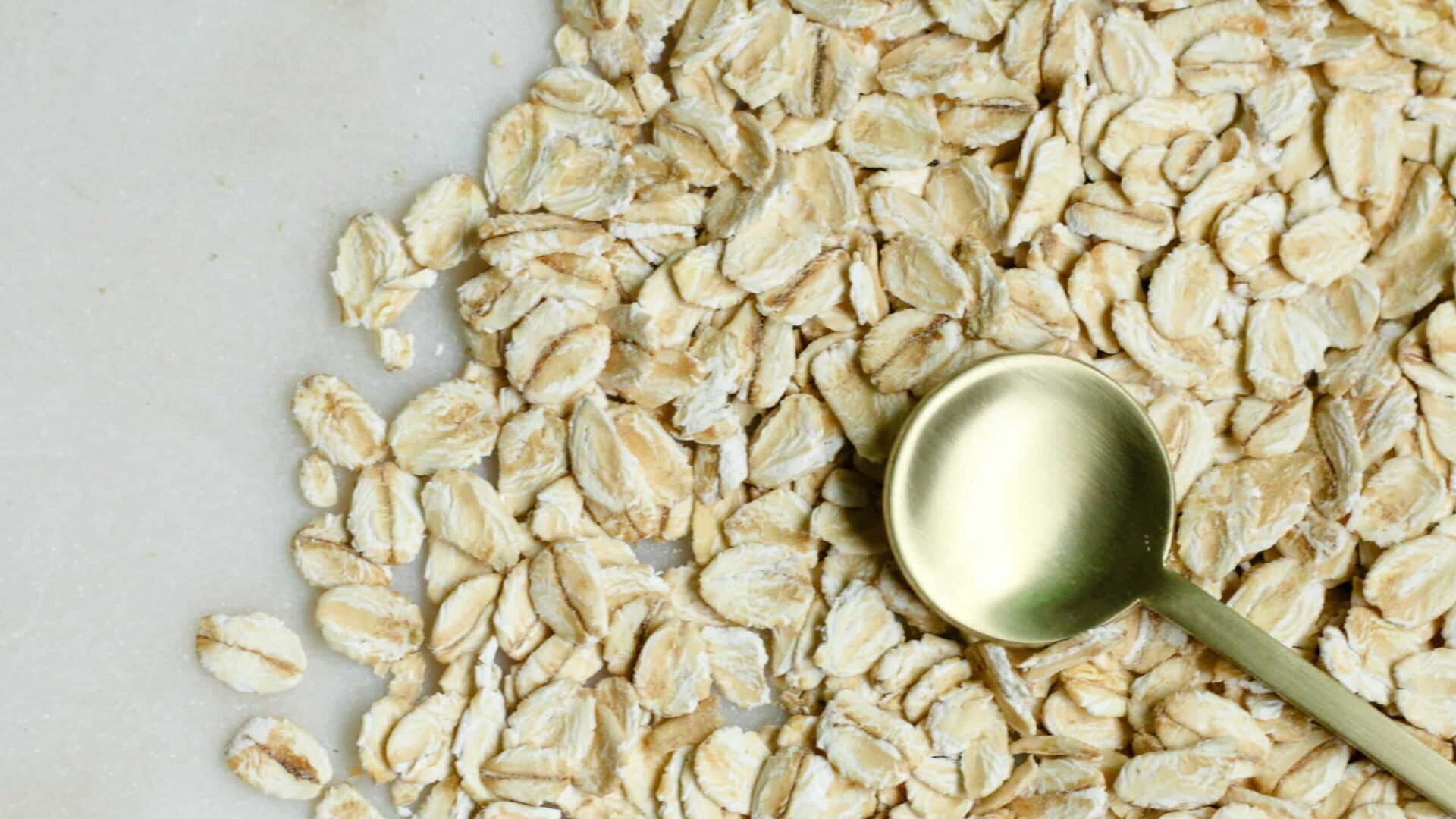
Oats provide about eight grams of fiber per cup, a substantial portion of which is prebiotic. They are also a major source of resistant starch. When fermented in the gut, this starch produces butyrate, a fatty acid essential for immune function and gut lining health. Oats are widely recommended by dietitians for digestive support. Their benefits go far beyond breakfast.
Butyrate and Whole-Body Benefits

Butyrate plays a vital role in gut and immune health. It helps reduce inflammation and supports hydration in the colon. Higher butyrate levels are associated with improved metabolic and digestive outcomes. Eating prebiotic-rich foods encourages the bacteria that produce this beneficial compound. This highlights the long-term value of diet-based gut care.
Building a Prebiotic-Rich Diet
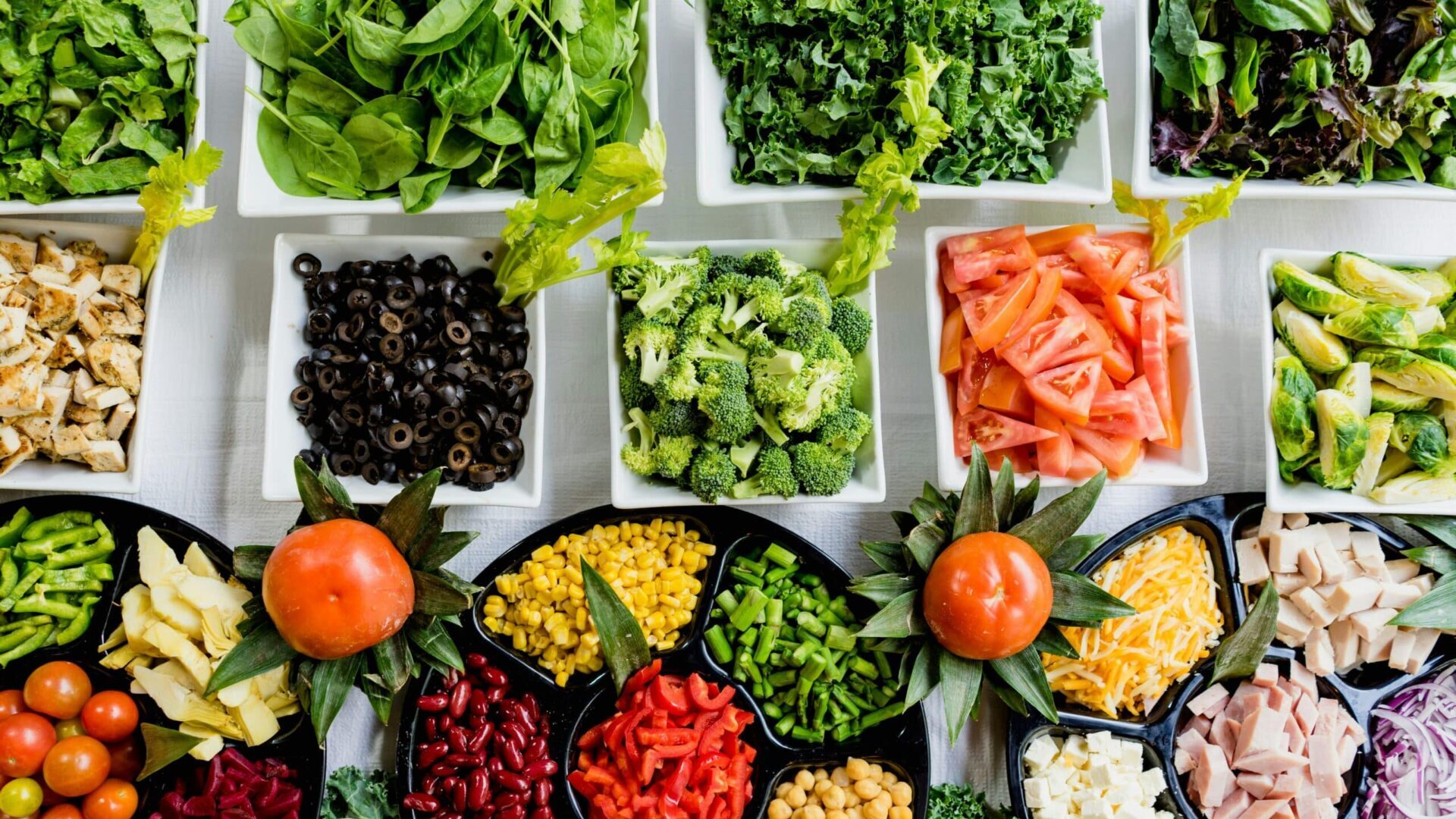
Incorporating prebiotic foods doesn’t require drastic changes. Fruits, vegetables, grains, and spices all contribute to gut health when eaten consistently. Choosing whole foods allows you to nourish your microbiome naturally and sustainably. Supplements can help in specific cases, but food remains the gold standard. A diverse, fiber-rich diet is one of the simplest ways to support lifelong wellness.