These Destructive Animals Are Taking Over Southern Wetlands. Officials Say “Dinner” Might Be the Solution
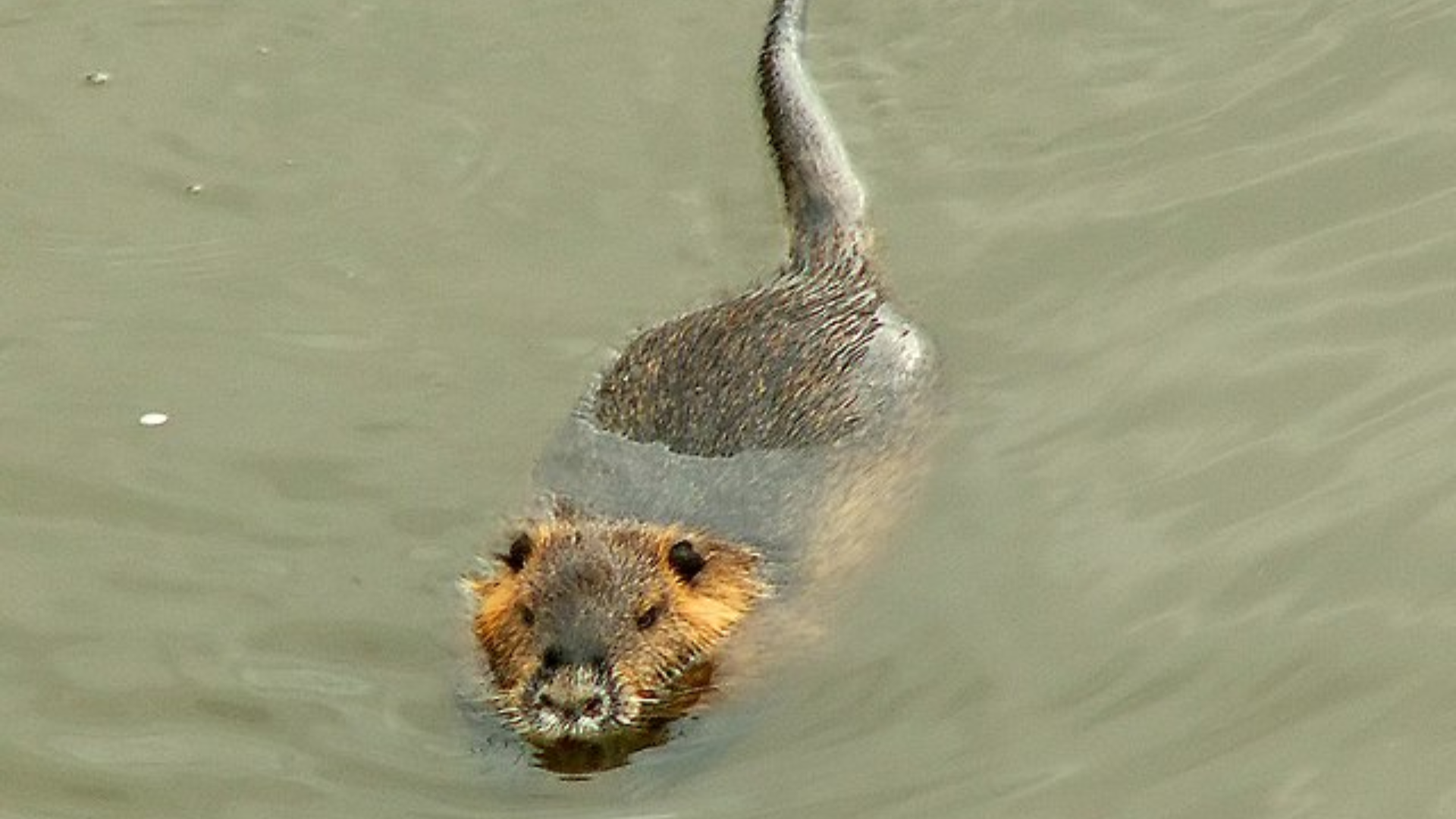

Across the southern United States, an invasive rodent is quietly wreaking havoc on fragile wetland ecosystems, destroying vegetation and accelerating land loss at an alarming rate. The animal, known as Nutria, was originally brought to North America for fur farming but has since spread rapidly, especially throughout states like Louisiana and Mississippi where wetlands are already under environmental pressure.
These semi-aquatic rodents feed aggressively on marsh plants, often uprooting entire sections of vegetation rather than just consuming parts of it. This behavior leaves wetlands exposed and vulnerable, contributing to erosion and habitat loss that can impact everything from storm protection to wildlife populations that depend on these ecosystems for survival.
Officials say the scale of the problem has reached a point where traditional control methods are no longer enough, prompting a more unconventional solution. Instead of simply trying to eliminate the species, some conservation groups and agencies are now encouraging people to hunt and eat nutria as a way to reduce their numbers while also promoting a sustainable food source.
Why Eating an Invasive Species Is Gaining Support
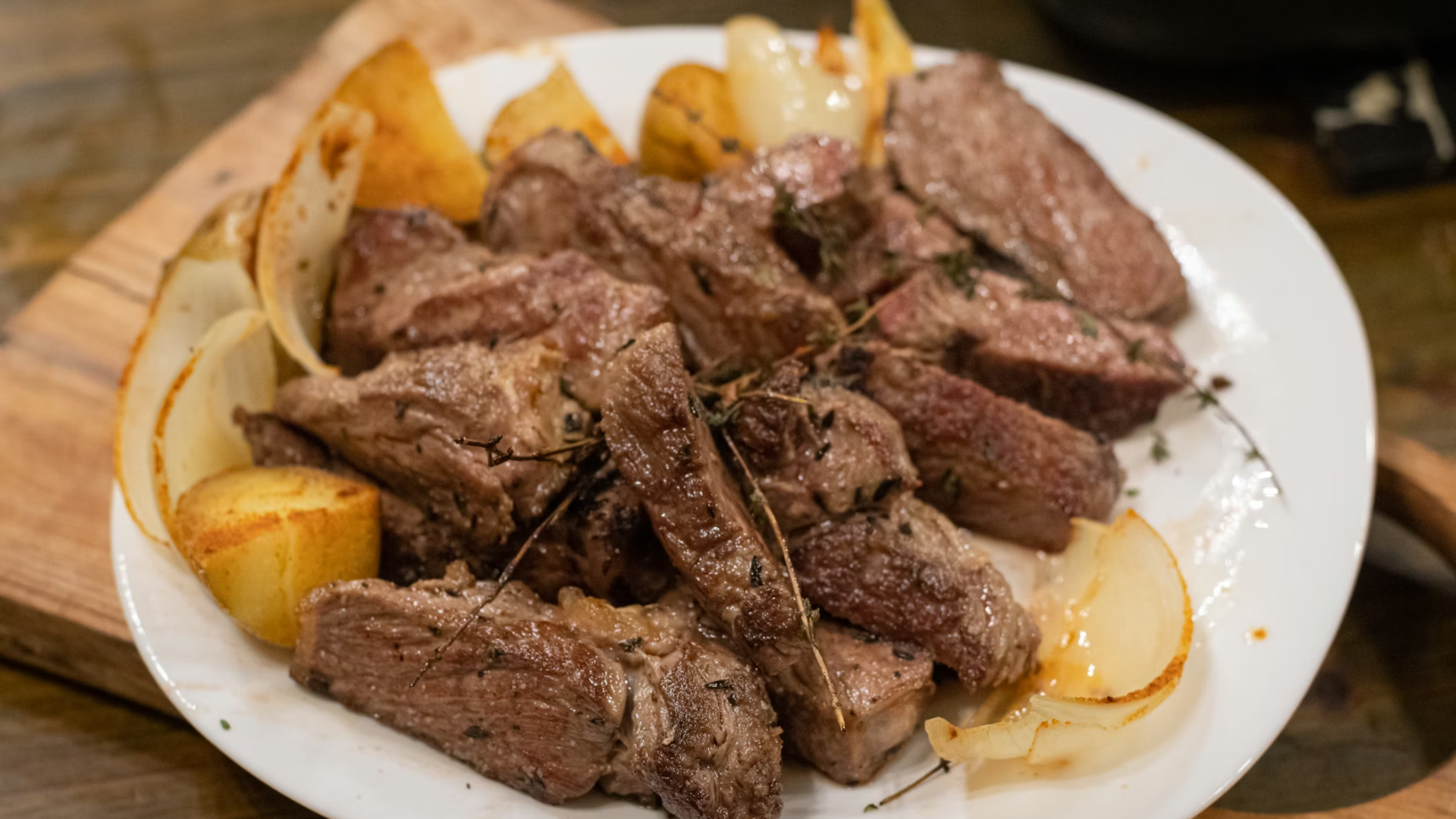
The idea of turning an environmental problem into a food solution is gaining traction, particularly in regions where invasive species are difficult to control through standard measures. Programs focused on “catch and cook” approaches aim to encourage hunters, chefs, and everyday consumers to see animals like nutria not just as pests, but as a usable and even nutritious resource.
Supporters of the approach argue that it creates a practical incentive for population control, especially in areas where these animals reproduce quickly and lack natural predators. By increasing demand for nutria meat, officials hope to reduce their numbers in a way that is both environmentally beneficial and economically viable for local communities.
There is also a growing push from chefs and sustainability advocates to normalize the consumption of invasive species, pointing out that nutria meat is often compared to rabbit or dark turkey in flavor. By rebranding the animal as a culinary option, advocates believe more people may be willing to participate in controlling its spread.
The Environmental Stakes in Southern Wetlands
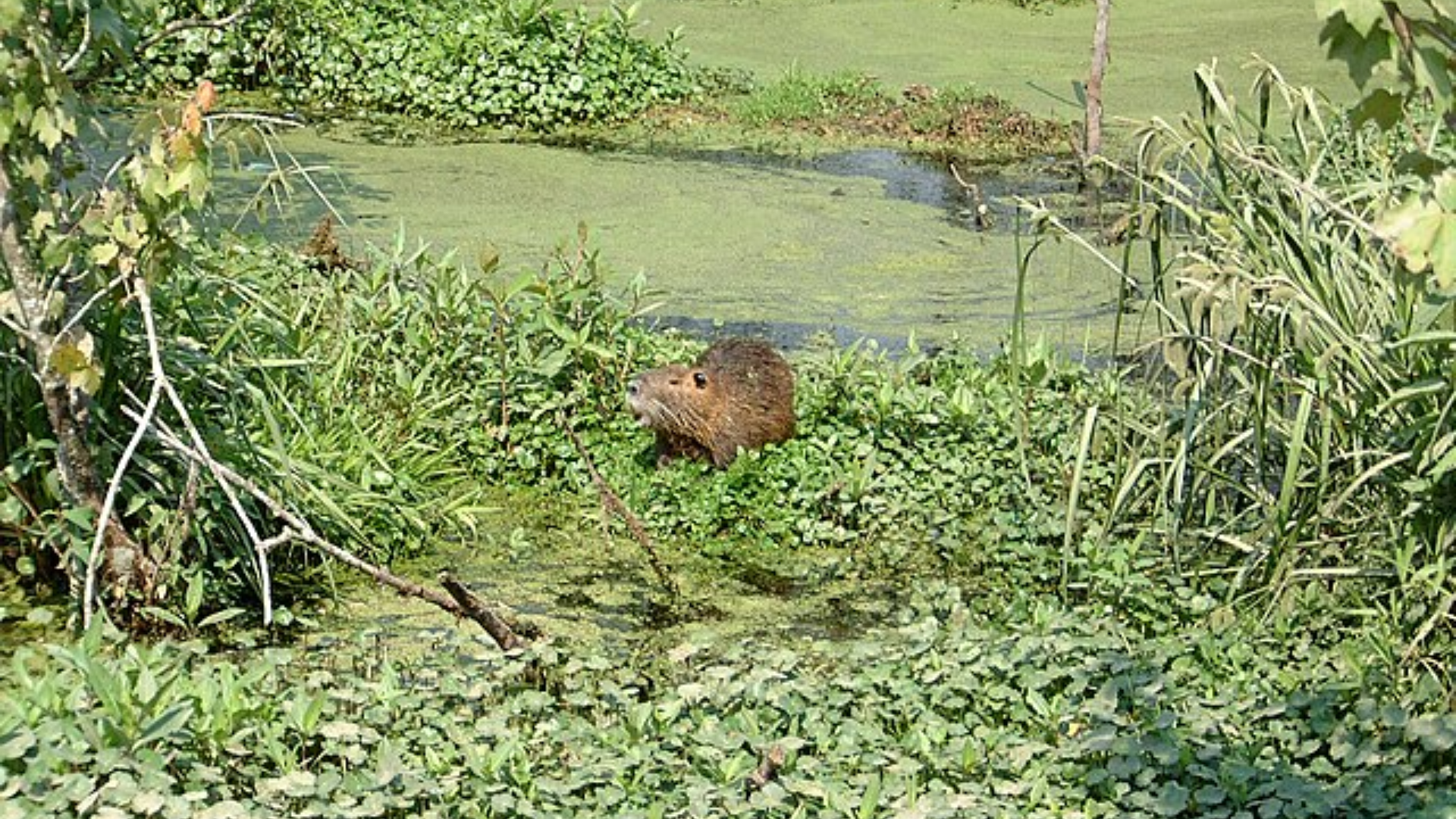
The urgency behind these efforts is tied directly to the importance of southern wetlands, which play a critical role in protecting coastal communities from storms, supporting biodiversity, and maintaining water quality. When species like Nutria destroy plant life, the resulting damage can ripple across entire ecosystems, weakening natural defenses against flooding and hurricanes.
In places like Louisiana, where land loss is already a major concern, the presence of invasive rodents only accelerates an already serious problem. Entire sections of marshland can disappear over time as vegetation is stripped away, leaving behind open water and unstable soil that is far more vulnerable to erosion.
Because of these risks, wildlife officials and conservationists are increasingly open to creative solutions that go beyond traditional wildlife management. Encouraging people to view invasive species as a resource rather than just a nuisance represents a shift in thinking, one that could help balance ecosystems while also engaging the public in conservation efforts.
A Controversial But Practical Solution
The idea of eating invasive species may not appeal to everyone, but officials say it could be one of the most effective tools available to combat ecological damage in southern wetlands. By aligning environmental goals with human behavior, this approach offers a unique way to address a growing problem that traditional methods have struggled to contain.
At the same time, the strategy raises important questions about public perception, food safety, and how willing people are to change their eating habits for the sake of conservation. Success will likely depend on education, accessibility, and whether consumers can be convinced to see these animals in a new light.
As the spread of Nutria continues, the push to turn them into “dinner” highlights a broader shift in how environmental challenges are being addressed. In a world where ecosystems are under increasing pressure, solutions that combine sustainability with practicality may become more common, and more necessary, than ever before.