These Five Common Breakfast Foods are Associated With Increased Risk of Vision Loss


Breakfast often feels predictable, which makes it easy to overlook how daily choices shape long-term health. Many popular morning staples rely on added sugars, refined grains, and processed fats, and those ingredients influence more than weight or energy levels. Over time, repeated blood sugar spikes and vascular strain affect small blood vessels throughout the body, including those that supply the retina and optic nerve. As metabolic stress builds, eye tissues face higher exposure to inflammation and oxidative damage that can impair vision.
That connection becomes clearer once blood glucose patterns enter the conversation, since frequent sugar surges increase the likelihood of insulin resistance and type 2 diabetes. Diabetes then raises the risk of diabetic retinopathy, a condition that damages retinal vessels and threatens sight. At the same time, diets high in saturated fat and sodium contribute to hypertension and restricted blood flow, and reduced circulation places added pressure on delicate ocular structures.
Patterns formed at breakfast repeat quietly, and repetition shapes long-term outcomes. Foods that seem routine can encourage chronic inflammation and vascular stress that extend beyond the morning meal. Attention to those patterns opens the door to understanding how five common breakfast items tie into measurable risks for vision loss.
Sugary Cereals and Retinal Risk
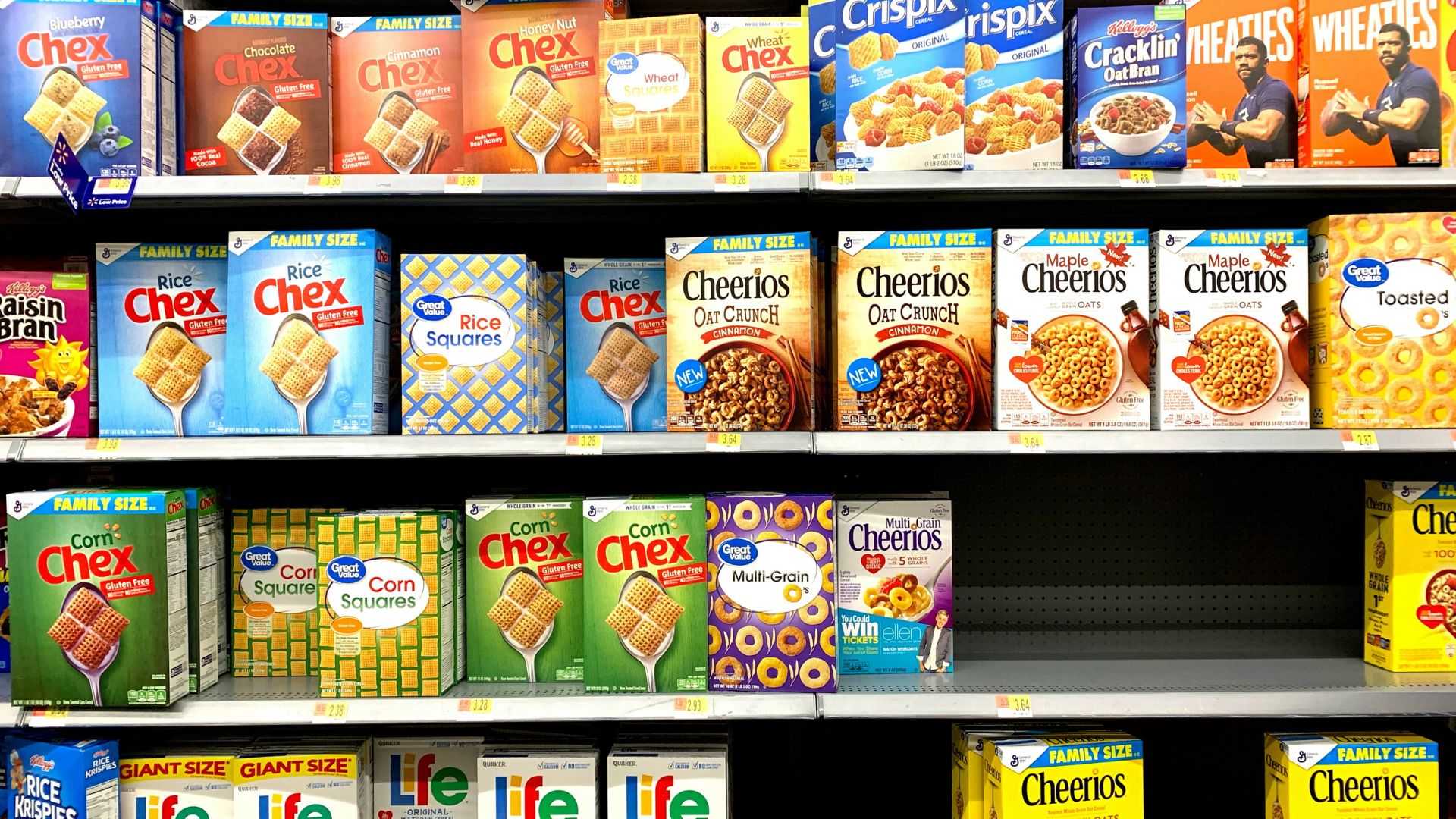
Sugary cereals often appear harmless, yet many contain 15g or more of added sugar per serving, and that amount raises blood glucose soon after eating. As those spikes repeat each morning, insulin regulation weakens over time, and prolonged imbalance increases the likelihood of type 2 diabetes.
Diabetes then damages the small blood vessels that supply the retina, and that damage leads to diabetic retinopathy and gradual vision loss. Sweetened breakfast bars follow the same pattern because they combine refined grains with concentrated sugars that digest rapidly and extend glucose elevation.
Continued high glucose promotes oxidative stress within retinal tissue, and that stress strains cells responsible for sharp central vision. Repeated exposure to these sugar-dense foods reinforces vascular strain in delicate eye structures, raising the risk of lasting retinal injury.
Processed Meats and Ocular Blood Flow

Processed breakfast meats such as bacon and sausage contain high levels of saturated fat, sodium, and preservatives, and those components influence vascular function over time. As saturated fat intake rises, plaque can accumulate within arteries, and that buildup narrows vessels that supply oxygen-rich blood throughout the body. Reduced circulation then affects the delicate network that supports the optic nerve and retina.
Sodium adds another layer of strain because elevated intake increases blood pressure, and persistent hypertension places pressure on small ocular vessels. When blood flow becomes restricted, the optic nerve receives less consistent nourishment, and impaired circulation has been linked to glaucoma and progressive vision damage.
Nitrites and other preservatives compound that burden because they interact with vascular tissue and sustain inflammatory responses. Regular consumption of these meats reinforces patterns of vascular stress that gradually weaken the structures responsible for stable vision.

Daily breakfast habits compound quietly over time, and repetition influences vascular and metabolic stability in subtle ways. As added sugars, refined grains, and processed fats recur in morning meals, low-grade inflammation and glucose variability become more common.
Those metabolic fluctuations affect tissues that depend on steady circulation, and the retina and optic nerve require consistent oxygen and nutrient delivery to function properly. When blood pressure rises or glucose remains elevated, small ocular vessels endure sustained strain that gradually alters structural integrity.
Nutrient density then shapes resilience because diets low in leafy greens, omega-3 fatty acids, and carotenoids limit protective support within retinal cells. As antioxidant defenses decline, oxidative stress accumulates, and long-term exposure increases vulnerability to degenerative eye conditions.