These Food Items Were Suddenly Banned and Shoppers Are Pushing Back
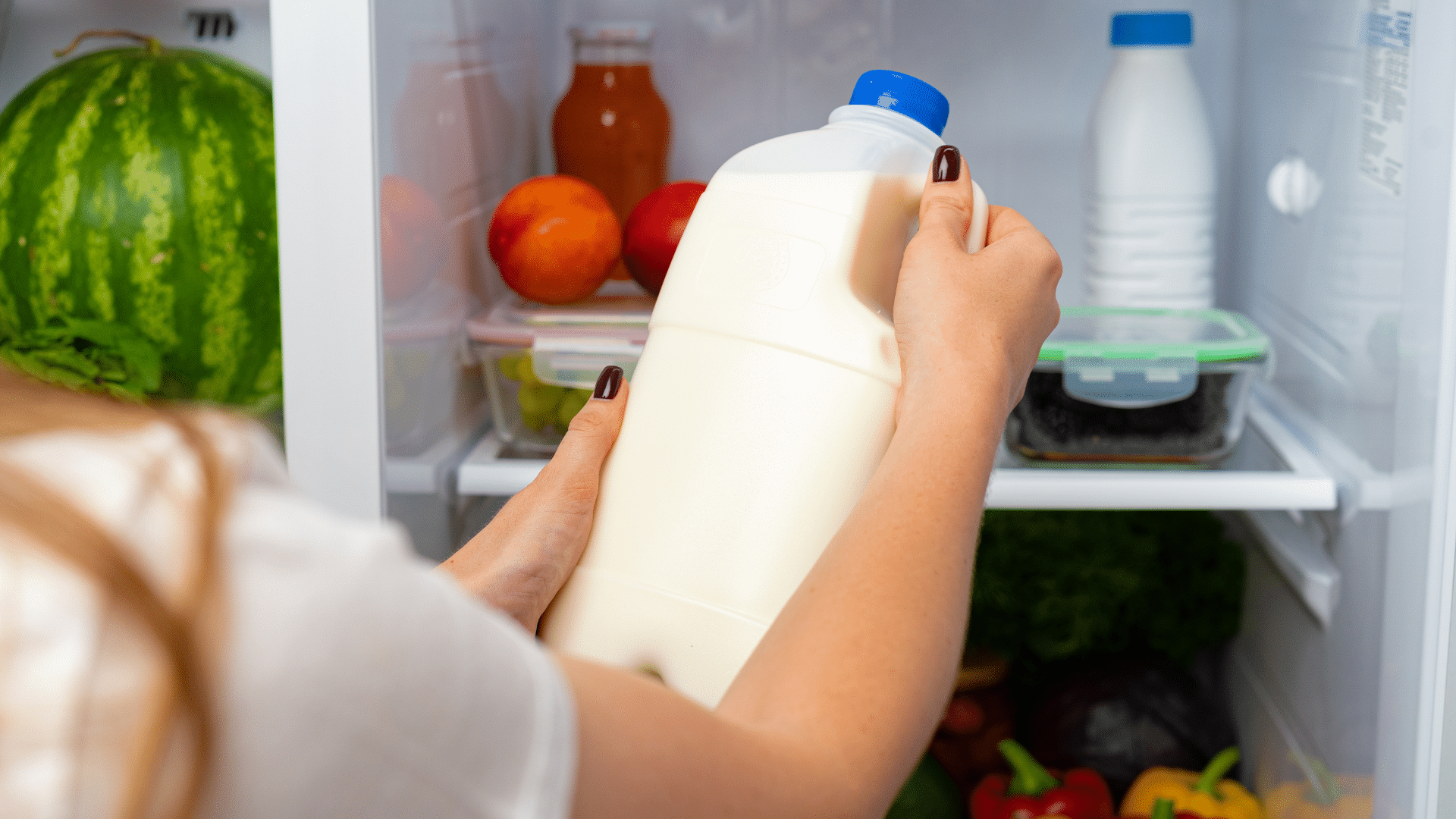

Over the past few years, shoppers have noticed certain foods quietly disappearing from shelves or returning with unfamiliar labels. These changes are not trend-driven or voluntary rebrands. They stem from formal bans tied to safety laws, additive rules, and state-level regulations, and consumers are increasingly vocal about how those decisions affect what they can buy.
Kinder Surprise Eggs Never Made It Back
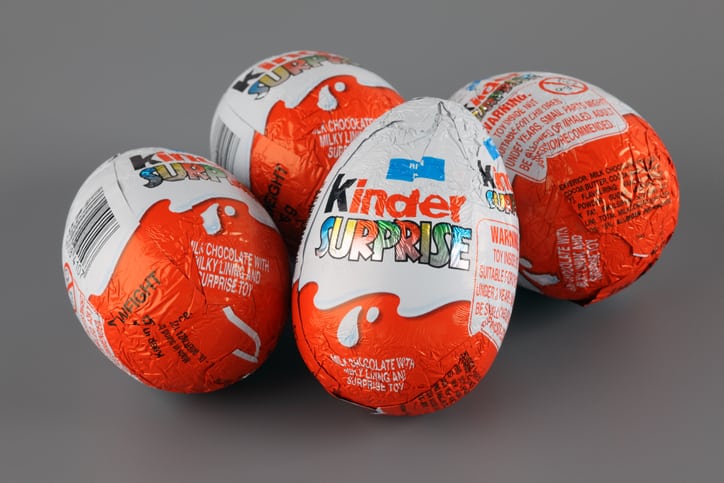
Kinder Surprise eggs remain banned in the United States under federal law that prohibits candy containing embedded non-nutritive objects. Regulators cite choking risks as the reason, even though the product is sold legally across Europe, Canada, and much of Asia. Shoppers continue to push back, arguing that modern packaging standards and global safety records make the U.S. ban feel outdated.
Brominated Vegetable Oil Was Pulled Nationwide
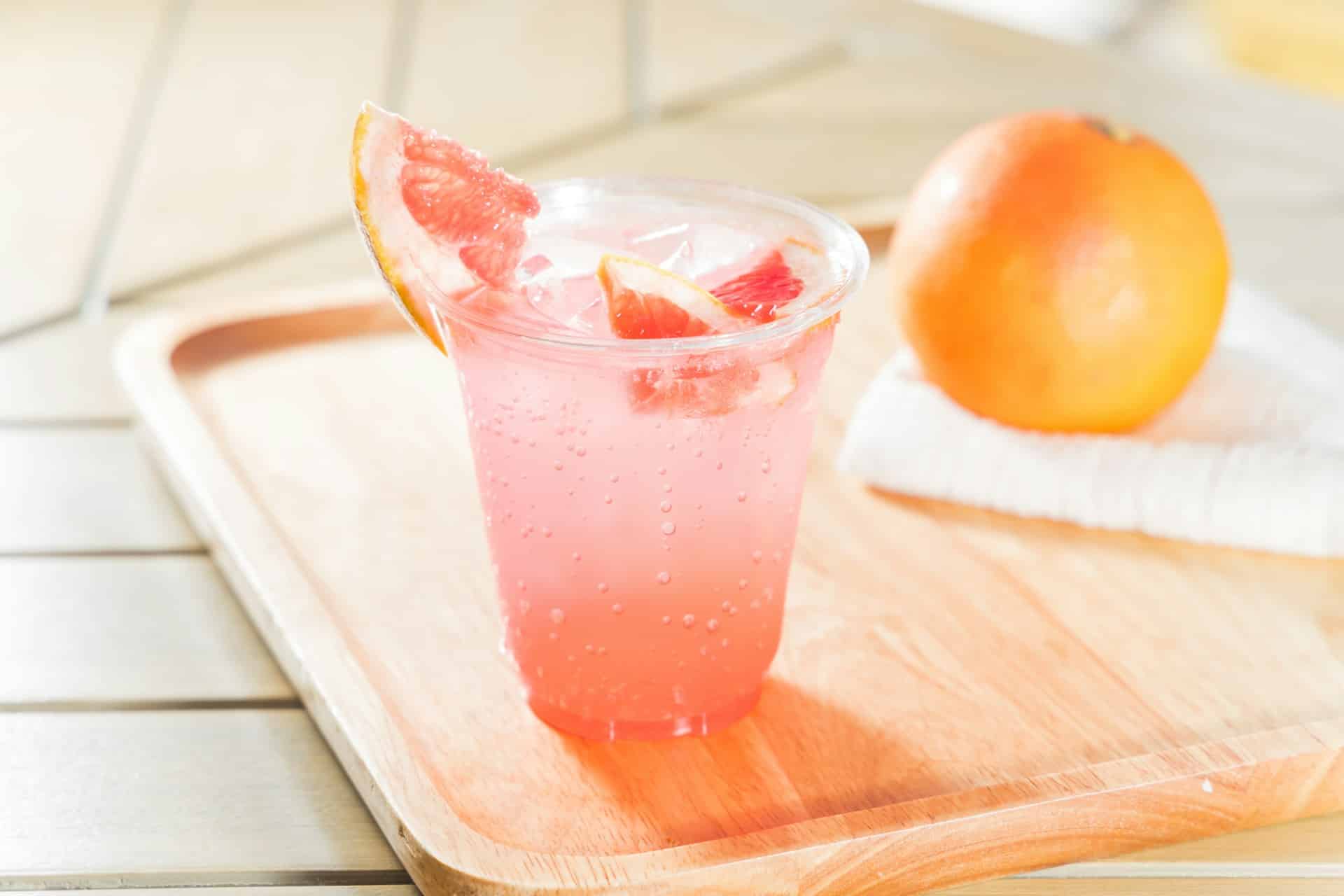
In 2024, brominated vegetable oil (BVO) lost its approval for use in food after the U.S. Food and Drug Administration determined it could pose health risks with long-term exposure. BVO had been used in citrus-flavored sodas to keep flavoring oils suspended. Consumers quickly noticed reformulated drinks and complained that familiar flavors no longer taste the same.
California’s Additive Ban Reshaped Products
California passed a law banning Red Dye No. 3, potassium bromate, propylparaben, and brominated vegetable oil from foods sold in the state beginning in 2027. These additives were already banned in parts of Europe, but many U.S. shoppers were surprised to learn they were still allowed nationally. Pushback has focused on price concerns, reformulation confusion, and why the ban is limited to one state.
Artificial Dyes Removed From School Foods

California also banned six artificial food dyes, including Red 40 and Yellow 5, from public school meals. The decision followed concerns about behavioral and health effects in children. Some parents welcomed the change, while others questioned why foods deemed unsafe for schools remain legal in grocery stores.
Raw Milk Sales Still Restricted
Raw milk is banned from retail sale in many U.S. states and prohibited from interstate commerce. Health agencies cite risks of listeria, salmonella, and E. coli contamination. Shoppers pushing back frame the issue as one of food choice and local farming rights, especially in states where small producers are heavily regulated.
Imported Foods Blocked at the Border
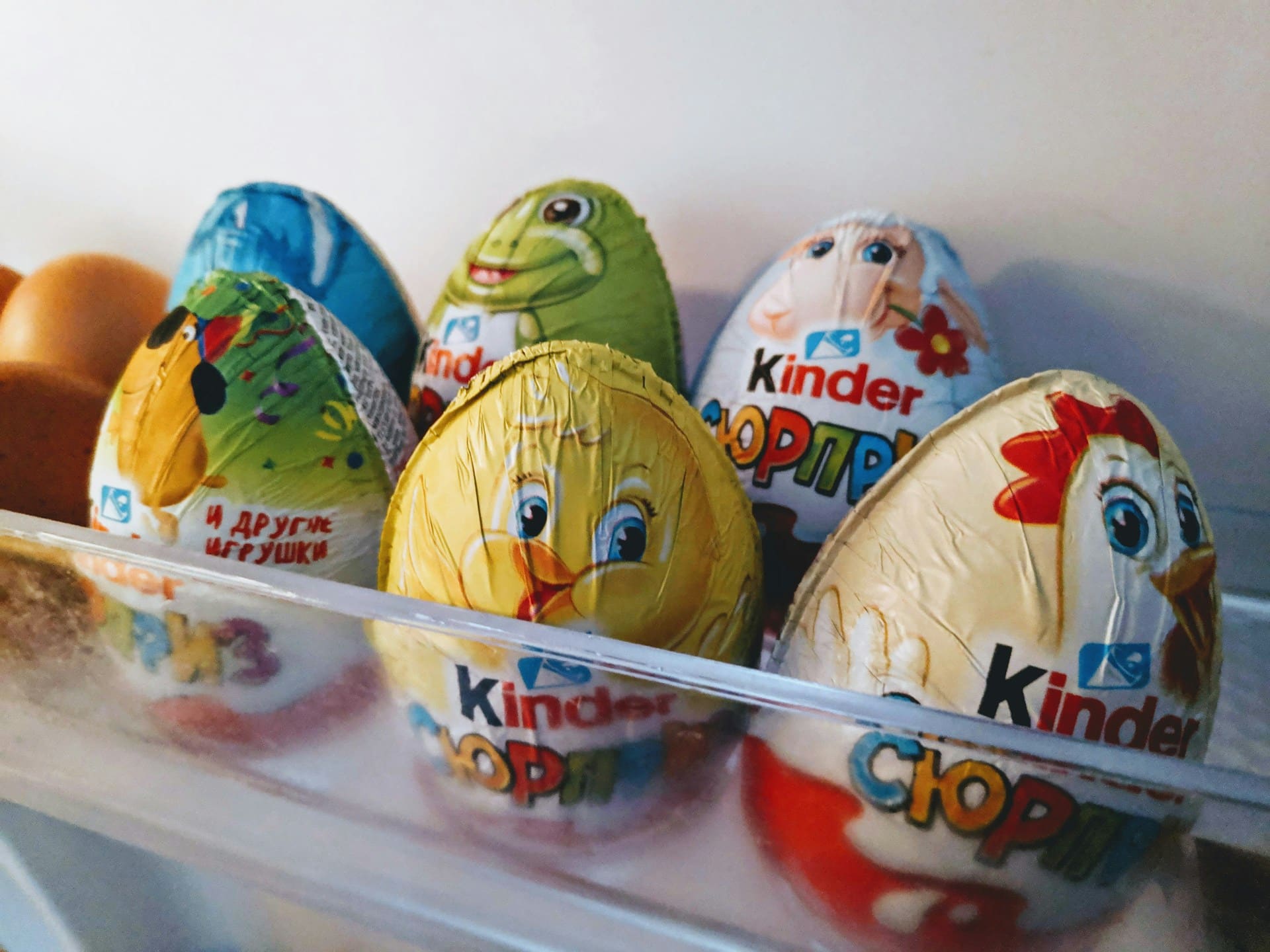
Certain imported foods are banned outright due to U.S. safety standards. Kinder Surprise is the most famous example, but other foreign candies and snacks are also seized for containing prohibited additives or objects. Shoppers often react with frustration when legal products abroad are confiscated upon entry into the U.S.
Reformulation Changed What People Buy
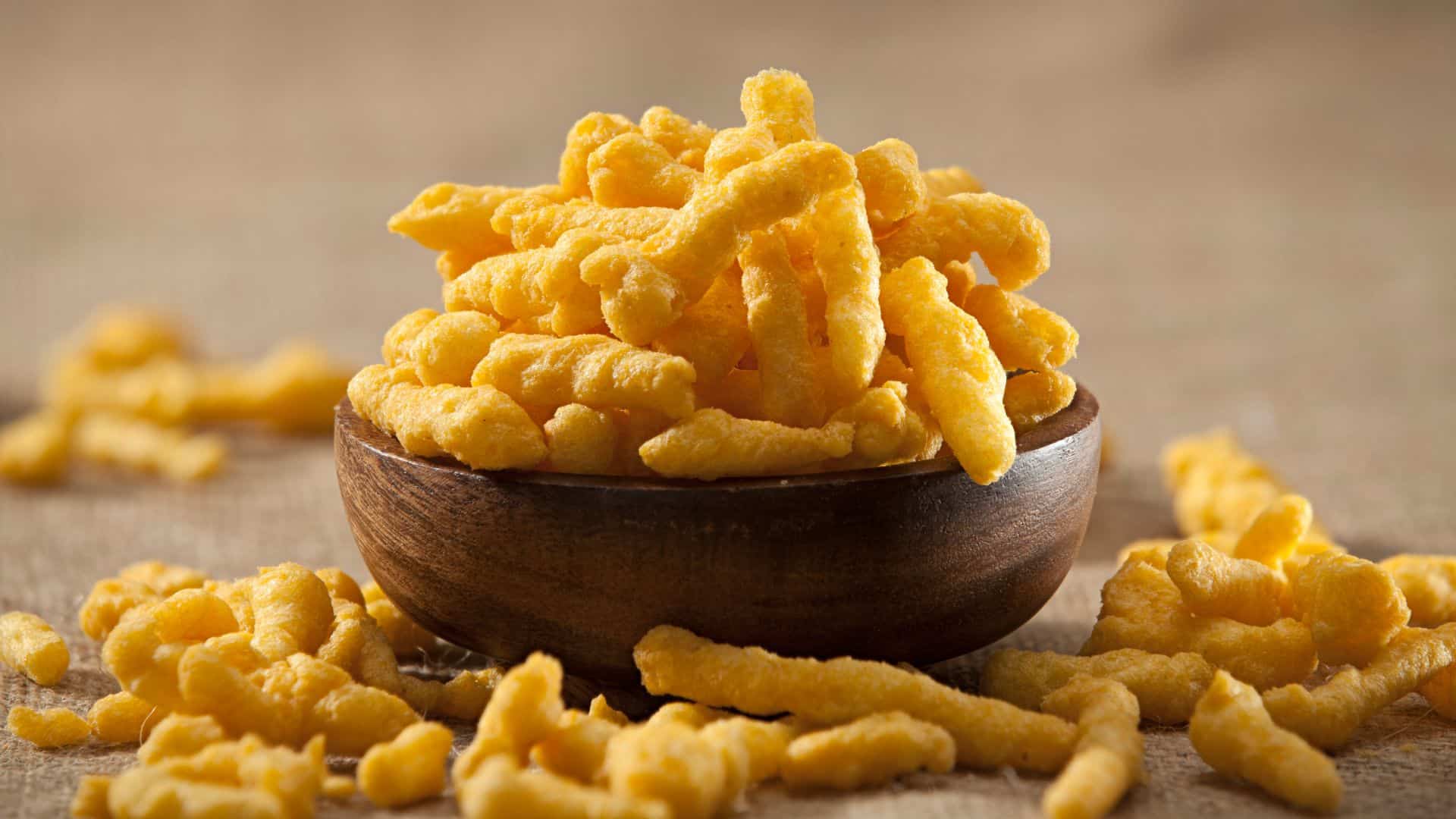
When ingredients are banned, brands rarely announce the change loudly. Consumers report noticing thinner textures, muted flavors, or shorter shelf lives in reformulated products. Pushback tends to surface online, where shoppers compare old and new versions and question whether safety improvements justify the loss of taste.
Patchwork Rules Create Confusion
One reason shopper frustration persists is inconsistency. A food may be banned in California, restricted in another state, and fully legal elsewhere. Consumers argue that food safety should not depend on geography, especially when national brands sell the same products across state lines.
Why Shoppers Aren’t Letting This Go
Banned foods spark backlash not because people oppose safety, but because changes often arrive without clarity or consistency. When familiar products vanish, shoppers want transparent explanations and national standards. As more bans roll out, consumer pressure is becoming part of the regulatory conversation.
