This 100-Year-Old Dessert Became a Depression-Era Staple for a Reason


During the Great Depression, dessert became a luxury rather than a given at the end of a meal. Scarcity of eggs, milk, and butter forced families to rethink how to satisfy their sweet cravings. Out of this necessity emerged steamed pudding, a dessert built on creativity and resourcefulness rather than abundance. Its enduring presence over more than a century speaks to both its practicality and its comforting appeal. Even today, it remains a symbol of resilience in challenging times.
Born From Hardship and the Need to Waste Nothing
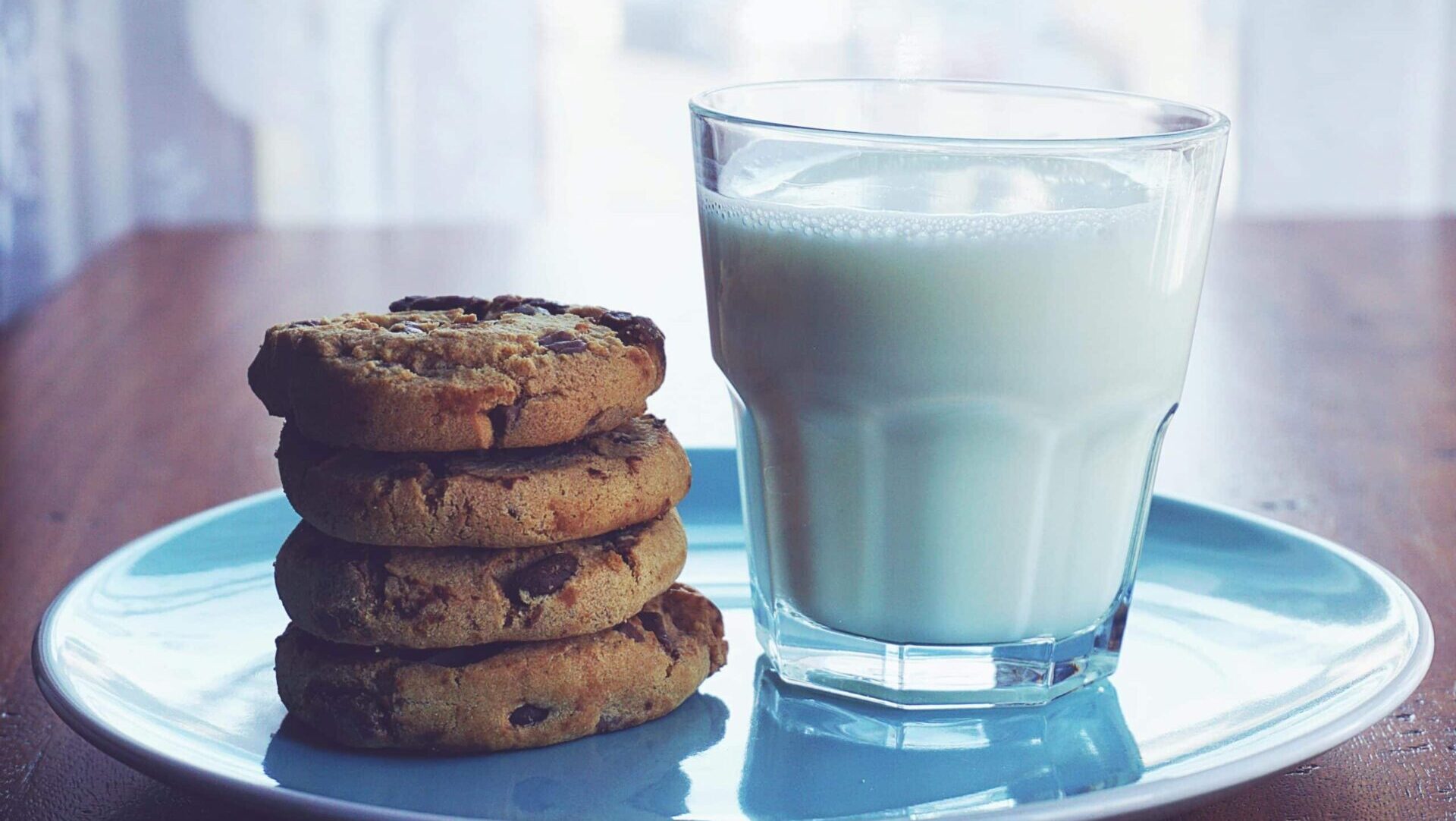
Steamed pudding was born in an era when wasting food was unthinkable. Families used whatever ingredients were left in their pantries, turning scraps into sustenance. Stale bread, small amounts of sugar or molasses, and minimal fats could be transformed into a satisfying dessert. This ingenuity reflected a culture of making do rather than indulging, highlighting human resilience. The dessert’s roots in frugality are part of why it has lasted so long.
Why Steamed Pudding Is More Cake Than Custard

Despite its name, steamed pudding is not a smooth custard-like dessert. Its texture is closer to a moist, sponge-style cake, thanks to flour, leavening agents, and long steaming times. The method produces a filling, hearty dish that feels richer than the humble ingredients suggest. This unexpected consistency made it a comforting and reliable treat for families. Even with minimal components, it satisfies both appetite and curiosity.
The Frugal Ingredients That Made It Possible
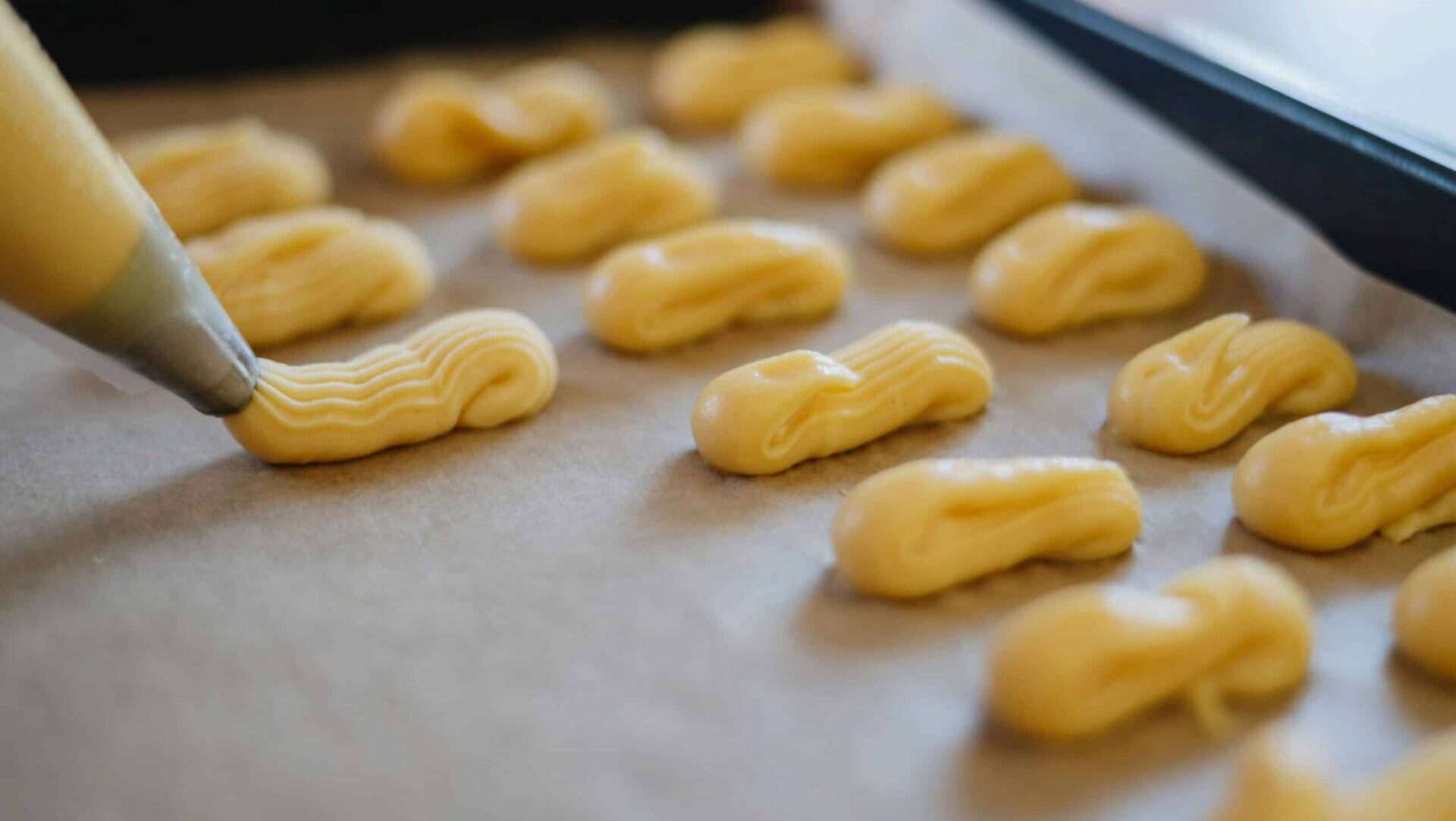
The recipe relied on ingredients that were accessible and inexpensive. Leftover bread or cake could be soaked and reused, sugar or molasses added sweetness, and small amounts of butter or drippings provided moisture. Baking soda and acidic elements ensured proper rising despite the simplicity of the mix. Nothing went to waste, and every morsel contributed to a nourishing result. These choices reflect the ingenuity necessary to survive economic hardship.
A Cooking Method Designed for Minimal Resources

The pudding mixture was placed in a greased bowl that doubled as a mold. Covered with cloth and placed on a rack, it steamed gently over boiling water for several hours. This method required no oven and very little fuel, making it practical for households with limited resources. The dome-shaped bowl gave the dessert its distinctive form, adding a touch of elegance to humble beginnings. Simple techniques produced surprisingly impressive results.
A Finished Dessert That Looked More Elegant Than Expected

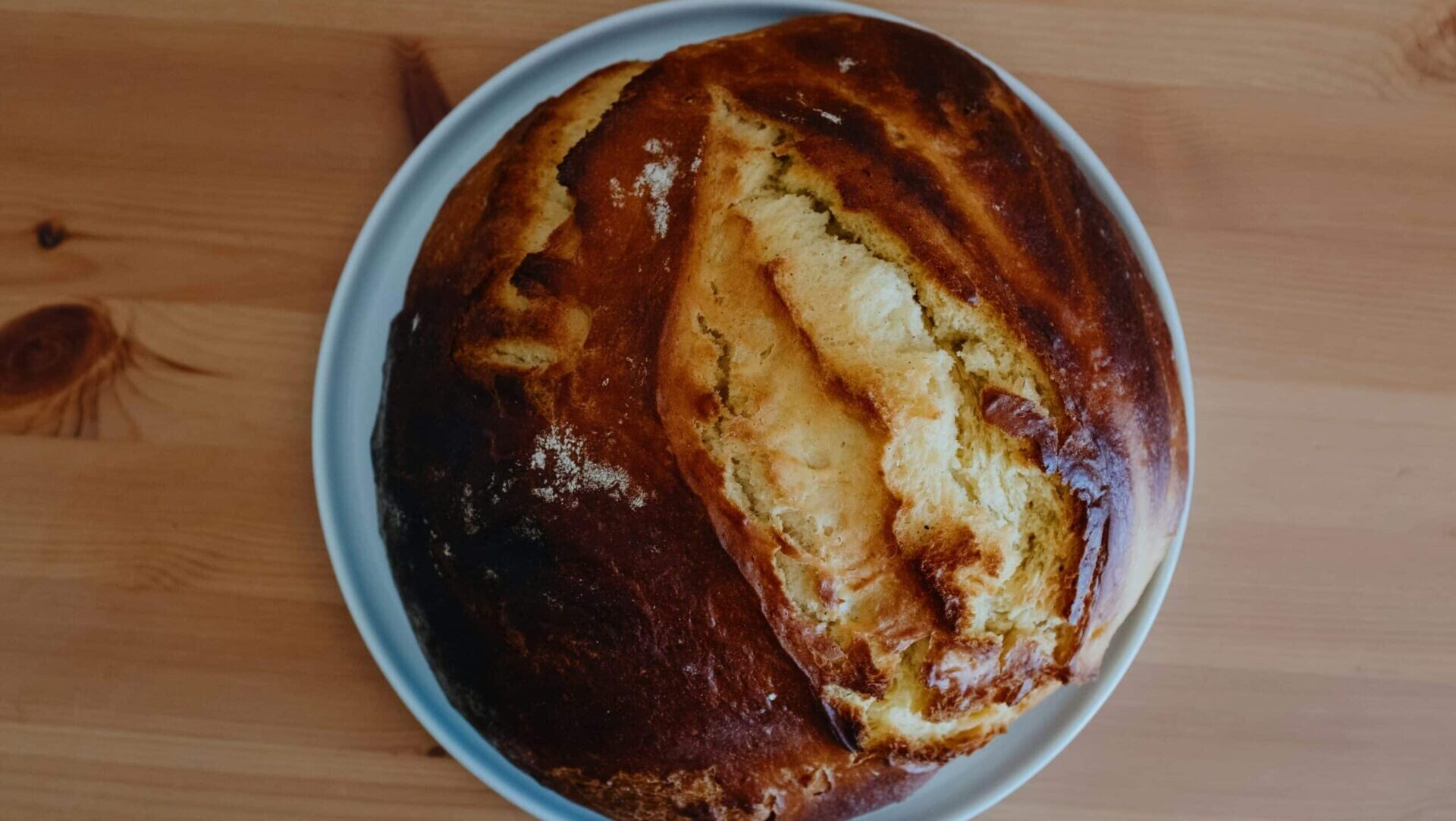
Once fully steamed, the pudding was inverted to reveal a smooth, half-sphere surface. The texture was moist and tender, with a uniform crumb that belied its frugal ingredients. First-time viewers were often surprised at how appealing it looked. What began as leftover scraps transformed into a visually pleasing dessert. Even in scarcity, people could create something that felt special.
How Families Added Flavor Without Adding Cost

Spices, dried fruits, or other flavorings were included only when available. Raisins, currants, or chopped dried fruits enhanced taste and texture without increasing cost significantly. These additions were optional, allowing flexibility depending on pantry supplies. The dessert remained nourishing and enjoyable regardless of extras. This adaptability ensured it could be made year-round under varying circumstances.
Serving Steamed Pudding Beyond Its Humble Origins
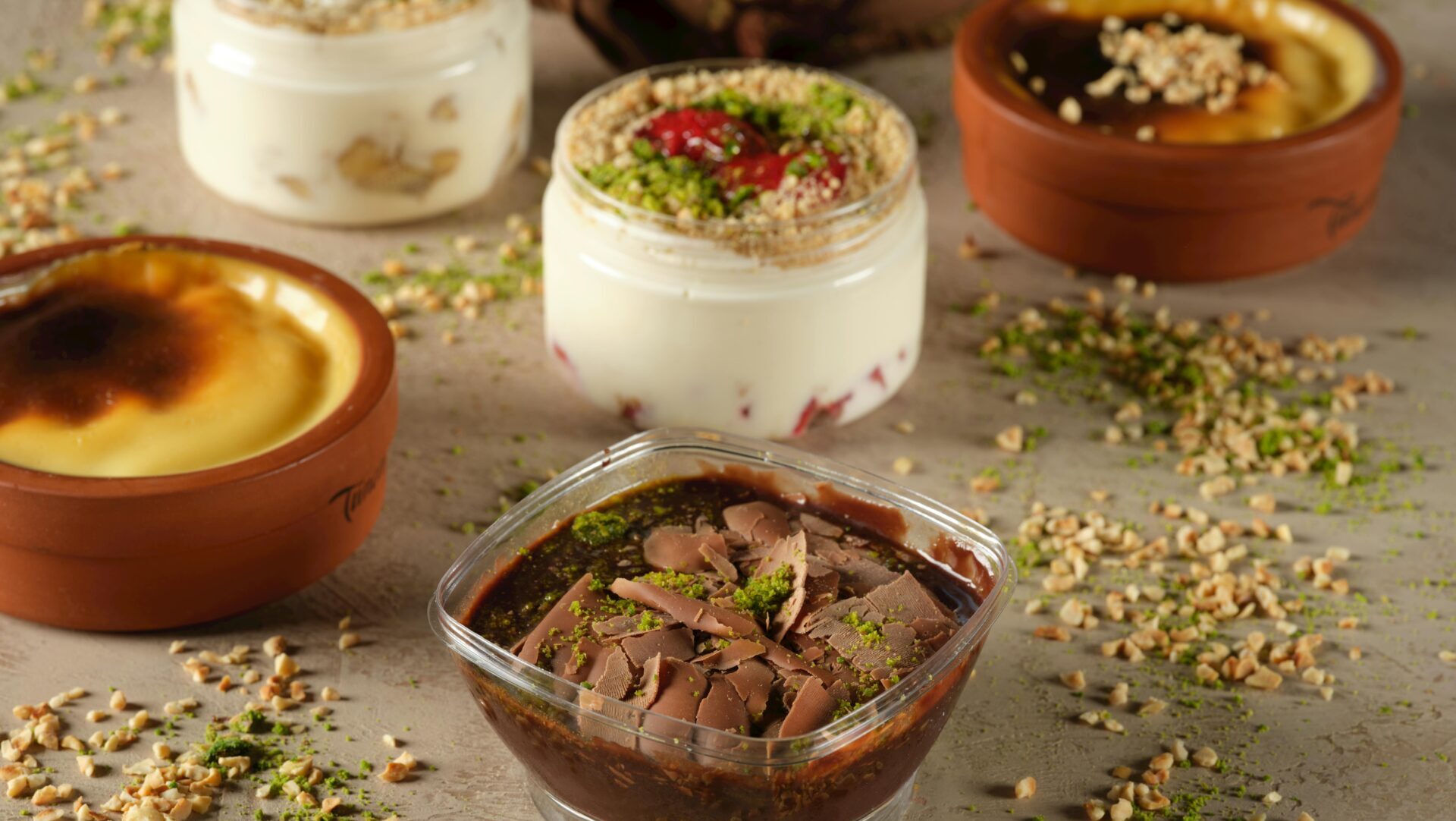
Steamed pudding could be served warm and plain, or lightly dressed if resources allowed. Powdered sugar, simple sauces, or a spoonful of cream elevated the dessert’s appeal. In modern kitchens, it pairs beautifully with ice cream or custard for a richer experience. Despite adaptations, the base recipe retains its simplicity and practicality. This versatility is part of why it has endured across generations.
From Depression Era Staple to British Classic Variations
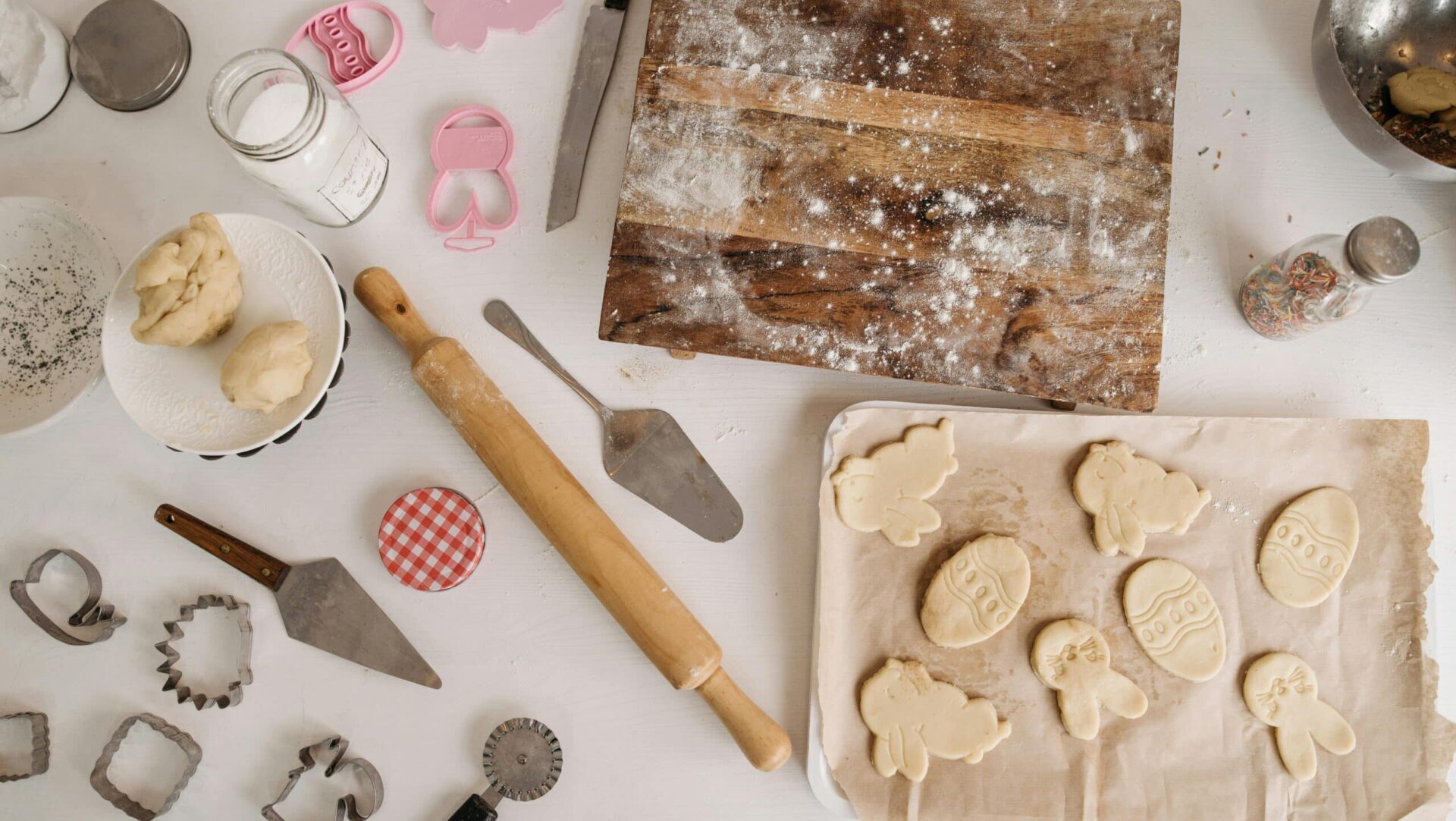
One well-known variation is spotted dick, a British steamed pudding studded with currants. Traditionally served with vanilla custard, it maintains the same economical and practical roots. While the name may raise eyebrows today, the dessert is deeply traditional and comforting. Its continued popularity mirrors the resilience and adaptability of the original steamed pudding. It shows how humble origins can inspire lasting culinary traditions.
What This Dessert Teaches Us About Survival and Comfort
Steamed pudding is more than just a recipe; it is a lesson in making do with what’s available. Even with minimal ingredients, patience and care could produce something sweet, nourishing, and satisfying. Its continued relevance proves that simplicity often outlasts extravagance. Families relied on it for comfort during scarcity, and today it serves as a culinary reminder of human ingenuity. The dessert embodies resilience, adaptability, and the enduring appeal of modest, thoughtful cooking.
