This Type of Coca-Cola is a ‘Ticking Time Bomb’ for Your Health

Coca-Cola products are a staple in many households, often enjoyed without much thought beyond taste and refreshment. Over the years, different versions have been marketed as better choices, especially for people trying to cut back on sugar or calories. But health experts are increasingly warning that one category of Coke products may come with hidden risks.
Many consumers assume that choosing a low-calorie or zero-sugar option automatically makes it the healthier pick. That belief has helped certain Coca-Cola varieties surge in popularity over the past decade. New expert analysis suggests that this assumption may overlook important long-term health concerns.
While occasional soda consumption is unlikely to cause harm, problems may arise when certain drinks become a daily habit. Experts say understanding what is actually inside these beverages matters more than the calorie count alone.
The Type Experts Warn Against and Why
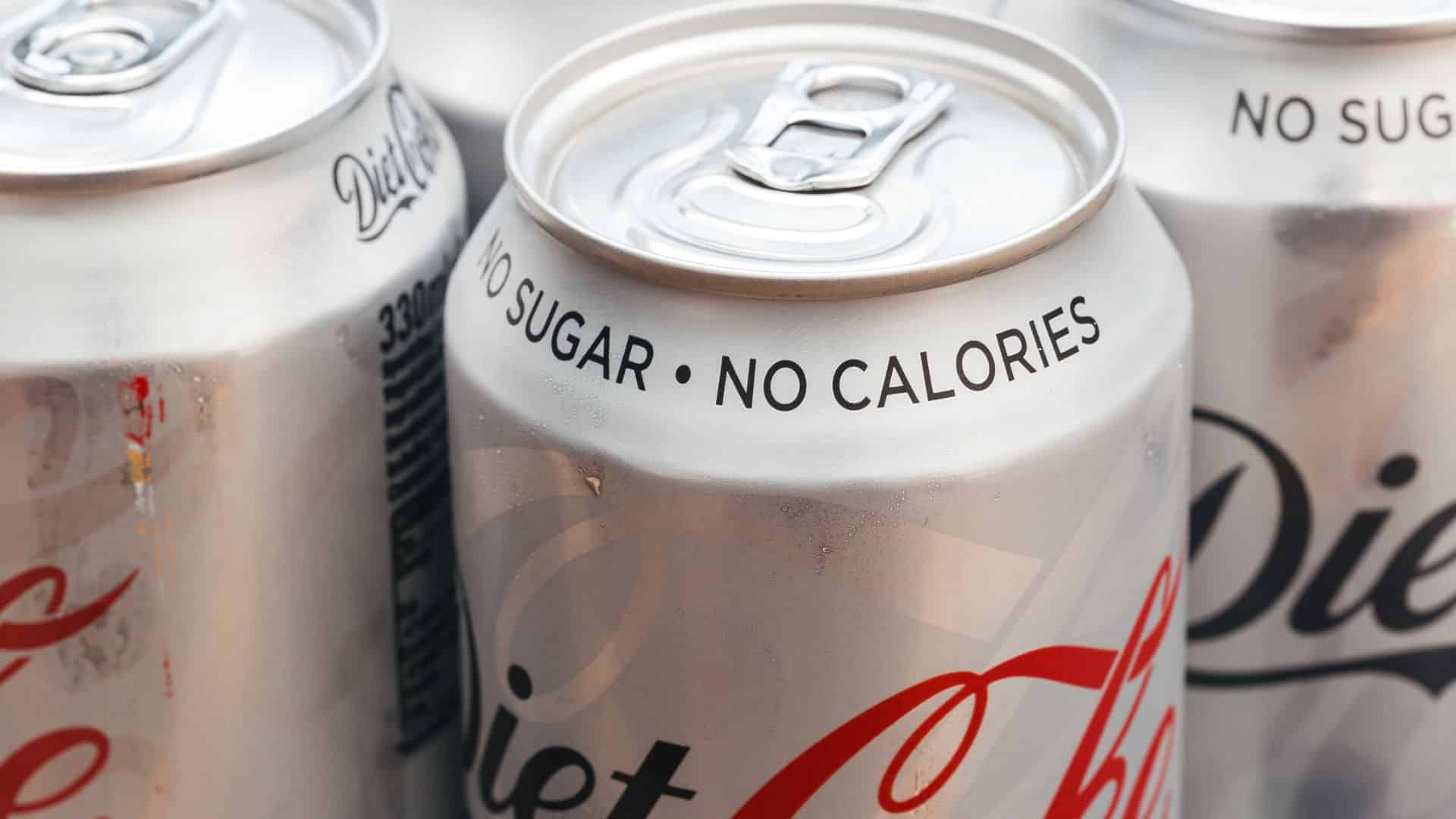
The Coca-Cola varieties drawing the most concern are Diet Coke and Coke Zero. These drinks rely on artificial sweeteners instead of sugar to deliver sweetness without calories. While approved for consumption, these sweeteners remain controversial in the medical community.
Health experts explain that artificial sweeteners can affect the body differently than sugar. Some research suggests they may interfere with how the body processes glucose and manages insulin levels. Over time, this disruption could contribute to metabolic problems.
Researchers have also observed links between regular consumption of artificially sweetened sodas and increased risks of conditions such as heart disease and type 2 diabetes. While these findings do not prove direct causation, they raise enough concern for experts to advise caution.
How Diet and Zero Sugar Drinks May Impact Health
One major concern centers on the gut microbiome, which plays a key role in digestion and overall health. Artificial sweeteners may alter the balance of beneficial gut bacteria, potentially affecting metabolism and inflammation. These changes can influence how the body responds to food and regulates blood sugar.
Some studies also associate diet soda consumption with weight gain rather than weight loss. Experts believe this may happen because artificial sweeteners can increase cravings or disrupt hunger cues. As a result, people may consume more calories elsewhere without realizing it.
There is also concern that relying on artificially sweetened drinks reinforces a preference for very sweet flavors. This habit can make healthier options like water or unsweetened beverages less appealing over time.
What This Means for Soda Drinkers
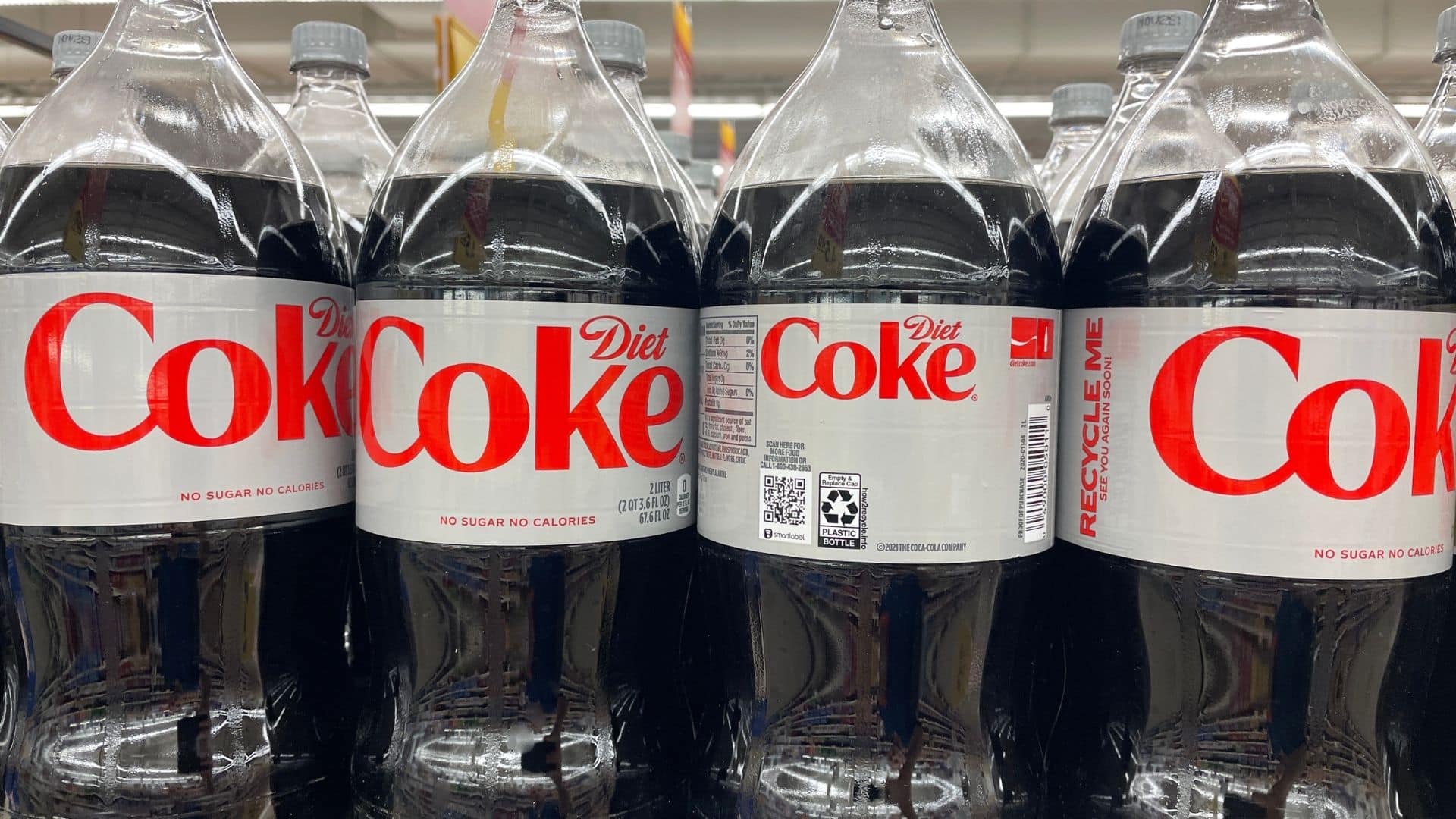
Health professionals generally recommend limiting all types of soda, including diet and zero-sugar versions. Water, sparkling water, and unsweetened tea offer safer alternatives for regular hydration. Cutting back gradually can help reduce dependence without feeling restrictive.
For those who still enjoy Diet Coke or Coke Zero, moderation is key. Experts stress that an occasional can is far less concerning than daily or multiple-per-day consumption. Being mindful about frequency can significantly reduce potential risks.
Understanding the long-term effects of artificial sweeteners allows consumers to make more informed choices. When it comes to soda, fewer ingredients and less frequent consumption often lead to better health outcomes.