Toxic Chemicals May Be Rising Into the Air From U.S. Farmland, Scientists Warn
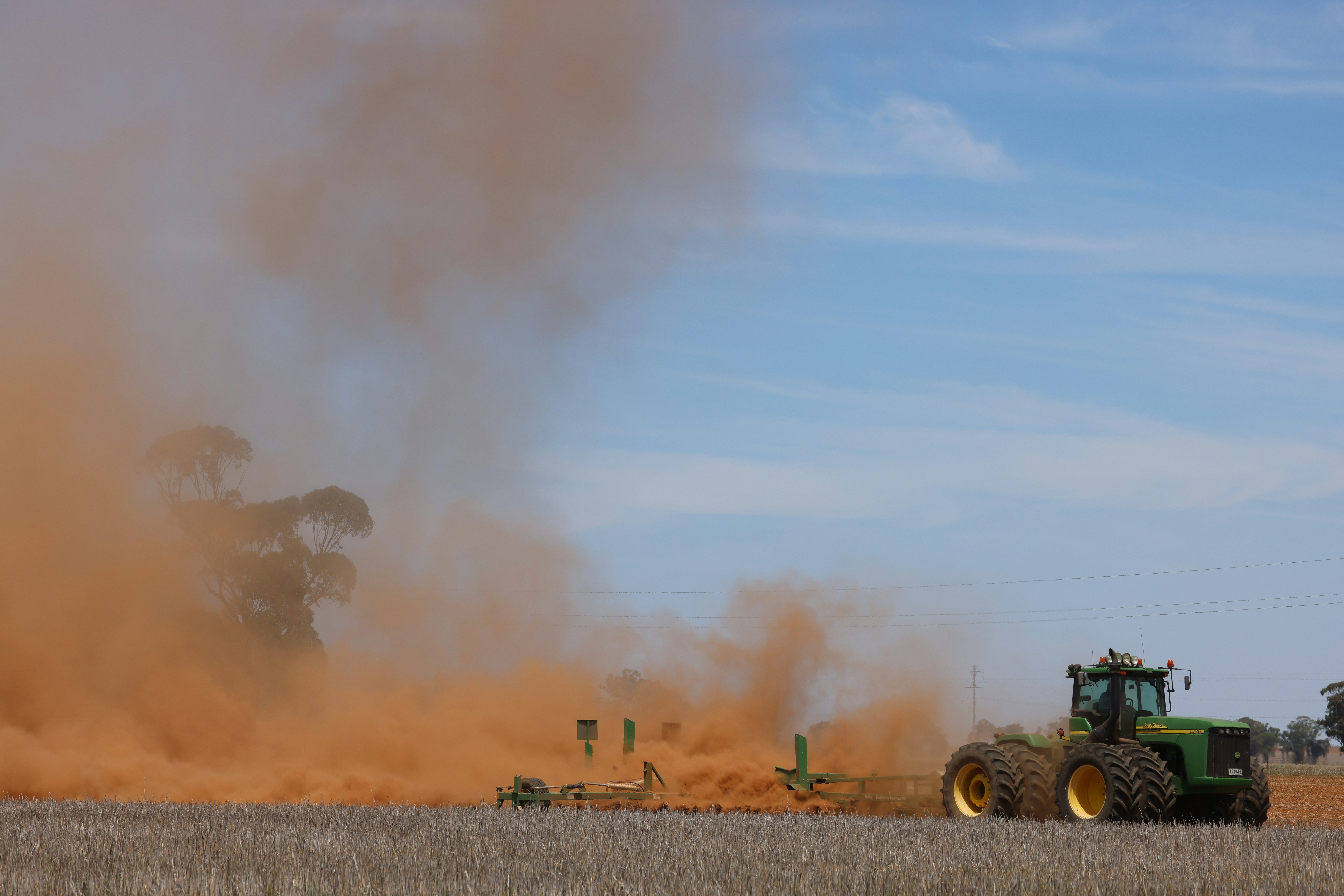


The concern is no longer just what’s in the soil. Scientists are now asking a new question: what if some of those chemicals are rising into the air? Recent findings suggest that farmland could be releasing pollutants in ways researchers are only beginning to understand.
A Discovery No One Expected
Researchers studying air quality in Oklahoma were not looking for anything unusual. But during routine monitoring, they detected toxic compounds in the air that had never been observed in the Western Hemisphere before. The source was unexpected, and it pointed back to the ground itself.
Chemicals Rising From the Ground
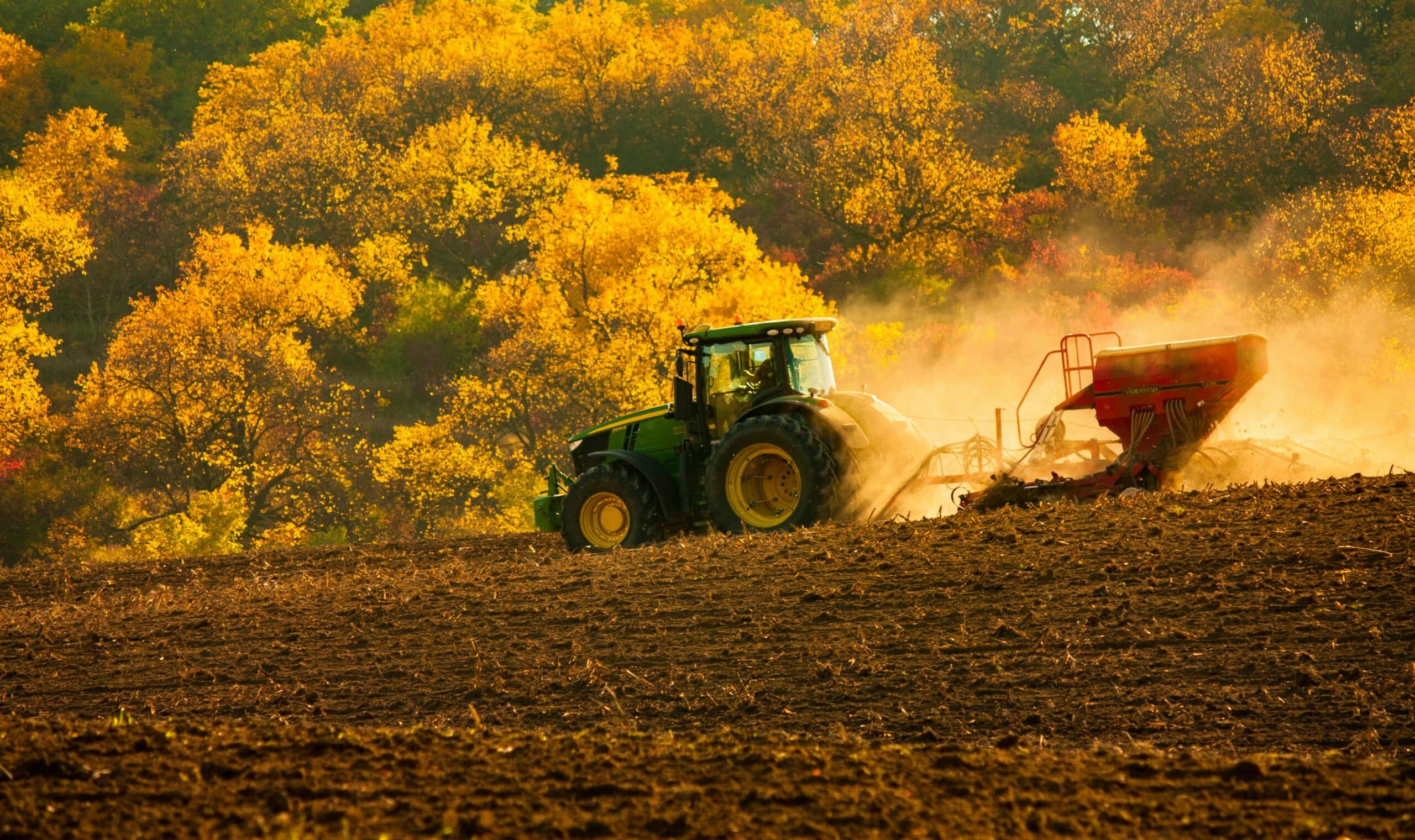
The compounds identified are called MCCPs, a type of industrial chemical used in manufacturing. Scientists believe these toxins may be released into the air after fertilizer made from sewage sludge is spread on farmland. This suggests a new pathway for exposure, not just through food or water, but through the air.
The Link to “Forever Chemicals”
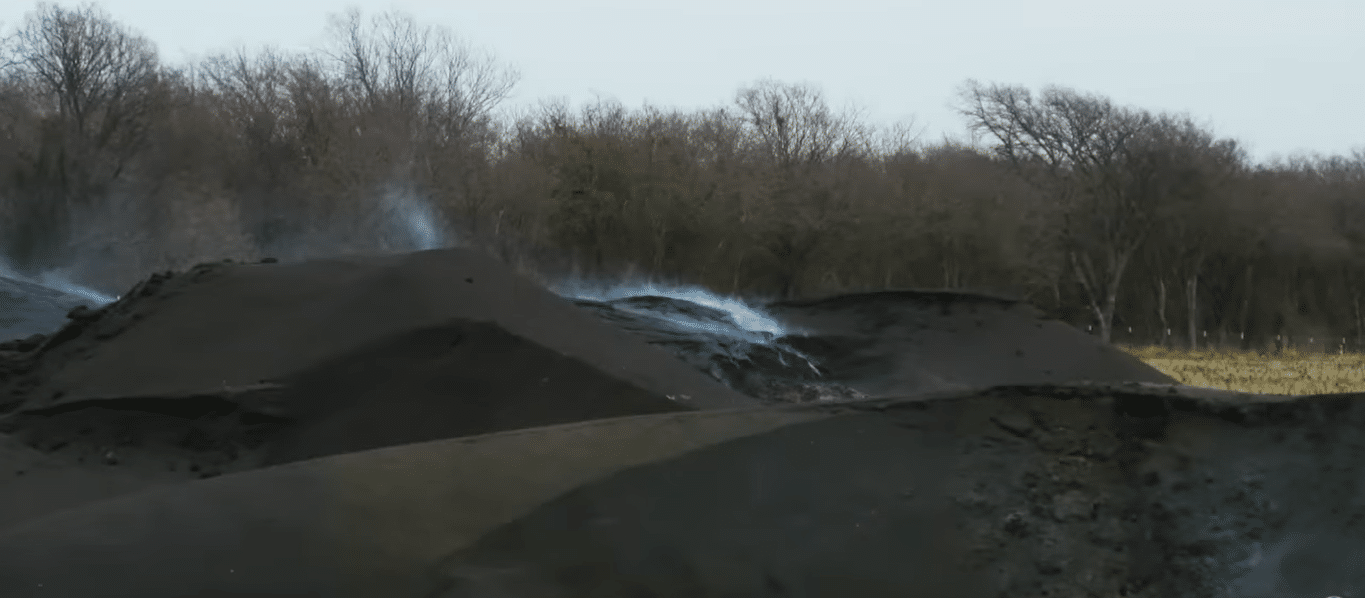
This discovery connects to a larger issue already under investigation. Many farmlands use biosolids, a fertilizer created from treated sewage sludge. That sludge can contain PFAS, often called “forever chemicals” because they do not break down in the environment. Once applied to soil, these substances can persist for years.
A Widespread Practice
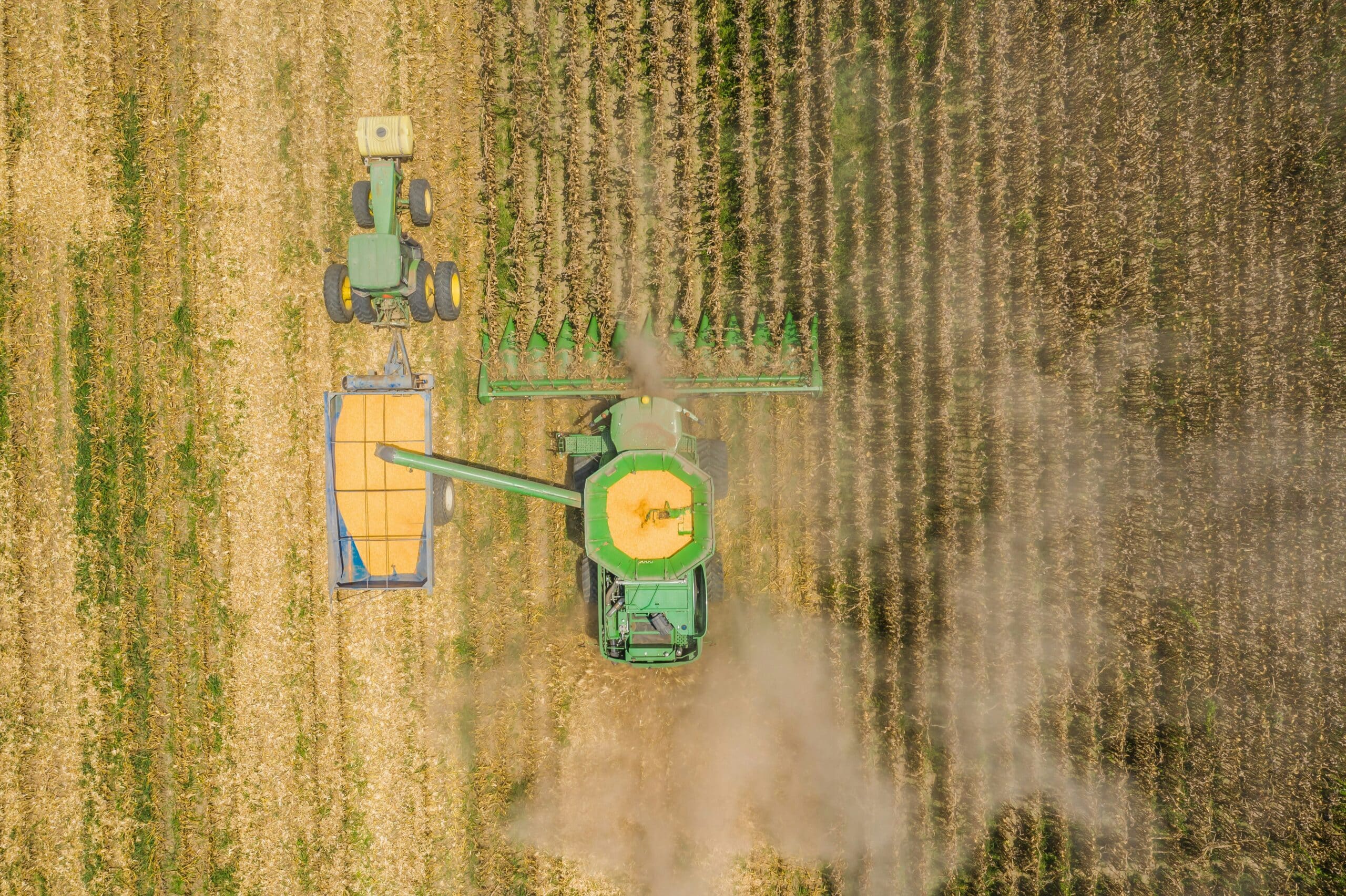
The use of this fertilizer is not rare. Estimates suggest that nearly 70 million acres of U.S. farmland may be affected by sludge use, which can carry these chemicals. That scale is what makes the issue harder to ignore.
How It Reaches Food and Water

Once these chemicals enter the soil, they do not stay contained. They can be absorbed by crops, enter animal feed, and eventually show up in products like milk, meat, and produce. They can also leach into water sources, extending their reach beyond farmland.
Health Concerns Are Growing

PFAS and similar chemicals have been linked to serious health issues. Research connects them to increased risks of cancer, reproductive problems, and developmental effects. Some studies also suggest they may weaken immune responses. Because they build up in the body over time, repeated exposure is a key concern.
Limited Regulation Adds to the Problem
Despite growing evidence, oversight remains limited. There are currently no nationwide requirements to test biosolids for PFAS before they are applied to farmland. In some areas, testing has revealed levels far above safety limits, prompting local concerns and even emergency declarations.
Farmers Caught in the Middle

Many farmers rely on sludge because it is inexpensive and improves soil quality. But in some cases, contamination has forced farms to shut down or destroy livestock after high chemical levels were discovered. For them, the issue is not just environmental. It is economic and deeply personal.
A Question Still Unfolding
This issue is still developing, and many questions remain unanswered. Scientists are now trying to understand how these chemicals behave once they enter the air, how far they travel, and what long-term exposure might mean. At the same time, policymakers face growing pressure to decide how to regulate a system that has been in place for decades. What makes this moment different is the shift in perspective. It is no longer just about what is in the soil or water, but what may be moving beyond it.