Trader Joe’s Faces Lawsuit Over Alleged Caffeine Mislabeling in Coffee

For many coffee drinkers, that first sip is a daily ritual tied closely to energy and routine. But for some Trader Joe’s customers, the expected caffeine boost may have fallen short—sparking a lawsuit that is now drawing national attention.
A group of four plaintiffs has filed a proposed class-action lawsuit against the grocery chain, alleging that its French Roast Low Acid whole bean coffee contains significantly less caffeine than consumers would reasonably expect. According to reporting from CBS News, the lawsuit claims customers were led to believe the product was fully caffeinated, when in fact it allegedly contains about half the caffeine of typical coffee blends.
The case centers not just on caffeine levels, but on expectations. Coffee, plaintiffs argue, is widely consumed for its stimulant effects, making caffeine content a critical factor in purchasing decisions. When that expectation isn’t met, even subtly, it can shift how consumers view a brand’s transparency.
What the Lawsuit Claims About Caffeine Content
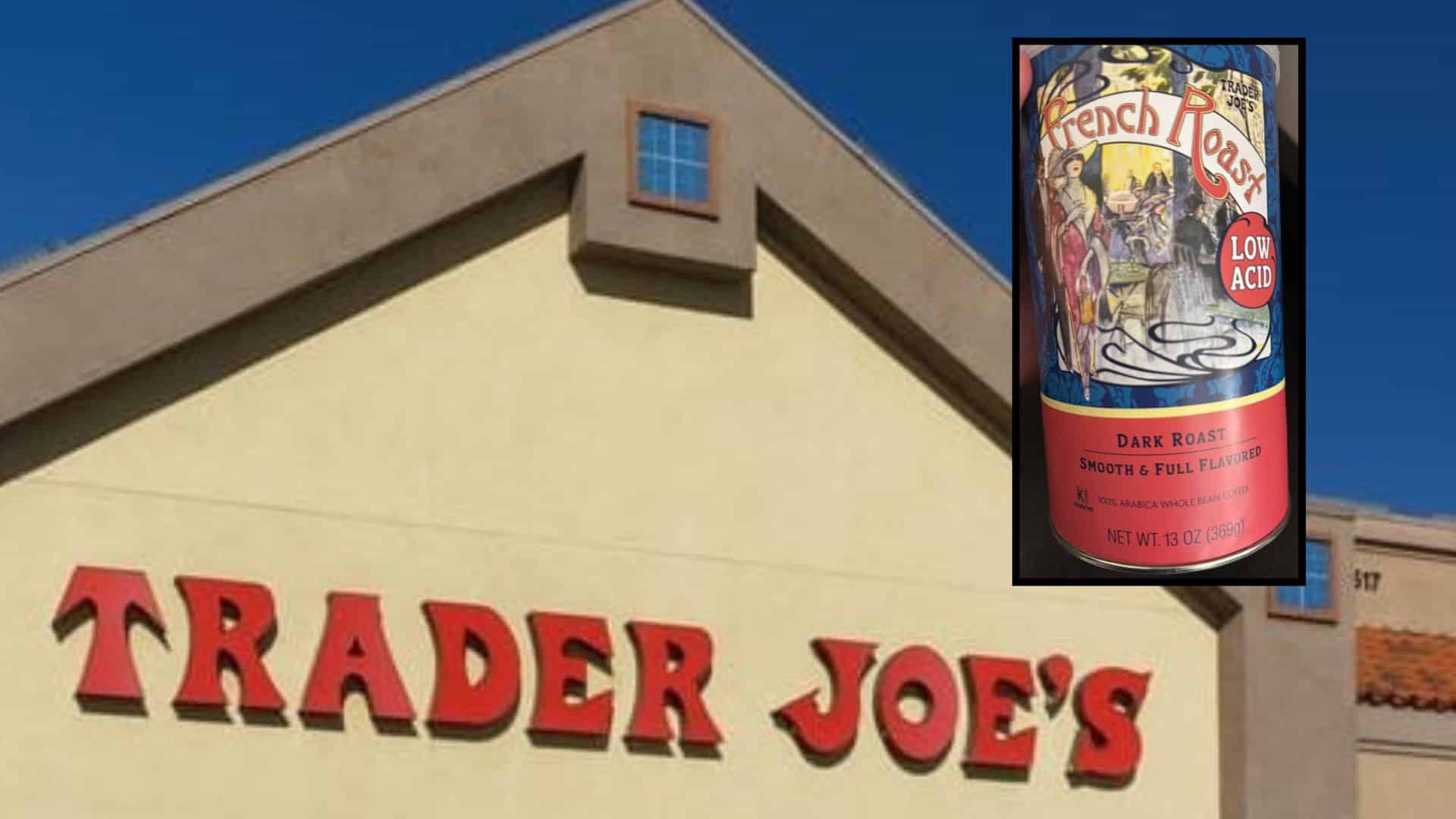
At the heart of the legal dispute are test results cited in the complaint. According to multiple reports, including details outlined in court documents, the French Roast Low Acid coffee allegedly contains roughly 50% of the caffeine found in comparable coffee products.
Further comparisons presented in the lawsuit suggest the coffee may have only 51% of the caffeine of Trader Joe’s Dark French Roast and about 45% of its House Blend. These figures, if accurate, would place the product closer to what consumers might consider “half-caff” territory, though it is not labeled as such.
The lawsuit also references testing from competitors and third parties, which reportedly found that the product contains even less caffeine than some established half-caffeinated brands. According to USA TODAY’s review of court filings, the coffee was said to have 17.8% less caffeine than Folgers’ half-caff and 24.5% less than Puroast’s equivalent.
Labeling Standards and Consumer Expectations

A key argument from the plaintiffs is rooted in industry norms. Typically, coffee products are only labeled when their caffeine content has been intentionally altered—such as in “decaf” or “half-caff” varieties. Fully caffeinated coffee, by contrast, is generally sold without explicit labeling regarding caffeine levels.
Because of this convention, the lawsuit contends that consumers reasonably assume unlabeled coffee is fully caffeinated. The absence of any indication that Trader Joe’s product contained reduced caffeine, plaintiffs argue, amounts to misleading marketing.
Attorneys representing the customers further claim that verifying caffeine levels independently is unrealistic for most buyers. Testing requires specialized equipment and knowledge, placing the burden of transparency squarely on manufacturers. Without clear labeling, the complaint suggests, consumers are left to rely on assumptions that may not hold true.
What Happens Next for Trader Joe’s and Consumers
The plaintiffs are seeking financial damages and are asking the court to require Trader Joe’s to revise its labeling and marketing practices. In some filings, they also call for broader actions, including potential product recalls or audits of past sales tied to the disputed coffee.
As of writing, Trader Joe’s has not publicly responded in detail to the allegations, and the claims have not yet been tested in court. As the case moves forward, it may hinge on how courts interpret consumer expectations versus industry labeling standards.
Beyond this specific product, the lawsuit raises broader questions about transparency in food labeling. For everyday shoppers, it highlights how even familiar items—like a morning cup of coffee—can become the focus of legal scrutiny when expectations and reality appear to diverge.