Trump Says Diet Soda Kills Cancer: “If It Kills Grass, It Must Kill Cancer Cells, Too”
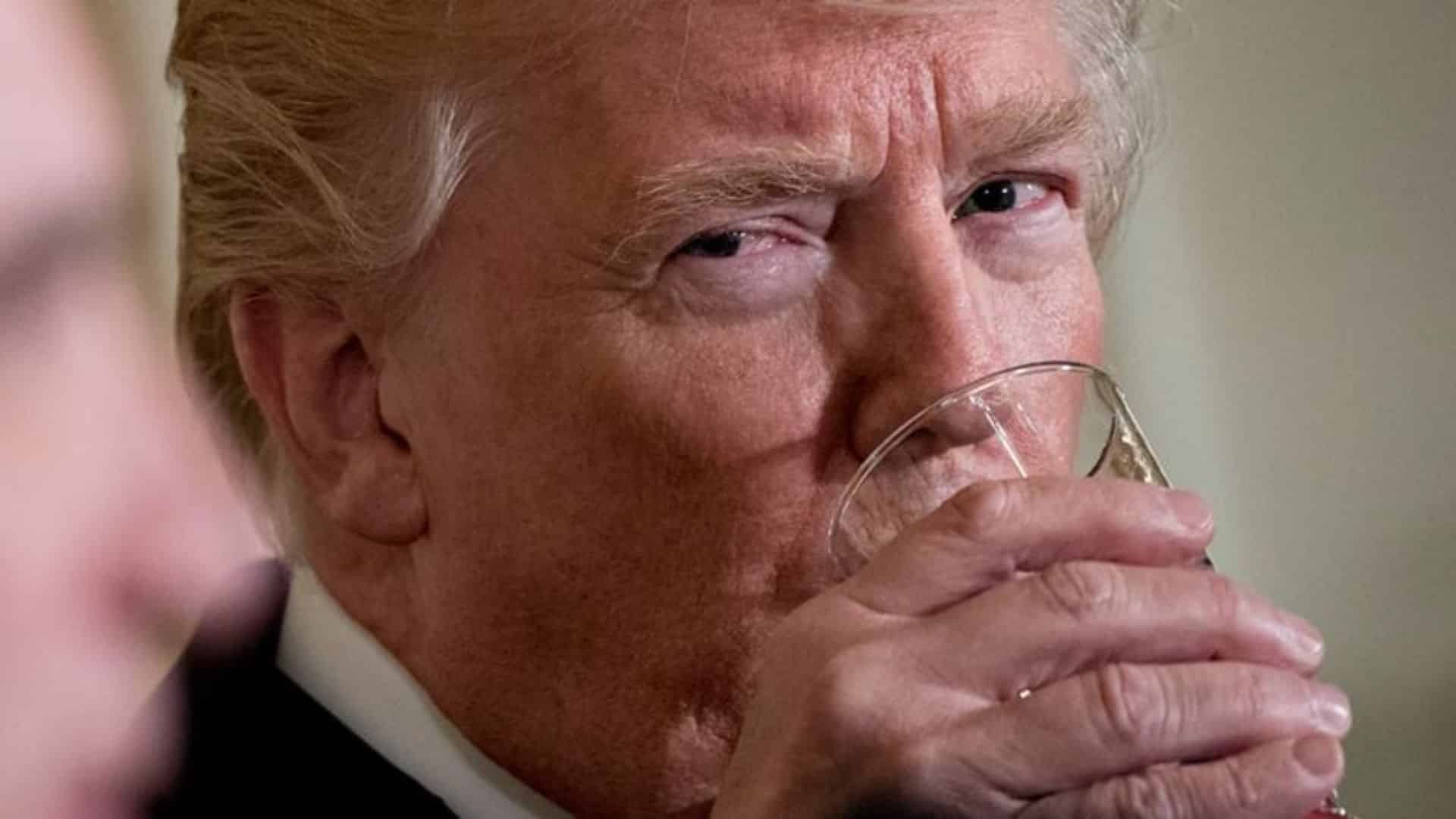

The most powerful man in the world has a theory about cancer, and it involves Diet Coke. During an April 13 episode of the podcast “Triggered with Don Jr.,” Dr. Mehmet Oz, now head of the Centers for Medicare and Medicaid Services, revealed that President Donald Trump has a standing defense for his soda habit: diet drinks kill grass, so logically, they must also kill cancer cells inside the body. The claim spread quickly, and the internet had questions.
Oz did not stop at a secondhand quote. He described walking into a meeting aboard Air Force One, only to find the president with an orange soft drink on his desk. According to Oz, Trump responded to the raised eyebrows with a grin and the declaration that the drink was “good for him” because it kills cancer cells. When Oz pushed back, Trump offered a final justification: it was “fresh squeezed,” so how bad could it be?
Trump’s son, Donald Trump Jr., who was hosting the podcast, did not challenge the claim. Instead, he suggested his father might be “onto something,” pointing out that few men his age can match the president’s energy and recall. White House Press Secretary Karoline Leavitt later told reporters the comment was a joke, saying the president “has a very good sense of humor” and that she had heard him tell the same line before. Whether punchline or genuine belief, the statement pulled the spotlight onto diet soda’s real health record.
A Button, a Candy Jar, and a Daily Ritual
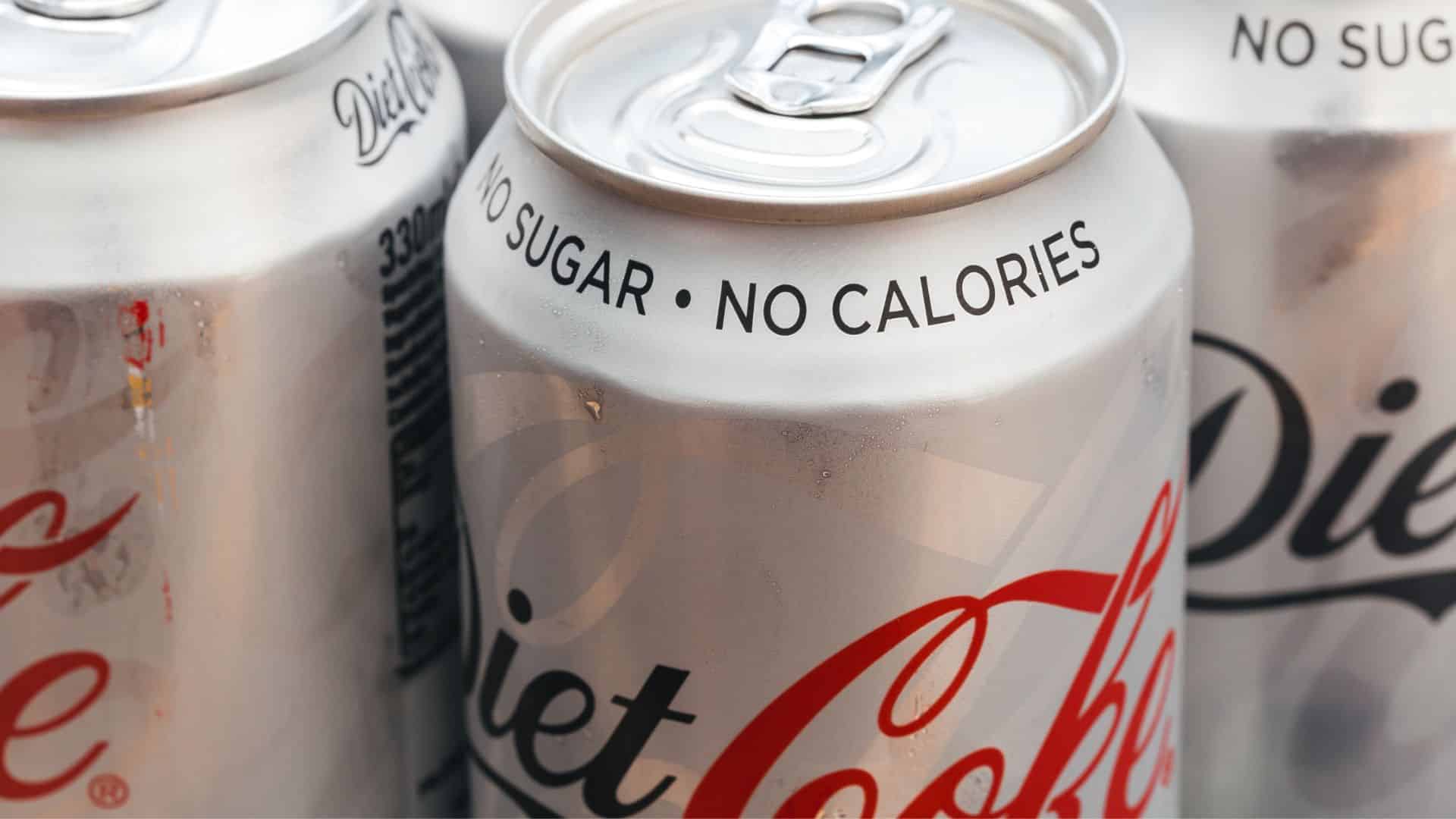
Long before anyone called it a health strategy, Trump’s soda habit was already a defining fixture of his presidency. Oz revealed that during Oval Office meetings, the president typically starts by reaching into a candy jar, then presses a red button on his desk to summon a Diet Coke. That button, first installed during his first term, was reinstalled when Trump returned to office in January 2025. It has become, in its own way, a symbol of how the president approaches personal health: on his own terms.
Trump Jr. framed his father’s diet not as carelessness but as a substitute for other vices. “Food is his thing. He doesn’t drink, he doesn’t do drugs,” Trump Jr. said on the podcast. “So he always jokes when he pushes that button for the Diet Coke or the candy, he jokes, ‘That’s my alcohol.'” The self-awareness behind the joke makes the cancer claim harder to dismiss as simple ignorance. It suggests a man who knows the criticism coming his way and has chosen, deliberately, to lean into it with humor.
That humor, however, sits awkwardly beside the broader health messaging coming from his own administration. Health and Human Services Secretary Robert F. Kennedy Jr. has publicly called Trump’s diet “unhinged” and urged Americans to cut processed foods and sugary beverages entirely. Kennedy and Oz have both aligned themselves with the Make America Healthy Again movement, promoting whole foods and questioning additives. The president’s soda-as-medicine theory lands squarely in the middle of that contradiction.
What the Science Actually Says About Diet Soda
No credible body of research supports the idea that diet soda fights or prevents cancer. In fact, the scientific picture runs in the opposite direction. The World Health Organization’s cancer research agency classified aspartame, the artificial sweetener in most diet drinks, as “possibly carcinogenic to humans” in 2023. Regulators, including the FDA, concluded that existing evidence does not confirm increased cancer risk at typical intake levels, but the classification alone signals that confidence in diet soda’s safety is far from settled.
A 2025 umbrella review of 19 separate meta-analyses found that artificially sweetened beverages were linked to 10 percent higher all-cause mortality and 8 percent higher cardiovascular mortality, along with elevated risks of hypertension, coronary heart disease and stroke. Dr. Mary Chamberlin, a breast oncologist at Dartmouth Health, has said that cutting carbonated beverages with sugar or artificial sweeteners entirely could actually reduce cancer risk, describing sodas as “known carcinogens or inflammatory triggers.” Research also links drinking two or more sodas per week to a significantly higher risk of pancreatic cancer.
Emergency medicine physician Dr. Owais Durrani, who interned at the White House during the Obama administration, responded to the viral clip on social media with a pointed reminder: “Diet soda or soda does not kill cancer cells.” Dr. Travis Masterson, a spokesperson for The Obesity Society and assistant professor at Penn State, told USA TODAY that while human studies on diet soda remain limited, the broader population data do not produce clean results. “There are mixed results,” he said of the links between diet soda and cancer or liver disease, adding that relying on pattern-based population studies means the science cannot tell the full story.
When the Joke Has Real Consequences
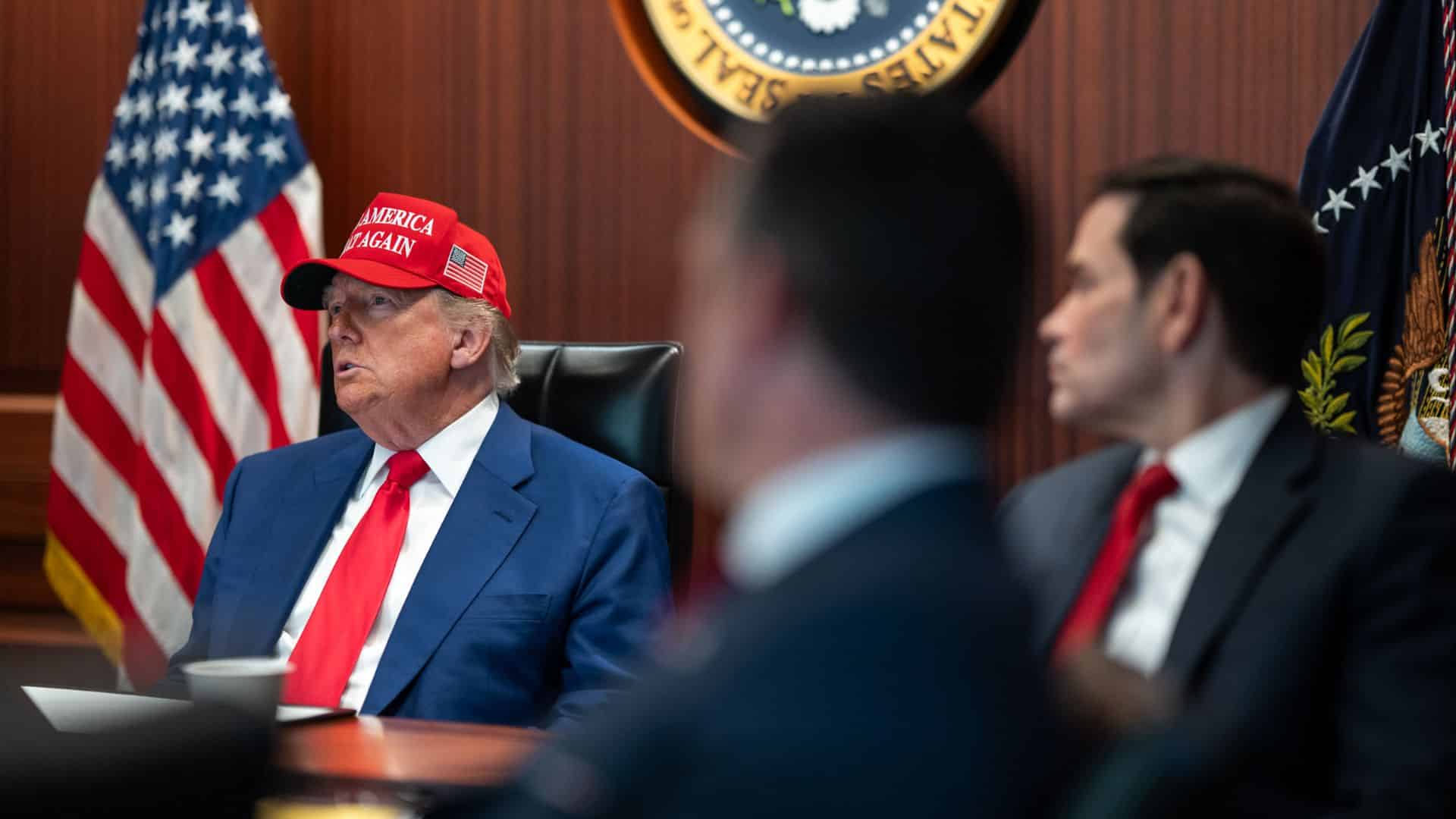
The White House called it a joke. The science calls it wrong. But the question worth sitting with is how much it matters which one is true. Trump is not a private citizen making offhand comments at a dinner table. He leads an administration that has actively shaped public health messaging, promoting beef tallow, raw milk, and peptides while questioning vaccines, antidepressants, and over-the-counter pain relievers. A president’s offhand remark carries a different weight than anyone else’s.
Masterson put the broader confusion around diet soda plainly: when scientific consensus is unclear, people tend to divide. Some conclude there is no good evidence of harm and continue as they are. Others conclude there is no good evidence of benefit and stop. What the Trump episode adds to that already murky landscape is a third option: assign the drink a superpower it does not have, attach a folksy logic to it, and let the country figure out the rest. That is a different kind of confusion, one that travels faster than any peer-reviewed study.
The episode is unlikely to change Trump’s soda order, and it almost certainly will not change the habits of the millions of Americans who drink diet beverages every day. What it does do is put on full display a recurring tension inside an administration that sells health as a national priority while its leader presses a button for a Diet Coke. The real question may not be whether Trump believes his own theory, but whether a country being asked to get healthier can afford the mixed signals at the top.