Trump Says He’s Lowering Grocery Costs. Do the Numbers Back Him Up?

Food prices remain one of the most visible economic concerns for American households, making President Donald Trump’s recent declaration that he is “making food affordable” a politically powerful message. The claim arrived alongside a list of grocery items that he said have become cheaper under his administration, but determining whether Americans are truly paying less at the checkout lane requires looking beyond a handful of products and examining the broader inflation data.
What Trump Is Pointing To
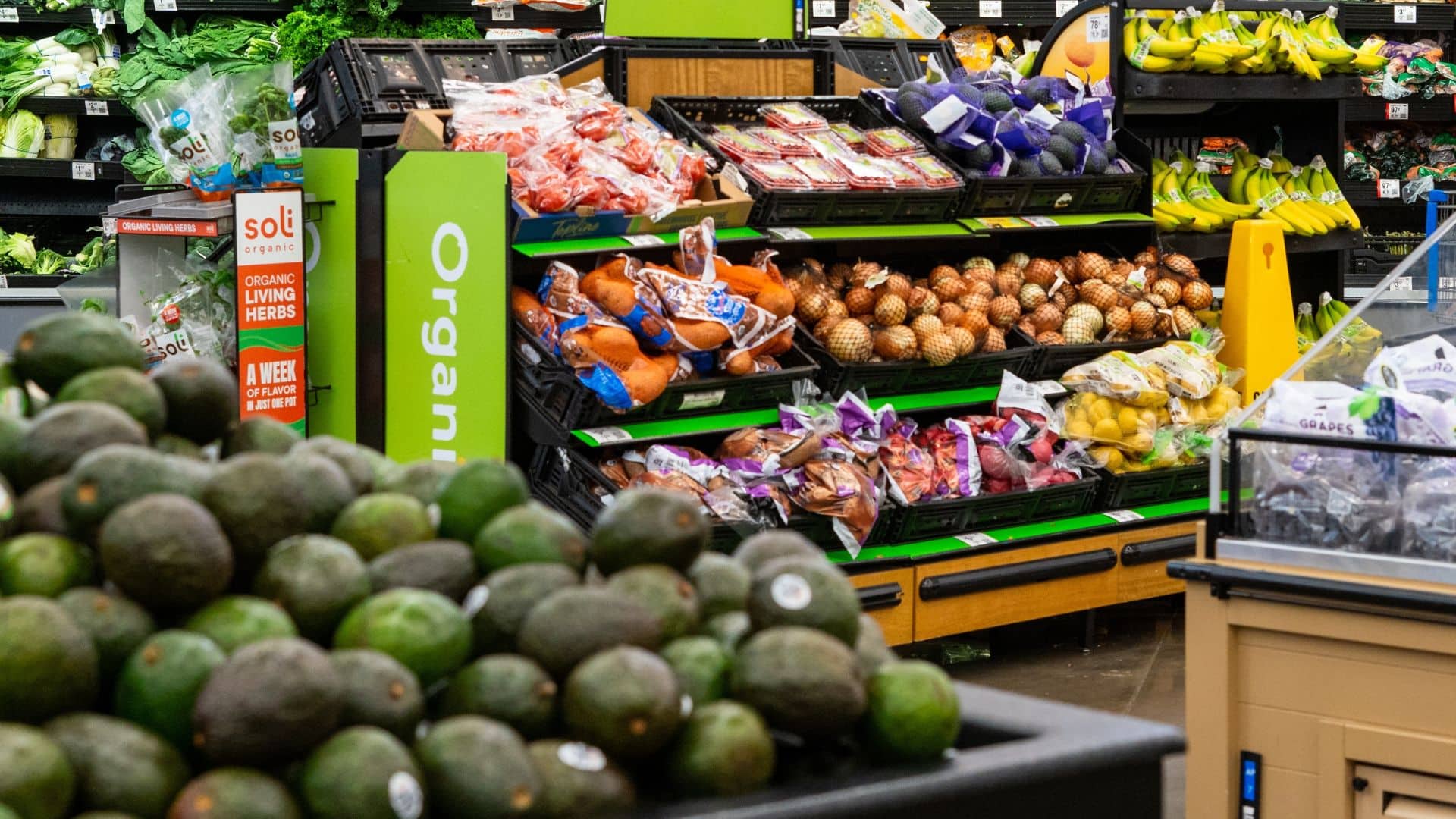
Trump highlighted declines in several grocery staples, including avocados, cheese, fresh berries, butter, olive oil, chicken breasts, and eggs. His administration has also argued that inflation has cooled significantly compared with the highs experienced during the Biden years, pointing to broader progress on affordability. A White House statement previously emphasized falling prices for items such as eggs, butter, cereal, seafood, fruit, rice, and pasta as evidence that household costs are moving in the right direction.
The Grocery Inflation Numbers Tell A Different Story

While some products have become cheaper, overall grocery prices have not fallen. According to the U.S. Department of Agriculture’s Economic Research Service, food-at-home prices, which measure grocery store purchases, were 2.9% higher in April 2026 than a year earlier. Food prices overall rose 3.2% during the same period, indicating that Americans are still paying more for food than they were a year ago.
Why Both Sides Can Claim Partial Truth
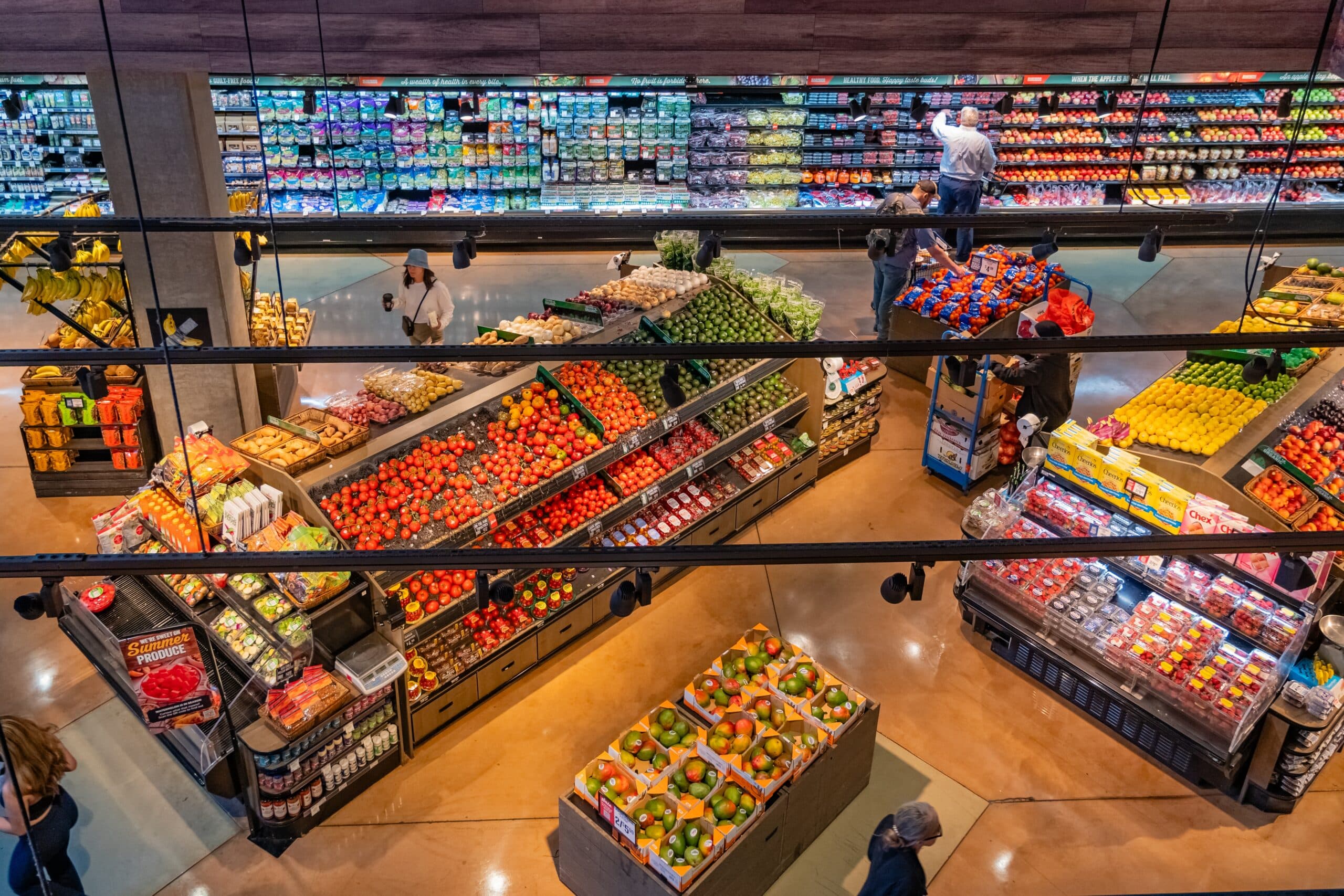
The apparent contradiction exists because grocery inflation is not uniform. Some categories experience sharp declines while others rise substantially. Government inflation data show egg prices down more than 39% year over year, while butter prices also declined. At the same time, many other categories moved in the opposite direction. As a result, Trump’s examples are not necessarily inaccurate, but they do not reflect the full basket of goods consumers typically purchase.
Eggs Became The Biggest Success Story
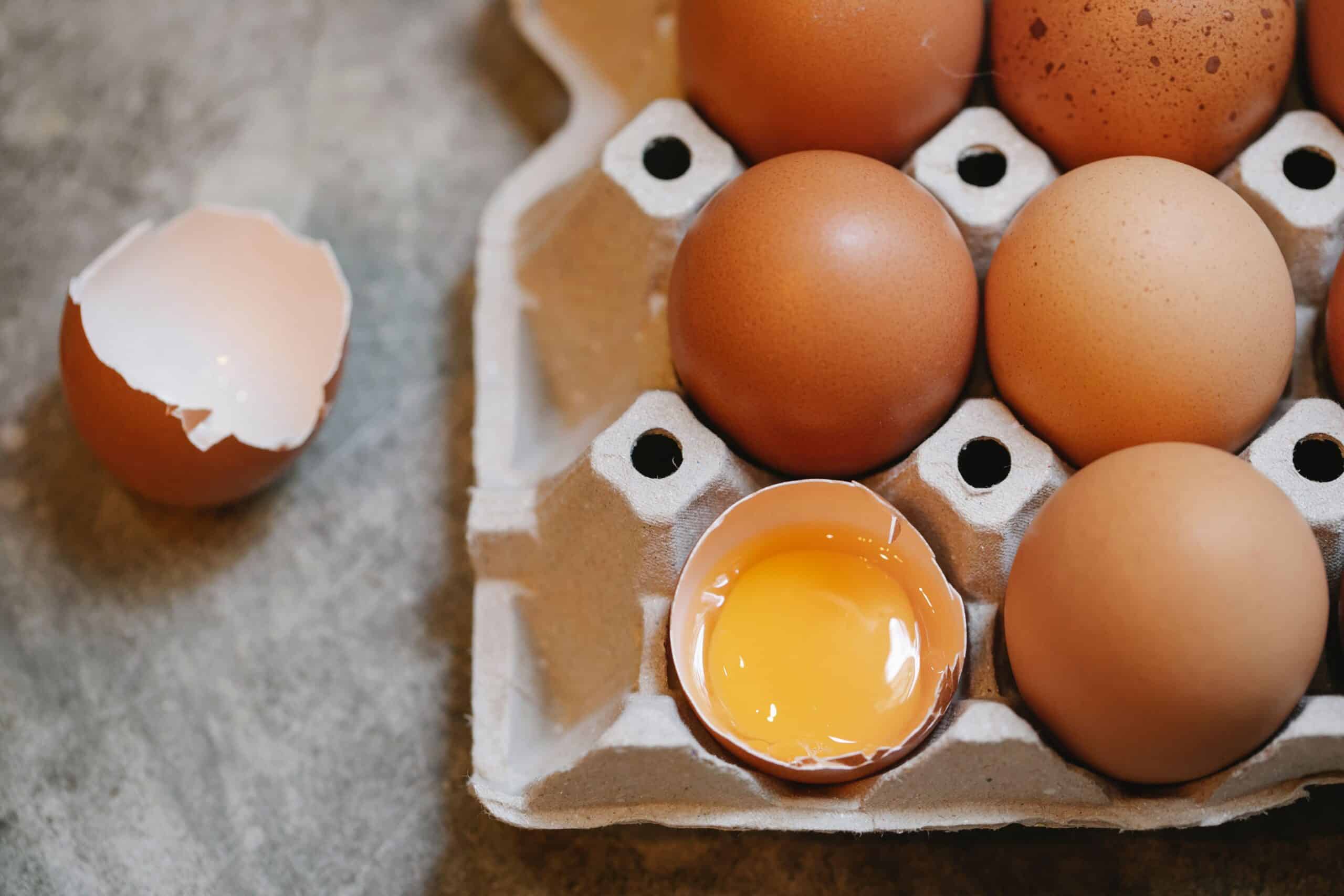
Egg prices provide Trump’s strongest evidence. After years of volatility caused by outbreaks of Highly Pathogenic Avian Influenza, retail egg prices fell 39.2% from April 2025 to April 2026. USDA forecasts suggest egg prices could continue declining through 2026 as production recovers and replacement flocks become available. These reductions have delivered noticeable relief for consumers who endured multiple years of unusually high egg costs.
Other Grocery Categories Are Still Climbing
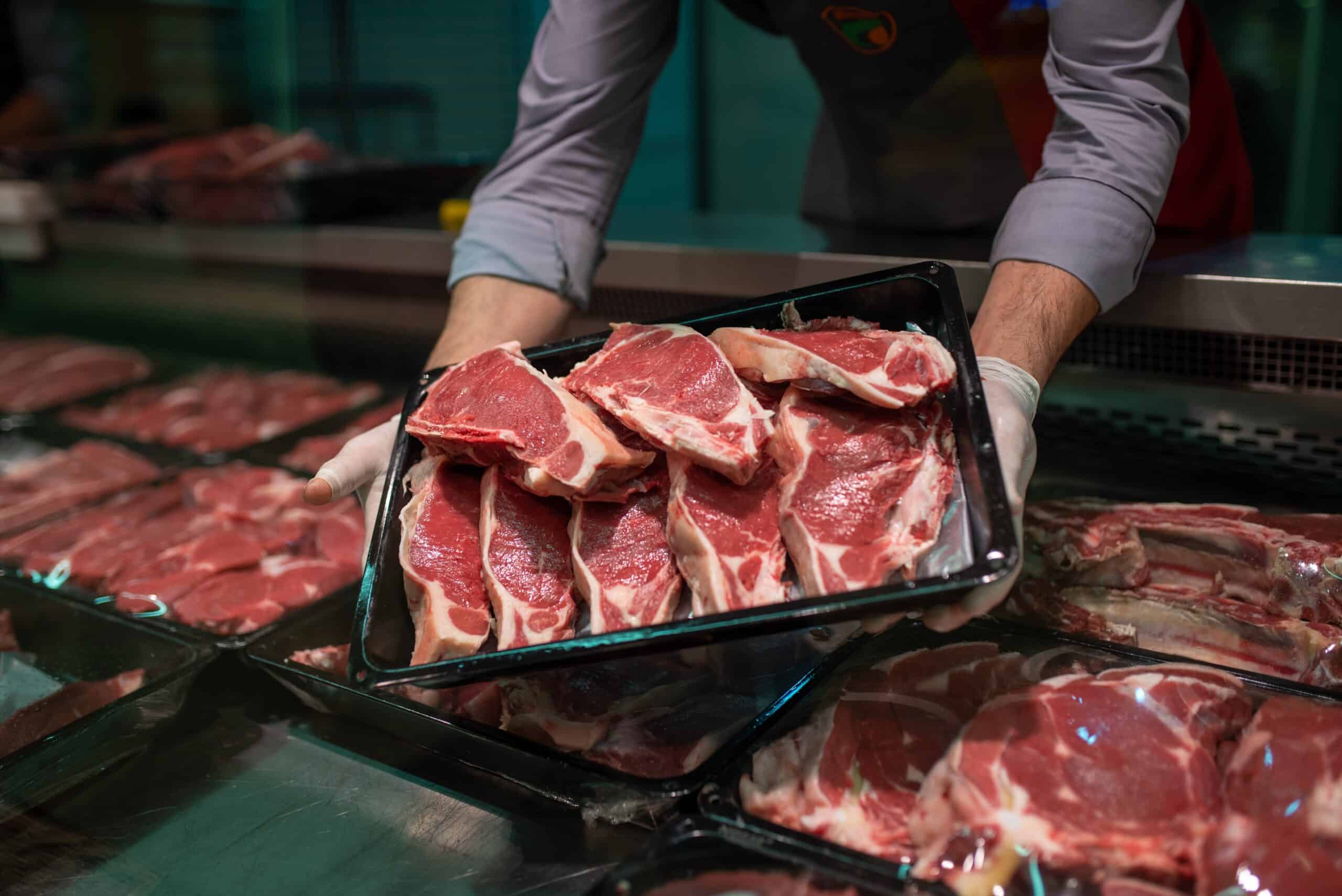
The problem for consumers is that many everyday purchases are moving in the opposite direction. Beef and veal prices were 14.8% higher in April 2026 than a year earlier. Fresh vegetables rose 11.5%, sugar and sweets increased 6.3%, and nonalcoholic beverages climbed 5.1%. These increases can quickly offset savings from cheaper eggs or butter, especially for households that spend heavily on meat and produce.
Forces Beyond The White House Are Driving Prices

Economists note that many price movements have causes unrelated to presidential policy. Egg prices fell largely because poultry flocks recovered after avian flu outbreaks. Olive oil prices eased as production rebounded following drought conditions. Meanwhile, weather disruptions, global commodity markets, transportation costs, and supply constraints continue influencing food prices regardless of who occupies the White House.
Critics Point To Rising Costs Trump Didn’t Mention
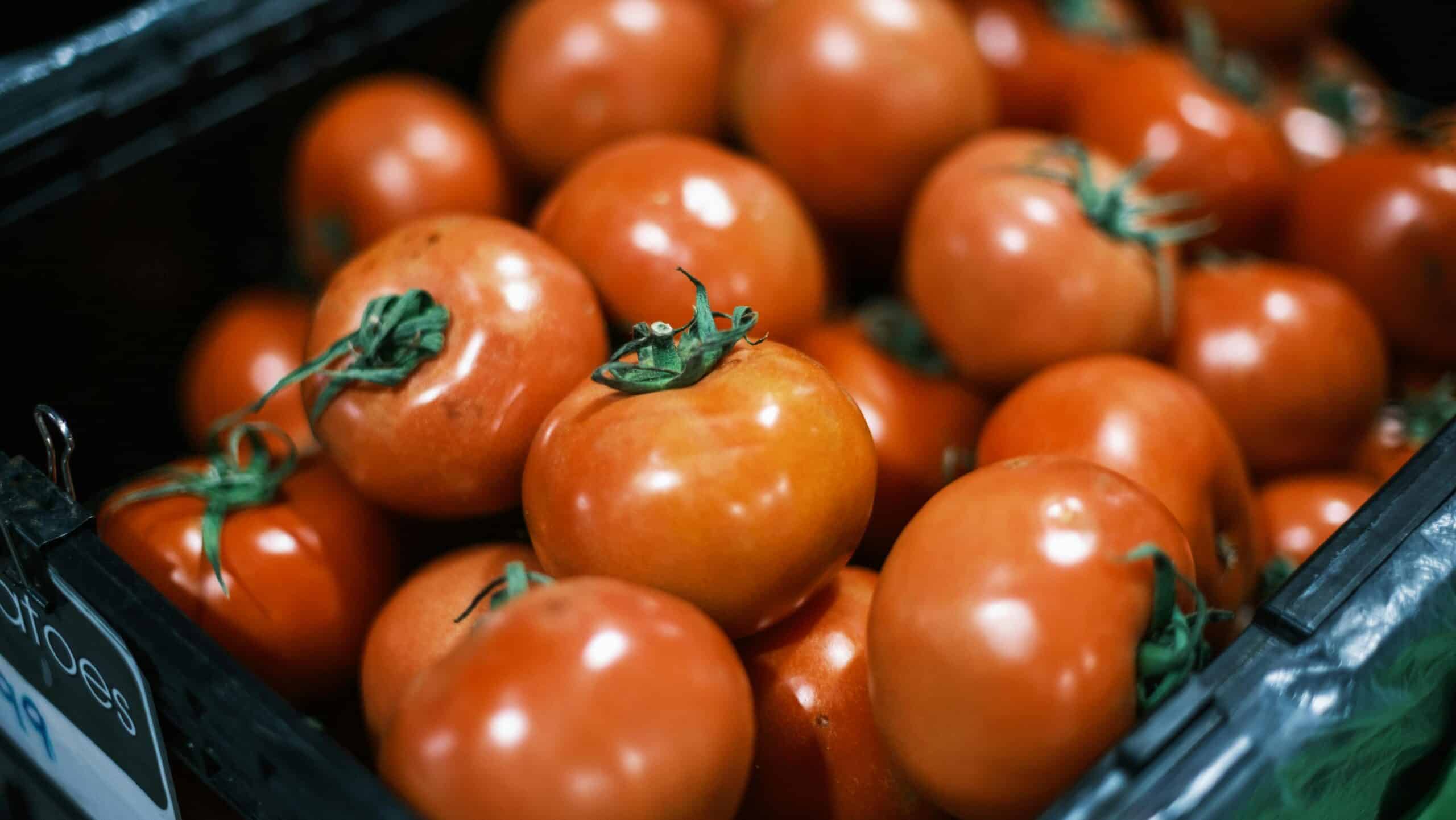
Analysts who challenge Trump’s claim argue that focusing on selected products obscures broader affordability pressures. Labor Department data cited by economists show consumers paying significantly more for meat, fruits, and vegetables than a year earlier. Tomato prices surged after duties were imposed on imports from Mexico, while coffee prices increased amid weather-related production challenges in major growing regions.
What Government Forecasts Suggest Comes Next
The USDA does not expect food inflation to disappear in 2026. Its latest outlook projects food-at-home prices will rise about 3.2% this year, faster than the historical 20-year average of 2.6%. Several major grocery categories, including beef, vegetables, beverages, and sweets, are expected to continue experiencing above-average price growth, even as eggs and some dairy-related products become cheaper.
The Real Test Is At The Checkout Lane
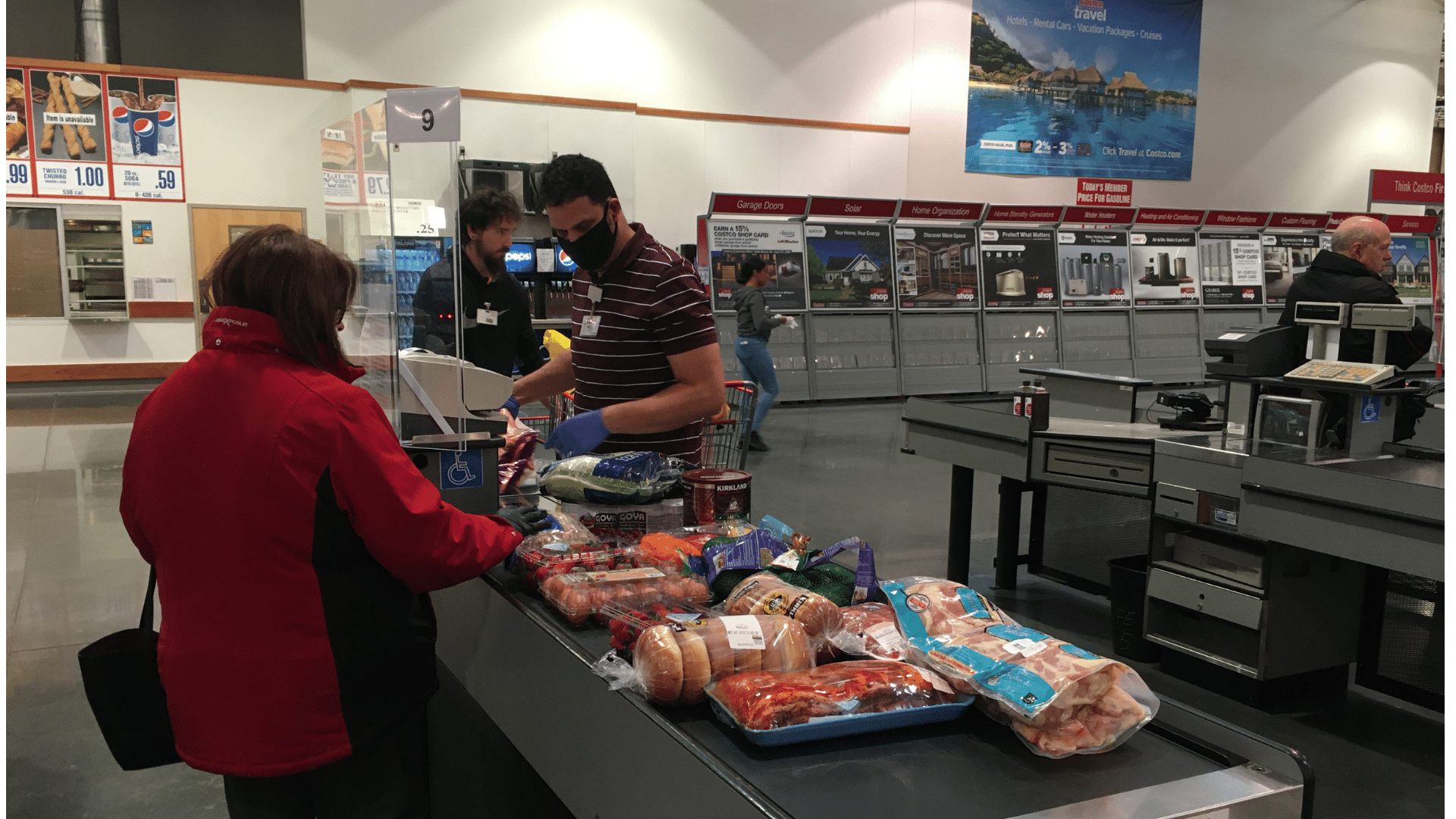
The debate over grocery affordability ultimately comes down to what shoppers experience each week. Trump can point to genuine declines in several highly visible products, particularly eggs, and claim progress. Critics can point to government inflation data showing grocery bills remain higher overall and are expected to keep rising. For voters heading into future elections, the question may be less about whether some prices have fallen and more about whether the total grocery bill feels meaningfully lower than it did before.