The Truth About ‘Expired’ Food; Why Dates May Be Misleading
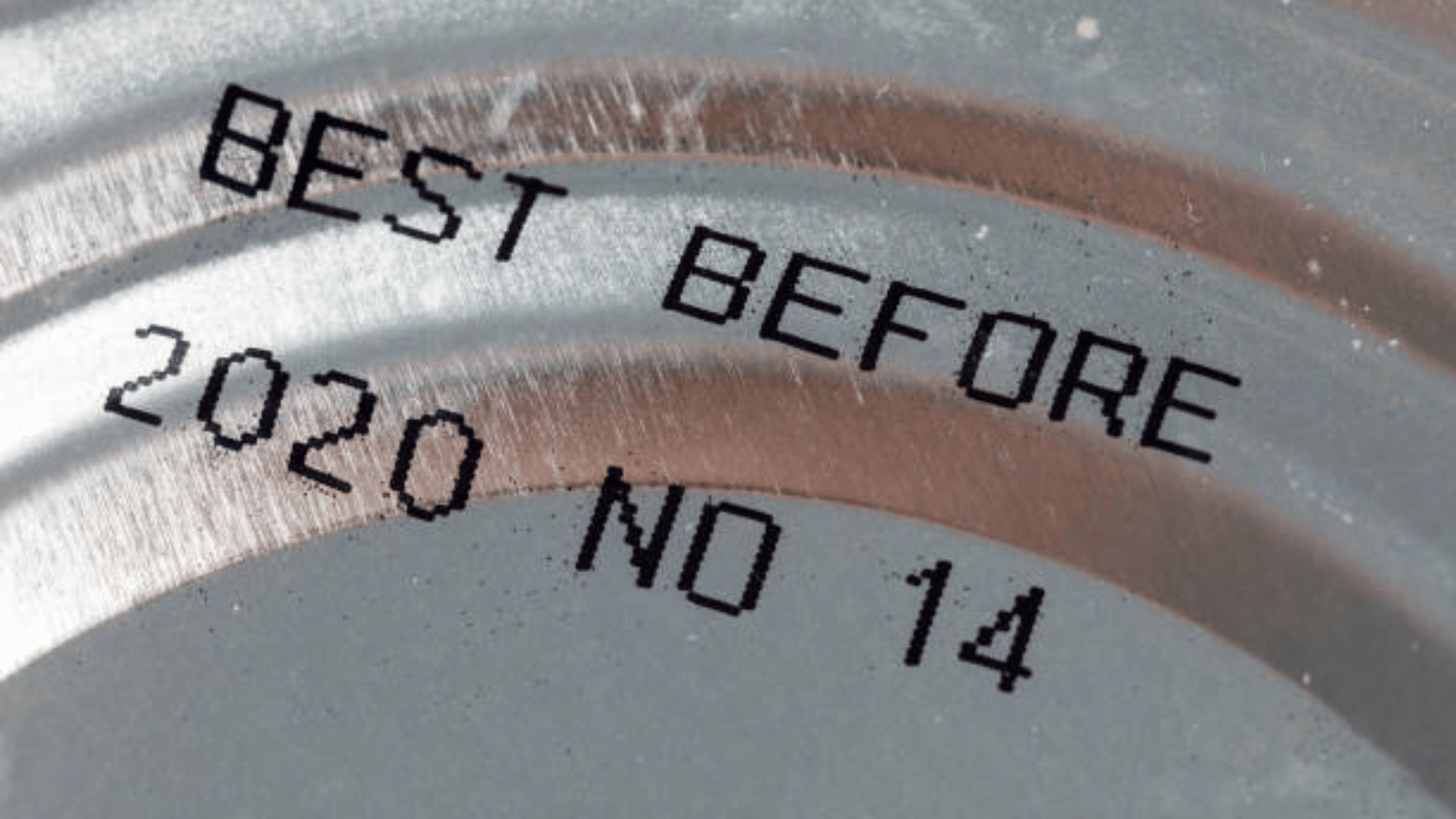

Every year, millions of people toss out unopened yogurt, bread, and vegetables simply because of a date stamped on the package. It feels responsible, even necessary. But food experts increasingly argue that many of these “expiration” dates don’t mean what consumers think they do. In fact, they may be fueling one of the world’s biggest and quietest waste problems.
The idea that food instantly becomes unsafe once a date passes has become deeply ingrained. Yet scientists, regulators, and consumer advocates say most date labels are about quality, not safety and that misunderstanding is costing households money while sending massive amounts of edible food to landfills.
So are expiration dates protecting public health or misleading consumers into throwing food away too soon?
How expiration dates became so confusing
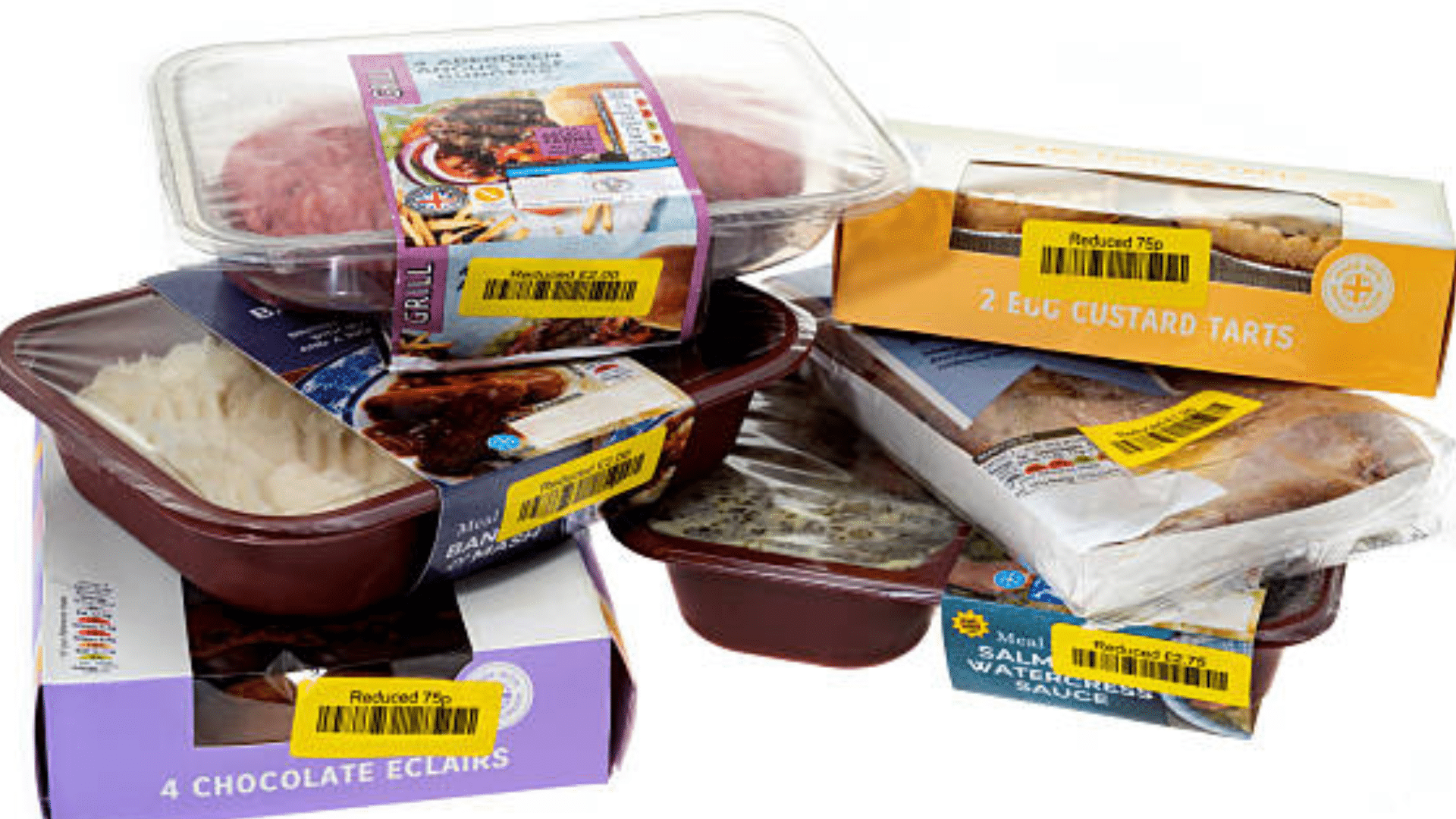
Expiration-style labels weren’t originally meant for shoppers at all. After World War II, dates were introduced to help store clerks rotate stock. Over time, manufacturers made those dates visible, and consumers began treating them as safety warnings even though no universal standard existed.
Today, terms like “best before,” “sell by,” and “use by” vary by country and even by U.S. state. In many cases, manufacturers choose dates based on peak flavor or texture, not spoilage. That means food can often remain safe weeks or months after the printed date.
With no clear guidance, many shoppers default to caution and throw food out rather than risk getting sick.
The real cost of throwing food away

Globally, nearly 40% of all food produced is wasted; about 1.3 billion tons every year. In the U.S. alone, the average household throws away between $1,300 and $2,200 worth of food annually, much of it still edible.
The environmental toll is just as staggering. Food waste consumes enormous amounts of water, land, and energy, while accounting for a major share of landfill emissions. At the same time, millions of people face food insecurity, a contradiction critics call both wasteful and unethical.
Some consumers even question whether date labels are a quiet profit driver, pushing people to replace food faster and buy more often, even when safety isn’t an issue.
Should we trust dates or our senses?

Food scientists say most packaged foods are safe if they look, smell, and taste normal. Exceptions exist particularly for deli meats and prepared foods prone to bacteria like listeria but these are not the norm. Eggs, milk, and even many leftovers often last longer than labels suggest when stored properly.
Some countries are already encouraging consumers to rely less on dates and more on sensory judgment, using campaigns like “Look, Smell, Taste — Don’t Waste.” Advocates argue that better education and standardized labeling could dramatically cut food waste without compromising safety.
Still, not everyone agrees. Critics warn that loosening trust in labels could confuse consumers or increase health risks. So where should the line be drawn? Are expiration dates a necessary safeguard or an outdated system that’s quietly training us to waste food? The answer may depend on how much trust we’re willing to place in ourselves.

