Tyson Closes Two More Plants as U.S. Cattle Herd Hits 74-Year Low
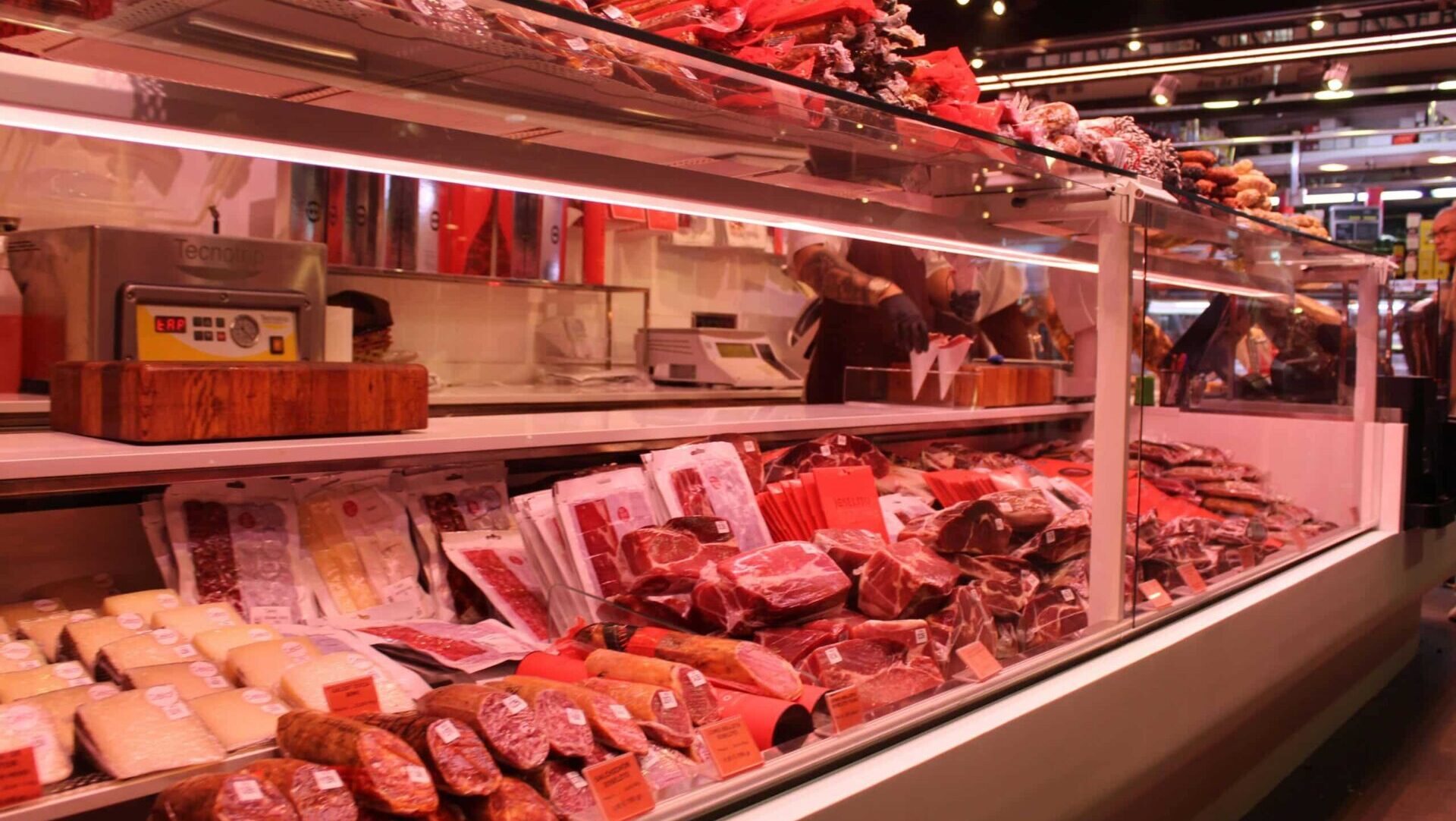

Tyson Foods is shutting down two major beef plants as the U.S. cattle herd sinks to its smallest size in 74 years. The closures signal a major shift in the beef industry, one shaped by years of shrinking supply and rising costs. Thousands of workers are affected, while consumers brace for even higher meat prices. Industry leaders say this moment has been years in the making.
Thousands of Jobs Lost as Two Tyson Plants Go Dark
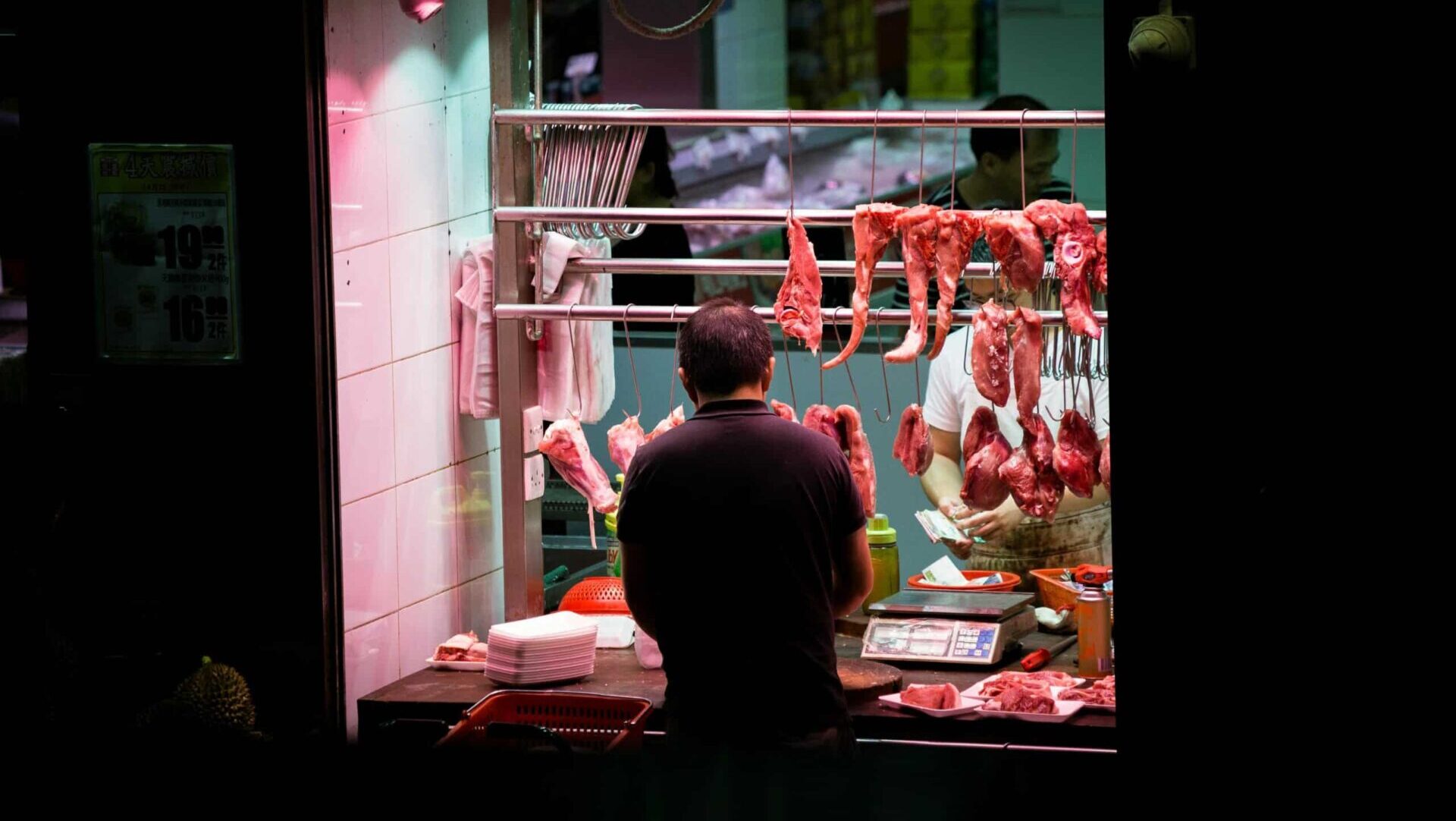
The final shifts at Tyson’s Amarillo, Texas, and Lexington, Nebraska, plants mark the end of operations for nearly 4,900 workers. Amarillo’s second shift will shut down in January 2026, while the Lexington facility will close permanently. For employees, the closures mean sudden displacement and uncertainty. For local communities, the loss threatens wages, spending, and tax revenue.
The Smallest Cattle Herd Since 1951 Is Driving the Crisis
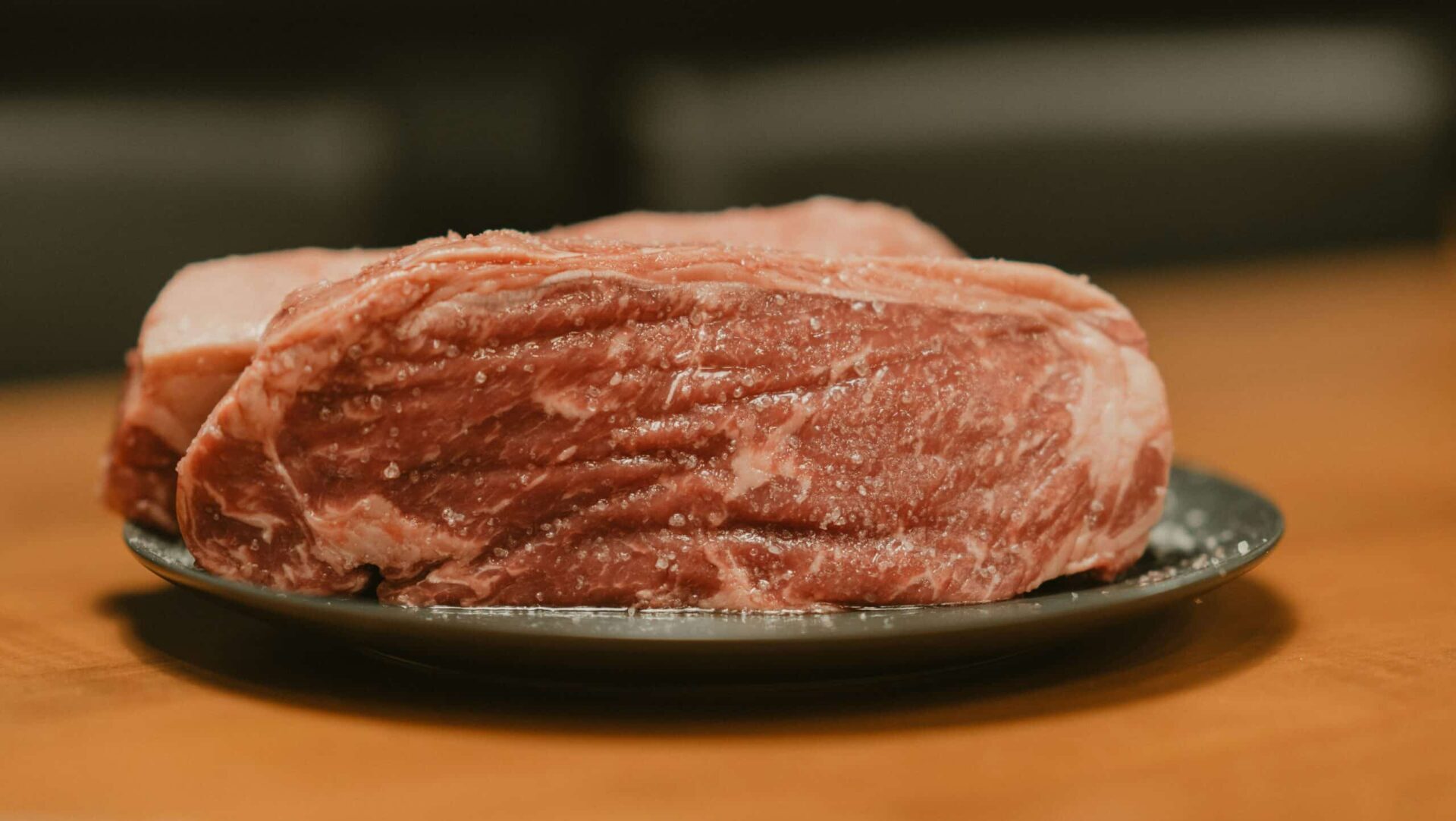
The U.S. cattle herd has fallen to levels not seen since the early 1950s. Years of drought, high feed costs, and reduced rancher profitability have steadily shrunk supplies. With fewer cattle available, beef processors are struggling to operate efficiently. This shortage sits at the core of Tyson’s decision to scale back.
Tyson Points to a ‘Trump-Era Beef Bubble’
Tyson executives have blamed the current downturn on what they describe as a “Trump-era beef bubble.” During that period, herd expansion and strong demand created expectations that no longer match reality. As supply tightened and costs rose, those assumptions collapsed. The result has been heavy losses and painful restructuring.
Billions in Losses Force a Strategic Reset
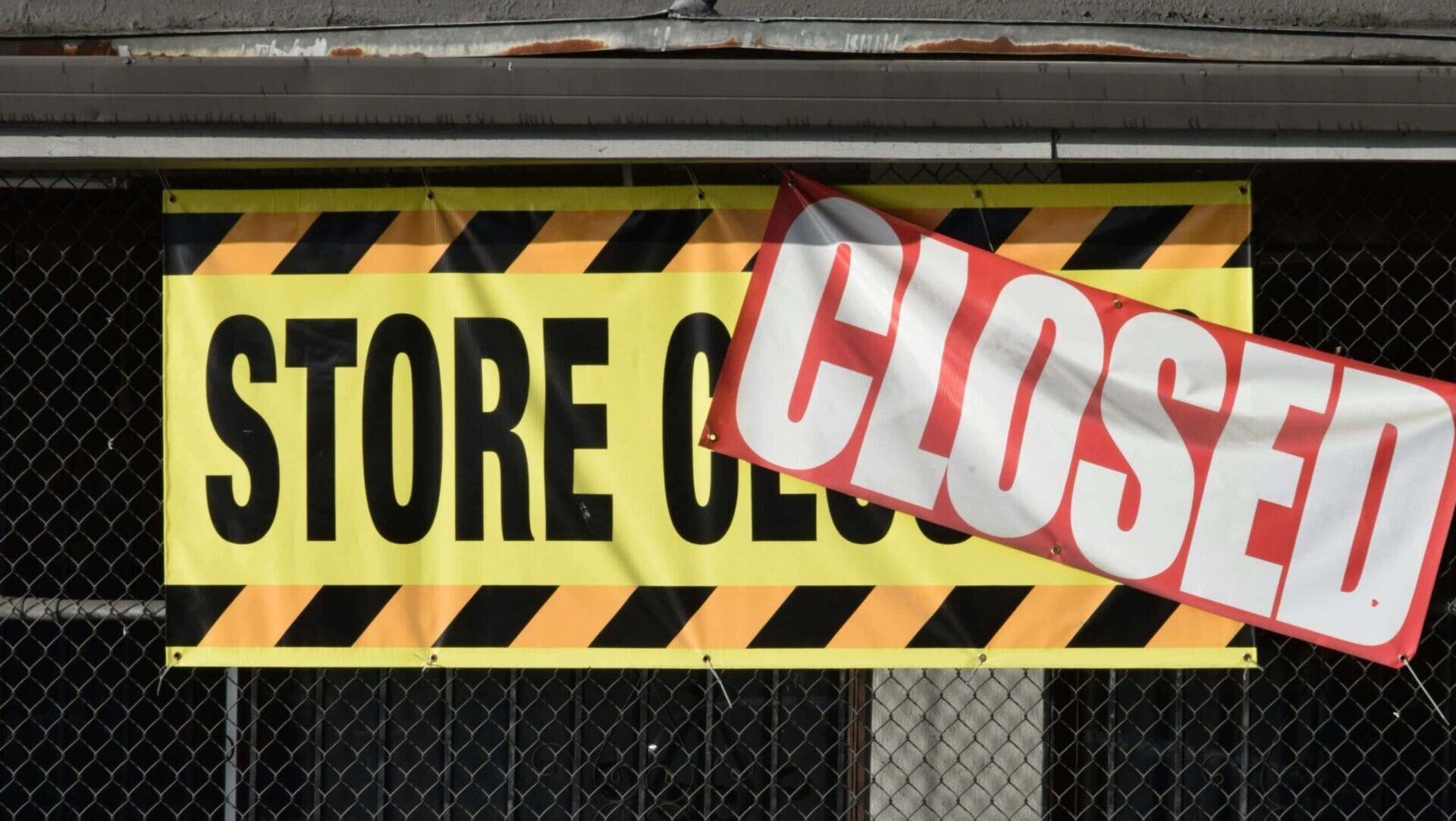
Over the past two years, Tyson’s beef division has posted roughly $1.5 billion in losses. The company now expects an additional $400 to $600 million in losses in fiscal 2026. These figures made maintaining excess processing capacity unsustainable. Closing plants is part of Tyson’s effort to stabilize its finances.
Beef Prices Stay High as Supply Tightens
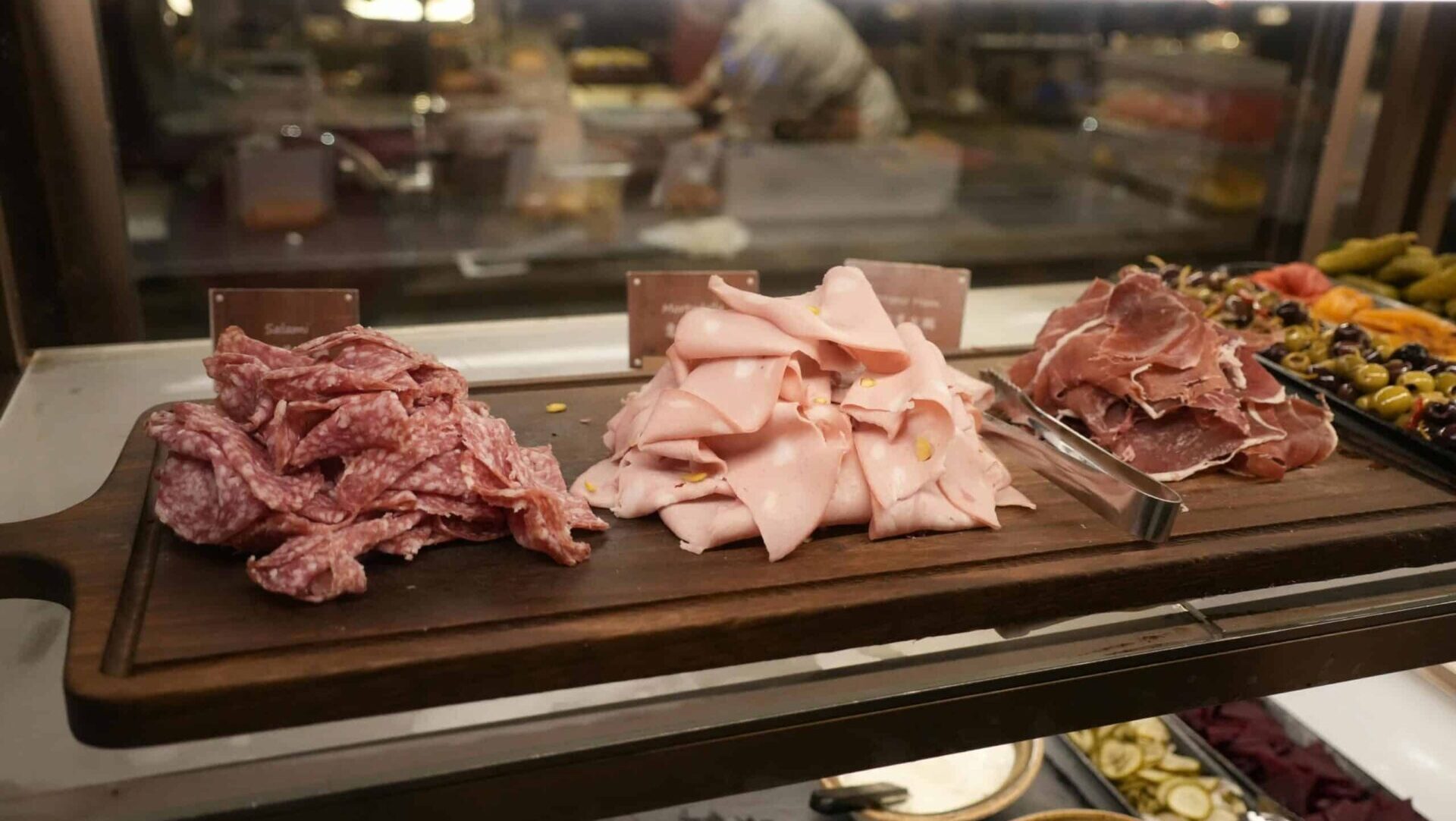
With fewer processing plants and limited cattle supply, beef prices are expected to remain elevated. The Bureau of Labor Statistics reported a 14.7% increase in beef and veal prices in September 2025 alone. Premium cuts like steaks are seeing the sharpest hikes. Consumers are already feeling the strain at grocery stores and restaurants.
Workers and Communities Face Long-Term Fallout
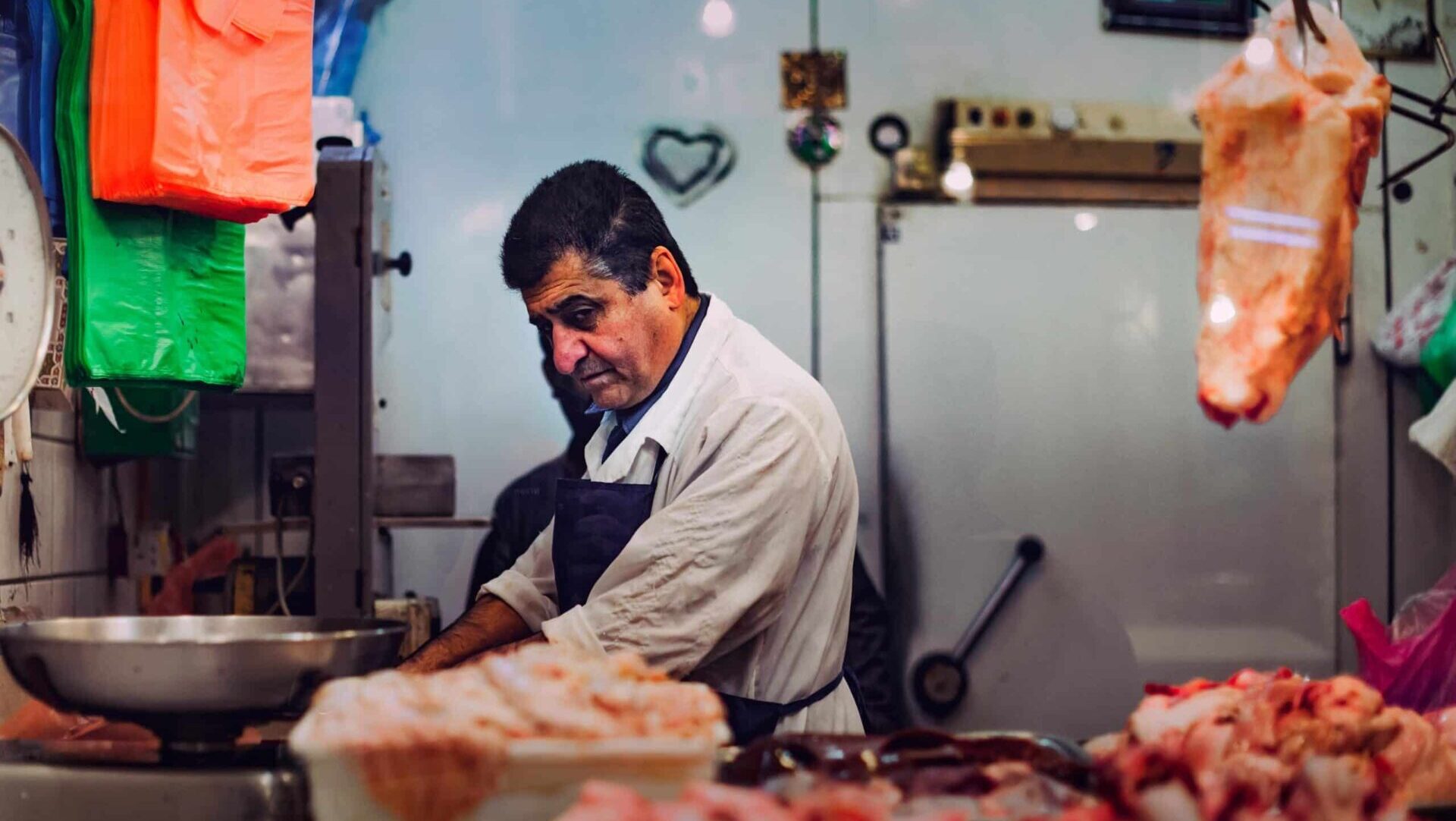
Tyson has said it will try to relocate some displaced workers to other facilities. Even so, many employees may be forced to leave their communities in search of new jobs. Local economies built around these plants could take years to recover. The closures highlight the human cost of industry consolidation.
Chicken and Alternative Proteins Gain Ground
As beef becomes more expensive, consumers are turning to cheaper proteins. Tyson’s chicken business has been more profitable, prompting the company to shift resources away from beef. Retailers and restaurants are also pushing chicken, pork, and plant-based options. This shift may permanently change American eating habits.
Global Beef Trade Begins to Shift
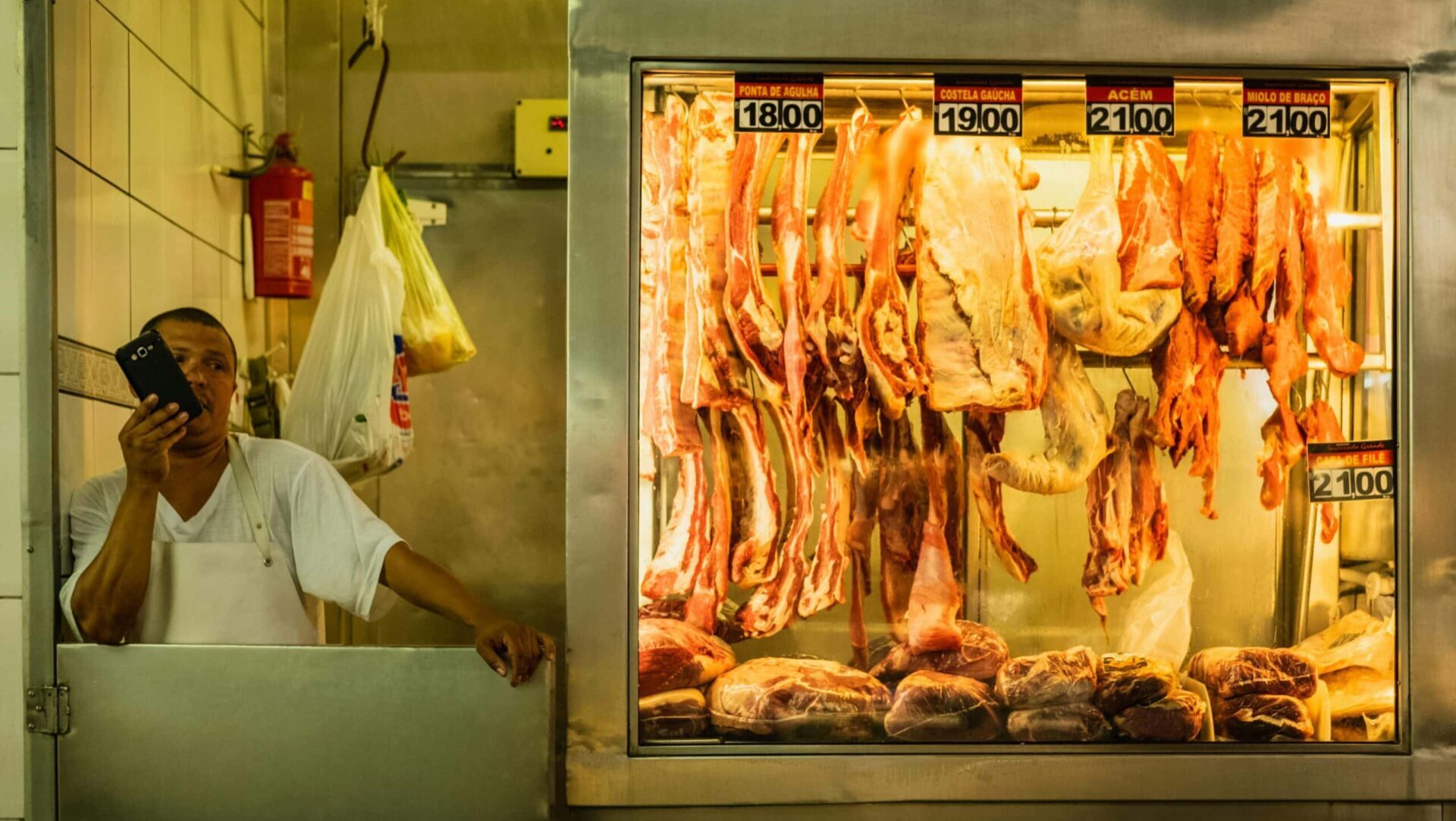
The tightening U.S. beef supply could disrupt exports to major buyers like Japan, South Korea, and Mexico. Higher prices and reduced volumes may open the door for competitors such as Brazil and Australia. Over time, this could reshape global beef trade dynamics. America’s dominance in beef exports is no longer guaranteed.
What Tyson’s Shutdowns Reveal About the Future of Beef
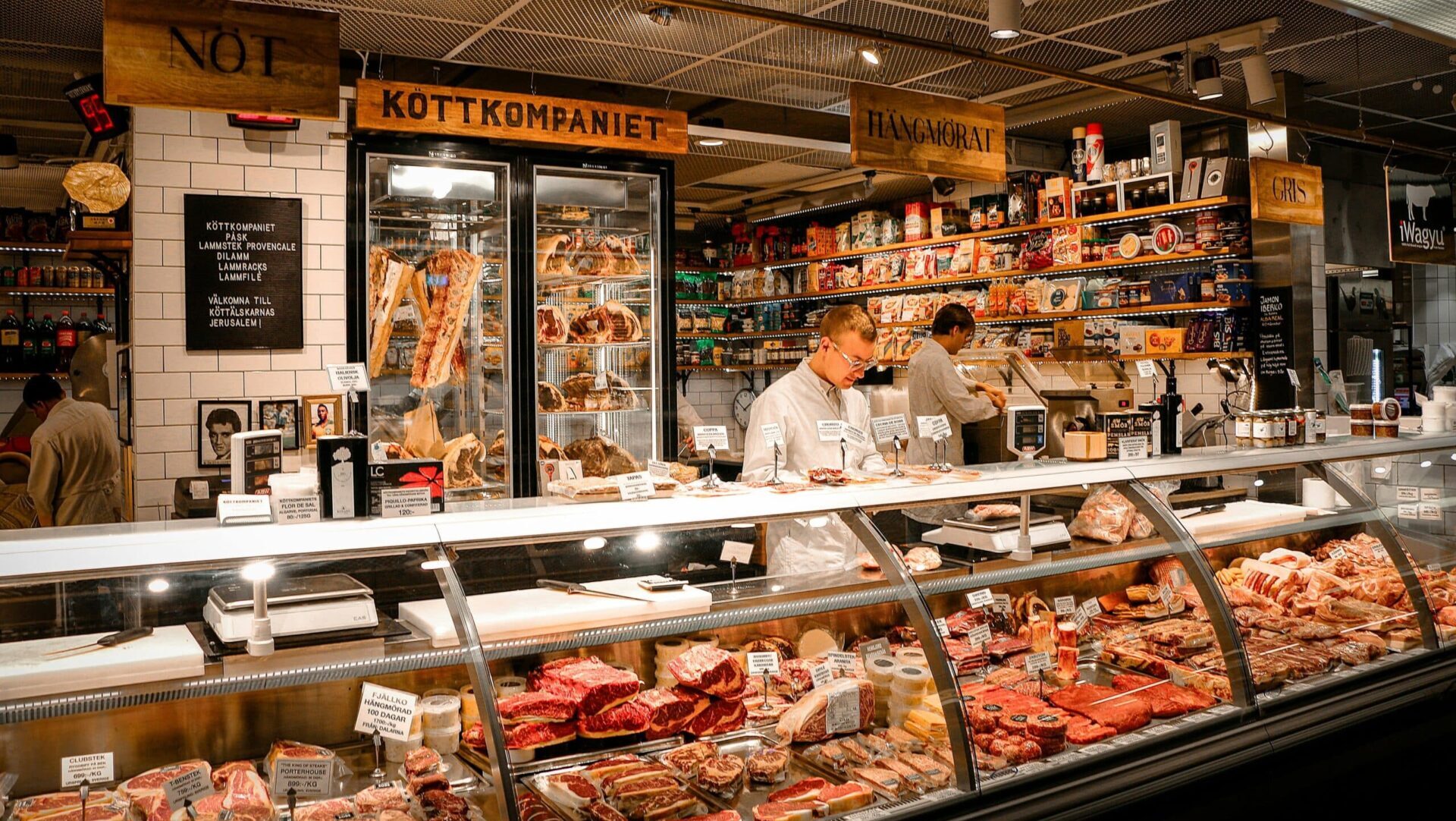
The closure of two Tyson plants reflects deeper structural problems in the U.S. beef industry. Rebuilding the cattle herd will take years, while consolidation continues to reshape meatpacking. For consumers, higher prices may become the new normal. For the industry, this moment marks a turning point that could redefine how beef is produced, priced, and consumed in America.