Uber Eats Expands Beyond Food Delivery, Adding More Items You Can Order
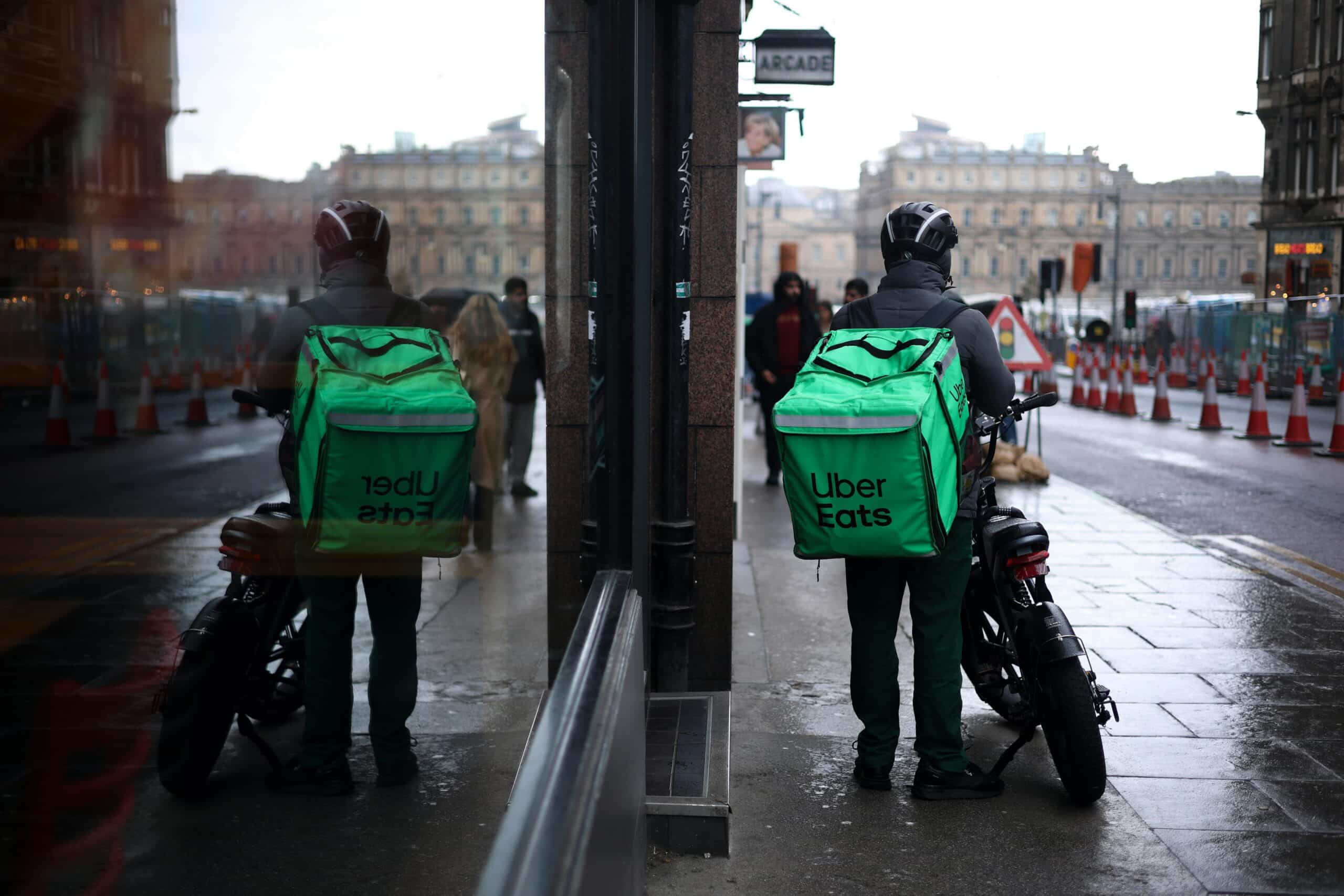

Ordering dinner used to be the point of Uber Eats. Now, it might just be the beginning. The app that once delivered meals is expanding into something much bigger, and it could change what people expect from delivery altogether.
Moving Beyond Food
Uber Eats is no longer just about restaurants. The company is expanding into everyday retail, allowing customers to order items that go far beyond meals. This includes groceries, household goods, and now even hardware supplies. It is a shift that turns a food delivery app into a broader convenience platform.
A New Kind of Partnership
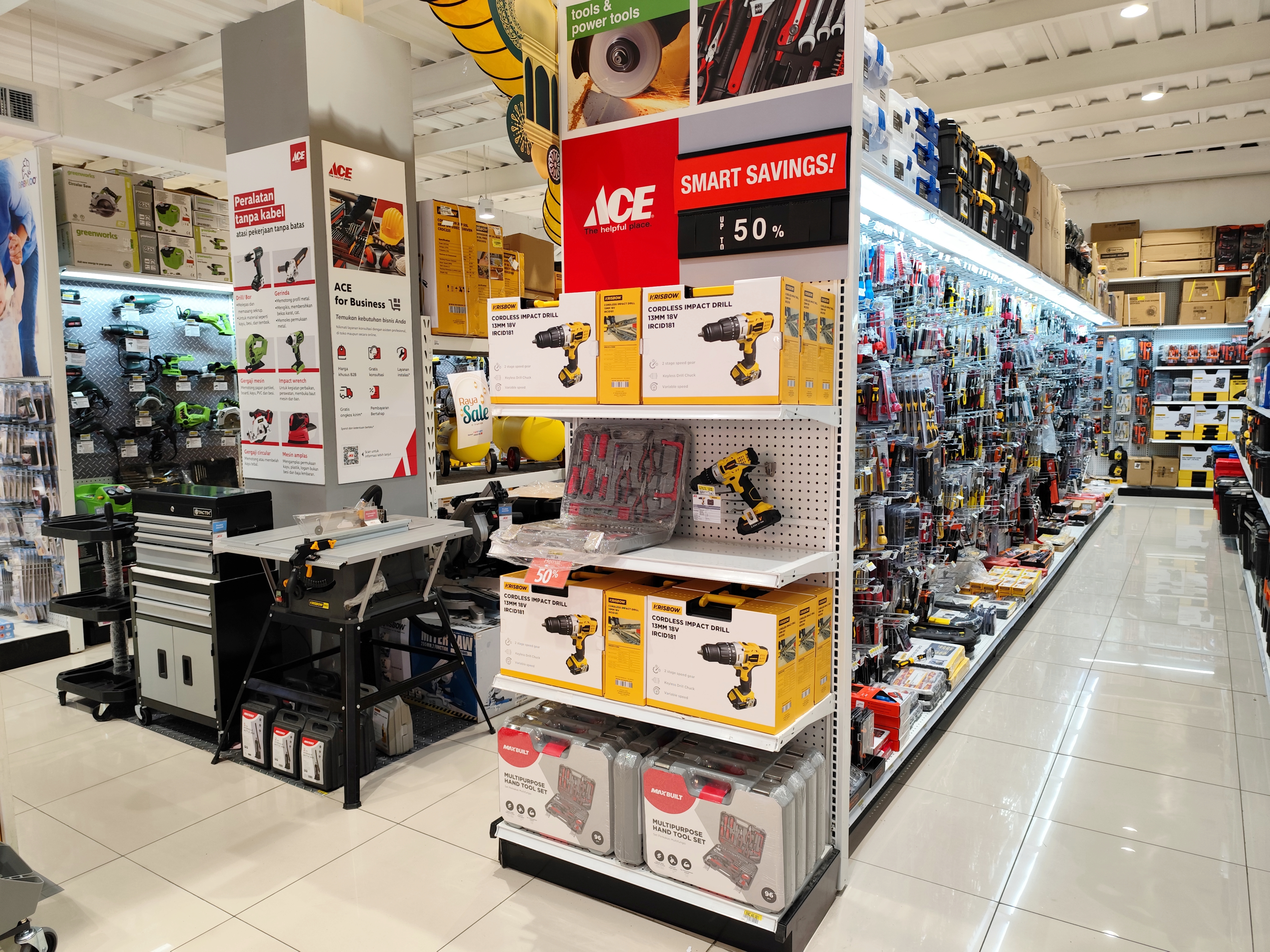
One of the biggest moves comes through a partnership with Ace Hardware. Through this deal, more than 3,700 stores across the country are now connected to Uber Eats, giving customers access to items like tools, paint, and home repair supplies without leaving home. It is a category few would have expected from a food delivery app.
Why This Matters
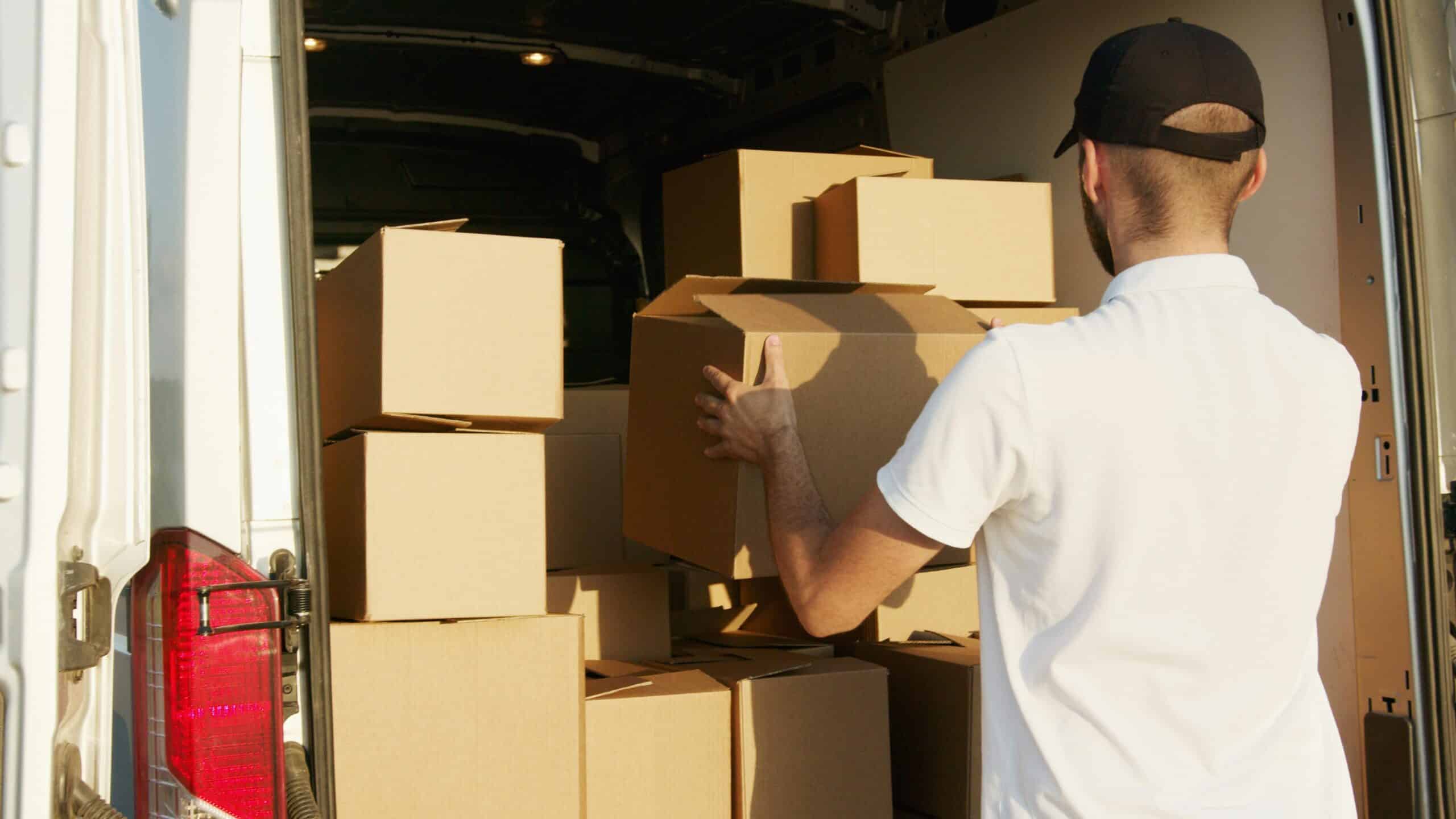
This expansion reflects a change in how people think about convenience. Delivery is no longer just for meals or late-night cravings. It is becoming a way to handle everyday needs, especially when time is limited or a quick solution is needed. This shift opens the door to a much wider range of products.
The Scale Behind It
Uber Eats already operates at a massive level. It serves around 95 million users and connects to more than one million merchants across over 11,500 cities worldwide. With that kind of reach, adding new categories does not require starting from scratch. It builds on an existing network.
Growth That Keeps Accelerating
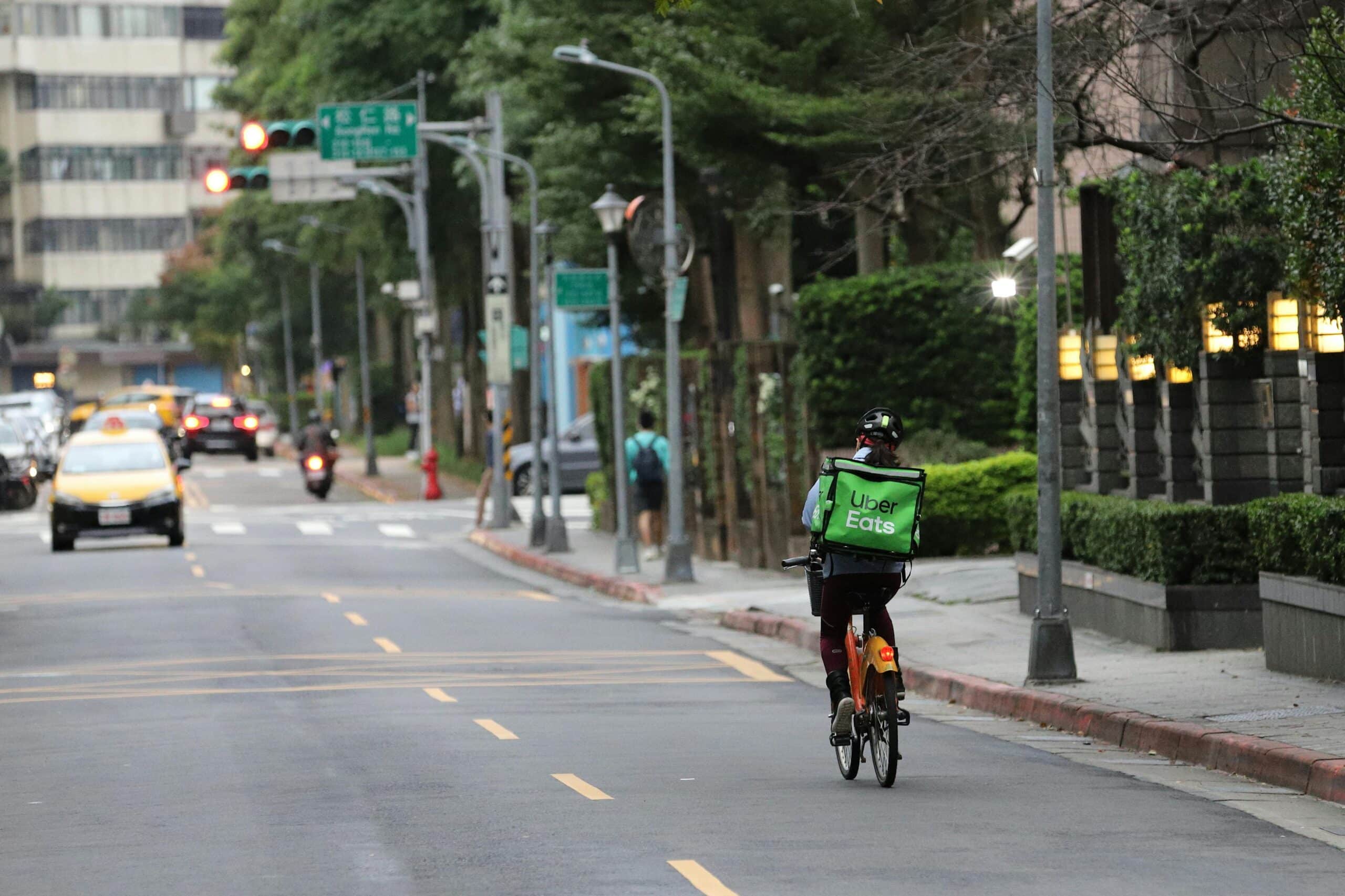
The delivery business is not slowing down. Uber’s delivery segment has seen strong growth, including a 30 percent revenue surge in a recent quarter and billions in total bookings. The momentum is giving the company confidence to expand even further.
More Than Just Convenience
This strategy is about more than adding products. Uber wants customers to open the app more often, not just at mealtime. By offering more options, the platform becomes part of daily routines instead of an occasional service. The more reasons people have to use it, the more valuable the platform becomes.
A Changing Habit
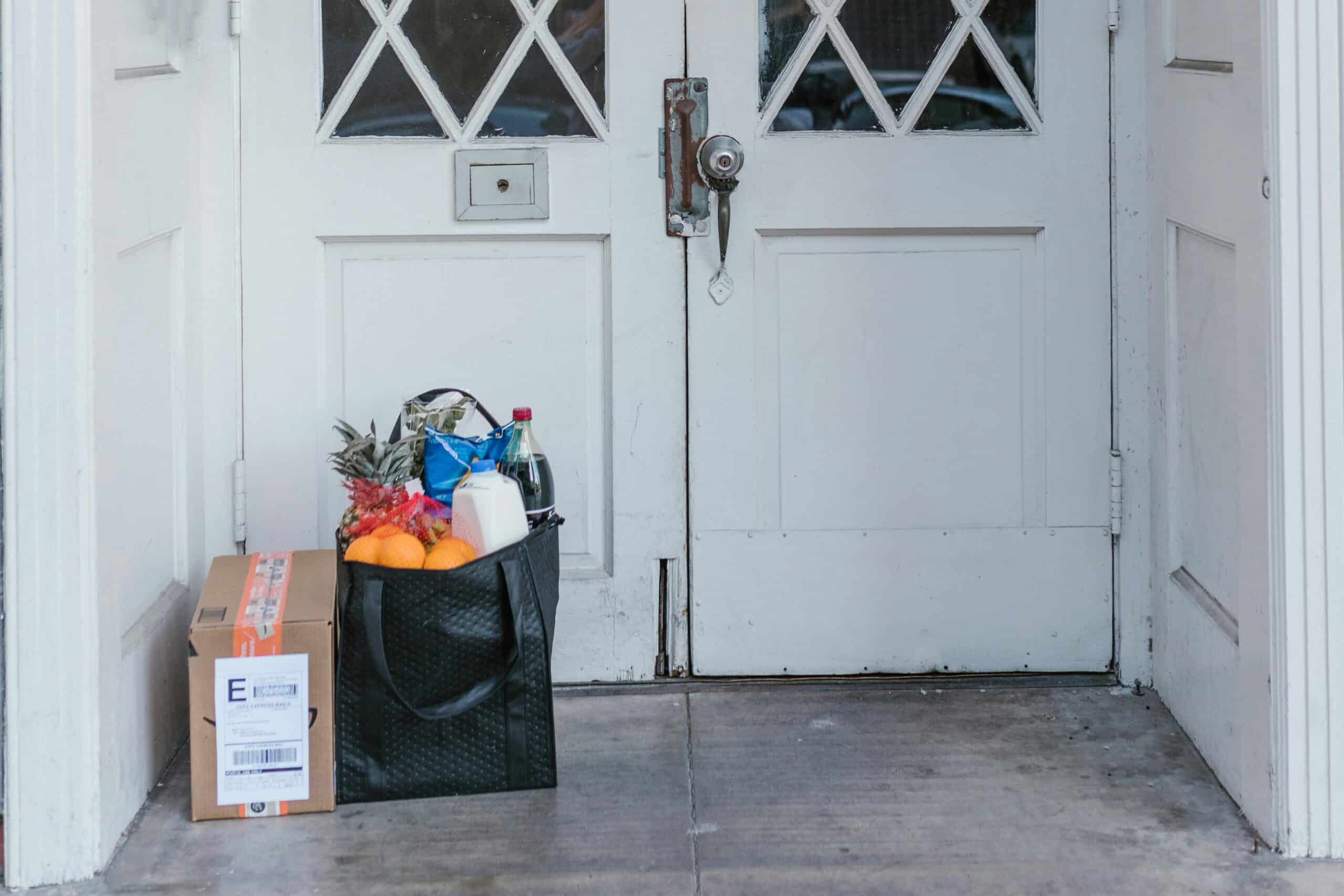
Consumer behavior is already moving in this direction. For many people, delivery has become part of everyday life, not just a convenience. Some users rely on it regularly, even multiple times a week, as part of how they manage time and daily tasks. This exact habit is what makes expansion possible.
Competing for More Than Meals
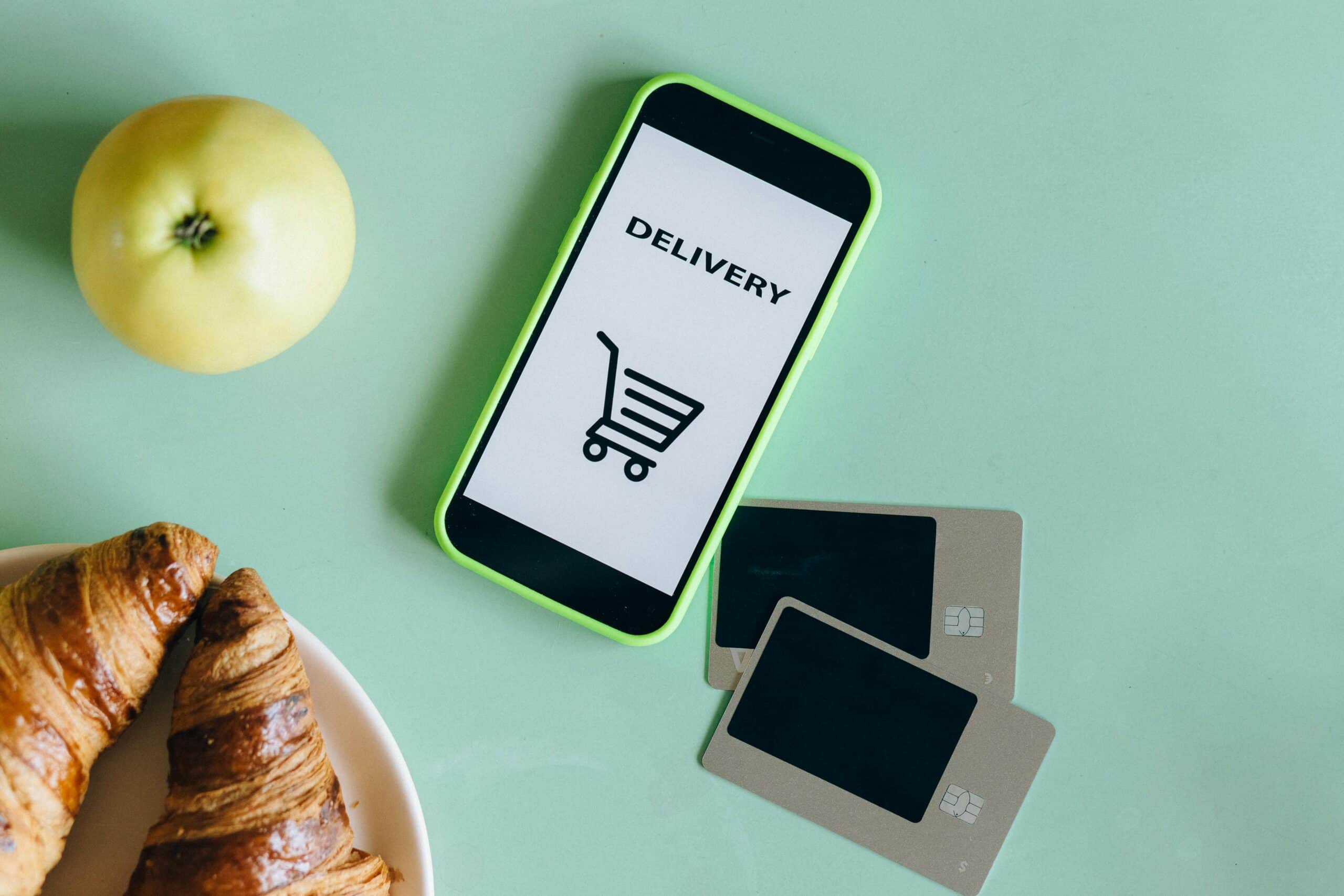
Uber is not the only company thinking this way. Delivery platforms are increasingly competing to become all-in-one services, offering everything from groceries to electronics. The goal is simple: be the app people turn to first when they need something quickly. This is turning delivery into a much broader marketplace.
The Real Takeaway

This shift is about redefining what delivery means. What started as a way to order food is evolving into something closer to an on-demand shopping system. It reflects how much people now value speed, convenience, and flexibility in everyday life. Looking ahead, the question is not just what Uber Eats will deliver next, but how far this idea can go. Because if anything can be ordered with a few taps, the way people shop, plan, and solve everyday problems may start to change with it.