Food Inflation: Customers Cautioned of Unexpected Changes Coming to Store Shelves

British shoppers are being warned to brace for higher food prices and unusual changes in stores as supermarkets respond to the pressures of drought, extreme weather, and rising inflation.
The situation has created a perfect storm for the UK’s food system, putting pressure on farmers, retailers, and consumers alike. Analysts now warn that food inflation could hit 5.7% by the end of 2025.
Harvests Disrupted by Extreme Weather
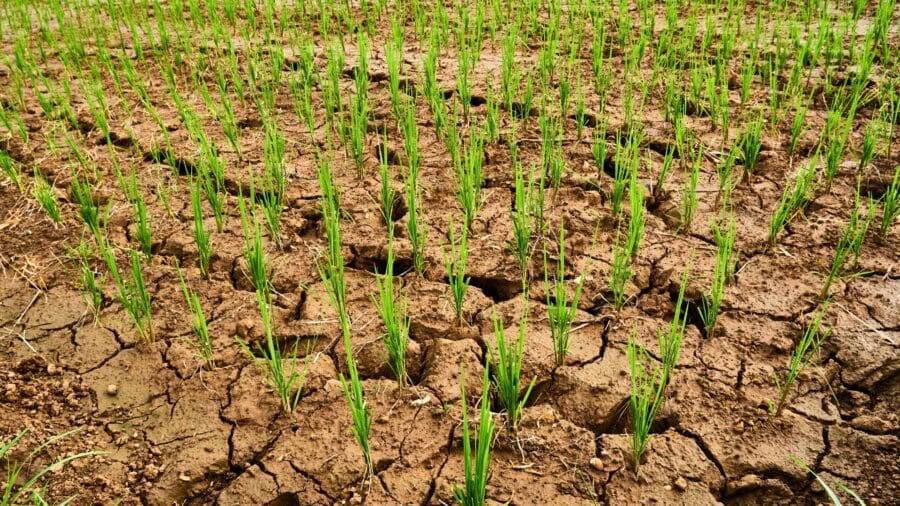
A summer of drought has pushed the autumn harvest forward by two weeks, disrupting supply chains and causing unpredictable availability of fresh produce (The Guardian). This shift is forcing retailers like Waitrose to warn customers about unexpected gaps on shelves.
While the immediate concern is availability, long-term weather unpredictability suggests that these supply shocks may become more common in the years ahead.
Mental Health Toll on Farmers
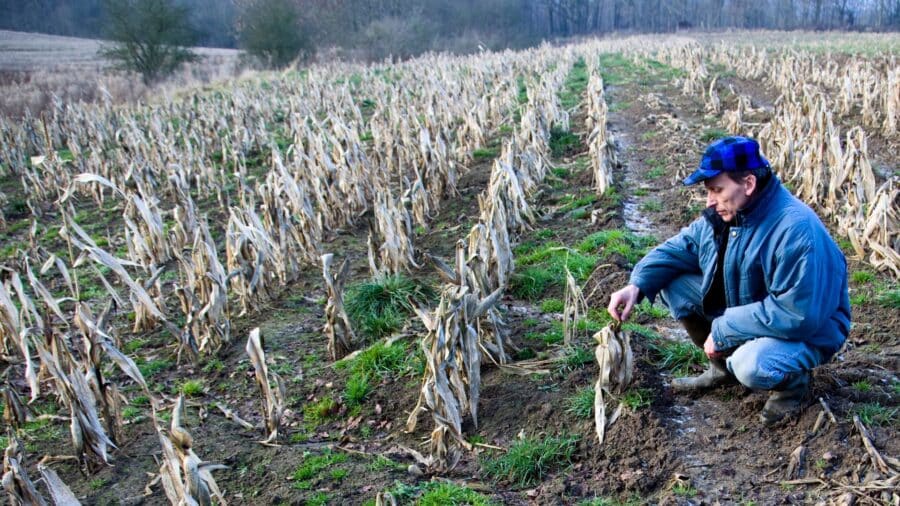
The crisis isn’t only financial. Surveys show a majority of farmers are struggling with anxiety and depression linked to climate uncertainty and economic pressures.
Many say the stress of unpredictable harvests and rising costs is taking a toll on their families and long-term well-being. Without more mental health support, experts warn that the farming community could face a generational decline in new farmers entering the industry.
The Global Context
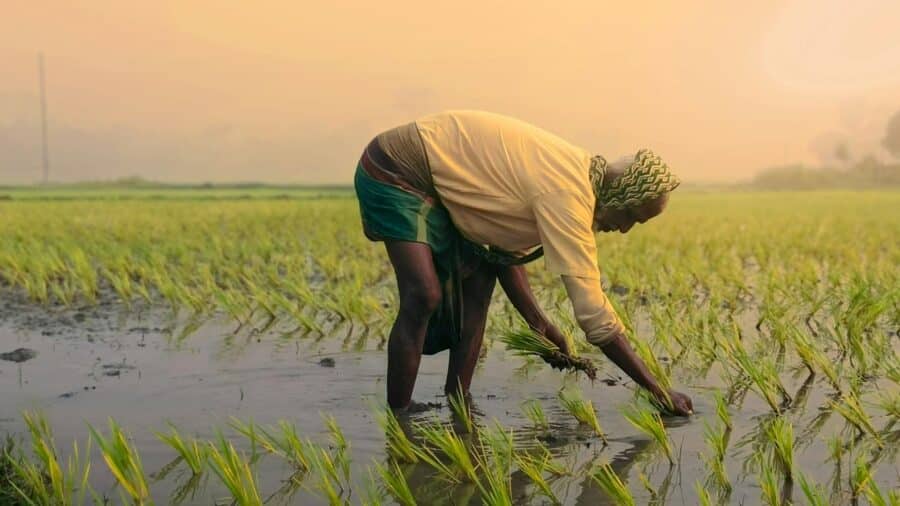
The UK’s food insecurity is part of a wider global issue. Crops around the world are being destroyed by extreme weather, tightening international supply, and driving up prices.
This global strain means that importing food is no longer a reliable safety net, leaving countries like the UK more exposed to inflation. It also raises urgent questions about how nations can build resilient, climate-ready food systems.
Food Inflation Climbing Faster Than Predicted
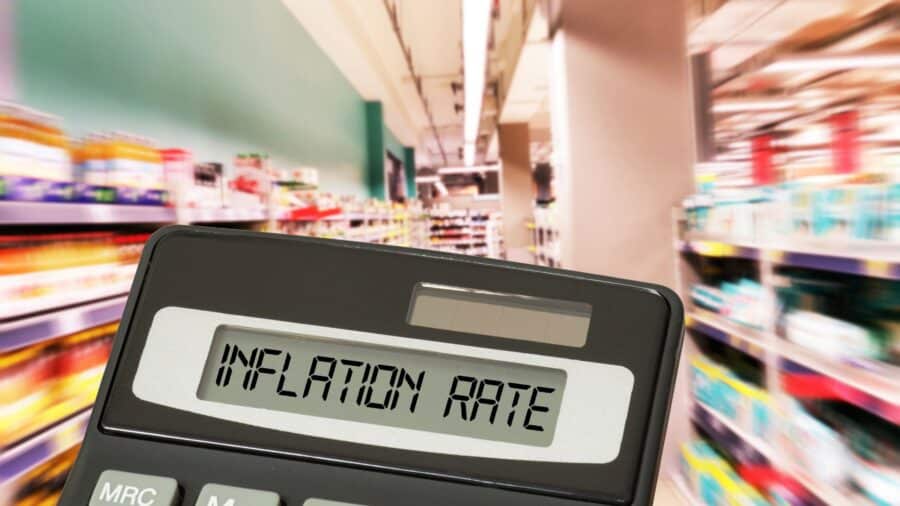
Food inflation in the UK is climbing at a pace that even experts underestimated. The Food and Drink Federation recently revised its forecast, raising inflation expectations by almost a full percentage point.
By December, UK food inflation may peak near 6% (Bloomberg), hitting households especially hard as wages struggle to keep up. Families on low or fixed incomes are expected to feel the sharpest squeeze, with many forced to cut back on essentials.
Calls From Farmers for Government Action
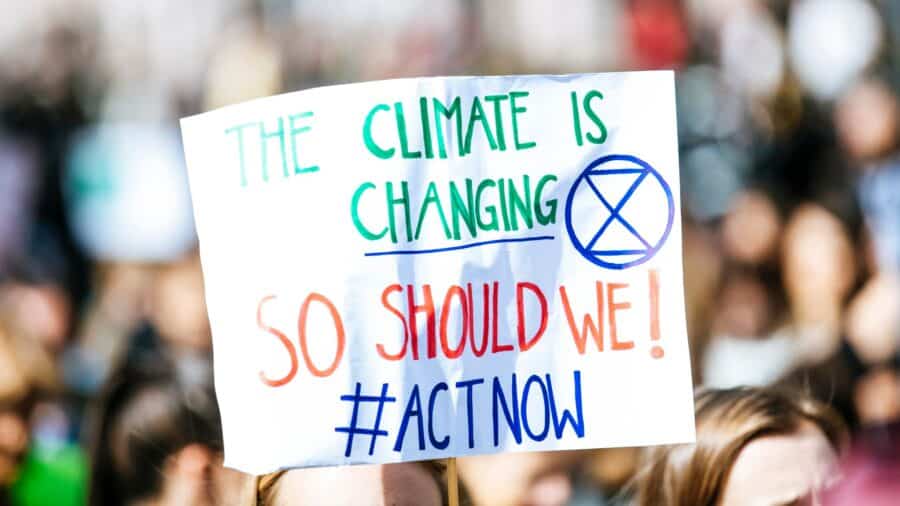
Farmers’ unions and advocacy groups are urging the government to step in with stronger support. They argue that without new subsidies, insurance, or regulatory relief, many family farms will not survive this crisis.
The National Farmers’ Union is also calling for long-term investment in sustainable agriculture and climate adaptation strategies. Without this, they warn, the UK could lose both its food security and its farming heritage.
The Government’s Response So Far
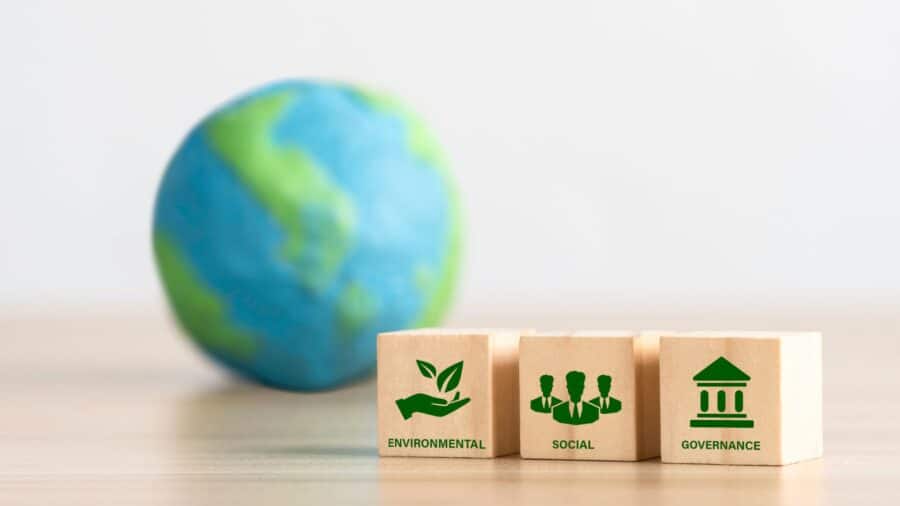
The UK government has announced measures to help farmers manage the impact of dry weather, including support programs and resources for water management (Gov.uk). Ministers also point to the Environmental Improvement Plan as evidence of a commitment to long-term sustainability. However, critics argue that the response is reactive and piecemeal, falling short of the bold changes needed to safeguard food systems in the face of climate change.
Why Restoration of Nature Is Key
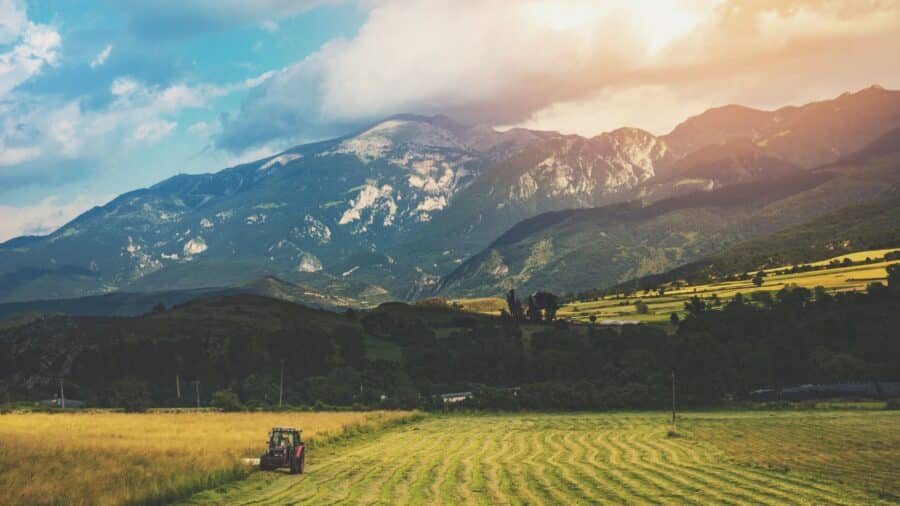
Environmental experts stress that restoring ecosystems could be a game-changer for farming resilience. Healthy soils, restored wetlands, and thriving biodiversity all help buffer crops against droughts and floods (Durham Wildlife Trust).
Investing in nature-based solutions could reduce farmers’ reliance on costly interventions while also benefiting local communities. In this sense, food security and environmental restoration are deeply connected issues that cannot be tackled separately.
A Nation at a Crossroads
The warnings from supermarkets and farmers alike point to a food system under stress, but also to an opportunity for change. Rising food inflation and disrupted harvests are not isolated problems—they reflect deeper vulnerabilities in how the UK grows, imports, and protects its food. If policymakers, farmers, and communities act together, this moment could become a turning point toward resilience. But if ignored, it risks cementing a cycle of

