Ultra-Processed Foods Are This Generation’s “New Cigarettes”, Research Confirms
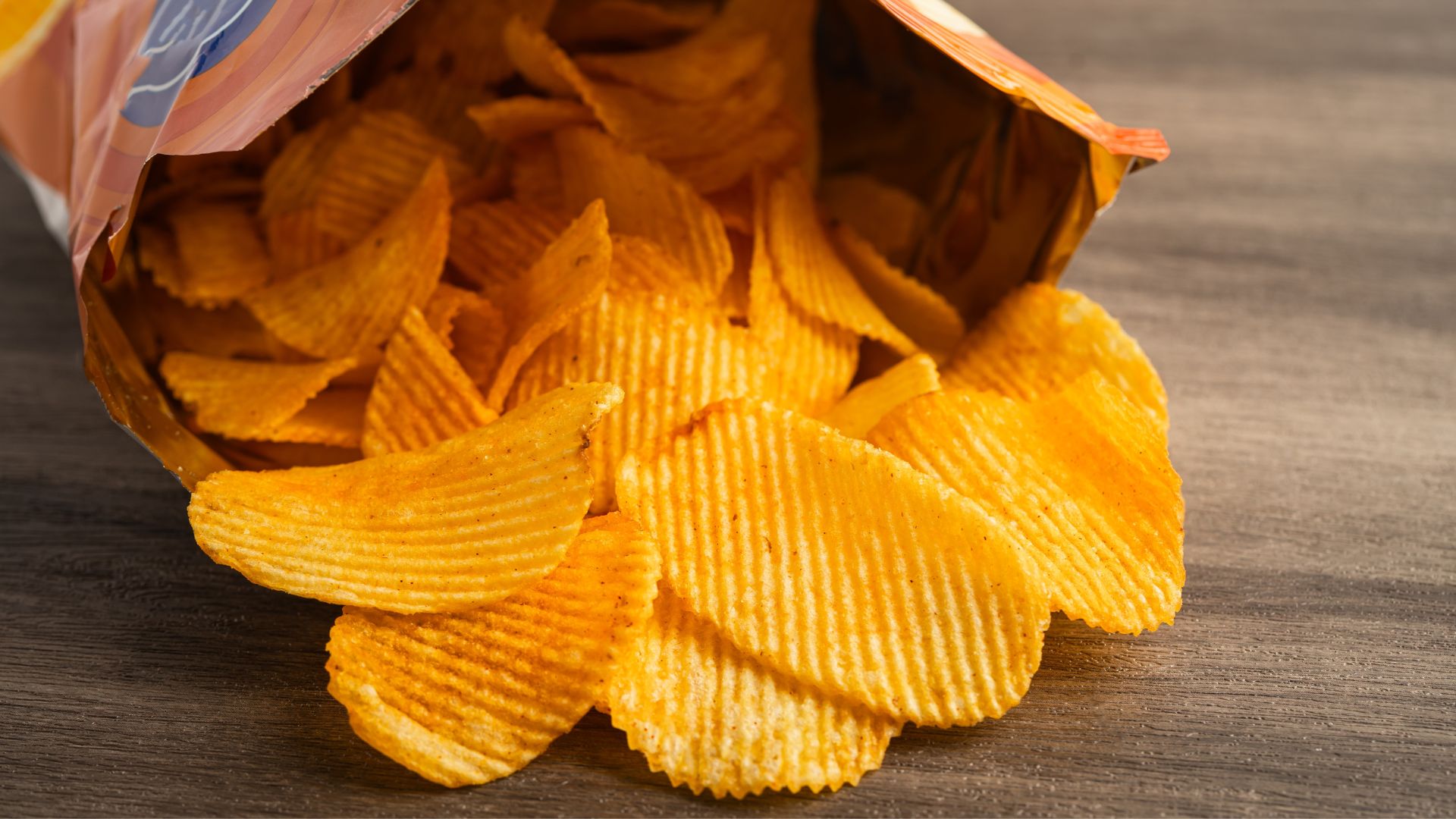

A new paper published in the journal Milbank Quarterly is drawing a direct comparison between ultra-processed foods and cigarettes. A team from Harvard, Duke, and the University of Michigan argues that both products are built the same way: engineered not just for consumption, but for habitual overuse. The paper is now prompting researchers to ask whether regulation should follow.
How Researchers Built the Case for the Comparison
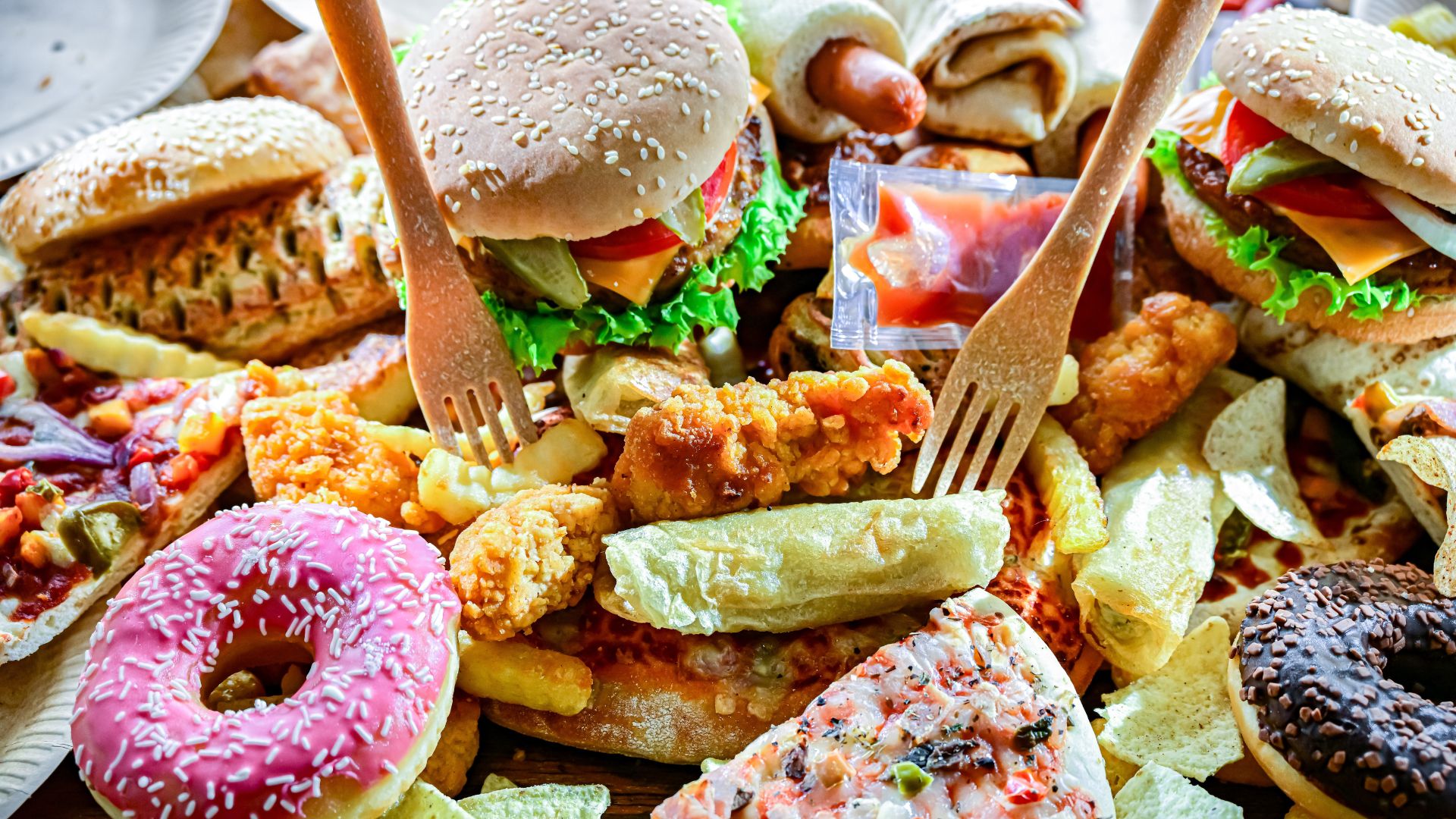
To build their case, the researchers synthesized findings from addiction science, nutrition, epidemiology, and public health history. They examined how cigarettes were engineered for maximum nicotine delivery, then mapped five key areas of overlap with ultra-processed foods: how both products are dosed, how fast they deliver reward, how they are formulated for maximum appeal, how accessible they are, and how their health risks are obscured through marketing.
Why These Foods Are Built to Keep You Coming Back

The researchers describe cigarettes and ultra-processed foods as “highly engineered delivery systems designed specifically to maximize biological and psychological reinforcement and habitual overuse.” Ultra-processed foods, they note, are carefully formulated, delivering precise ratios of sugar, fat, and carbohydrates. That combination, they add, is “almost nonexistent in nature” and among the most potently rewarding substances in the modern diet.
Sugar and Fat Trigger Dopamine Much Like Nicotine Does

The paper explains that refined carbohydrates stimulate dopamine release through the vagus nerve, while fats do so through intestinal lipid sensing. This rapid delivery of feel-good chemicals gives ultra-processed foods an addictive potential, the researchers say, that mirrors cigarettes. Just as cigarettes are engineered to deliver nicotine within seconds, ultra-processed foods are engineered for rapid digestion by stripping out fiber, accelerating how quickly the body processes sugar and fat.
Sensory Design Keeps You Reaching for One More

The paper offers insight into why stopping at one chip is so difficult. Researchers point to intentional flavor bursts that fade quickly and textures that dissolve in the mouth, both of which prompt another dopamine hit and encourage continued eating. This sensory engineering, they argue, is deliberate, not incidental, and parallels how cigarette manufacturers fine-tuned nicotine delivery to keep smokers coming back.
“Health-Washing” Labels Mirror Old Tobacco Marketing Tactics

The researchers draw a direct line between cigarettes marketed as “light” and ultra-processed foods labeled “low-fat” or “sugar-free.” They call this strategy health-washing, a deliberate effort to shape public perception while the underlying product remains engineered for overuse. Combined with the constant availability of these foods, the researchers argue, these tactics “hijack human biology” and erode individual agency, outcomes the researchers link directly to rising disease and healthcare costs.
Not All Ultra-Processed Foods Carry the Same Risk

The researchers are careful to note that ultra-processed foods exist on a spectrum. Risk varies depending on ingredients and degree of processing, and they acknowledge that food, unlike tobacco, is essential to life. Certain ultra-processed products, however, they argue, function less like traditional foods and more like highly optimized consumables, a distinction they say current policy has yet to reflect.
Tobacco Regulation Offers a Blueprint, Researchers Say

The paper points to tobacco control as proof that regulation works. The researchers note it is easy to forget how deeply cigarettes were once embedded in American life, marketed as symbols of modernity, embedded in social rituals, and celebrated as an economic boon. Decades of regulation changed that, driving smoking rates down and reshaping cultural attitudes. They argue the same shift is achievable for ultra-processed foods if policymakers treat the issue with equal seriousness.
Proposed Policies Range from Taxes to Advertising Restrictions

The research team outlines several potential steps, including litigation over misleading health claims, advertising restrictions, taxes on nutrient-poor products, and significantly reducing their presence in schools and hospitals. They also call for clearer labeling. Crucially, they argue that asking companies to voluntarily change their practices will not be enough, and that structural policy is the most effective path forward.
The Researchers Say the Alternative Already Exists

Unlike the tobacco crisis, the researchers argue, this one comes with a ready-made solution. “Minimally and traditionally processed foods that have sustained human health for millennia,” they write, already exist as an alternative. Policies that confront ultra-processed foods with the same seriousness once applied to tobacco, while actively promoting real food, offer what they call “the most promising path out of the current crisis.”