US Grocery Prices Saw Their Sharpest Rise in 50 Years, and They’re Still Not Coming Down

If you’ve noticed that inflation headlines keep talking about improvement while your grocery bill stays stubbornly high, there’s actually a name for what you’re experiencing. Economists call it the rockets and feathers effect. Prices rocket upward quickly when costs rise, then drift back down slowly and gently, like a feather, if they come down at all. It’s not a new phenomenon, but it explains a lot about why grocery shopping still feels painful even as broader inflation numbers have calmed considerably since their peak. Understanding why prices behave this way can help you make sense of your receipt, and figure out where you actually have room to save.
This article was created with the assistance of AI and reviewed by our editorial team for accuracy and clarity.
Why Prices Shoot Up So Much Faster Than They Fall
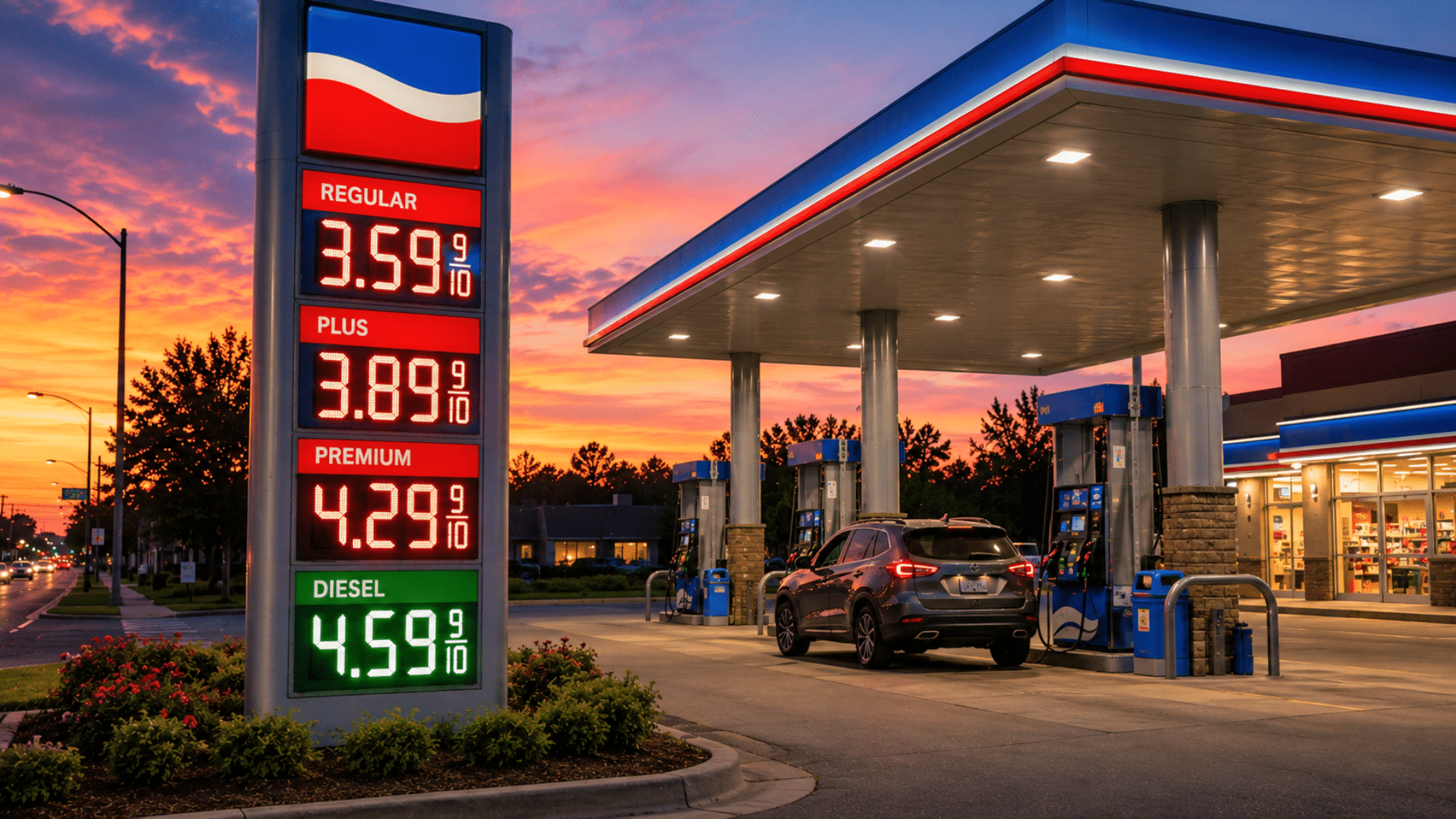
The rockets and feathers pattern isn’t unique to groceries. Economists have observed the same behavior for decades in markets like gasoline, where prices at the pump tend to spike almost immediately after a disruption but decline gradually over weeks once conditions improve. The same asymmetry shows up in food pricing. When supply chains get disrupted or costs rise, retailers pass those increases along to shoppers quickly to protect their margins. But once wholesale costs ease, there’s far less urgency to lower shelf prices right away. That mismatch between how fast prices rise and how slowly they fall is exactly what shoppers have been living through at the grocery store.
Just How Steep the Original Price Jump Really Was
To understand why the feather side of this pattern has felt so frustrating, it helps to look at how dramatic the initial rocket really was. Food price inflation peaked in 2022, when grocery costs jumped 11.4 percent in a single year, marking the sharpest increase in grocery prices the country had experienced in 50 years. That kind of spike doesn’t simply reset once inflation cools elsewhere in the economy. Prices that jumped that sharply during the pandemic era largely stayed at their new, higher levels, meaning today’s grocery costs are still measured against that dramatically inflated baseline rather than pre pandemic pricing.
Why Retailers Are Slow to Lower Prices Once They Rise
Part of the explanation comes down to simple business caution. Matt Hamory, who leads the global grocery practice at the consulting firm AlixPartners, explained that for prices to actually go down, you need genuine deflation, which he noted is historically rare. Retailers are also often reluctant to cut prices on inventory they already purchased at higher wholesale costs, according to Jared Bernstein, a senior policy fellow who has studied these pricing patterns. Bernstein described the issue as a lack of competitive pressure once prices have already climbed, since every store in a market tends to be facing the same elevated costs at the same time.
When Grocery Inflation Has No Quick Fix
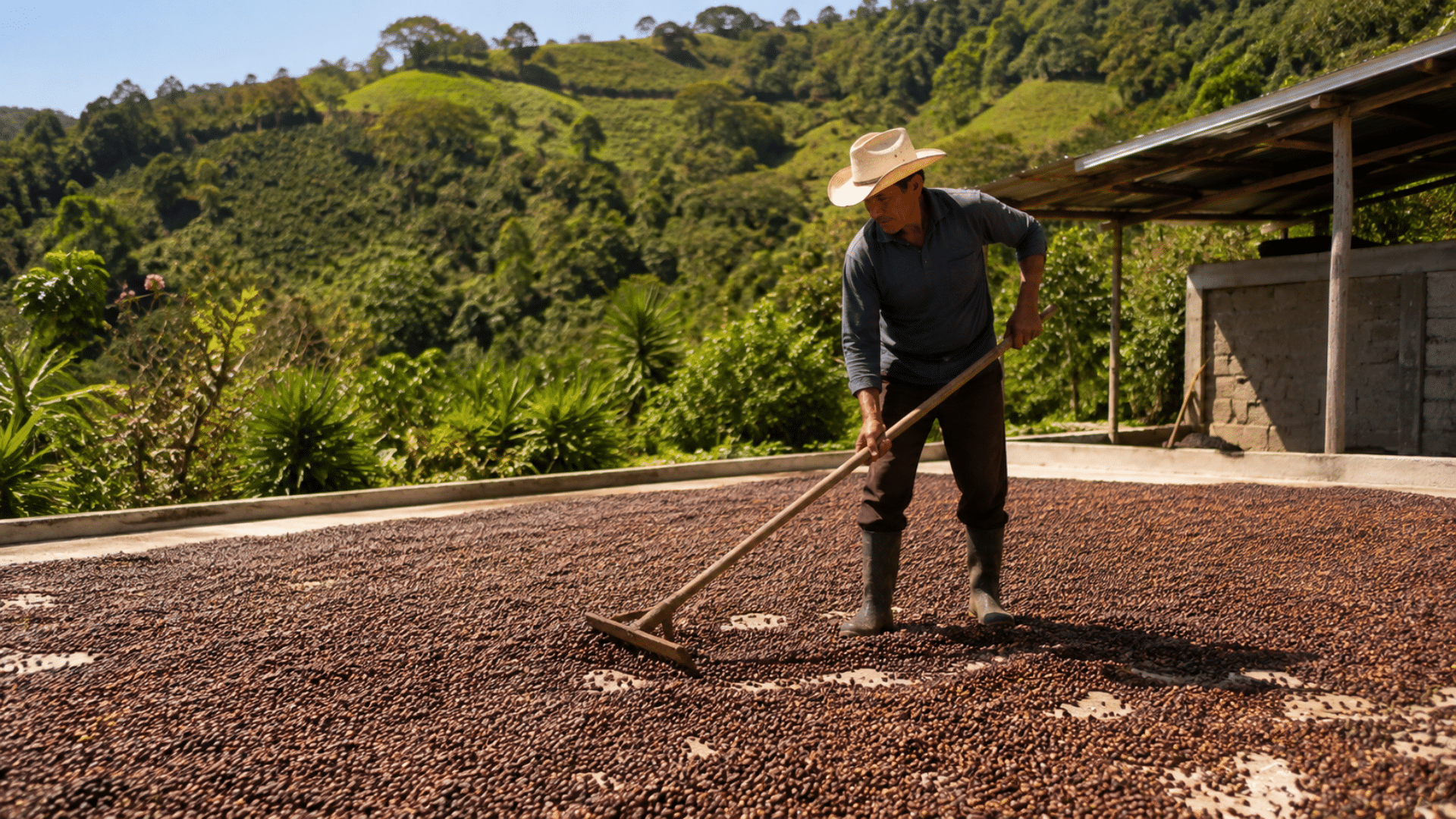
Some grocery price increases stem from problems that simply don’t resolve quickly, no matter what happens with broader inflation. Coffee is a clear example. Average coffee prices in U.S. cities have climbed 54 percent since 2019, driven largely by climate related disruptions overseas. Drought conditions in Vietnam, unusually heavy rain in Indonesia, and hot, dry weather in Brazil have all reduced coffee yields in major growing regions, driving global prices higher. Since these are agricultural supply issues playing out on the other side of the world, there’s no simple domestic policy fix available, and prices are likely to stay elevated until growing conditions in those regions genuinely improve.
How Tariffs Have Added Another Layer to Grocery Costs
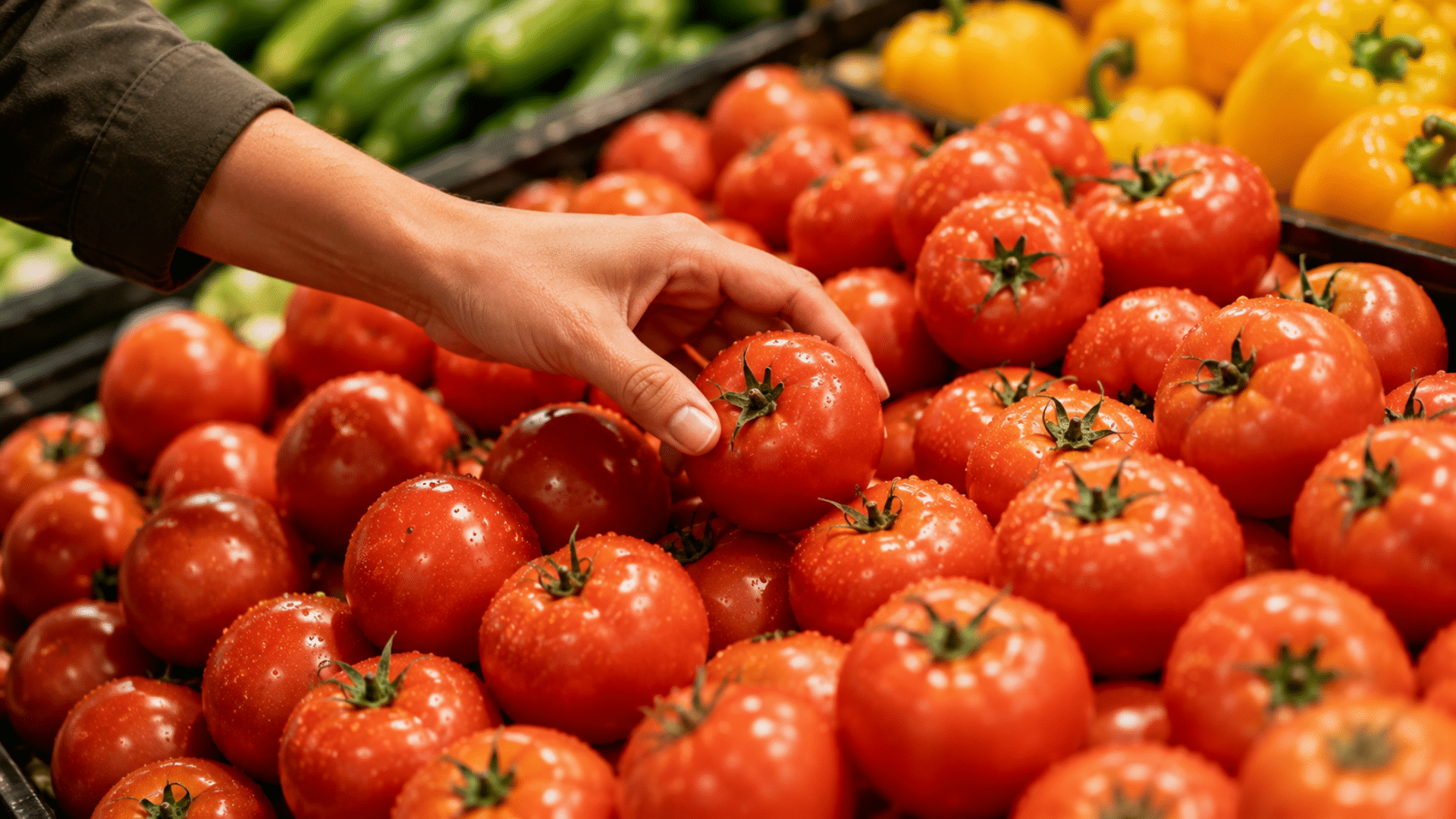
Beyond climate driven price pressure, trade policy has also played a direct role in what shoppers pay. U.S. consumers paid 19.5 percent more for fresh tomatoes in June compared to a year earlier, largely because of a 17 percent import tax the Trump administration placed on fresh tomatoes coming from Mexico. Coffee faced a similar tariff for most of 2025 before that particular duty was eventually removed, offering a small window into how quickly prices could ease if certain trade costs were lifted. Unlike weather driven agricultural problems, tariff related price increases are at least theoretically reversible through policy changes, even if that reversal doesn’t happen quickly in practice.
A Recent Global Event Made Things Worse Again
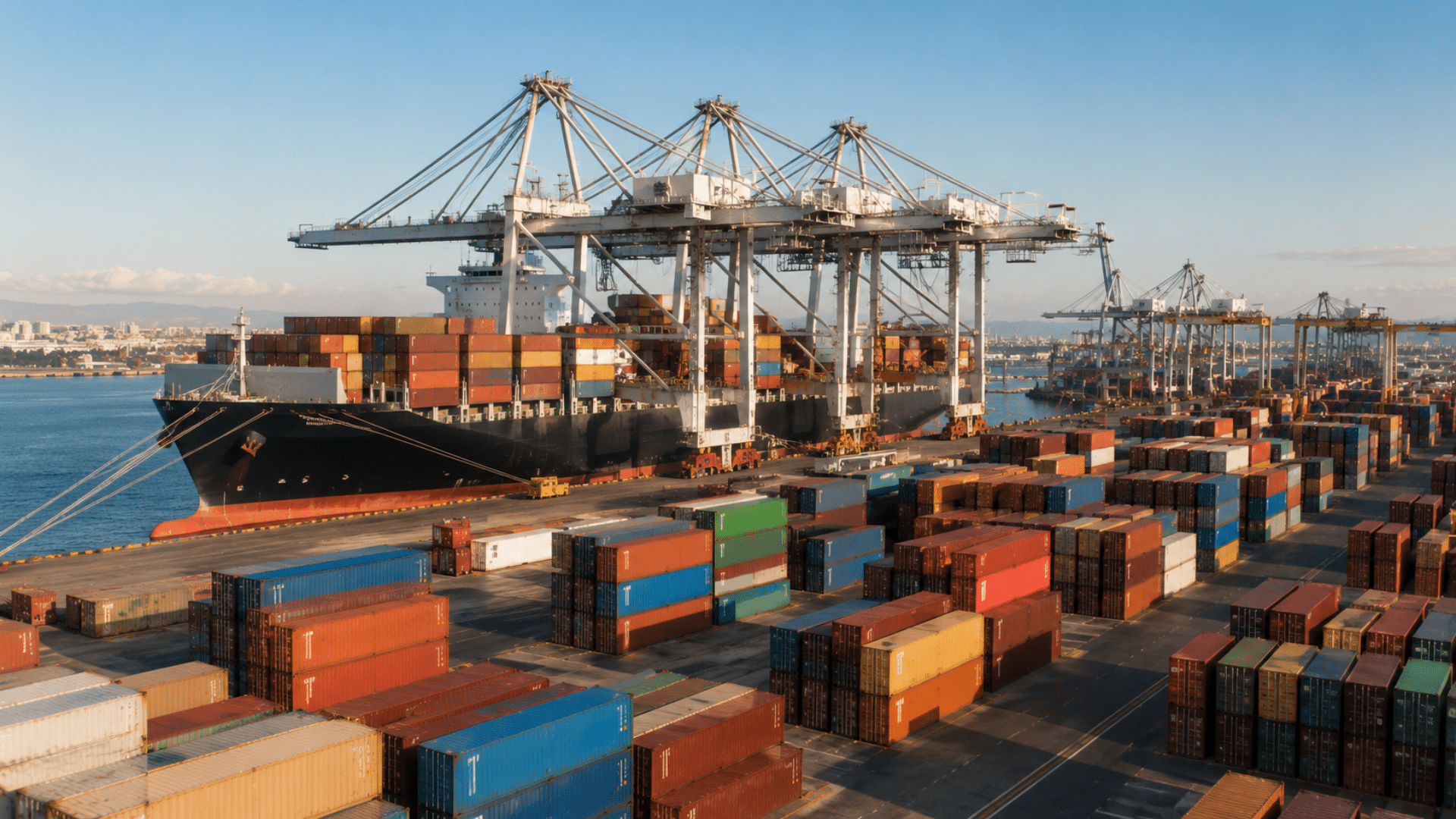
Just as grocery inflation appeared to be stabilizing somewhat, a geopolitical event added fresh pressure. Overall grocery inflation has landed higher than what shoppers experienced in 2024 and 2025, though it remains close to the historical average of around 2.6 percent annually. That’s a useful reminder that grocery pricing doesn’t move in a straight line. It responds to a constantly shifting mix of domestic policy, global supply chains, and international events that can reignite pressure even after things start to calm down.
How Shoppers Are Actually Responding to the Squeeze
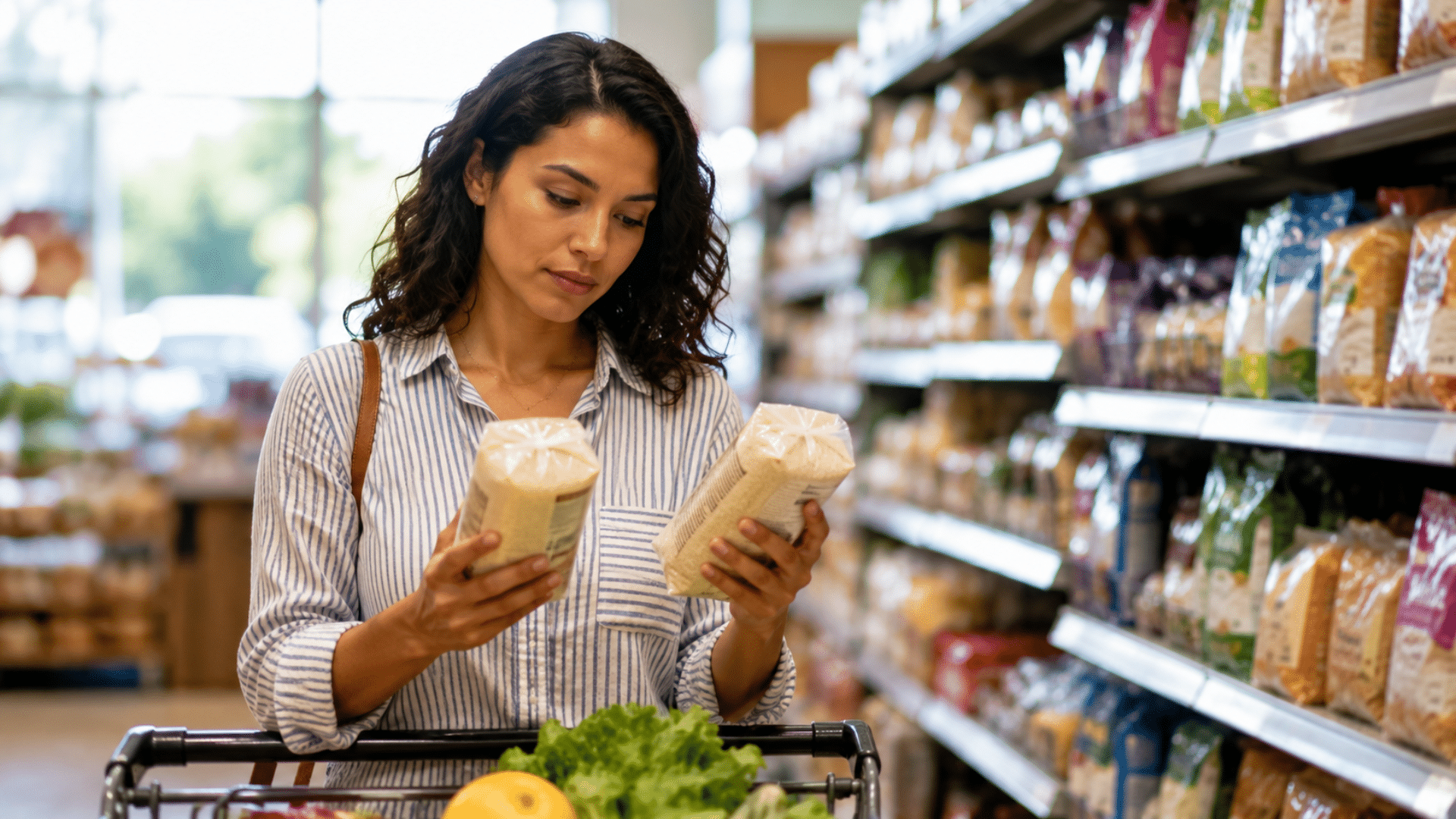
Faced with persistently high prices, many Americans have quietly changed their shopping habits. A study by consulting firm Bain and Company along with market research company NielsenIQ found that the total number of items purchased at U.S. grocery stores declined in the second half of last year, then dropped even more sharply starting in February. Researchers pointed to a combination of factors driving that pullback, including elevated gas prices, rising use of GLP-1 weight loss medications reducing how much people eat, and cuts to government food assistance programs. Shoppers have also become noticeably more deal focused, actively searching out promotions and comparing prices rather than buying on autopilot.
Discount Retailers Are Winning as a Result
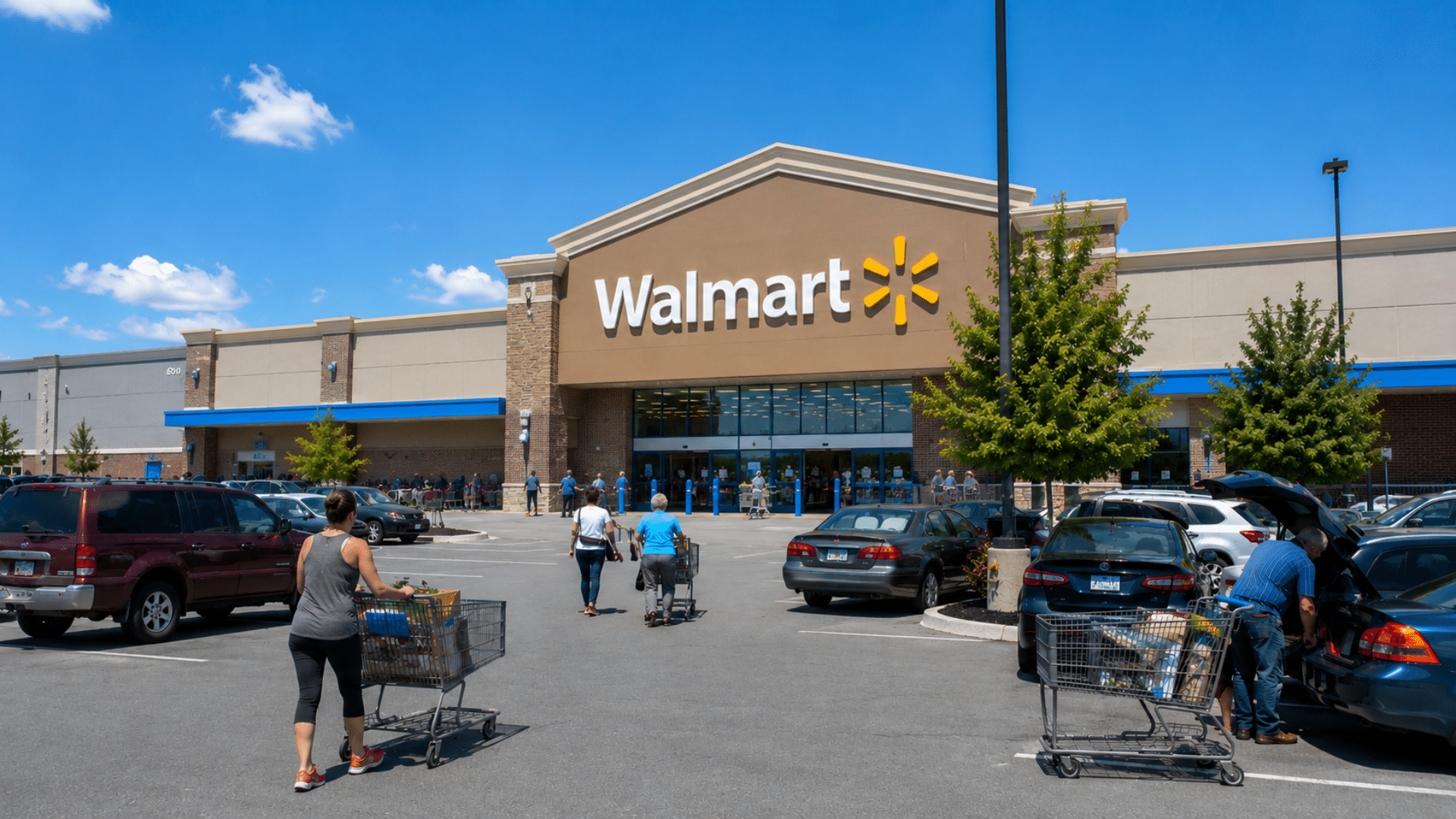
This shift in shopping behavior has visibly reshaped where Americans choose to buy their groceries. In the second quarter of this year, discount focused retailers including Costco, Walmart, and Aldi gained market share at the direct expense of traditional grocery chains like Kroger and Albertsons. That trend reflects a broader pattern playing out across the industry, where price sensitive shoppers are increasingly willing to change where they shop entirely rather than simply cutting back on what they buy. For retailers, that shift creates real competitive pressure to invest in lower prices, since losing market share to discount competitors has become a much more immediate business risk than it once was.
Is There Finally Relief on the Way

There are some early signs that the feather may finally be starting to drift downward. Hamory suggested that grocery prices could begin easing as large retailers respond to competitive pressure by investing more heavily in price cuts, particularly as discount chains continue pulling shoppers away from traditional grocers. That doesn’t mean grocery bills will suddenly drop back to pre pandemic levels, since many of the underlying cost pressures, from climate driven agricultural disruptions to tariffs, remain firmly in place. But it does suggest that the years long gap between falling inflation numbers and stubbornly high grocery bills may finally start to narrow, even if it happens gradually rather than all at once.