Top 10 US States Where Fast Food Is Hardest to Afford Right Now
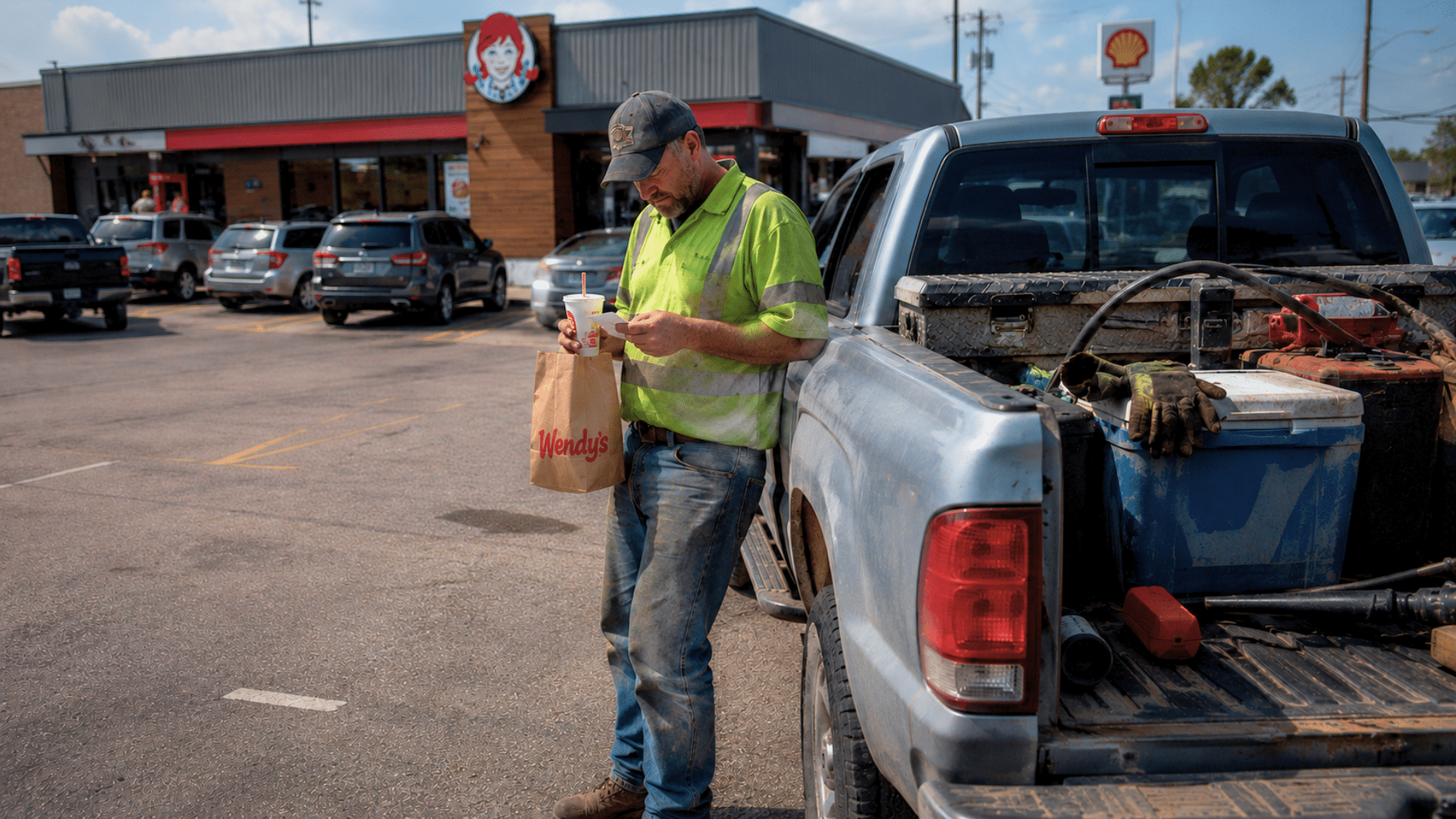

Most Americans still picture drive-thru windows as budget shields against steep restaurant bills. That comforting expectation has quietly dissolved under modern economic pressure. Fast-food menu prices skyrocketed 60 percent over the past decade, soaring at roughly double the rate of national inflation. A quick meal now demands serious financial sacrifice for working families. Where are these skyrocketing menu prices taking the largest bite out of local paychecks?
This article was created with the assistance of AI and reviewed by our editorial team for accuracy and clarity.
Mississippi Wage Earners Face Unmatched Fast Food Strain
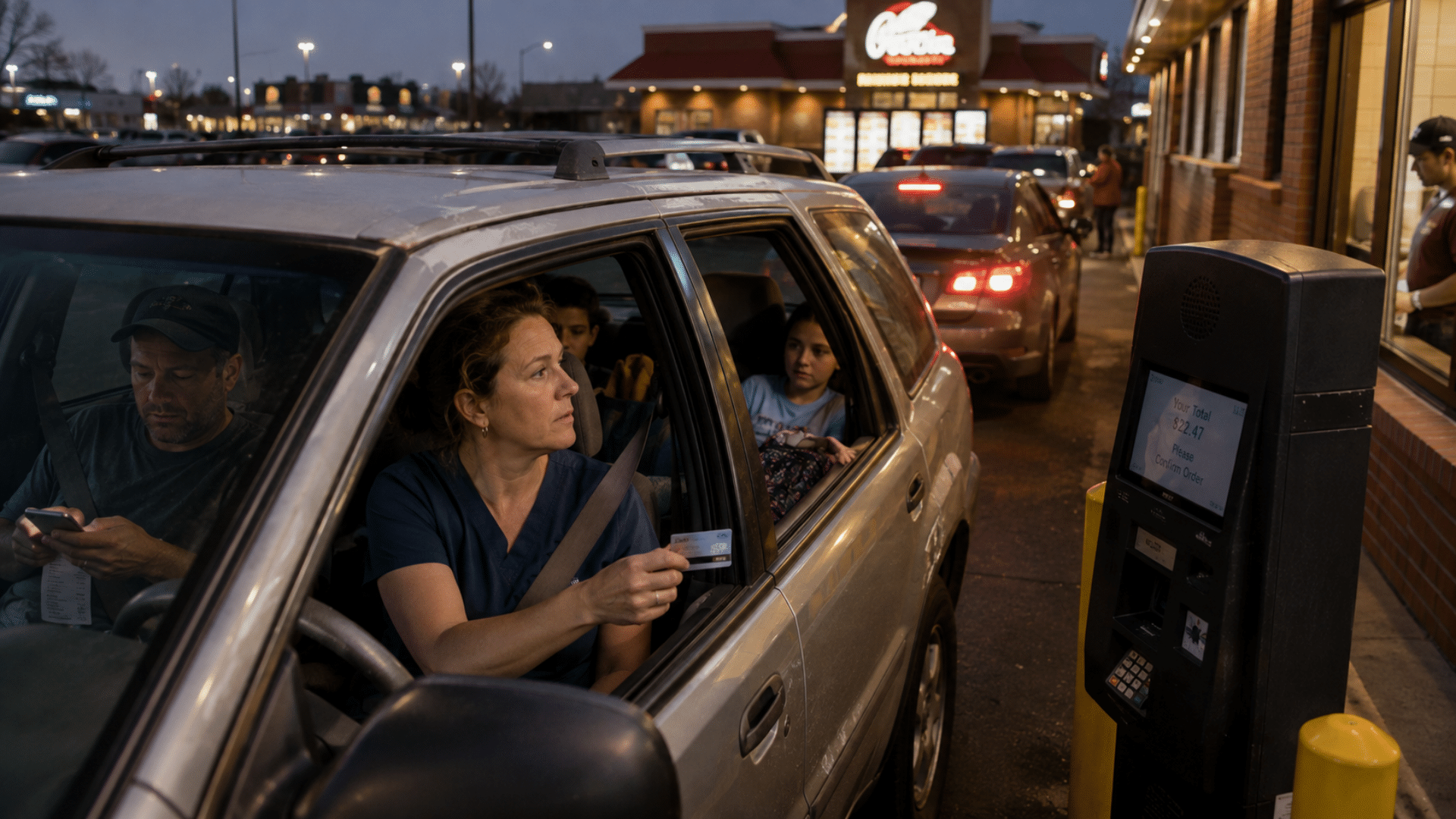
Mississippi ranks as the absolute hardest place in America to afford quick meals. Buying a basic burger, small pizza, and chicken sandwich eats up 0.48 percent of a household’s monthly earnings. Surprisingly, local menu prices inside the state are actually quite low. The crisis stems from Mississippi having the nation’s lowest median household income at $56,447 per year. Small earnings turn cheap meals into heavy burdens.
Low Incomes Keep Arkansas Drive-Thrus Out of Reach
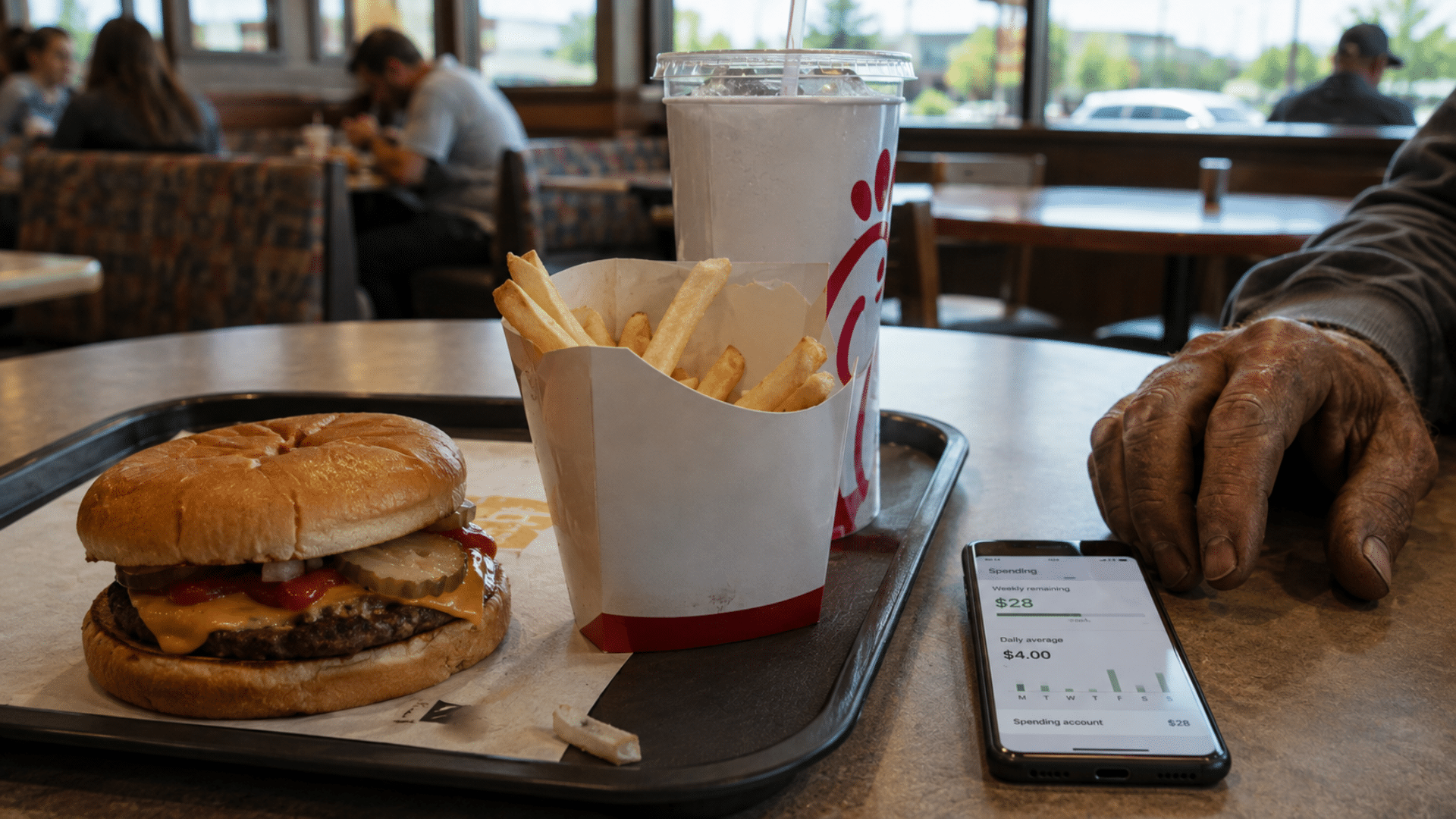
Lower menu prices fail to save working families when local paychecks remain exceptionally small. Arkansas ranks second nationwide, with three staple fast-food items swallowing 0.44 percent of a household’s monthly income. The state charges the fifth-highest burger prices in the country. Combined with the fourth-lowest median household earnings at $60,773, casual takeout runs quickly destroy weekly budgets. Other Southern states face similar financial drag.
Stagnant Earnings Drain Louisiana Paychecks at the Window

Louisiana places third on the national list as fast-food costs devour local wages. Ordering three basic items consumes 0.44 percent of a household’s monthly earnings. Restaurant chains in the state actually charge moderate menu prices overall, including cheap pizza options. Louisiana suffers from the third-lowest median household income nationwide at $60,756. Even reasonable prices strain small paychecks.
Southwestern Families Feel the Drive-Thru Price Squeeze
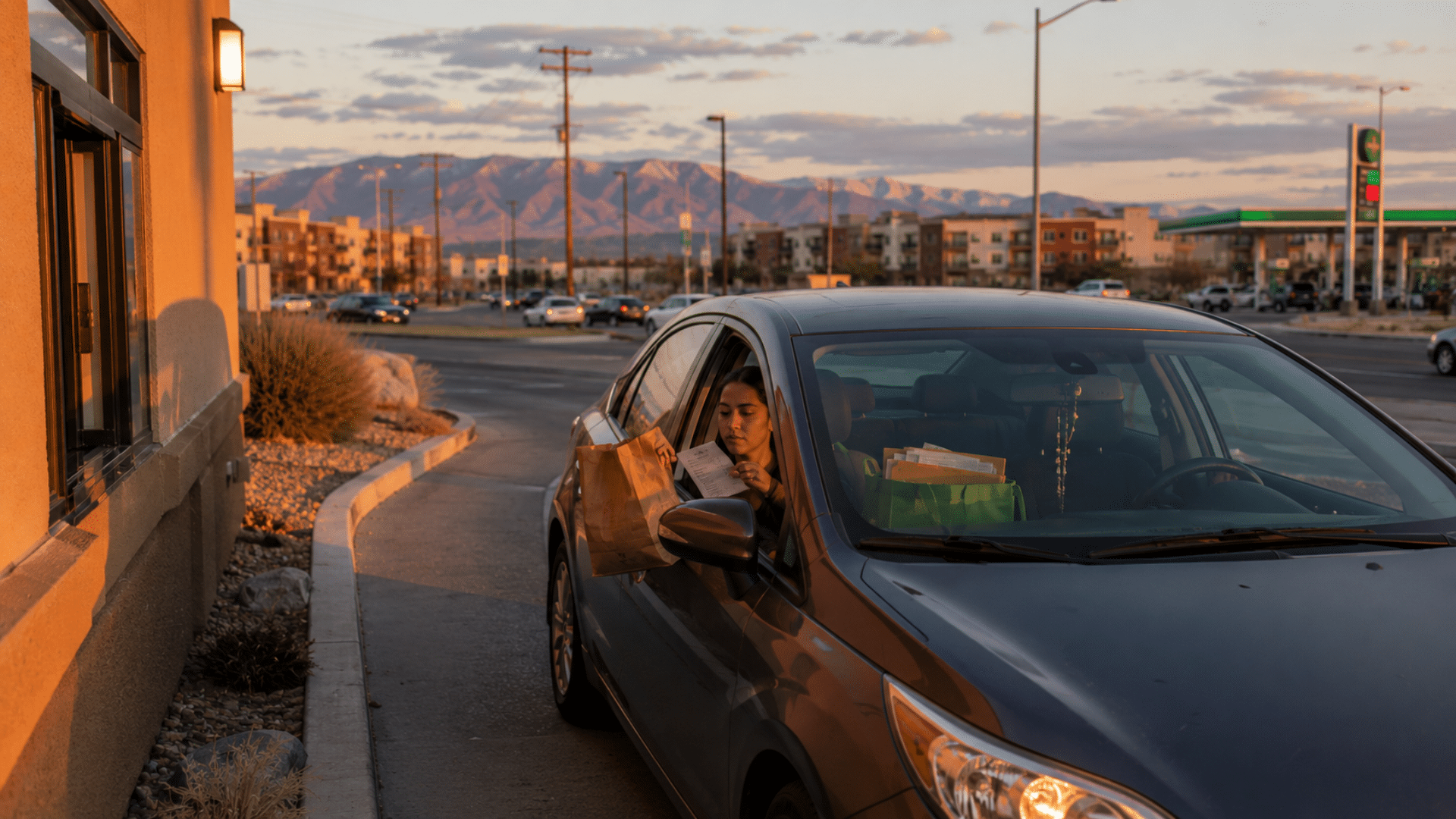
Western paychecks struggle under the weight of inflated fast-food receipts this year. New Mexico claims the fourth spot nationally, where standard fast-food orders take 0.44 percent of monthly earnings. Local workers must navigate higher general living expenses alongside rising combo prices. When quick dinners cost as much as home cooking, household budgets fracture rapidly.
West Virginia Incomes Fail to Keep Pace With Inflation
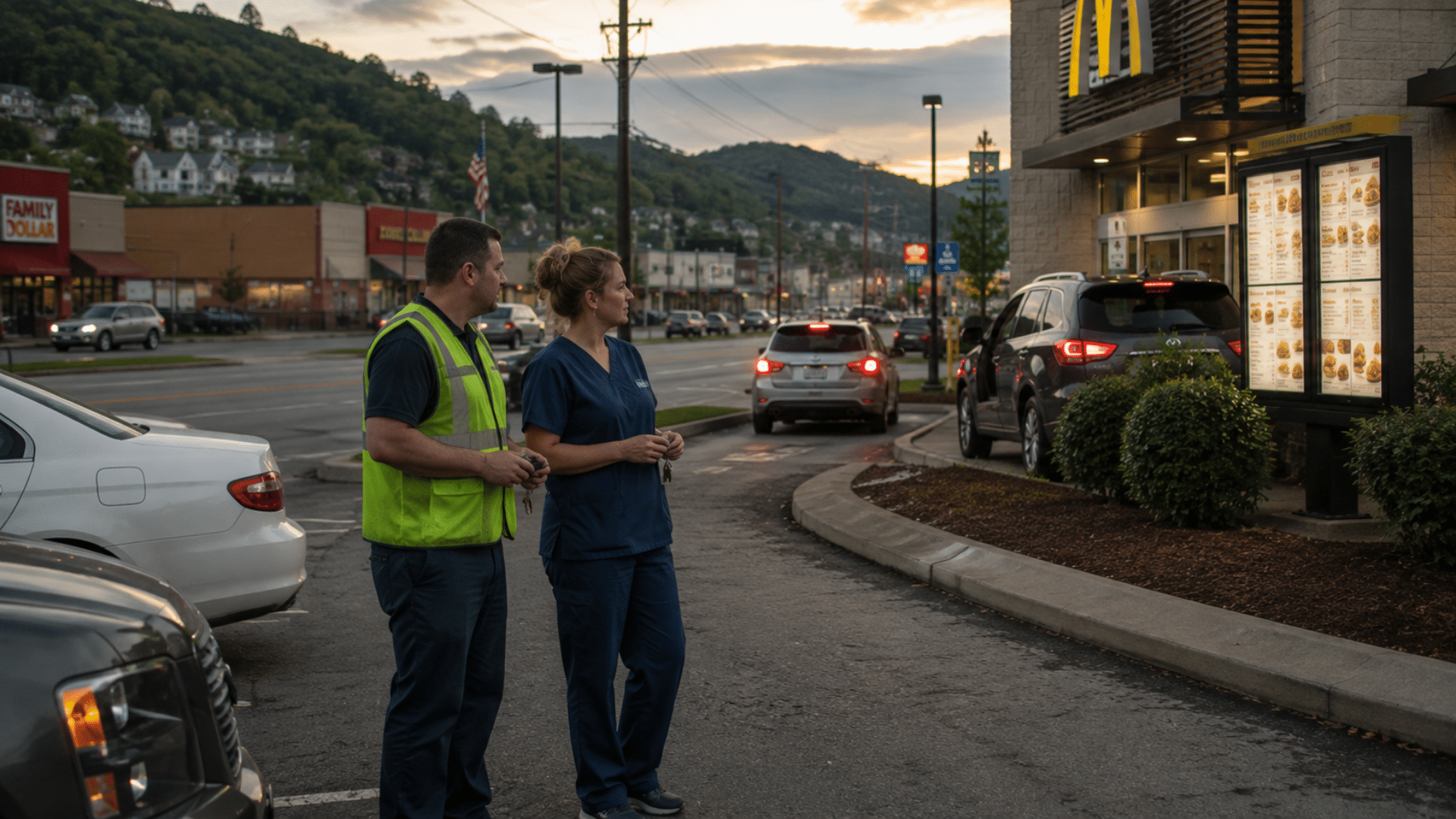
Body: West Virginia ranks fifth nationwide as quick meals swallow 0.44 percent of monthly household income. Wages across Appalachian communities simply failed to keep pace with relentless corporate price markups. Chip Lupo, an analyst at WalletHub, noted that “with fast food prices rising by an average of 60% over the past decade, it’s fair for consumers to wonder whether the convenience of having food in minutes is really even worth it anymore.”
Alabama Wage Earners Pay a Heavy Penalty for Speed
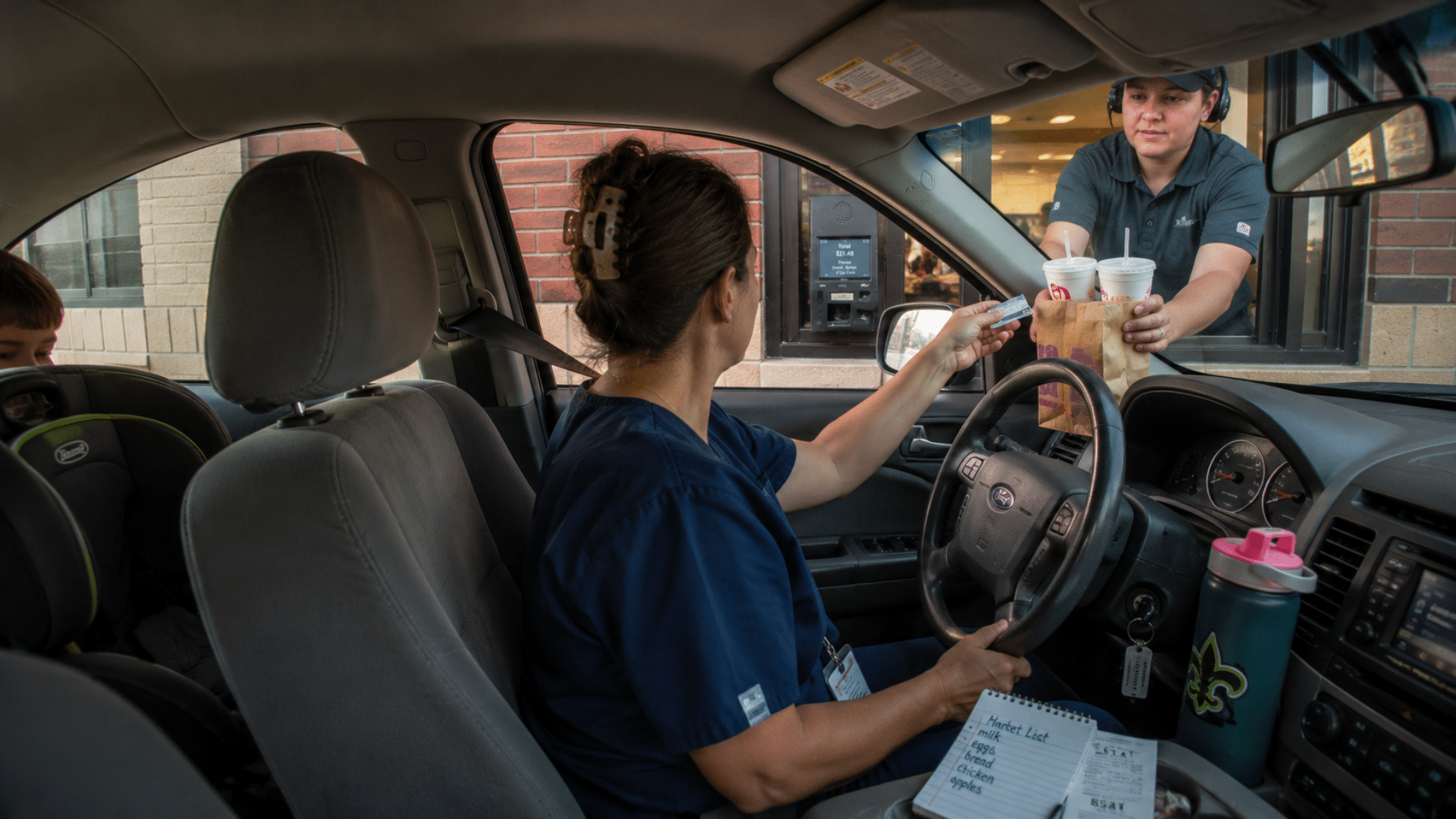
Alabama ties for sixth place, with three core menu items consuming 0.44 percent of monthly earnings. With an average monthly income of $5,333, a quick fast-food trip costs roughly $23.50. What once cost pocket change now routinely creeps into double digits. That rapid price growth forces local drivers to rethink their daily dining routines. Northern mountain states face similar wage gaps.
Montana Drivers Pay Top Dollar Across Mountain Highways
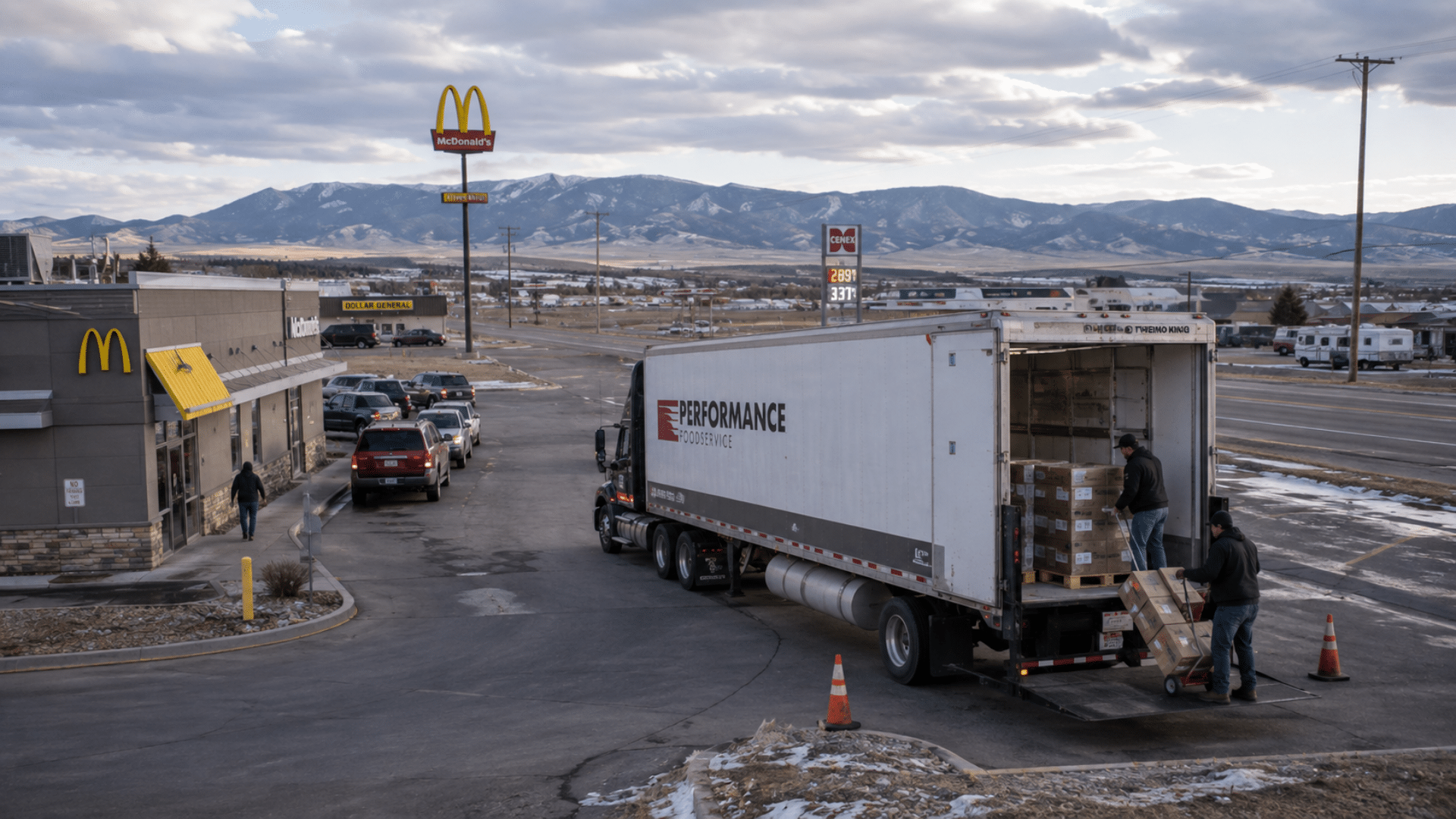
Montana ranks seventh nationwide, proving fast-food unaffordability is not strictly a Southern problem. Residents spend 0.43 percent of their monthly income on three basic menu items. Isolated mountain towns and long supply routes drive up local retail prices significantly. When high geographic shipping costs combine with modest paychecks, quick meals turn into real luxuries.
Kentucky Diners Suffer as Quick Bites Outpace Inflation
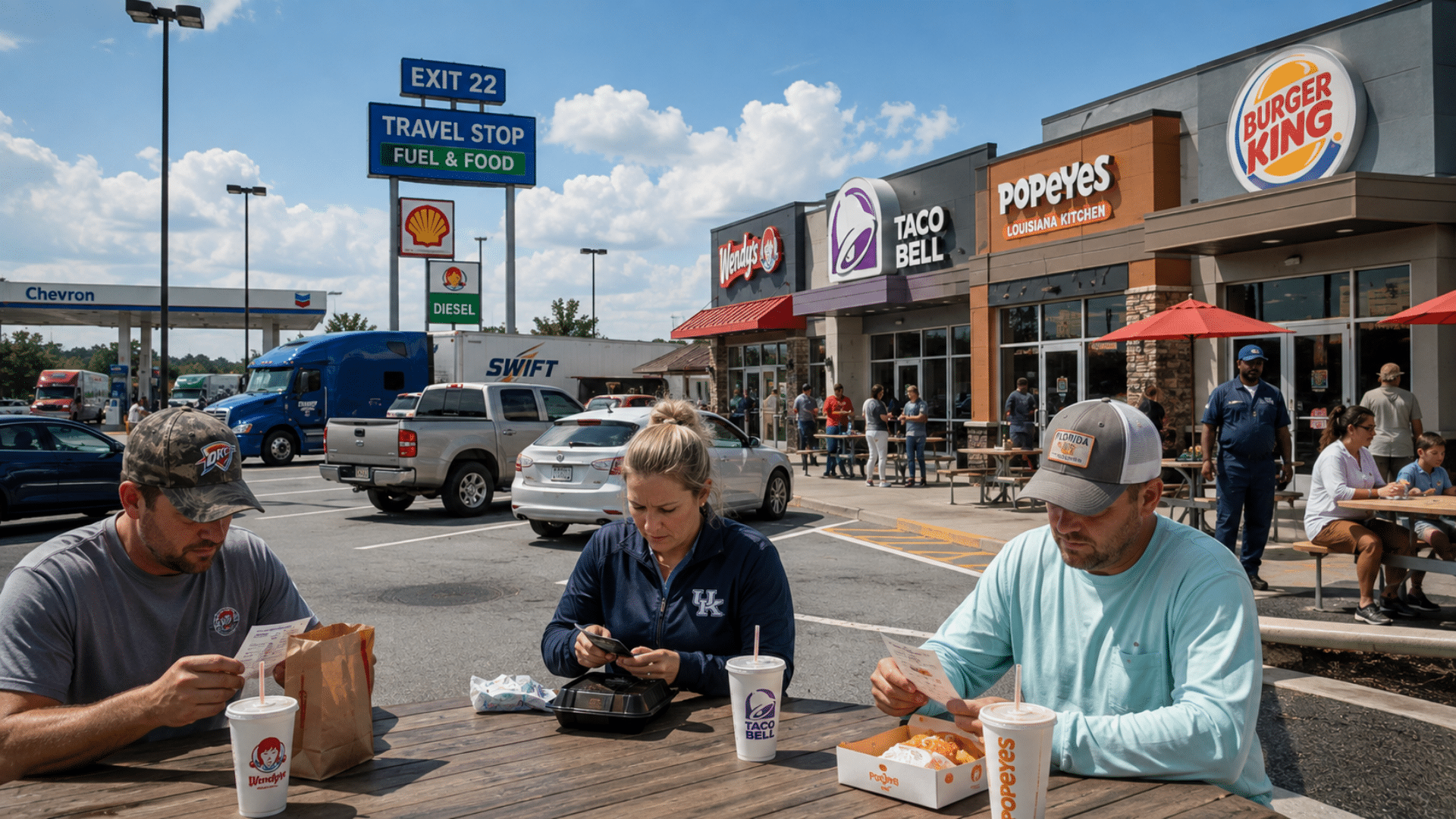
Kentucky captures the eighth spot, with standard fast-food purchases consuming 0.42 percent of monthly household income. Local wages fail to absorb the relentless markup stacked onto basic combo meals. Oklahoma and Florida round out the top ten most expensive states, taking up 0.41 percent and 0.40 percent of local earnings respectively.
Reclaiming Budgets From the Drive-Thru Window
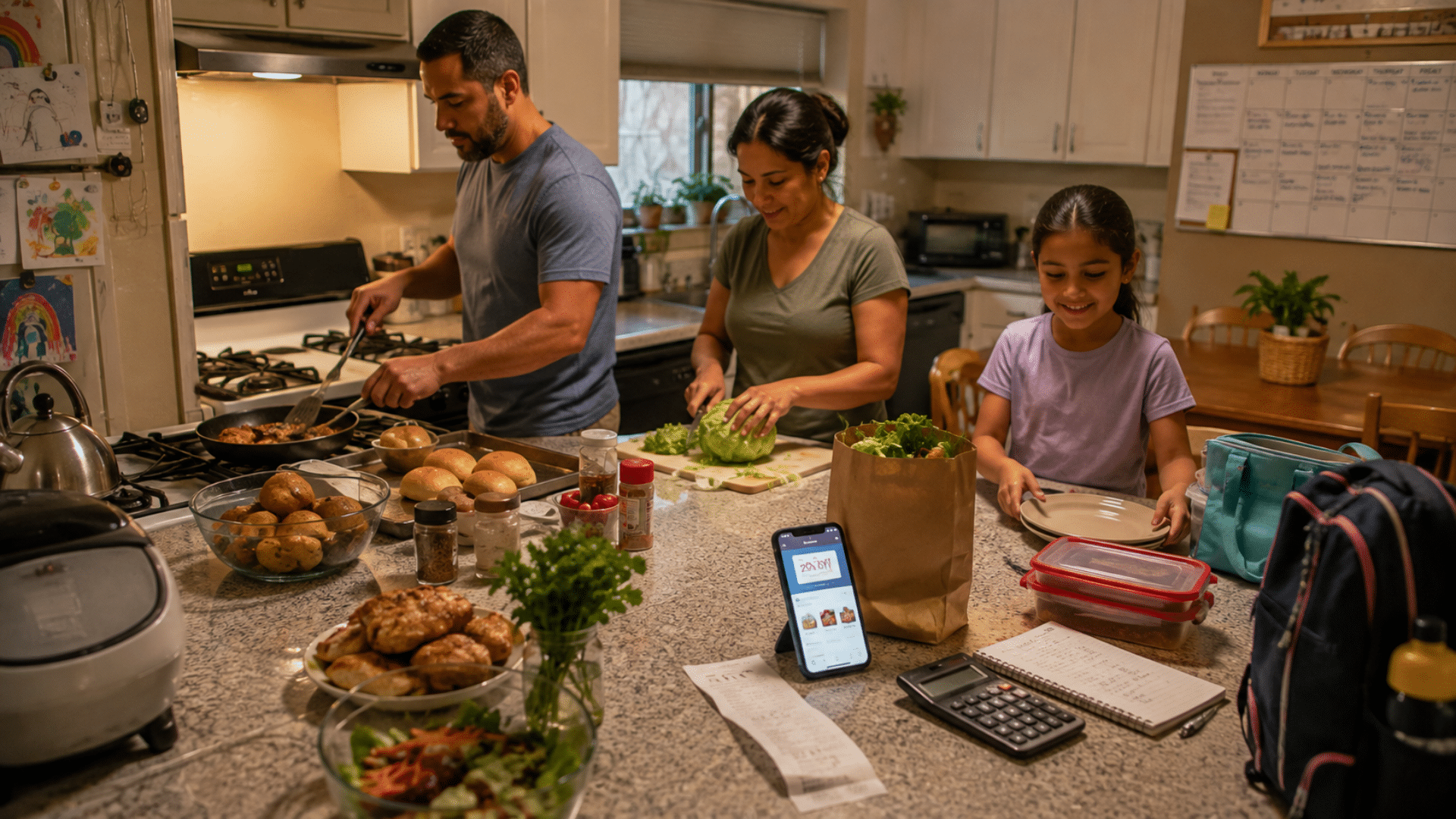
The drive-thru window was built on speed and savings, but that formula is officially broken. Lower-income states bear the heaviest burden, yet workers everywhere feel the financial sting. What began as an affordable solution for busy nights has transformed into a luxury expense. By using digital coupons, skipping expensive delivery apps, and cooking at home, families can reclaim their hard-earned money.