USDA Just Changed What ‘Product of USA’ Means on Your Meat and Eggs
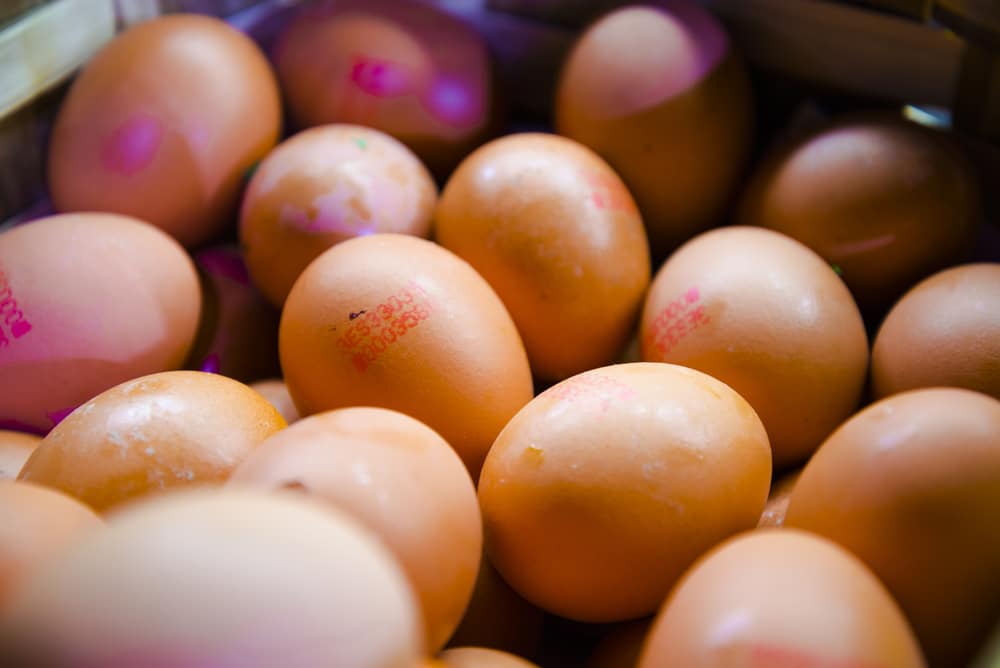

The U.S. Department of Agriculture has finalized a rule that changes how “Product of USA” appears on meat, poultry, and egg labels. Starting in 2026, the phrase will carry a much stricter definition aimed at matching what consumers already believe it means. The shift affects how food companies label products, not what foods are allowed to be sold
A Rule Years in the Making
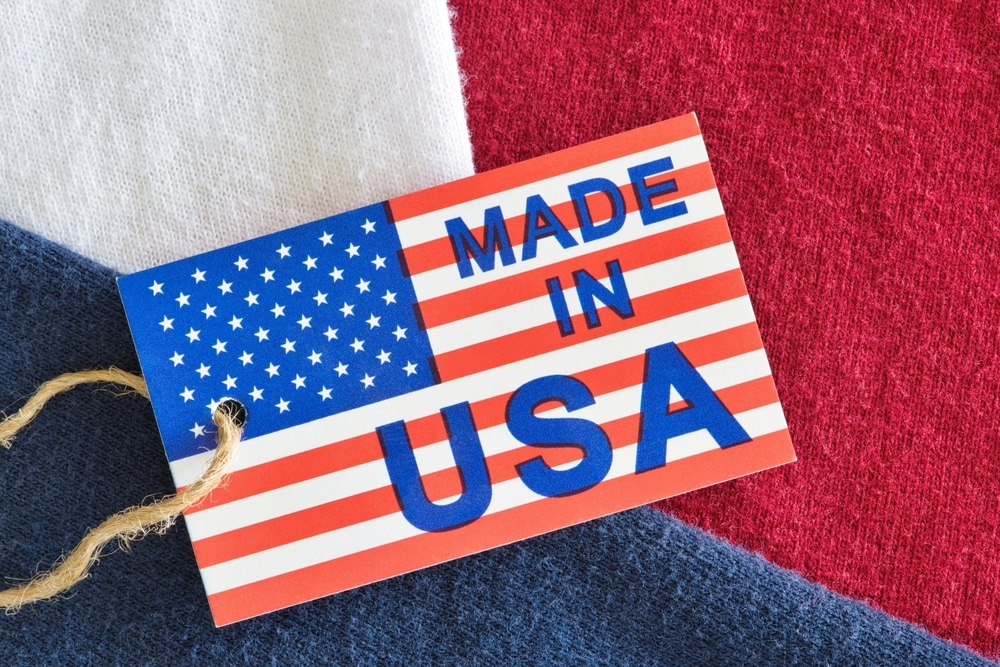
The USDA announcement say the change responds to years of consumer confusion and formal petitions from ranchers and advocacy groups. Surveys showed many shoppers assumed “Product of USA” meant animals were raised entirely in the country, even when they were not. The final rule aligns labeling language with those expectations.
The New Standard is Much Narrower
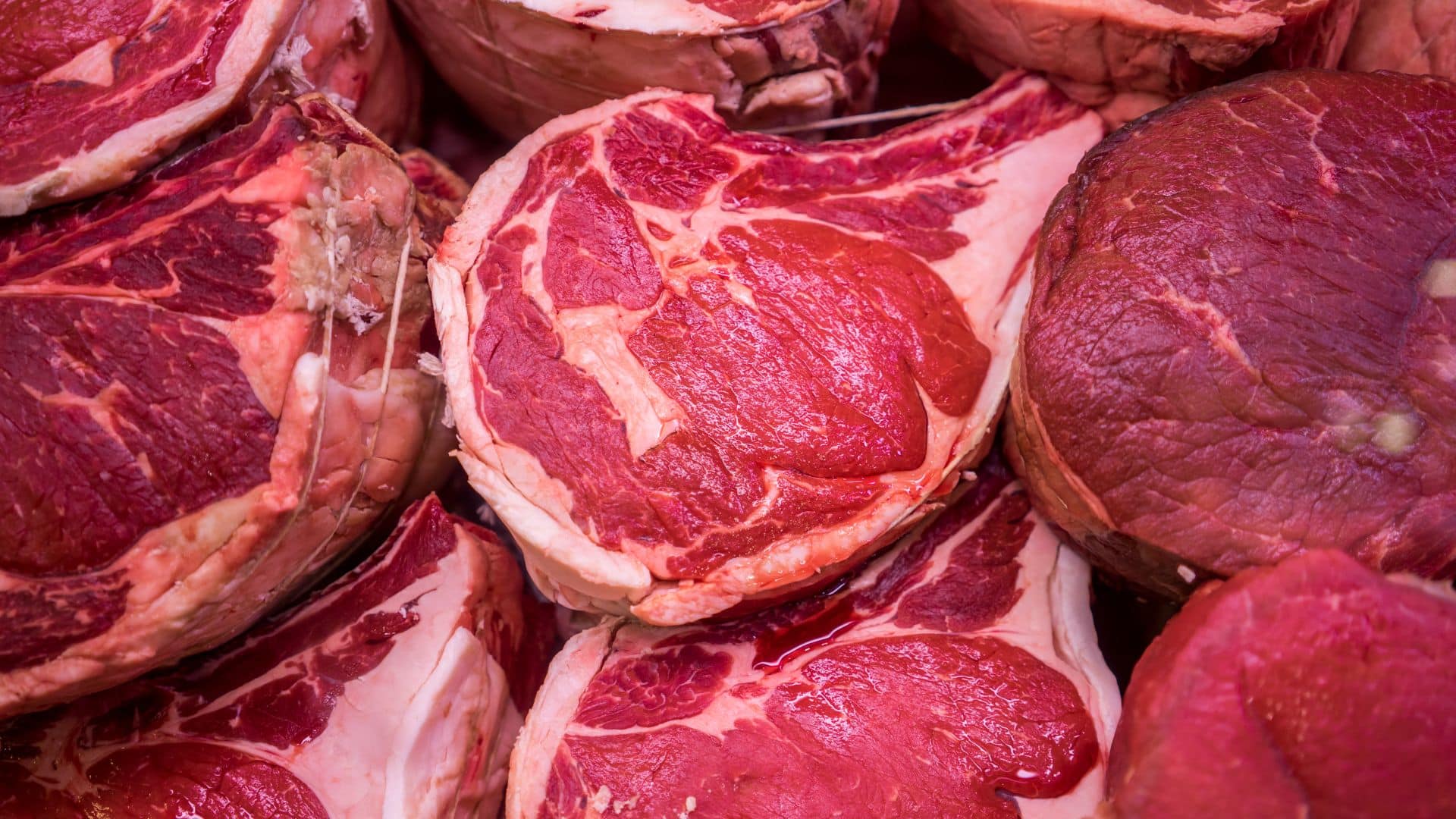
Under the final rule, meat, poultry, and egg products may use “Product of USA” or “Made in the USA” only if animals were born, raised, slaughtered, and processed entirely in the United States. Previously, products made from imported animals could still qualify if processing occurred domestically. USDA concluded that practice was misleading to consumers.
This is Not an Import Ban
The rule does not restrict foreign meat or eggs from being sold in the U.S. Imported products remain legal and widely available. The change applies only to voluntary origin claims printed on packaging, not to trade or supply levels.
Voluntary, But Closely Watched
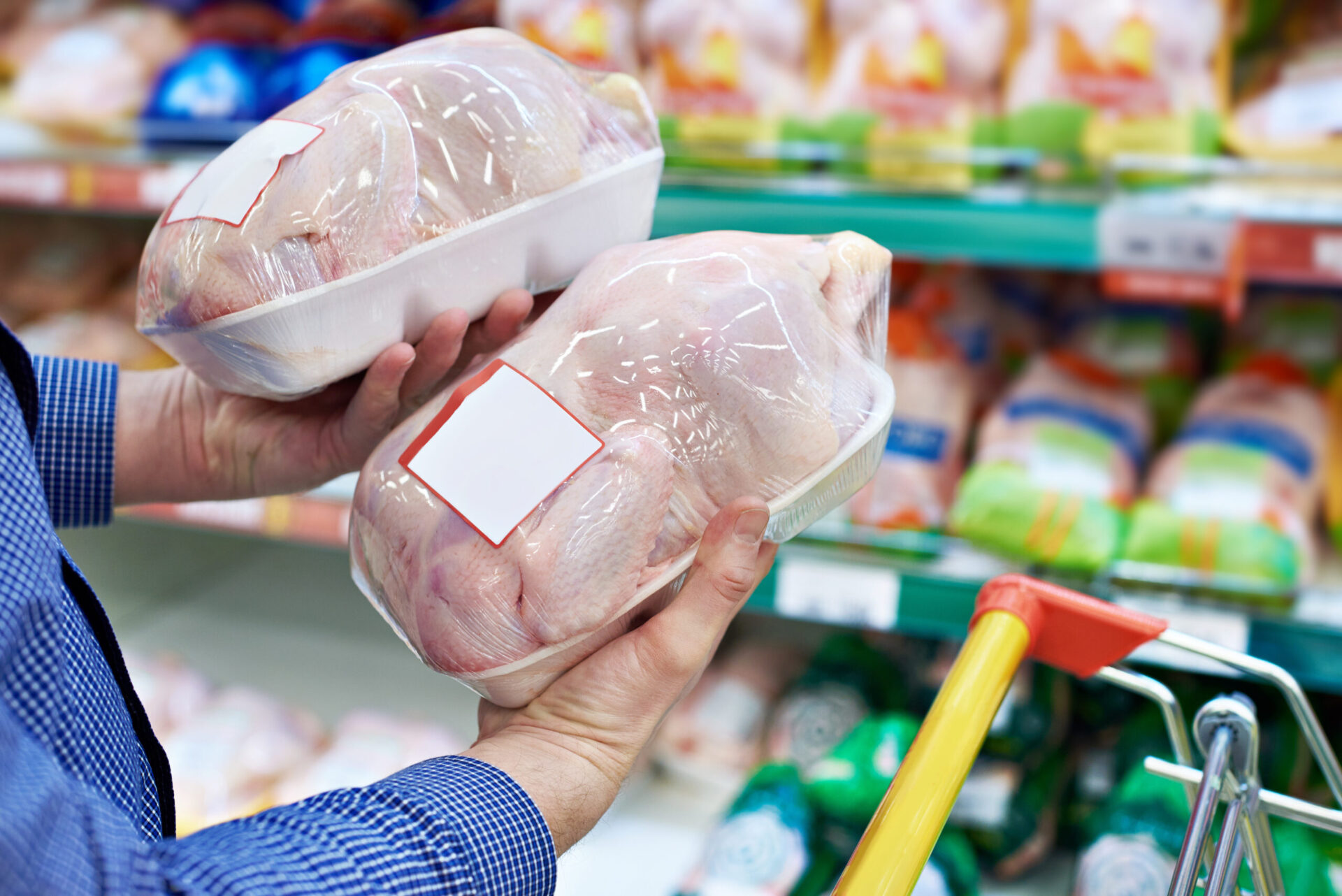
Using “Product of USA” remains optional, but companies that choose to use it must now meet higher standards. USDA’s Food Safety and Inspection Service will focus on whether businesses can substantiate claims through documentation and traceability. Labels no longer function as marketing shortcuts without proof.
Eggs Are Included Too
The rule applies not only to meat and poultry but also to egg products regulated by USDA. Eggs labeled “Product of USA” must come from hens raised and processed entirely within the country. This closes a gap that previously allowed broader interpretation of origin claims.
A January 2026 Deadline

Companies have until January 1, 2026, to comply with the new definition. Products labeled before that date may remain on shelves, giving brands time to adjust sourcing or remove claims. USDA framed the timeline as a transition rather than immediate enforcement.
What Companies Must Document
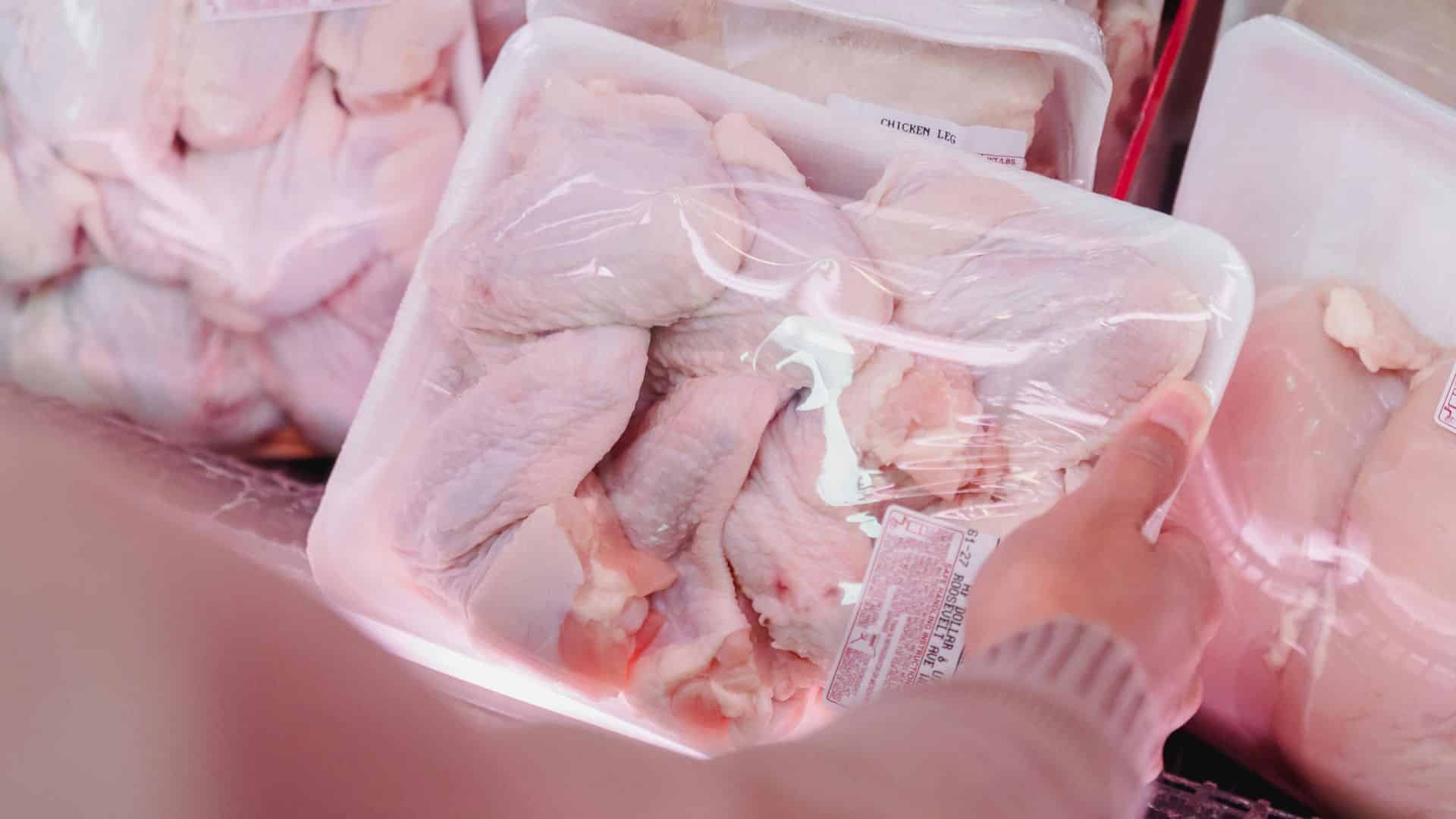
Businesses using U.S. origin claims must maintain records showing animal origin, processing steps, and ingredient sourcing. For multi-ingredient products, all USDA-regulated components must meet the same criteria, while non-meat ingredients must also be domestically sourced, with limited exceptions. Enforcement will center on paperwork and internal controls.
Why the Change Matters to Shoppers

USDA Secretary Tom Vilsack said the rule strengthens trust by ensuring labels reflect reality rather than technical loopholes. For consumers who prioritize domestic sourcing, the label now offers clearer information at the point of purchase. The rule aims to reduce guesswork rather than reshape buying habits overnight.
A Broader Push for Label Accuracy
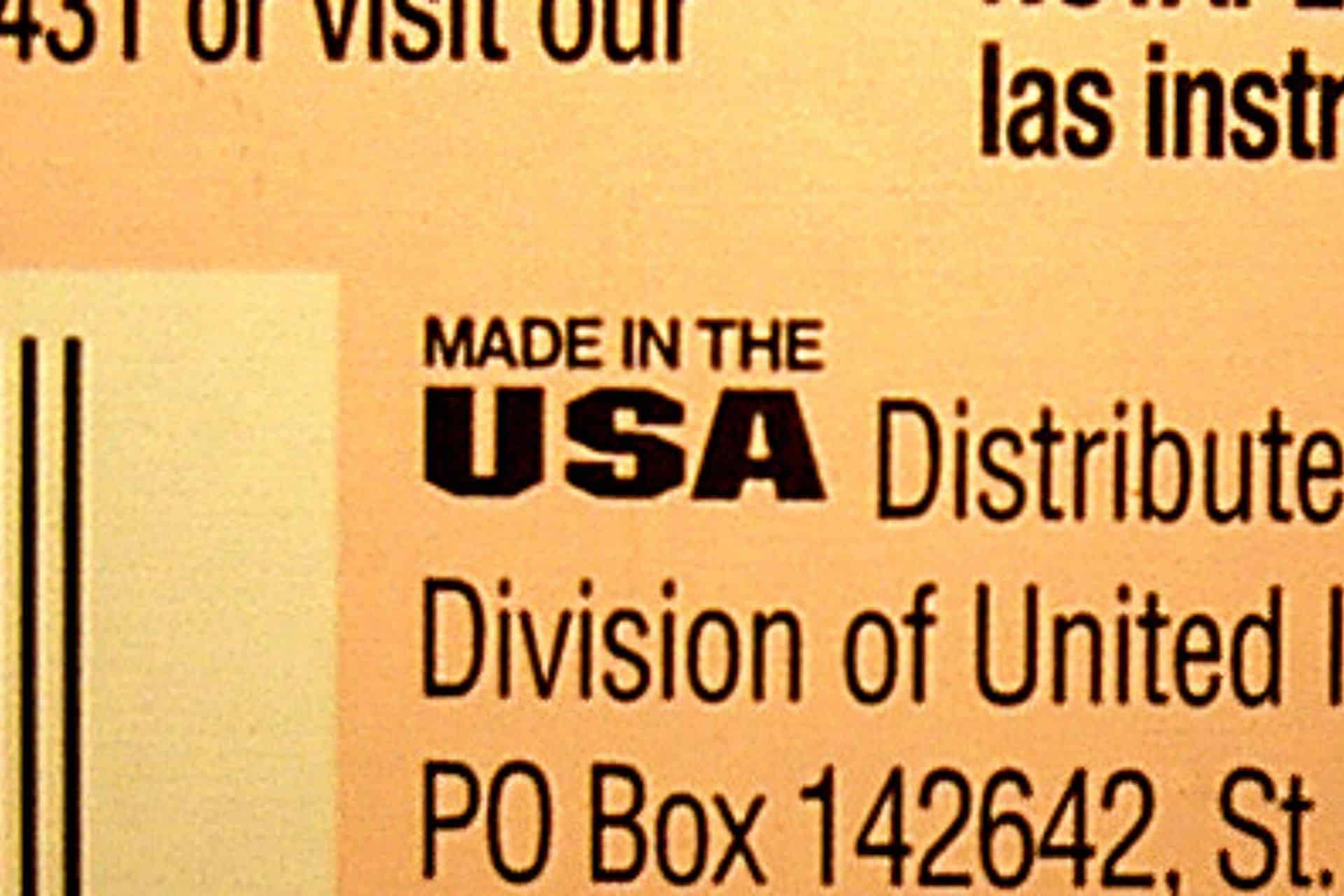
The “Product of USA” update fits into a wider federal effort to tighten voluntary food claims. Regulators increasingly view origin language as regulated information once it appears on packaging. For shoppers, the change means fewer assumptions and more transparency when scanning the meat case.