Breaking: USDA to ‘Completely Reconstruct’ SNAP Program
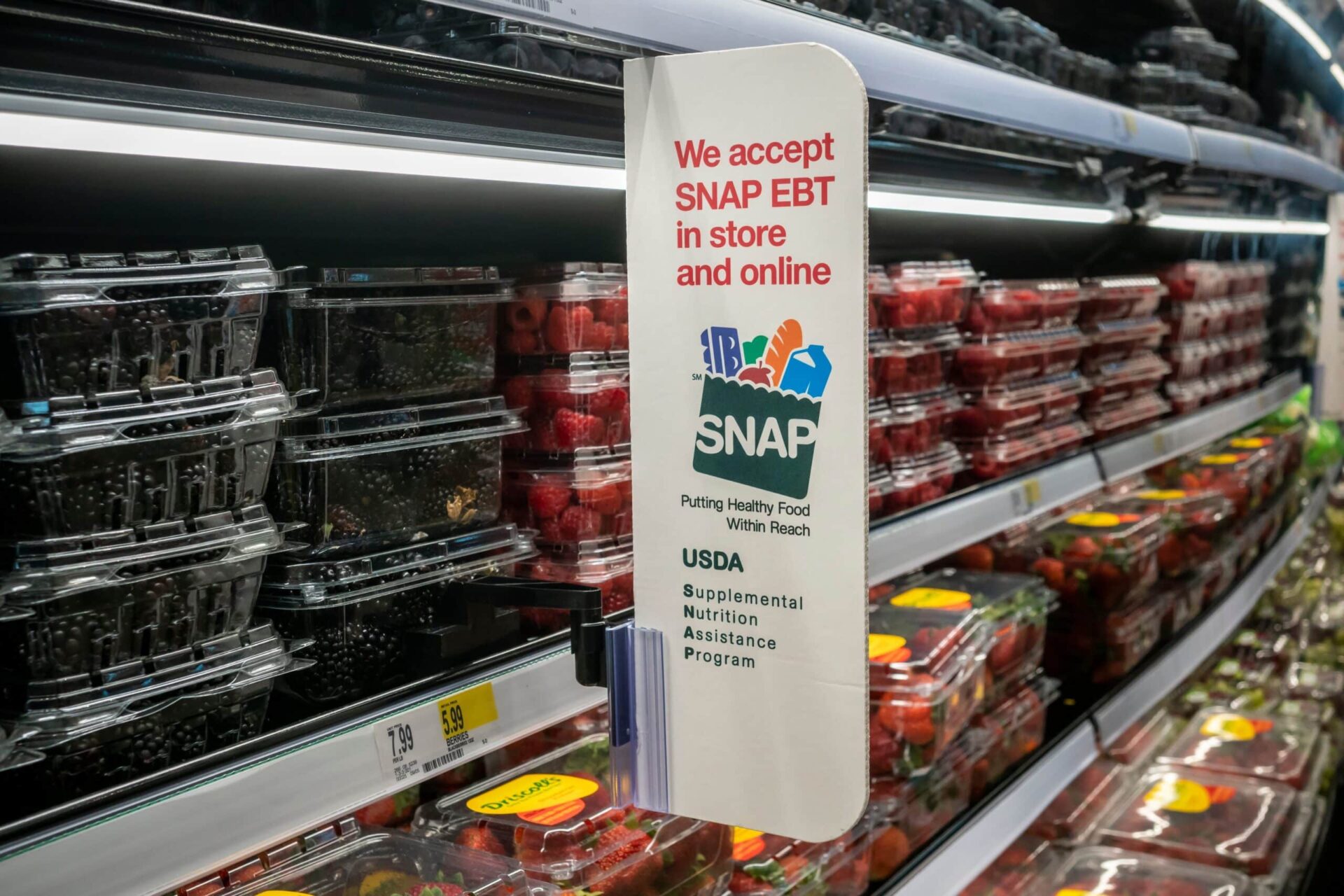

The U.S. Department of Agriculture has signaled its most dramatic reshaping of the Supplemental Nutrition Assistance Program (SNAP) in decades, with Secretary Brooke Rollins announcing plans to “completely deconstruct” SNAP. As nearly 42 million Americans brace for major changes, questions are mounting about what the overhaul will mean for households, states, and the future of nutrition aid.
A Program Under Intense Review
SNAP’s scrutiny escalated sharply this fall as Rollins cited concerns about eligibility oversight and widespread administrative failures. She argued the program requires rebuilding to ensure that only truly vulnerable Americans remain eligible. Her early statements set the tone for a comprehensive reassessment of how benefits are distributed and monitored.
Spotlight from the Government Shutdown
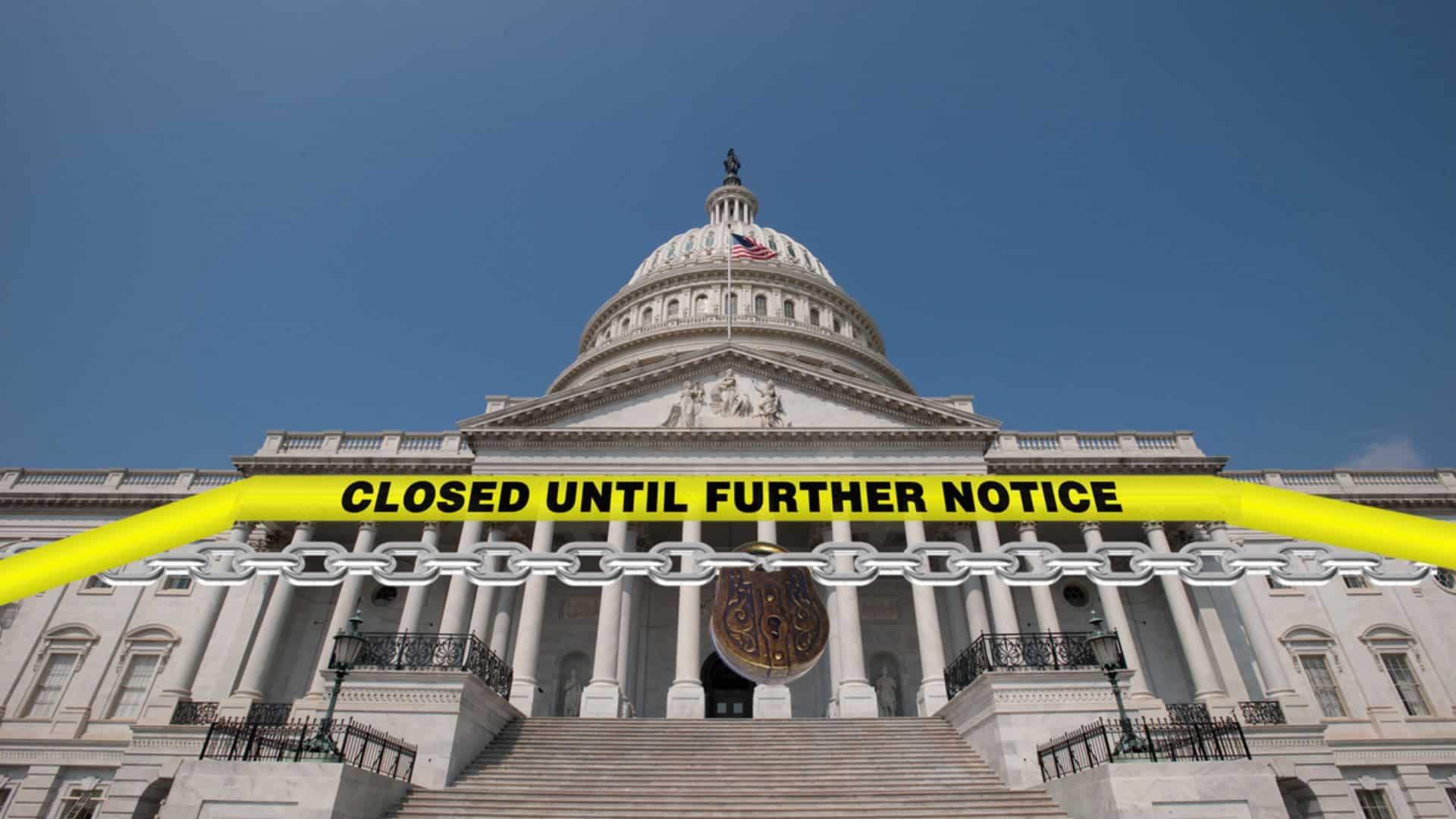
The 43-day shutdown pushed SNAP into national attention when payments were paused for the first time in program history. USDA officials said the crisis exposed longstanding vulnerabilities and data gaps across states. With funding restored, the administration moved quickly to fold program reform into its reopening priorities.
Claims of Fraud Fuel the Push

Rollins has pointed to early data from 29 states suggesting that 186,000 deceased individuals were listed as beneficiaries and more than 500,000 people received benefits in multiple states. USDA data further shows over 226,000 fraudulent claims and 691,000 unauthorized transactions in early 2025, largely tied to card cloning and electronic theft. These figures are driving the administration’s aggressive posture.
A Mandatory Reapplication for All Recipients
One of the most significant proposed changes would require all SNAP households—over 40 million people—to reapply for benefits. The administration says this step is necessary to remove ineligible participants uncovered through data analysis. State agencies warn the process could strain administrative systems already stretched by earlier funding cuts.
New Work Requirements Already Taking Effect

The One Big Beautiful Bill Act expanded work requirements for able-bodied adults without dependents, raising the age cutoff from 55 to 65 and narrowing exemptions. Adults who fail to meet the 80-hour monthly requirement risk losing benefits after three months. Analysts estimate that as many as 4 million people could see their benefits reduced or eliminated.
SNAP’s Redesign Extends Beyond Fraud Control

While public messaging emphasizes fraud prevention, the overhaul also consolidates broader structural changes enacted under recent legislation. Rollins highlighted that the shutdown “shined a bright light” on SNAP, providing momentum for a deeper reconstruction. The USDA described the work as ongoing regulatory reform rather than a single policy shift.
Administrative Burdens Raise Concerns

Advocates warn that increased paperwork and strict compliance requirements may cut off eligible households unintentionally. They note that many lose benefits not due to fraud but because of missed deadlines, documentation hurdles, or unstable employment. These barriers disproportionately affect rural households, caregivers, and those with limited transportation.
Impact on Children, Veterans, and Seniors

New restrictions eliminate exemptions for groups previously protected, including unhoused individuals, veterans, and young adults aging out of foster care. Some families could lose benefits if a single adult fails to meet work requirements, even if children rely on the program. Advocates caution that the ripple effects may deepen food insecurity in already vulnerable communities.
What Comes Next for the Overhaul
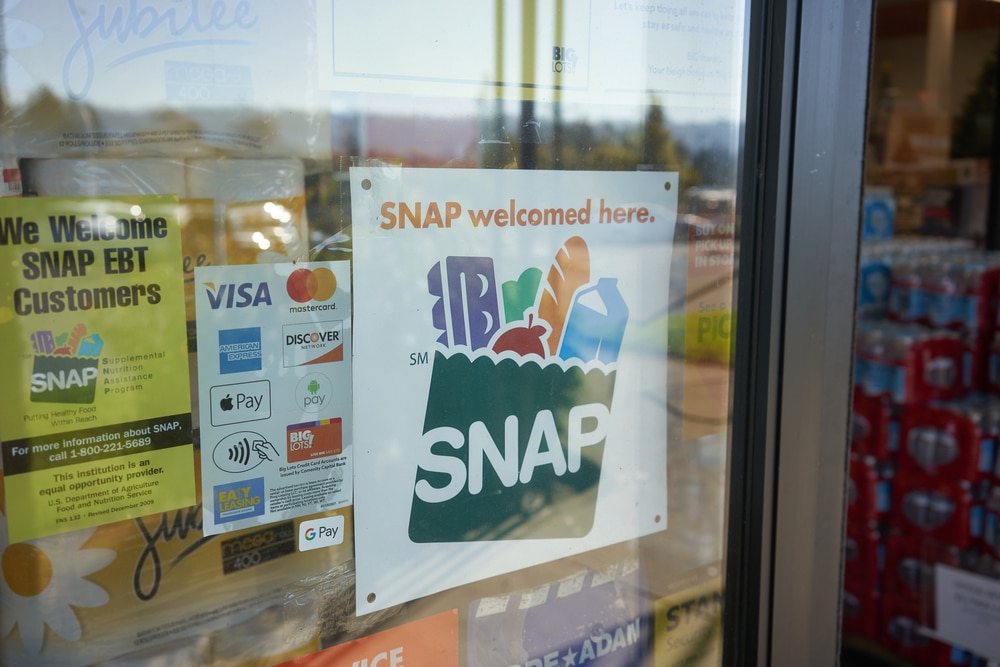
Although the USDA has not released a formal timeline, Rollins said the administration has begun “hundreds of arrests” related to fraud and removed hundreds of thousands from the program. Officials maintain that changes will protect limited resources and reinforce the program’s integrity. For now, Americans await clearer instructions as states prepare for a period of sweeping re-certification and rule enforcement.